Santa Maria Weather by Month: Climate & Best Time to Visit
Mild Atlantic seasons, a drier west and greener eastern hills
Santa Maria Weather and Climate Guide
Santa Maria has a mild maritime climate and a reputation as one of the warmer, sunnier Azores islands, but rain, wind, fog and Atlantic swell remain part of every season.
Climate at a glance
Santa Maria Weather Essentials
Ocean-controlled climate
Temperature, Rain, Sea and Sunshine
Mild annual pattern
Santa Maria stays mild through the year, while official seasonal averages span roughly 11°C to 25°C depending on month, location and measurement.
Winter temperature
Coastal lows commonly sit around 13–15°C rather than freezing, but wind and humidity can make conditions feel colder.
Summer temperature
Typical daytime conditions often reach about 24–26°C, moderated by the Atlantic and local cloud.
Rainfall
Annual totals are often described around 800–1,100 millimeters, with November through March generally wetter. Showers remain possible all year.
Sea temperature
Water is commonly around 16–18°C in winter and 22–24°C in summer, but local measurement and daily conditions vary.
Sunshine
Broad guidance suggests roughly 4–7 hours of sunshine in winter and 8–10 in summer, without guaranteeing a clear beach day.
Humidity
Relative humidity is often high and varies with season, elevation and weather systems. Use current conditions when planning outdoor activities.
Wind
Coastal winds are often moderate and tend to strengthen in winter systems. Gusts can affect flights, waves, exposed viewpoints and walking.

Season by season
Spring, Summer, Autumn and Winter
Spring: March–May
Temperatures commonly move through about 18–21°C in daytime context, with fewer wet days toward late spring but no guarantee of settled weather.
Spring plans
Wildflowers, walking and geology touring suit clear days. Keep rainwear and avoid saturated, closed or eroded trails.
Summer: June–August
The warmest and generally driest season often brings daytime temperatures around 24–26°C. Heat, UV, wind and brief showers still matter.
Summer plans
Beach time, diving, sailing and festivals are most practical, while peak demand requires early rooms, cars and dining reservations.
Autumn: September–November
Temperatures may remain around 20–23°C early in the season as rain, wind and Atlantic systems become more frequent.
Autumn plans
September can retain warm sea conditions; later autumn rewards heritage, food and flexible island drives.
Winter: December–February
Temperatures rarely become severe at the coast, with lows often around 13°C, but wetter and windier weather reduces outdoor reliability.
Winter plans
Use villages, churches, food and sheltered viewpoints between weather windows, and protect flight connections with margin.
Microclimates
Praia Formosa, Pico Alto and the Eastern Bays
Praia Formosa and south
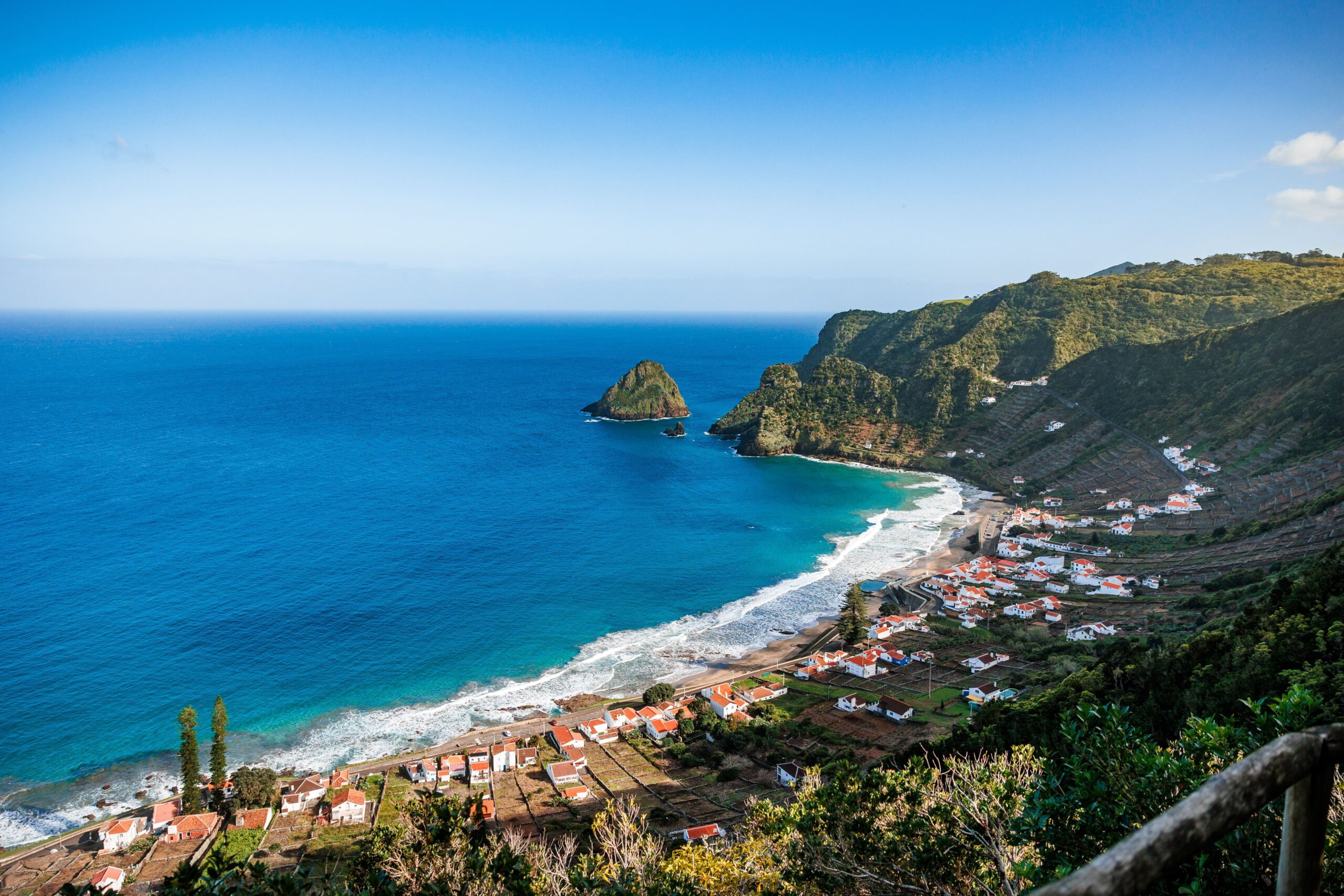
The south coast often feels sunny and warm, yet the open Atlantic bay can still have powerful surf, current and wind.
Western lowlands
Vila do Porto, airport fields and Anjos occupy relatively low, dry terrain where vegetation can yellow earlier.
Pico Alto
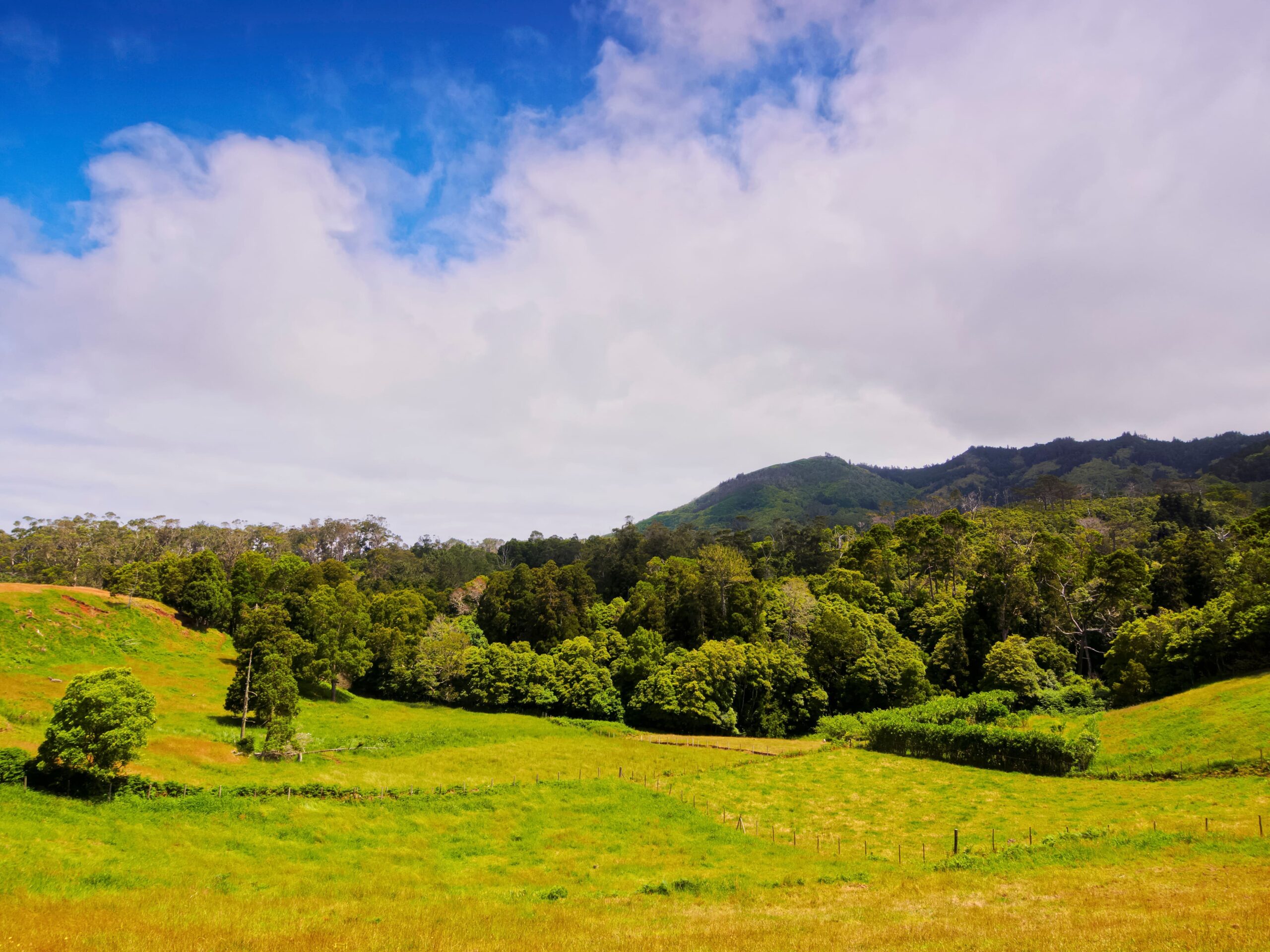
At about 587 meters, the summit can be cooler, cloudier, wetter and windier than the airport or beach.
Eastern hills
Santo Espírito and uplands receive more moisture, supporting greener vegetation and runoff after rain.
São Lourenço
The vineyard amphitheater may be sheltered in one wind direction and exposed in another; sea access must be assessed locally.
Maia
Steep slopes and the east-coast setting create distinct cloud, shade and swell patterns that may differ from Praia Formosa.

Best time
When to Visit Santa Maria
June through September
This is the broadest period for warmer beach weather, marine activities and events, with the greatest demand.
May and June
Late spring can balance green landscapes, flowers, walking and lighter demand, provided the schedule can move around rain.
September
Warm sea and air can extend summer activities with somewhat quieter conditions after the largest festival weeks.
October through April
A slower trip can work for culture, food and photography, but trails, swimming and transport are less reliable.
No guaranteed sunny week
Santa Maria’s reputation is comparative within the Azores. It does not eliminate Atlantic weather.
Plan by activity
Beach travelers prioritize summer; walkers may prefer shoulder seasons; festival visitors must follow current annual dates.
Plan well
Practical Santa Maria Weather Tips
Pack sun and rain protection
Carry sunscreen, hat, water and a light waterproof layer even when the morning forecast looks clear.
Check several forecasts
Compare airport, coast, summit, trail and marine information rather than using one island-wide weather icon.
Respect marine warnings
Sunny skies do not cancel swell or surge. Obey flags, barriers, lifeguards and operator decisions.
Use trail footwear
Heat, wet clay, loose rock and erosion all require grip. Do not enter the currently closed south-coast trail.
Protect electronics
Humidity, spray and sudden showers affect phones and cameras; use dry protection and avoid abrupt condensation.
Buffer flights
Wind, visibility and operational changes can delay air travel. Do not place an unprotected international connection immediately after Santa Maria.
Questions travelers ask
Santa Maria Weather FAQ
Is Santa Maria the warmest Azores island?
It is often described as one of the warmest, driest and sunniest because of its southern position and lower western terrain, but weather varies daily.
What is summer weather like?
Daytime temperatures are often around 24–26°C with relatively lower rainfall, although showers, wind, cloud and strong UV remain possible.
Does Santa Maria get winter rain?
Yes. November through March is generally wetter, with more wind and rougher sea despite mild coastal temperatures.
Is Pico Alto colder than the beach?
Yes. The 587-meter summit is commonly cooler, cloudier, wetter and windier than Praia Formosa or Vila do Porto.
Can weather disrupt flights and activities?
Yes. Wind, low visibility, rain and swell can affect flights, trails, diving, boats and swimming, so keep buffer time and alternatives.
Build a practical island stay
Plan Your Santa Maria Vacation
Azores.com can coordinate flights, lodging, transportation, activities and enough flexible island time to explore comfortably.