Four days in Lisbon give first-time visitors enough time to explore the historic center, Belém and several of the city’s most distinctive neighborhoods, with one day left for Sintra or Cascais. The key is to group nearby sights instead of crossing Lisbon repeatedly and to treat the fourth day trip as a choice—not an attempt to visit both destinations at once.
This itinerary assumes four useful sightseeing days. If your arrival and departure consume most of two days, either add another night or keep all four days in Lisbon and save the day trip for a future visit.

Your 4-Day Lisbon Itinerary at a Glance
Begin with Lisbon’s grand riverfront squares, reconstructed downtown, historic cafés, shops and an evening viewpoint.
Explore Manueline architecture, maritime landmarks, gardens, custard tarts and the creative district around LX Factory.
Walk through Lisbon’s oldest quarters, visit São Jorge Castle and finish with a relaxed dinner or fado performance.
Choose palaces and forested hills in Sintra or a simpler seaside day in Cascais. Each deserves the day.

Where to Stay for Four Days in Lisbon
For a short visit, location matters more than chasing a particular hotel name. Lisbon is hilly, and a neighborhood that looks close on a map may involve steep cobbled streets. Choose an area that matches how you want to spend the evenings and how much climbing you are comfortable doing.
Best for a first visit when walkability, restaurants and simple transport connections are the priorities. These areas are central but can feel busy.
Best for atmosphere, old lanes and proximity to fado venues. Expect slopes, steps and more complicated vehicle access.
Best for modern hotels, metro access and a quieter base. You will commute to the historic center, but the terrain is generally easier.
Best for boutiques, gardens and dining. It feels more residential than Baixa, though reaching the riverfront usually involves a hill.
Bairro Alto can be convenient for nightlife, but light sleepers should check recent hotel reviews and ask about street-facing rooms. For most first-time visitors, Baixa–Chiado offers the simplest sightseeing base, while Saldanha is practical for travelers who prefer a modern hotel district.
Day 1: Baixa, Chiado and Bairro Alto
Morning: Start at Lisbon’s Riverfront
Begin at Praça do Comércio, where the open square introduces the scale of the Tagus River and the ordered streets of Baixa. Walk beneath the Rua Augusta Arch and continue through the lower city toward Rossio. This route gives you useful orientation without committing the first morning to a long museum visit.
From Rossio, continue toward the Carmo area and Chiado. The streets climb, so use the metro, a funicular or a taxi if steep walking is difficult. Santa Justa is a recognizable landmark, but the queue for the lift can consume valuable time; nearby streets and viewpoints can provide the city perspective without making the elevator essential.
Afternoon: Chiado and Carmo
Allow the afternoon for Chiado’s bookshops, cafés and historic streets, then visit the roofless Carmo Convent if it fits your interests and current opening schedule. This is also a good place to slow down after the morning walk rather than adding a distant attraction simply to fill a checklist.
Evening: Bairro Alto and a Viewpoint
Move toward Bairro Alto in the late afternoon, when its small streets begin to transition from daytime neighborhood to evening destination. Finish at a nearby miradouro such as São Pedro de Alcântara or Santa Catarina, then choose dinner in Chiado, Bairro Alto or Príncipe Real.
Day 2: Belém and the Western Riverfront
Morning: Jerónimos and Belém
Travel west early and begin near Jerónimos Monastery. The monastery and Belém Tower form a UNESCO World Heritage property and are among Lisbon’s defining expressions of the Manueline period. Check the official ticket system before fixing the day of your visit, because opening days, timed admission and access arrangements can change.
After the monastery, stop for a pastel de nata at Pastéis de Belém, then cross toward the riverfront. Walk past the Monument to the Discoveries and continue through the gardens toward Belém Tower. The tower reopened in May 2026 following conservation work, but an exterior visit is still worthwhile if interior tickets are unavailable.

Afternoon: Museums or LX Factory
Belém contains more than can sensibly fit into one morning. Choose one additional museum or cultural stop based on your interests rather than trying to enter everything. On the return toward central Lisbon, stop at LX Factory for shops, studios, bookstores or an early meal if the industrial-creative setting appeals to you.
Day 3: São Jorge Castle, Alfama and Fado
Morning: Begin at the Castle
Start near São Jorge Castle before the surrounding streets become busiest. The battlements and terraces provide broad views across Lisbon, while the archaeological remains help connect the hilltop to the city’s long history. Confirm opening and ticket details directly before visiting rather than relying on an old printed timetable.
After the castle, descend gradually through Mouraria or Alfama. The point is not to follow one perfect lane: allow time for tiled façades, small squares and viewpoints, but keep a map available because the street pattern is intentionally indirect from a modern traveler’s perspective.
Afternoon: Alfama at a Slower Pace
Continue toward Lisbon Cathedral and the lower Alfama streets. Depending on your interests, add the Fado Museum, the National Pantheon or a longer lunch. Do not plan Tram 28 as mandatory transportation: it is a working public route, and crowding can make walking selected sections or using another tram, bus or taxi more efficient.
Evening: Hear Fado Respectfully
Fado is part of Lisbon’s living culture, not simply background music for dinner. If you want a full performance, reserve a reputable fado house and understand whether the booking includes a fixed menu, a minimum spend or music only. Arrive on time and keep conversation low during the songs.
Day 4: Choose Sintra or Cascais
Both destinations are easy to associate with Lisbon, but they create very different days. Sintra requires more advance planning, timed monument decisions and hill transportation. Cascais is simpler and better suited to travelers who want a relaxed coastal finish.
Choose Cascais if…
You prefer a flexible seaside day, a walkable town center, ocean views and the option to return to Lisbon whenever you wish.
Choose Sintra if…
Palaces, romantic architecture and forested hills are a priority—and you are comfortable planning transport and timed admission in advance.
Option A: A Relaxed Cascais Day Trip
Take the Cascais Line from Cais do Sodré and begin in the compact town center. Walk the lanes around the old center, marina and nearby waterfront, then continue toward Boca do Inferno if weather and mobility allow. In warm conditions, leave time for a beach; outside swimming season, concentrate on the promenade, museums and a seafood lunch.
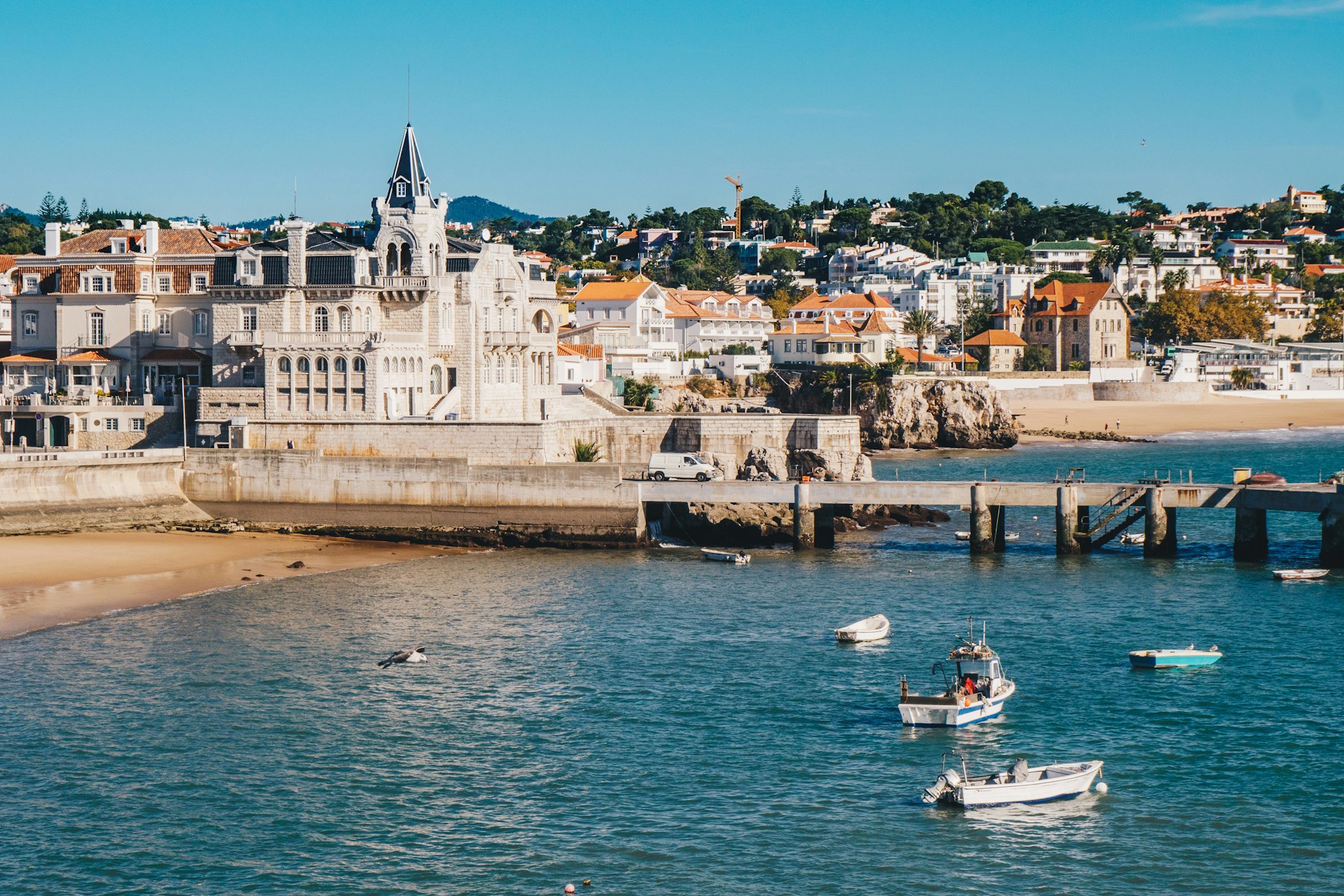
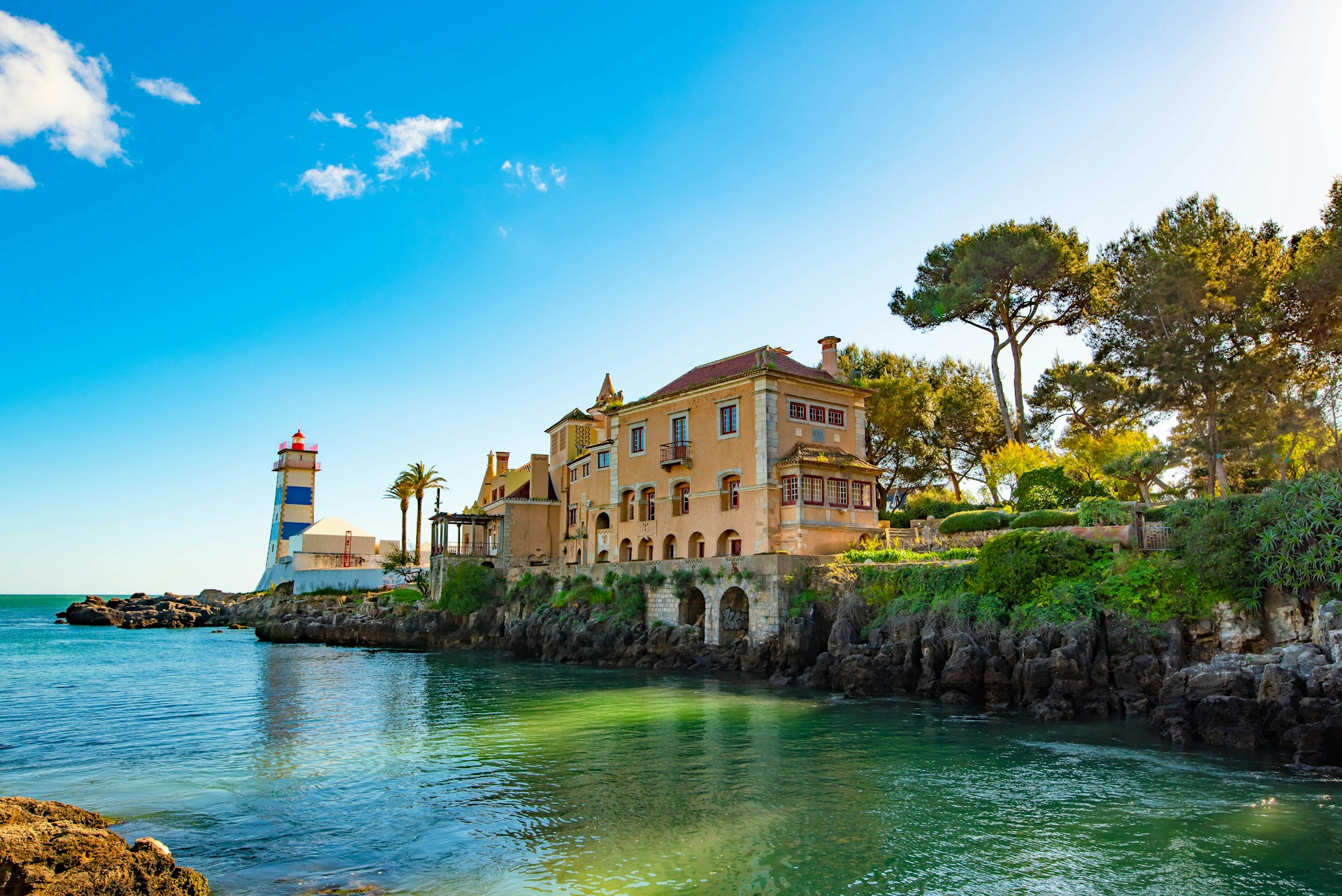
Cascais is the more forgiving choice when you want to decide the pace on the day itself. Train schedules and temporary service changes still matter, so check CP before leaving and avoid building the plan around one exact travel time quoted months in advance.
Option B: Palaces and Hills in Sintra
Travel to Sintra on the CP Sintra Line; official visitor guidance lists Rossio, Oriente and Entrecampos among the Lisbon origin stations. For a first visit, choose one major hilltop monument—usually Pena Palace or the Moorish Castle—then pair it with Sintra’s historic center and one lower attraction such as the National Palace of Sintra or Quinta da Regaleira.


Reserve the palace entry you care about before the trip, then work backward to determine your train and local transportation. Private vehicles are not permitted on the access roads to Pena Palace, and official guidance recommends walking routes or public transport from the station, historic center or peripheral parking areas. Do not combine Pena Palace, Quinta da Regaleira, Cabo da Roca and Cascais in one public-transport day unless your goal is simply to rush between stops.
Getting Around Lisbon
Baixa and Chiado work together, as do the castle and Alfama. Belém deserves its own half or full day.
The former Viva Viagem visitor guidance is outdated terminology. The rechargeable occasional card supports eligible tickets and zapping for one traveler.
A day ticket can suit a transport-heavy day; stored-value travel can be better when most of the route is on foot. Check current fares before loading.
It can include public transport and participating attractions, but value depends on which paid sites are open and which you will actually enter.
Contactless bank-card entry is available for occasional Metro travel, but each traveler needs a separate card or device. For buses, trams, ferries and suburban trains, ticket rules differ by operator. Do not assume that one tap or one ticket automatically covers every connection.
A rental car is unnecessary for this itinerary and can become a burden in the historic center. If Lisbon is the mainland portion of a longer Portugal road trip, arrange the car for the day you leave the city rather than paying to park it while sightseeing.
What to Eat During Four Days in Lisbon
Lisbon’s food is broader than any single list of famous restaurants. Use the four days to try a mixture of traditional dishes, quick snacks and contemporary Portuguese cooking without making every meal dependent on a reservation.
- Pastéis de nata: best eaten fresh, with cinnamon if you like it. Pastéis de Belém is the historic stop in Belém, but good pastry shops exist across the city.
- Bacalhau: salt cod appears in many preparations; ask how the particular dish is cooked rather than expecting one standard recipe.
- Grilled sardines: strongly seasonal and especially associated with Lisbon’s June festivities. Outside the season, choose another fresh fish rather than assuming sardines will be at their best.
- Bifana or prego: straightforward pork or beef sandwiches that work well for a quick lunch.
- Petiscos: small Portuguese dishes for sharing; they are not exactly the same tradition as Spanish tapas.
- Ginjinha: a sweet sour-cherry liqueur traditionally served in small measures.
Time Out Market is convenient for comparing several vendors in one place, but it should not replace neighborhood restaurants and traditional cafés. Check recent hours and reserve high-priority dinners directly, especially on weekends and during major events.
When Is the Best Time for This Lisbon Itinerary?
Spring and autumn generally provide comfortable conditions for long urban walks, while summer brings hotter afternoons and heavier demand at major attractions. Winter is mild compared with much of Europe but can be rainy and windy. No month guarantees empty streets or perfect weather, so use timed tickets for priority sights and keep one indoor option available.
June is culturally rewarding because Lisbon’s popular-saints celebrations animate historic neighborhoods, but accommodation demand, street closures and late-night noise can affect the trip. Travelers who value quieter sightseeing may prefer a different period.
Combining Lisbon and the Azores
Lisbon works naturally as the mainland portion of an Azores vacation, but protect the island connection from unnecessary risk. If flights are on separate tickets, leave a generous buffer—or preferably an overnight—rather than planning a tight self-connection. Weather and operational disruption can affect island flights even when conditions in Lisbon appear normal.
Our Lisbon and São Miguel vacation provides a starting point for travelers who want the capital’s historic neighborhoods followed by volcanic landscapes in the Azores. Exact hotels and included services should always be confirmed on the current package page.
4 Days in Lisbon FAQs
Are four days enough for Lisbon?
Yes. Four full sightseeing days allow a first-time visitor to explore central Lisbon, Belém and Alfama and still choose one day trip to Sintra or Cascais. If arrival and departure reduce the usable time, keep the fourth day in Lisbon or add another night.
How many nights do I need for four days in Lisbon?
Four nights can work when arrival is early and departure is late, but five nights provide four less-rushed sightseeing days. Count usable days rather than assuming every hotel night creates a full day in the city.
Where should a first-time visitor stay in Lisbon?
Baixa or Chiado is usually the simplest base for walking and public transport. Alfama offers more historic atmosphere but steeper streets, while Saldanha and Avenidas Novas provide modern hotels and easy Metro access outside the oldest center.
Do I need a rental car in Lisbon?
No. Walking, Metro, trams, buses, taxis and suburban trains cover this itinerary. A car is inconvenient in many historic areas and is not permitted on the access roads to Pena Palace in Sintra.
What public-transport card should visitors use in Lisbon?
The rechargeable navegante occasional card supports eligible occasional tickets and zapping for one traveler. A 24-hour ticket may suit a transport-heavy day, while zapping can be better for fewer rides. Check current operator fares before loading the card.
Should I choose Sintra or Cascais for the fourth day?
Choose Sintra for palaces, romantic architecture and forested hills, but reserve priority monuments and plan local transportation. Choose Cascais for a more flexible coastal day with a compact center, promenade and beaches.
Is Tram 28 essential during a Lisbon visit?
No. Tram 28 is a functioning public route and can be crowded. Ride early if it is important to you, or walk selected historic sections and use other public transport when that is more efficient.
Can I combine Lisbon and the Azores in one vacation?
Yes. Lisbon and São Miguel are a practical first combination, and longer trips can add other Azores islands. Allow sensible connection time, particularly when flights are issued on separate tickets.
Want to combine Lisbon with an Azores vacation? Start with our Lisbon and São Miguel itinerary or tell our travel specialists how many days you have and which islands interest you.
View Lisbon & São Miguel Trip Plan My Azores Vacation
Eunice Costa has served as Travel Director of Portugal Online Corp., Azores.com (Azores Travel and Tours) since 1996. Born in the Azores and now based in California, she brings more than 30 years of experience promoting the Azorean Islands and creating thoughtfully designed tour packages, especially tailored for the U.S. and Canadian markets, that combine exceptional experiences with great value. Through her contributions to the Azores.com blog, Eunice shares her deep knowledge and passion for all nine Azorean Islands, helping travelers discover the very best of this unique destination.