The Azores Islands: Travel Guide & Vacation Planning
Azores travel planning since 1996
Start Planning Your Azores Vacation
The Azores are a Portuguese archipelago of nine volcanic islands in the North Atlantic, about 1,500 km (930 miles) west of mainland Portugal. The islands are known for crater lakes, geothermal springs, whale watching, hiking, historic towns and a slower island pace. This guide is designed to help you understand the islands, decide where to go and turn your ideas into a practical Azores itinerary.
Start by comparing the nine islands, then use our travel tips, general information, maps and vacation packages to plan the details. If you would rather have an Azores specialist put the trip together, our team can help with accommodations, transportation, tours and multi-island logistics.
Where to go
Discover the 9 Azores Islands
The islands are traditionally grouped into the Eastern, Central and Western groups. Each has its own scenery and character, so the best choice depends on how much time you have and the experiences you want.
São Miguel
The largest island, combining Sete Cidades, Lagoa do Fogo, Furnas, geothermal pools, tea plantations and Ponta Delgada.
Terceira
Known for UNESCO-listed Angra do Heroísmo, volcanic caves, colorful towns, traditions and an active cultural life.
Pico
Home to Mount Pico, Portugal’s highest point, plus distinctive vineyard landscapes and a strong whaling and maritime heritage.
Faial
Explore Horta’s famous marina, the island caldera, Capelinhos volcano and sweeping views across the channel to Pico.
São Jorge
A long, dramatic island known for coastal fajãs, walking trails, steep green cliffs and its celebrated São Jorge cheese.
Flores
One of the most scenic and remote islands, with waterfalls, crater lakes, hydrangeas, rugged coastlines and excellent hiking.
Santa Maria
The southeastern island stands out for sandy beaches, warmer and generally drier conditions, vineyards and distinctive geology.
Graciosa
A quieter island of whitewashed villages, traditional windmills, gentle landscapes and the remarkable Furna do Enxofre.
Corvo
The smallest Azores island is prized for its peaceful scale, birdwatching and the immense Caldeirão volcanic crater.
Choose by travel style
Which Azores Islands Should You Visit?
There is no single best island for every traveler. These combinations can help narrow the choice before you build your itinerary.
First Visit to the Azores
São Miguel offers the broadest mix of crater lakes, geothermal landscapes, towns, food and organized activities, making it an easy starting point for a first trip.
Hiking & Dramatic Landscapes
Look closely at São Jorge, Pico, Flores and São Miguel for trails, volcanic terrain, cliffs and mountain scenery.
Culture & Historic Towns
Terceira is especially strong for history and architecture, while São Miguel combines cultural sights with the largest choice of services and experiences.
Whale Watching & Maritime Heritage
Pico, Faial and São Miguel are natural choices for travelers interested in whale watching, ocean excursions and Azorean maritime traditions.
Beaches & a Different Island Feel
Santa Maria is the standout choice for sandy beaches and a landscape that feels different from the greener volcanic islands.
What to do
Essential Experiences in the Azores
The archipelago offers much more than sightseeing. These are some of the experiences that most strongly define an Azores vacation.
Volcanic Lakes & Geothermal Landscapes
See Sete Cidades and Lagoa do Fogo, experience Furnas and soak in naturally heated thermal pools on São Miguel.
Climb or Experience Mount Pico
Portugal’s highest mountain dominates Pico Island and provides one of the archipelago’s signature landscapes.
Whale & Dolphin Watching
The waters around the Azores are internationally known for cetacean watching, with excursions offered from several islands.
Walk the Fajãs and Island Trails
Hiking reveals crater rims, hydrangea-lined roads, waterfalls, coastal fajãs and viewpoints that cannot be appreciated from a town center alone.
Explore Angra do Heroísmo
Terceira’s historic capital is a UNESCO World Heritage city and one of the best places to experience the archipelago’s Atlantic history.
Taste Azorean Food & Wine
Try São Jorge cheese, fresh seafood, cozido from Furnas, local beef, limpets, pineapple, tea and the distinctive wines of Pico.
Practical planning
Plan Your Azores Trip
Once you have a sense of which islands interest you, use these guides to make the major trip decisions: how to arrive, how long to stay, which islands to combine, where to base yourself and how to get around.
Getting to the Azores
Choose the right arrival airport, compare gateway strategies and plan flights around the islands you actually want to visit.
How Many Days in the Azores?
Compare 3-, 5-, 7-, 10- and 14-day trip lengths and decide how many islands fit your available time and preferred pace.
Azores Island Hopping
Compare practical island combinations, ferry and flight strategies, and realistic multi-island routes before fixing the itinerary.
Where to Stay in the Azores
Compare practical towns, villages and island bases before choosing accommodations and building each day around them.
Getting Around the Azores
Compare rental cars, buses, taxis, transfers and guided tours, with transportation advice for all nine islands.
Azores General Information
Use the complete planning library for weather, travel essentials, safety and accessibility, ferries, island distances, entry requirements, events and public holidays.
Location, history and climate
About the Azores Islands
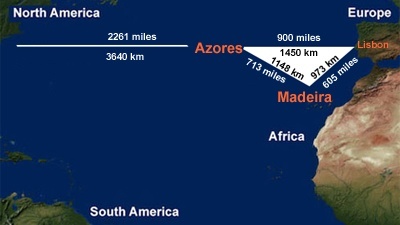
Where Are the Azores?
The Azores are a Portuguese archipelago in the North Atlantic Ocean, approximately 1,500 km (930 miles) west of Lisbon. The nine main islands stretch for more than 600 km and form the Autonomous Region of the Azores, one of Portugal’s two autonomous island regions.
All nine islands are volcanic in origin. Mount Pico on Pico Island reaches 2,351 m (7,713 ft), making it the highest point in Portugal.
A Short History of the Azores
The islands were settled by the Portuguese in the 15th century and became an important Atlantic stopover during the Age of Exploration. Their position between Europe and the Americas later gave them strategic importance in trade, navigation and military history. That heritage can still be seen in historic ports, churches, fortifications and towns such as Angra do Heroísmo.
Azores Climate
The Azores have a mild maritime climate. Conditions can change quickly, and sunshine, cloud and showers may occur in the same day. Travelers should plan for layers and light rain protection even when visiting during the warmer months.
Language
Portuguese is the official language. English is widely used in tourism, particularly in hotels, tour operations and other visitor services.
Quick reference
Azores at a Glance
- Islands
- 9 main islands
- Country
- Portugal
- Region
- Autonomous Region of the Azores
- Ocean
- North Atlantic
- Language
- Portuguese
- Currency
- Euro (€)
- Highest Point
- Mount Pico — 2,351 m / 7,713 ft
- Island Groups
- Eastern, Central & Western
- Largest Island
- São Miguel
Ways to travel
Popular Ways to Explore the Azores
There is no single right format for an Azores vacation. Choose the amount of independence, guidance and island-hopping that fits you.
Self-Drive Vacations
Combine prearranged accommodations with the flexibility of exploring by rental car.
Multi-Island Guided Tours
Connect several islands with guided sightseeing and the transportation logistics already organized.
Single-Island Guided Tours
Explore one island in greater depth while leaving daily touring and transportation planning to local specialists.
Active & Adventure Trips
Build the vacation around hiking, whale watching, canyoning, cycling, kayaking and other outdoor experiences.
Private Small-Group Travel
Travel with your own small group while a private guided itinerary handles the details.
Custom Vacation Planning
Use our planning service when your dates, island combination or travel style does not fit an existing package.
Planning with specialists
Why Plan Your Trip with Azores.com?
Azores.com has specialized in travel to the Azores since 1996. Our role is to help travelers move from researching islands to having a workable trip with the important pieces connected.
Destination Experience
Our focus on the Azores means the advice begins with the differences between the islands, not with a generic Portugal itinerary.
Multi-Island Logistics
Flights, ferries, rental cars, transfers and hotel changes can make island hopping complicated. We help organize those moving parts.
Different Ways to Travel
Choose self-drive, guided, active, private small-group or customized travel depending on how independent you want the trip to be.
A Person to Ask
When an itinerary needs a human decision, our travel specialists can help with questions about routing, timing and package options.
One Connected Plan
Instead of researching every component separately, you can bring accommodations, transportation and experiences together in one itinerary.
Start with Your Priorities
If you already know your dates or interests, use the Vacation Planner and let us build from there.
Common planning questions
Frequently Asked Questions About Visiting the Azores
Which Azores island is best for a first visit?
São Miguel is the most common starting point because it combines major volcanic sights, geothermal areas, towns, restaurants and a wide range of activities. Travelers with more time can add another island or choose a Central Group itinerary. Compare all nine in our Azores Islands guide.
How many days do I need in the Azores?
A week works well for exploring one island at a comfortable pace. Multi-island trips generally benefit from additional days so that transfers do not consume too much of the vacation. Compare realistic trip lengths in our How Many Days in the Azores? guide.
Do I need a rental car in the Azores?
A rental car is one of the most flexible ways to explore many islands, especially outside the main towns. Guided tours and private transportation are good alternatives for travelers who prefer not to drive. See our Getting Around the Azores guide for island-by-island transportation advice.
Can I visit several Azores islands in one trip?
Yes. Inter-island flights connect the archipelago, and ferries are especially useful on some shorter island routes. The best combination depends on your dates, season and how much time you want to spend transferring between islands. Our Azores Island Hopping guide compares realistic combinations and routing strategies.
When is the best time to visit the Azores?
The Azores can be visited year-round, but weather, daylight, sea conditions and activity schedules vary by season. For month-by-month planning, see our Azores Weather by Month guide before choosing dates.
What language and currency are used in the Azores?
The official language is Portuguese and the currency is the euro. English is widely used in the tourism industry. Our Azores Travel Essentials guide also covers cards, tipping, plugs, voltage, phones, Wi-Fi, time zone and other everyday practical details.
Can Azores.com plan a customized trip?
Yes. If an existing package does not fit your dates, island combination or preferred pace, start with our Vacation Planner and tell us what you have in mind.
Ready to turn research into a trip?
Plan Your Azores Vacation
Browse organized vacation packages or tell our Azores specialists the islands, dates and experiences you are considering.