Six days on Faial is enough time to see the island’s volcanic landscapes, Horta’s maritime culture, the Caldeira, Capelinhos, coastal swimming areas and whale-watching waters without rushing from stop to stop. A rental car gives independent travelers the most flexibility, but this itinerary is designed around short island-scale driving days rather than long road-trip mileage.
Faial is compact, yet the experience changes quickly from Horta’s marina to the high central caldera and the stark volcanic terrain at Capelinhos. Weather is the main variable, so the best itinerary is one that can move the Caldeira, whale watching and swimming to the clearest or calmest day.

Why Six Days Works Well on Faial
Faial is only about 21 km from east to west, but treating it as a one-day circuit misses much of what makes the island interesting. Six days gives you time for a clear-weather Caldeira visit, a separate Capelinhos day, whale watching, Horta and Porto Pim, the quieter north and east coasts, and at least one flexible day if Atlantic weather changes your plans.

| Day | Area | Main plan | Weather note |
|---|---|---|---|
| 1 | Horta & Porto Pim | Marina, historic center, Peter Café Sport, Porto Pim | Good arrival-day plan in mixed weather |
| 2 | West coast | Capelinhos, lighthouse, interpretation center, Varadouro | Best with reasonable visibility; swimming depends on sea conditions |
| 3 | Central Faial | Caldeira rim, Flamengos, Faial Botanic Garden | Move this day to the clearest forecast |
| 4 | Sea & Porto Pim | Whale watching, Porto Pim, whaling history | Boat departures depend on wind and sea state |
| 5 | North & east | Ribeirinha, Cedros area, coastal viewpoints, Praia do Almoxarife | Useful alternative when the highlands are clouded |
| 6 | Horta & flexible favorites | Museums, marina, Monte da Guia, shopping or missed sights | Keep some flexibility for anything weather-delayed |
Where to Stay: Horta Is the Most Practical Base
For a six-day visit, Horta is usually the easiest base. You are close to restaurants, the marina, Porto Pim, museums and whale-watching departures, while the airport and the island’s main roads remain within easy reach. Staying in one hotel also avoids wasting time changing accommodation on a small island.
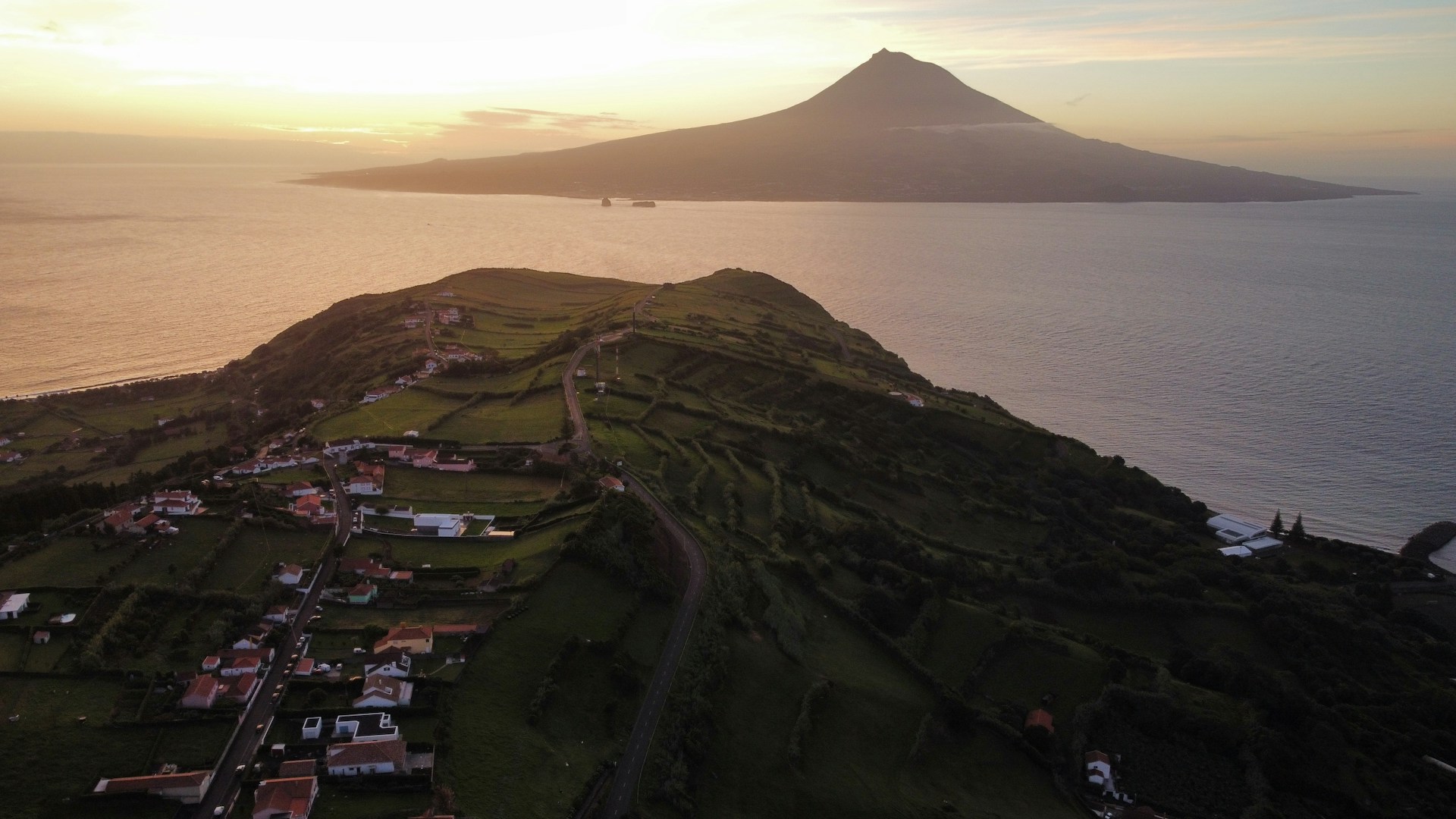
On clear days, Pico dominates the view across the channel. If you are considering combining Faial with Pico, build that as a separate island-hopping decision rather than treating Pico as a guaranteed same-day add-on; ferry schedules, weather and your goals on Pico all matter.
Day 1: Horta, the Marina and Porto Pim
Use your first day to settle into Horta rather than driving immediately around the island. Walk the marina and its painted breakwater, where generations of visiting sailors have left murals before continuing across the Atlantic. Then explore the waterfront and historic center before heading toward Porto Pim.

Peter Café Sport remains one of Horta’s best-known meeting points and a natural stop while exploring the waterfront. Nearby, the Scrimshaw Museum and the broader whaling heritage of Horta help explain the island’s transition from commercial whaling to modern cetacean observation.
If you still have daylight, walk toward Porto Pim Bay or Monte da Guia. These are easy places to revisit later in the week if arrival times or weather make the first day short.
Day 2: Capelinhos and Faial’s West Coast
Drive west toward Capelinhos, the landscape created by the 1957–58 eruption that dramatically extended this end of Faial. The contrast with the rest of the island is immediate: dark ash and volcanic material replace the pasture and vegetation seen elsewhere.
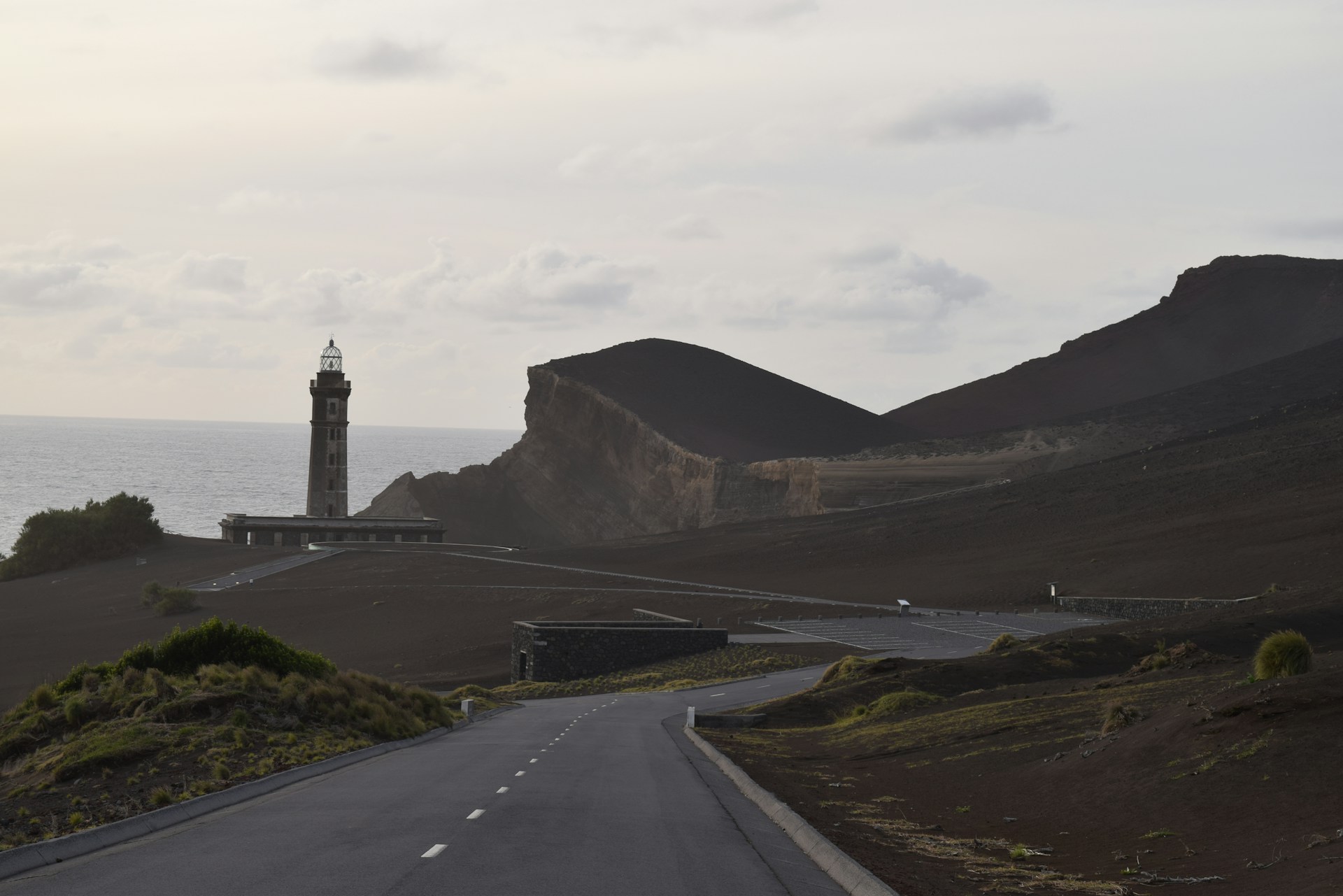
The Capelinhos Volcano Interpretation Centre was built largely underground so it would not dominate the eruption landscape. Its exhibitions explain the eruption, volcanic activity and the history of Azorean lighthouses. Opening arrangements can change, so check the current schedule before building the day around an indoor visit.
Continue along the west coast toward Varadouro if conditions suit a swim or coastal stop. Natural pools in the Azores are ocean environments, not controlled swimming pools: wind, swell and local warnings should determine whether you enter the water.
For more geological context before this day, see our Azores volcano guide.
Day 3: Faial Caldeira, Cabeço Gordo and Flamengos
Save the central highlands for your clearest day. Faial’s Caldeira is roughly 2 km in diameter and sits high enough that cloud can hide the view even when Horta is sunny.
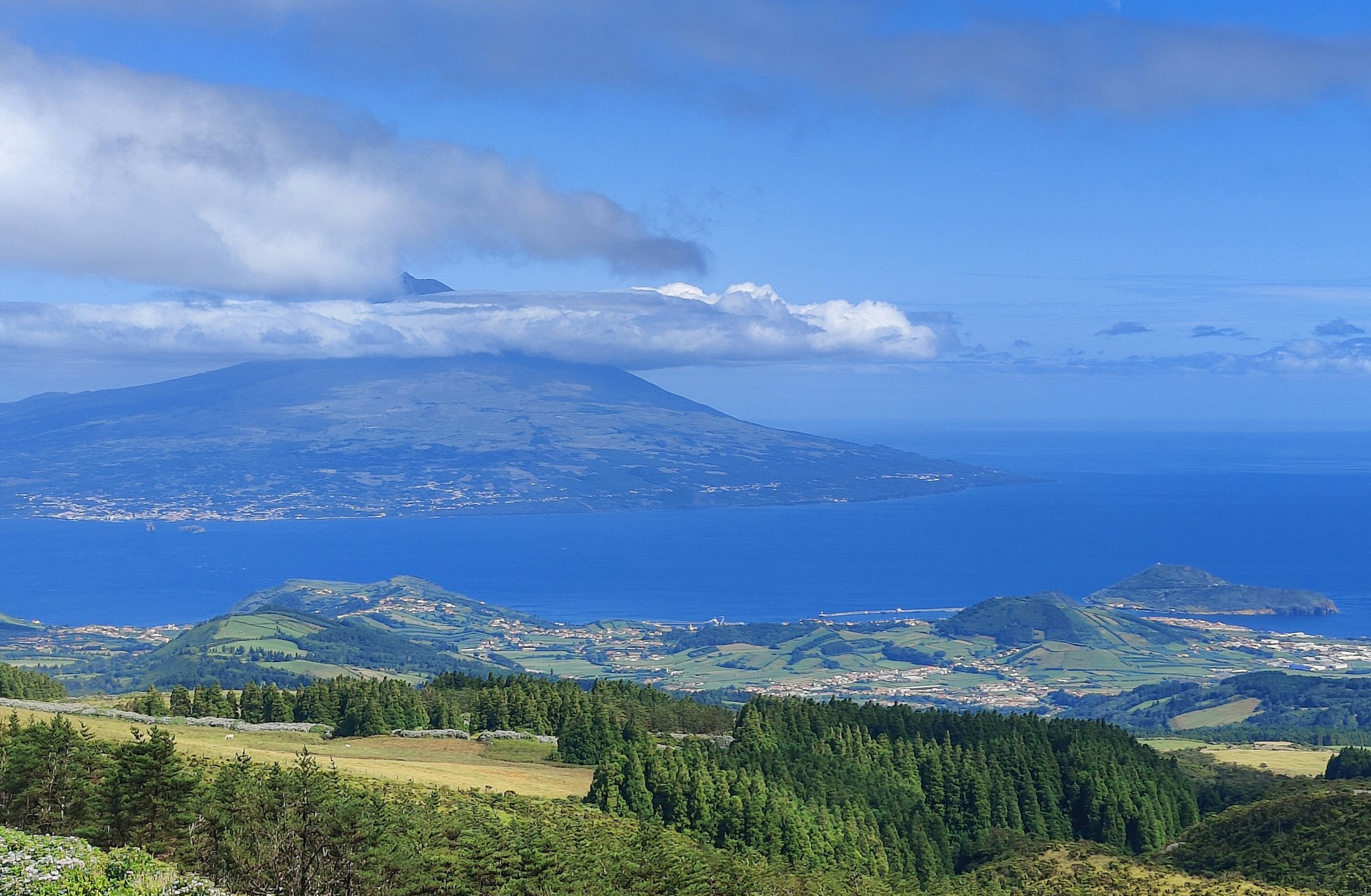
The official Caldeira trail (PRC04FAI) is a circular route of 6.8 km, rated Easy, with an average walking time of about 2 hours 30 minutes. It runs between roughly 840 and 1,040 meters in elevation, and the official trail guidance specifically recommends doing it in good weather and visibility.
After the highlands, descend toward Flamengos and the Faial Botanic Garden. The garden is more than an ornamental stop: its work includes conservation and study of Azorean natural flora, environmental education and the Azores Seed Bank. It is a useful complement to a day spent seeing native vegetation around the Caldeira.
If hiking is a major part of your trip, also compare the island’s other official routes in our Azores hiking guide.
Day 4: Whale Watching and Porto Pim’s Whaling History
Reserve part of this day for whale watching from Horta. Sperm whales and several dolphin species are associated with the Azores throughout the year, while the mix of migratory species changes seasonally. No wildlife sighting should be treated as guaranteed, and departures depend on sea conditions.

After the boat trip, return to Porto Pim. The Fábrica da Baleia de Porto Pim preserves almost all of the original machinery from the former whaling factory, and its permanent collection explains how sperm whales were processed for oil and other products. The site also includes a real female sperm-whale skeleton.
This combination makes Day 4 especially valuable: you experience living cetaceans at sea and then see how Faial’s relationship with whales changed from hunting to observation, science and conservation.
Day 5: Ribeirinha and the Quieter North and East Coasts
Use Day 5 for the side of Faial that receives less attention than Horta, the Caldeira and Capelinhos. Drive toward Ribeirinha and continue through the north and east coast, stopping when visibility and road conditions make a viewpoint worthwhile.
If you want a structured walk, the official Ribeirinha trail (PRC09FAI) is an 8.3 km circular route rated Easy, with an average time of about 2 hours 30 minutes. It crosses one of the oldest parts of Faial and passes through a landscape shaped by faults, volcanic cones and the island’s 1998 earthquake history.
Finish around Praia do Almoxarife if the weather is pleasant. From this side of the island, Pico can dominate the horizon on a clear day. The point of this day is not to accumulate attractions; it is to experience Faial away from the island’s three most famous stops.
Day 6: Horta Culture, Monte da Guia and Anything You Missed
Keep the final full day flexible. If weather disrupted the Caldeira, Capelinhos or whale watching earlier in the trip, use this day as your recovery window. Otherwise, spend more time in Horta.
Good choices include the Horta Museum, the Scrimshaw Museum, another walk around the marina, Porto Pim, Monte da Guia or a return to a favorite coastal viewpoint. The Entre Montes area links Horta, Porto Pim and Monte da Guia and gives useful context for the city’s maritime and whaling history.
If your trip is seven calendar days with six nights, Day 7 is simply departure: allow enough time for your drive to Horta Airport, fuel arrangements and rental-car return.
Faial Self-Drive Tips
Should You Drive or Take a Guided Faial Tour?
A rental car is a strong choice for travelers who are comfortable driving independently and want to move viewpoints around the weather. A guided itinerary is better for travelers who prefer not to drive, want historical and geological interpretation, or would rather have airport transfers and scheduled sightseeing arranged.
Azores.com currently offers a private guided Faial vacation. That is a different product from the self-drive itinerary described in this article, so use the live package page for its current dates, rates and inclusions rather than relying on old blog pricing.
Faial Itinerary FAQs
Is six days too long for Faial?
No. Travelers who only want a quick island circuit can see the major sights faster, but six days gives you useful weather flexibility and time for hiking, whale watching, museums, swimming and quieter parts of the island.
Do I need a rental car on Faial?
You do not absolutely need one if you arrange private touring and transfers, but a rental car gives independent travelers the easiest access to the Caldeira, Capelinhos and the island’s dispersed coastal stops.
How long is the Faial Caldeira trail?
The official PRC04FAI Caldeira route is 6.8 km, circular, rated Easy and listed at about 2 hours 30 minutes. Do it in good visibility and check the official trail status before leaving.
Can I whale watch from Faial?
Yes. Horta is a major base for whale- and dolphin-watching excursions. Species vary through the year, and every departure is subject to marine conditions and wildlife movement.
Can I visit Pico while staying on Faial?
Yes, Faial and Pico are closely linked, but whether a day trip makes sense depends on ferry schedules, weather and what you want to do on Pico. If climbing Mount Pico or exploring the island in depth is important, give Pico its own nights rather than squeezing it into a rushed excursion.
What should I prioritize if the weather turns bad?
Keep Horta museums, the marina, Porto Pim and the Faial Botanic Garden as flexible alternatives. Save the Caldeira for a clearer window and allow whale-watching operators to make the safety decision at sea.
Planning Faial as part of a larger Azores trip? Compare current packages or tell our travel specialists how many days you have and whether you prefer self-drive or private guided touring.
Compare Azores Packages Plan My Azores Vacation
António Coelho has served as Managing Director of Portugal Online Corp., Azores.com, an Azores travel and tour company, since 1996. Born in the Azores and now based in California, António helps create exceptional Azorean travel experiences tailored to the U.S. and Canadian markets. He is also a travel writer, photographer, and contributor to Azores.com, where he produces regional guides, itineraries, and practical travel advice. His published work highlights outdoor adventures, family travel, and wildlife watching across the nine Azorean Islands, helping travelers explore the destination with confidence and insight.