Tracing Azorean ancestry often begins with one small clue: a surname, a parish name, an old baptism certificate, or a family story about an island your grandparents called home. Today, much of the first stage of that research can be done before you travel. A visit to the Azores becomes most valuable once you have narrowed the search to an island, municipality, parish, or family line.
This guide explains how to research Azorean family roots from the United States or Canada, which records can help, how migration shaped Azorean communities in North America, and how to turn genealogical research into a meaningful heritage trip.
Azorean Migration to North America
Azorean migration created enduring communities in southeastern New England, California, Ontario and Québec. Different islands and migration periods contributed to those communities in different ways, so a family’s North American location can provide a clue — but it should never be treated as proof of island origin.
New England
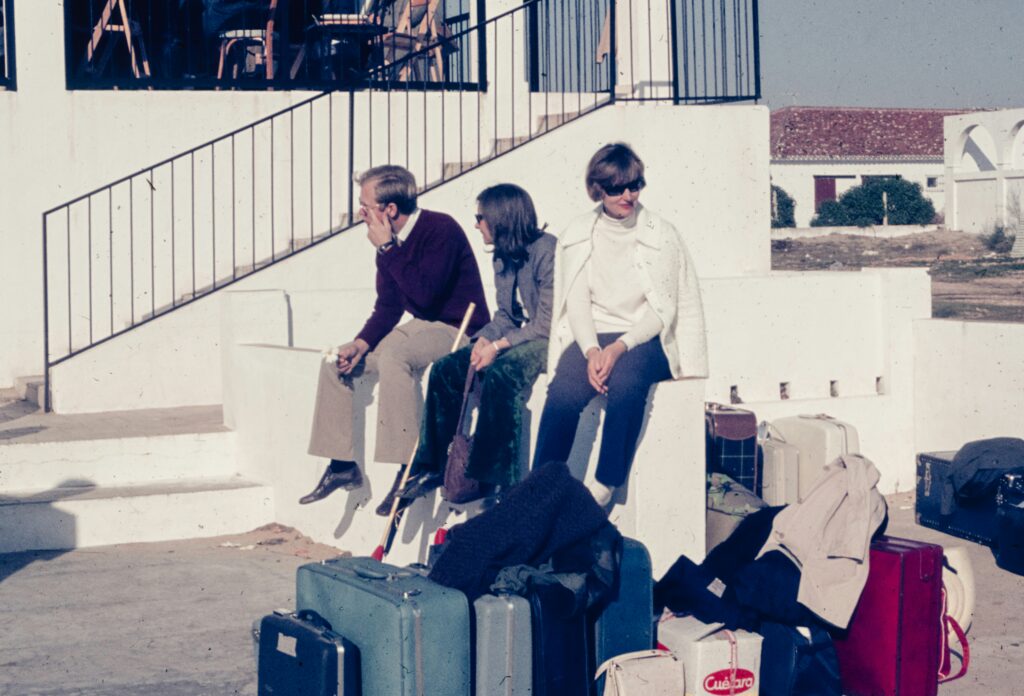
Fall River, New Bedford and surrounding Massachusetts and Rhode Island communities became major centers of Portuguese and Azorean life. Maritime employment, industrial work and later family migration all contributed to the region’s strong Azorean identity.
California
Azorean immigrants also established communities in the Bay Area and Central Valley, including families connected with agriculture and dairying. The National Park Service documents Azores Islands-Portuguese families among the ranching communities at Point Reyes.
Canada
Toronto and other Ontario communities, along with Montréal and surrounding Québec communities, developed substantial Portuguese and Azorean populations, particularly during the postwar decades and through family reunification.
Why Azoreans Left the Islands
There was no single Azorean migration story. Economic opportunity, maritime networks, agricultural change, family connections and, in one important period, natural disaster all played roles.
The maritime and whaling connection
From the eighteenth and nineteenth centuries onward, Atlantic shipping and New England whaling helped connect Azorean islands with ports such as New Bedford. Sailors and later family networks contributed to permanent Portuguese-Azorean communities in southern New England.

Agriculture, industry and chain migration
Later migrants followed relatives and employment opportunities into New England industry and California agriculture. At Point Reyes, for example, the National Park Service records Azores Islands-Portuguese families among the immigrant ranching communities that worked the peninsula’s historic dairies.
Capelinhos and the late-1950s migration
The 1957–58 Capelinhos eruption on Faial devastated farmland and communities and became a major turning point in Azorean emigration. U.S. immigration legislation created new opportunities for Azoreans to enter the United States, accelerating family migration to established Portuguese communities.
How to Trace Your Azorean Family Roots
You do not need to arrive in the Azores before beginning serious research. Large collections of Azorean Catholic parish records have been digitized, and FamilySearch currently provides a collection of baptisms, marriages and deaths from Azorean parishes dating from the sixteenth century onward. Not every record is indexed, and coverage varies by parish and period, but online research can often identify the island and parish you need before you travel.

Write down full names, maiden names, approximate birth and marriage dates, spouses, siblings, religion, and every remembered island, municipality, parish or village name.
Naturalization files, passenger records, marriage and death certificates, obituaries, cemetery records and church registers may identify a Portuguese birthplace more precisely than later family memories do.
A parish is often the key that unlocks the correct baptism, marriage and burial registers. Do not rely on surname geography alone.
FamilySearch has extensive Azorean Catholic church records, including images that may not yet be fully name-indexed. Original registers may contain parents, grandparents, godparents, witnesses, occupations and places of residence.
Confirm each generation with records where possible. Shared surnames alone do not establish a family relationship.
Once you know the parish or village, visiting can add cemetery research, local history, family properties, churches, museums and — where appropriate and verifiable — introductions to local contacts or relatives.
What Azorean Parish Records Can Tell You
Azorean Catholic registers can be extraordinarily detailed. Depending on the record and period, baptisms may identify parents and grandparents; marriage records can include birthplaces, parents, occupations and witnesses; and death records may record residence, marital status, spouse or parent information and burial details.
Some parish series reach back into the 1500s, while others begin later because the parish was established later or earlier records did not survive. That is why it is safer to research the specific parish than to promise that every Azorean family line can be traced to the same century.
Which Azorean Island Is Your Family From?
North American settlement patterns can suggest where to investigate, but they are clues rather than rules. Families moved between islands, emigrants from several islands settled in the same North American cities, and later generations often intermarried. Use community history to focus a search, then confirm the connection with documentary records.
| Island | Useful heritage context | What to research |
|---|---|---|
| São Miguel | Strong historic links with southeastern New England and later North American migration | Parish of origin, baptism/marriage records, civil records and family migration documents |
| Faial | Long maritime history and the major post-Capelinhos migration period | Parish records, emigration documents and Capelinhos-era family history |
| Pico | Strong maritime and whaling heritage with longstanding New England connections | Parish registers and family links to maritime communities |
| Terceira | Important North American diaspora connections, including California communities | Parish and civil records, family/community histories |
| São Jorge | Historic maritime and agricultural migration networks | Parish records and documented family connections |
| Graciosa | Smaller island with a significant overseas diaspora | Specific parish and civil records rather than surname assumptions |
| Santa Maria | Centuries of migration within and beyond the archipelago | Parish, civil and migration records |
| Flores | Small communities with substantial emigration over time | Parish and civil records; confirm locality carefully |
| Corvo | Very small community where documented family lines can be especially interconnected | Parish/civil records and carefully documented kinship |
Can You Find Living Relatives in the Azores?

Sometimes — but it should never be promised. If you can document an ancestor to a particular parish and identify siblings or collateral family lines that remained in the Azores, local research may make it possible to trace descendants. The likelihood depends on the quality of the records, how common the surname is, migration within the islands and privacy considerations around living people.
A good ancestry trip therefore begins with evidence rather than an expectation of a reunion. Even when no living relative can be identified, visiting an ancestral parish can still be deeply meaningful: you can see the church where family events were recorded, explore the landscape your ancestors knew and understand the geography behind names that previously existed only on documents.
What to Gather Before an Azores Ancestry Trip
- Full names, including women’s maiden names
- Approximate birth, marriage and death dates
- Names of spouses, siblings, parents and grandparents
- Naturalization papers and immigration records
- Passenger lists or ship information
- North American baptism, marriage and burial records
- Obituaries, cemetery photographs and family Bibles
- Old letters, postcards and photographs with place names
- Any remembered Azorean island, municipality, parish or village
- Copies of records you have already confirmed, with sources noted
Consumer DNA results can provide additional clues and help identify genetic matches, but DNA ethnicity estimates should not be treated as proof that a family came from a particular Azorean island. Documentary research remains essential.
When to Visit the Azores for Heritage Travel
An ancestry-focused trip can work in any season, but the best timing depends on what else you want to experience. Spring through early autumn offers longer days for exploring ancestral villages, cemeteries and landscapes. Religious and community festivals can add powerful cultural context when their dates align with your trip.
Holy Spirit festivities (Festas do Espírito Santo) are celebrated throughout the archipelago, with dates and local traditions varying by island and parish. If a particular family or parish celebration matters to you, verify that year’s dates before booking around it.
Planning a Heritage Trip Around Your Family History

A heritage itinerary works best when genealogy determines the geography. If your research points to São Miguel, spending meaningful time in the correct municipality and parish may matter more than adding another island. If documented branches lead to Faial, Pico and Terceira, a multi-island itinerary can make sense — provided enough time is allowed for both research and travel.
Azores.com can help combine family-history goals with the practical travel pieces: accommodations, transportation, private guiding and time in the places connected with your research. Genealogical discoveries cannot be guaranteed, so the itinerary should remain worthwhile even if a particular record, property or living relative cannot be found.
Tell us what you already know — surname, island or parish if known, approximate dates, and the places you want to explore. Use the Azores Vacation Planner to start building an itinerary around your family’s documented connections.
Frequently Asked Questions
How do I find which Azorean island my family came from?
Start with records created closest to your immigrant ancestor: naturalization documents, passenger records, marriage and death certificates, obituaries and church records. Look for an island, municipality, parish or village. Once you have a likely parish, compare it with Azorean baptism and marriage records rather than relying on the surname alone.
How far back do Azorean genealogy records go?
It varies by parish. FamilySearch’s Azores Catholic Church Records collection includes baptisms, marriages and deaths beginning in the sixteenth century, and individual parish collections can extend into the 1500s. Survival and coverage are not identical everywhere.
Are Azorean parish records available online?
Many are. FamilySearch has digitized a very large collection of Azorean Catholic church records. Some records are indexed by name; others require browsing images. Additional civil and archival material may be available through Portuguese and Azorean archival systems.
Can a surname tell me which Azorean island my family is from?
Usually not by itself. A surname may be common in a particular locality, but the same names occur on multiple islands and family lines moved over time. Treat surname distribution as a clue and confirm the connection with records.
Can I find relatives who still live in the Azores?
It may be possible when you have a well-documented family line and can trace relatives who remained on the islands. It is not guaranteed, and research involving living people should respect privacy. Even without a reunion, identifying the ancestral parish can make a heritage visit meaningful.
Sources and research resources
Genealogy collections continue to grow, and archive access can change. These resources were reviewed in September 2026 and are useful starting points for verifying records and historical context:
- FamilySearch — Portugal, Azores, Catholic Church Records, 1542–2019
- National Park Service — Ranching History at Point Reyes
- U.S. Census Bureau — American Community Survey Ancestry Data
- Visit Azores — Official Tourism Information
Last reviewed: September 2026.

Eunice Costa has served as Travel Director of Portugal Online Corp., Azores.com (Azores Travel and Tours) since 1996. Born in the Azores and now based in California, she brings more than 30 years of experience promoting the Azorean Islands and creating thoughtfully designed tour packages, especially tailored for the U.S. and Canadian markets, that combine exceptional experiences with great value. Through her contributions to the Azores.com blog, Eunice shares her deep knowledge and passion for all nine Azorean Islands, helping travelers discover the very best of this unique destination.