The Azores and Iceland are both volcanic North Atlantic destinations, but they suit very different trips. Iceland is the stronger choice for glaciers, the Northern Lights, dramatic winter scenery and a larger international tourism network. The Azores are better suited to travelers who want a milder maritime climate, green crater landscapes, whale watching, ocean swimming, geothermal experiences and the option to combine several small islands.
The useful question is not which destination is universally “better.” It is which one matches the season, activities and pace you want.
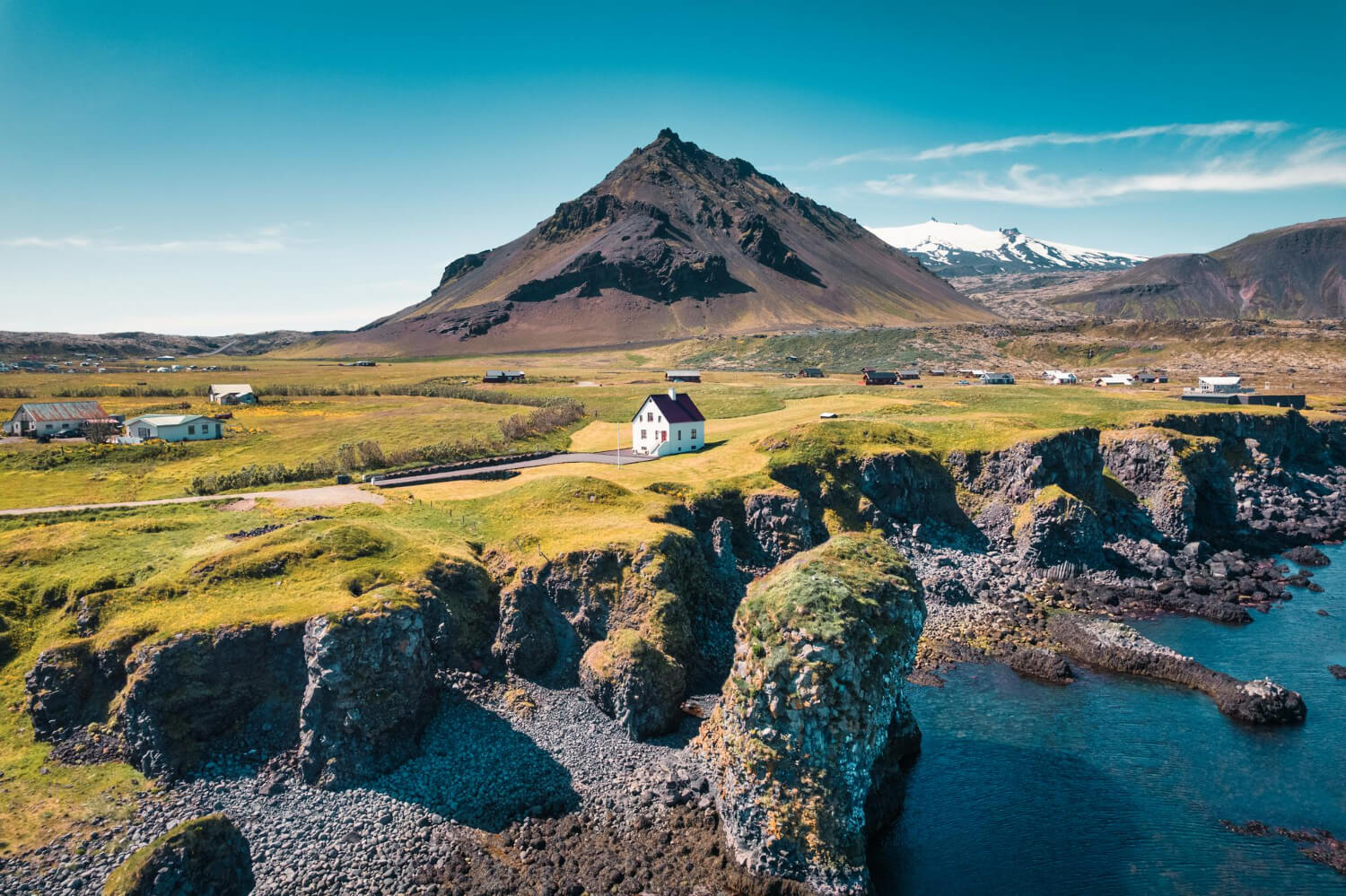 Arnarstapi fishing village with a Nordic house and Stapafell Mountain by basalt formations on the Snæfellsnes Peninsula, Iceland.
Why the Azores Are Not Simply “the New Iceland”
The comparison is understandable. Both destinations have volcanic landscapes, crater features, hot springs, black-rock coastlines and strong outdoor appeal. But the similarity becomes much weaker once you compare climate, scale, culture and the way a trip is structured.
Iceland is one large island with several distinct regions and a well-developed road-trip circuit. The Azores are nine inhabited volcanic islands spread across three geographic groups, so a multi-island vacation requires inter-island flights, selected ferry routes and more deliberate pacing.
The landscapes also feel different. Iceland combines lava fields, glaciers, waterfalls, geothermal areas and broad treeless terrain. The Azores are generally greener and more humid, with crater lakes, pasture, hydrangea-lined roads, remnants of native laurel forest, volcanic coast and Atlantic villages.
Rather than thinking of the Azores as a substitute for Iceland, treat them as a different Atlantic experience with some shared volcanic DNA. If volcanic landscapes are central to your trip, see our guide to volcano experiences in the Azores.
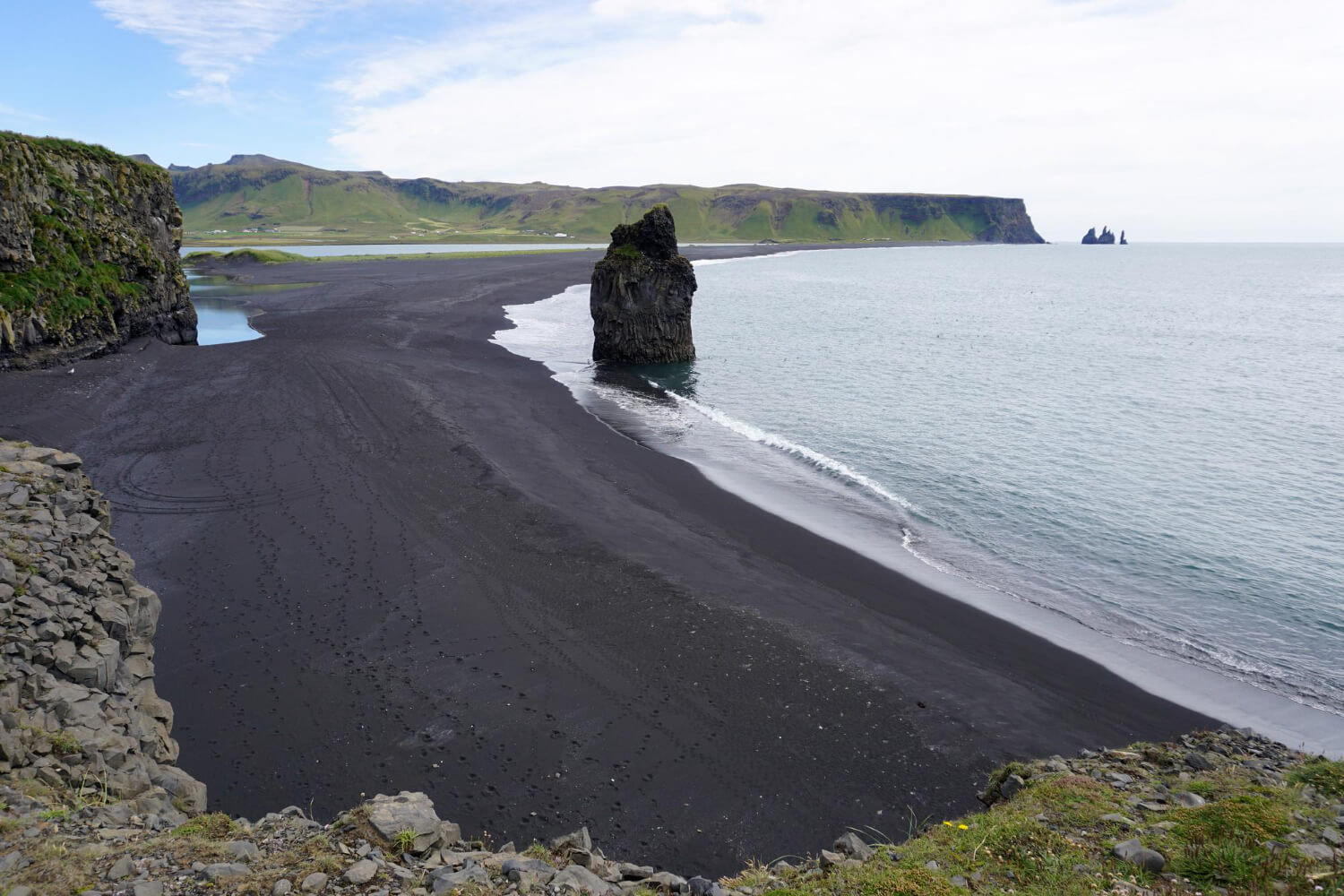 Reynisfjara black beach in iceland single rock and cliffs.
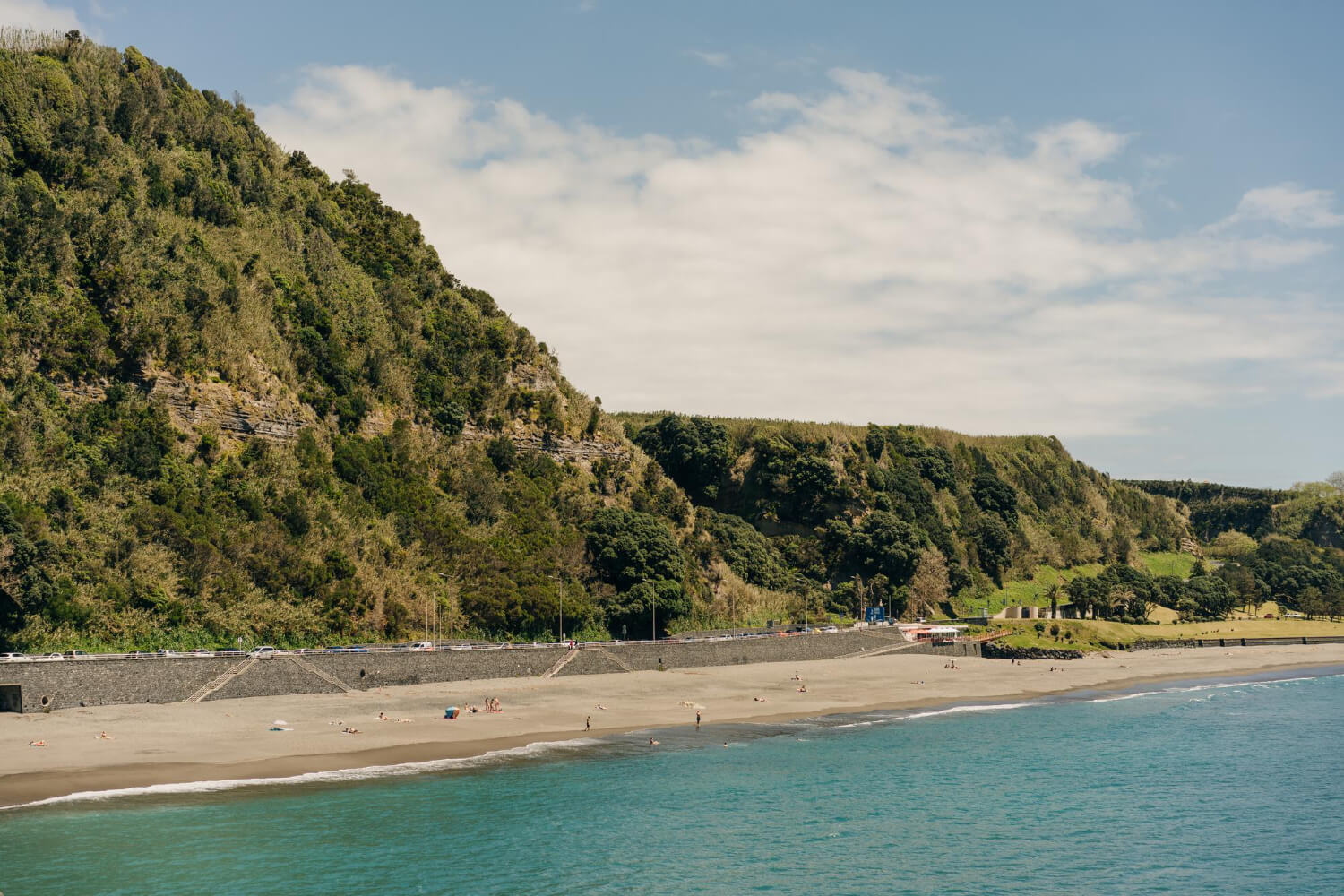 Agua d’alto beach at sao miguel island azores portugal.
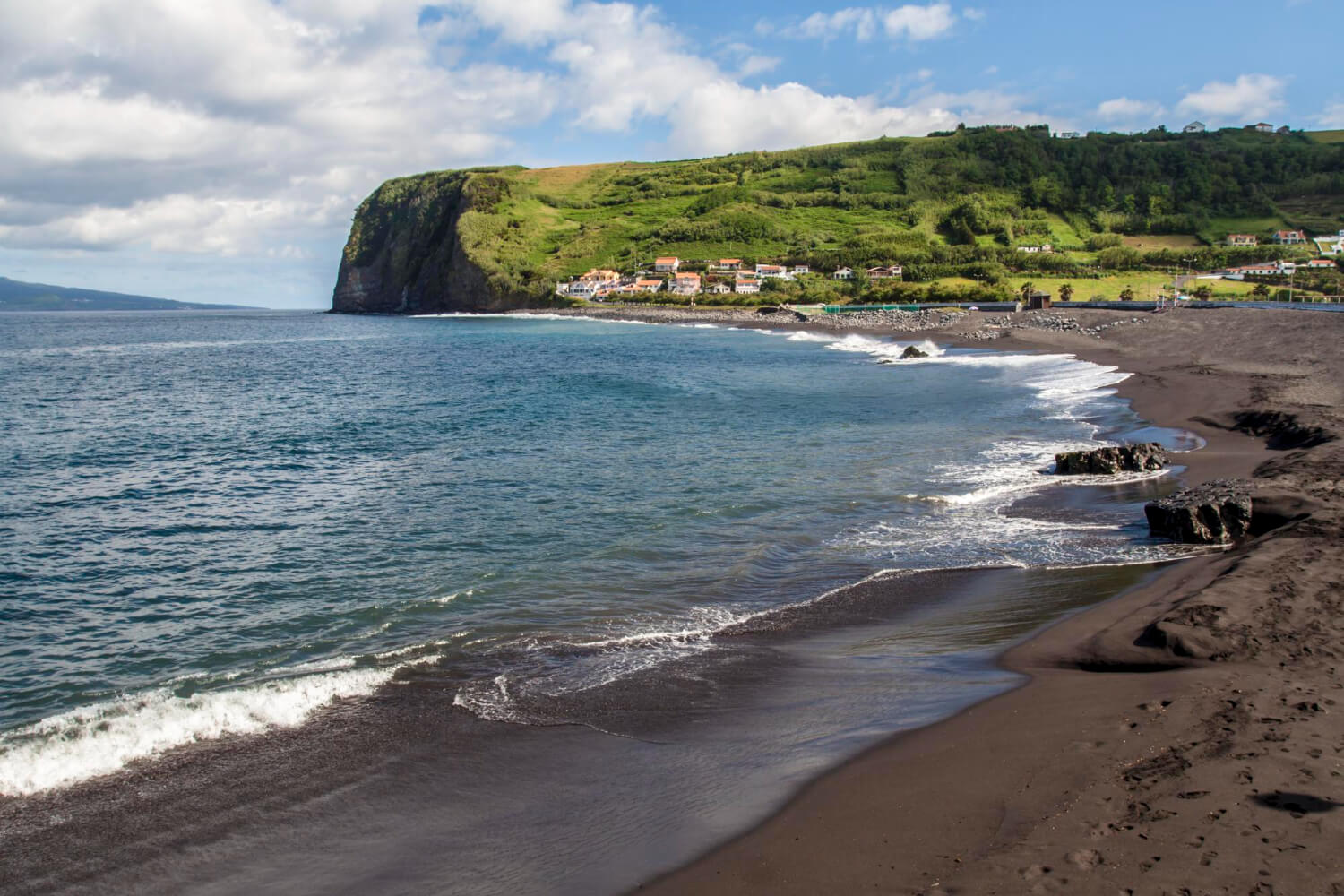 Landscape of the coast of the atlantic ocean with waves sunny summer day in the azores.
Azores vs Iceland at a Glance
| Trip factor | Azores | Iceland |
|---|---|---|
| Landscape | Green volcanic islands, crater lakes, geothermal valleys, high Atlantic cliffs | Glaciers, lava fields, waterfalls, black beaches, geothermal landscapes |
| Climate | Mild maritime conditions; warmer summers and ocean swimming | Cooler conditions, stronger winter contrast and much colder ocean water |
| Wildlife draw | Whale and dolphin watching, with resident and migratory cetaceans | Whale watching, seabirds and Arctic or sub-Arctic wildlife experiences |
| Winter highlight | Hot springs, green scenery, quieter travel and variable Atlantic weather | Northern Lights, snow and glacier-focused winter experiences |
| Summer highlight | Hiking, swimming, whale watching and island hopping | Very long daylight, road trips, hiking and highland access |
| Trip structure | One island or a multi-island itinerary | Regional touring on one large island |
For weather, the difference is significant. In the Azores, typical summer daytime conditions on the main islands often reach the low-to-mid 20s°C, while late-summer sea temperatures can reach roughly 23–24°C. Conditions still vary by island and elevation, and cloud, rain and wind can change quickly.
Iceland is substantially cooler and offers experiences the Azores cannot reproduce, especially glaciers, winter snow landscapes and high-latitude darkness for aurora viewing. In return, the Azores provide a longer season for comfortable coastal sightseeing, swimming and green-landscape travel.
For marine wildlife, avoid treating any sighting percentage as a guarantee. Whale and dolphin watching is available around several Azores islands, with the mix of species changing through the year. Our current Azores whale-watching guide explains the strongest seasonal patterns and the best islands for planning a trip.
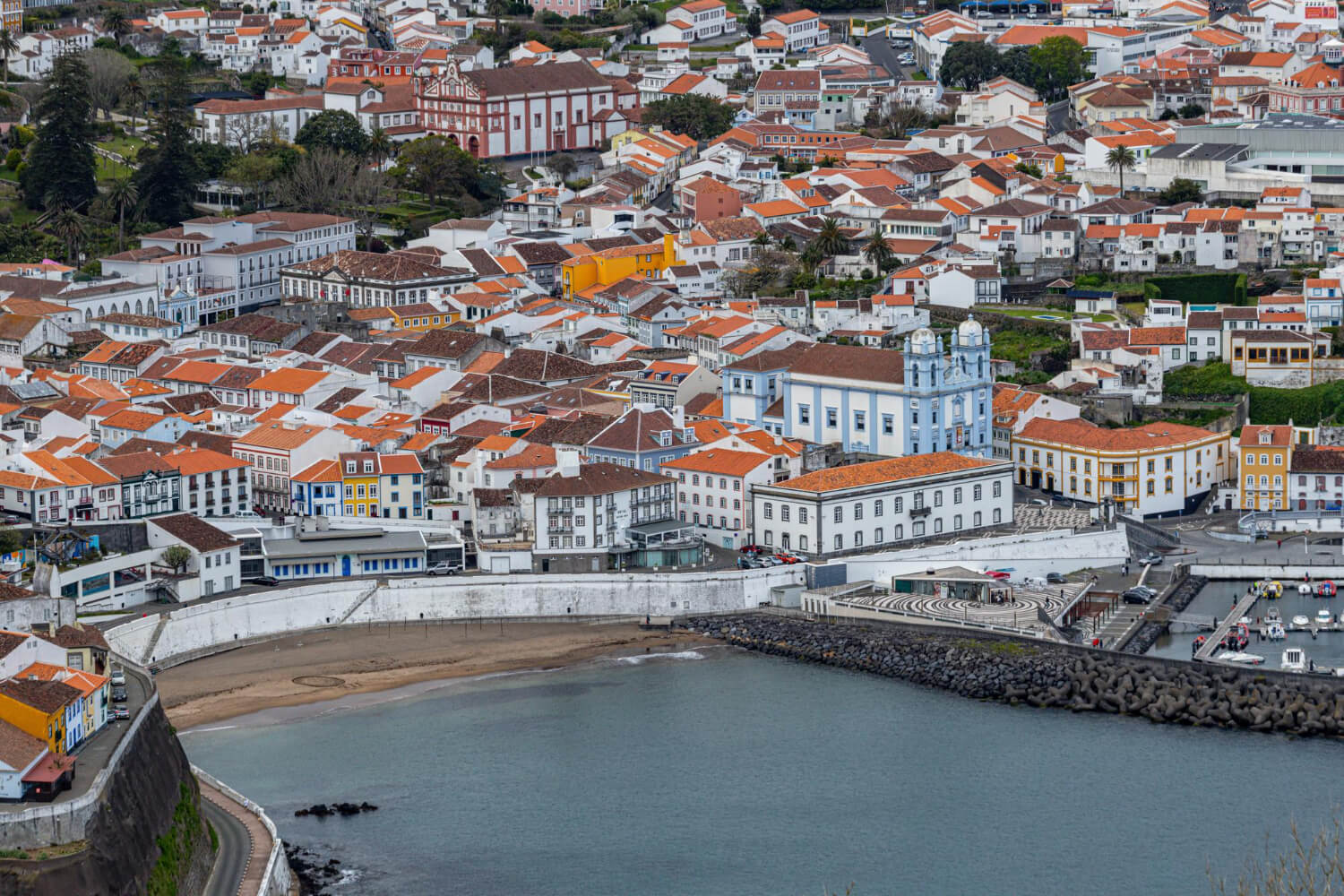 Aerial view of Angra do Heroísmo on Terceira Island, Azores, Portugal.
Where Iceland Has the Clear Advantage
Northern Lights: If the aurora is one of the main reasons for the trip, choose Iceland. Its latitude and long dark nights make it a genuine Northern Lights destination. The Azores are too far south to be planned as an aurora trip.
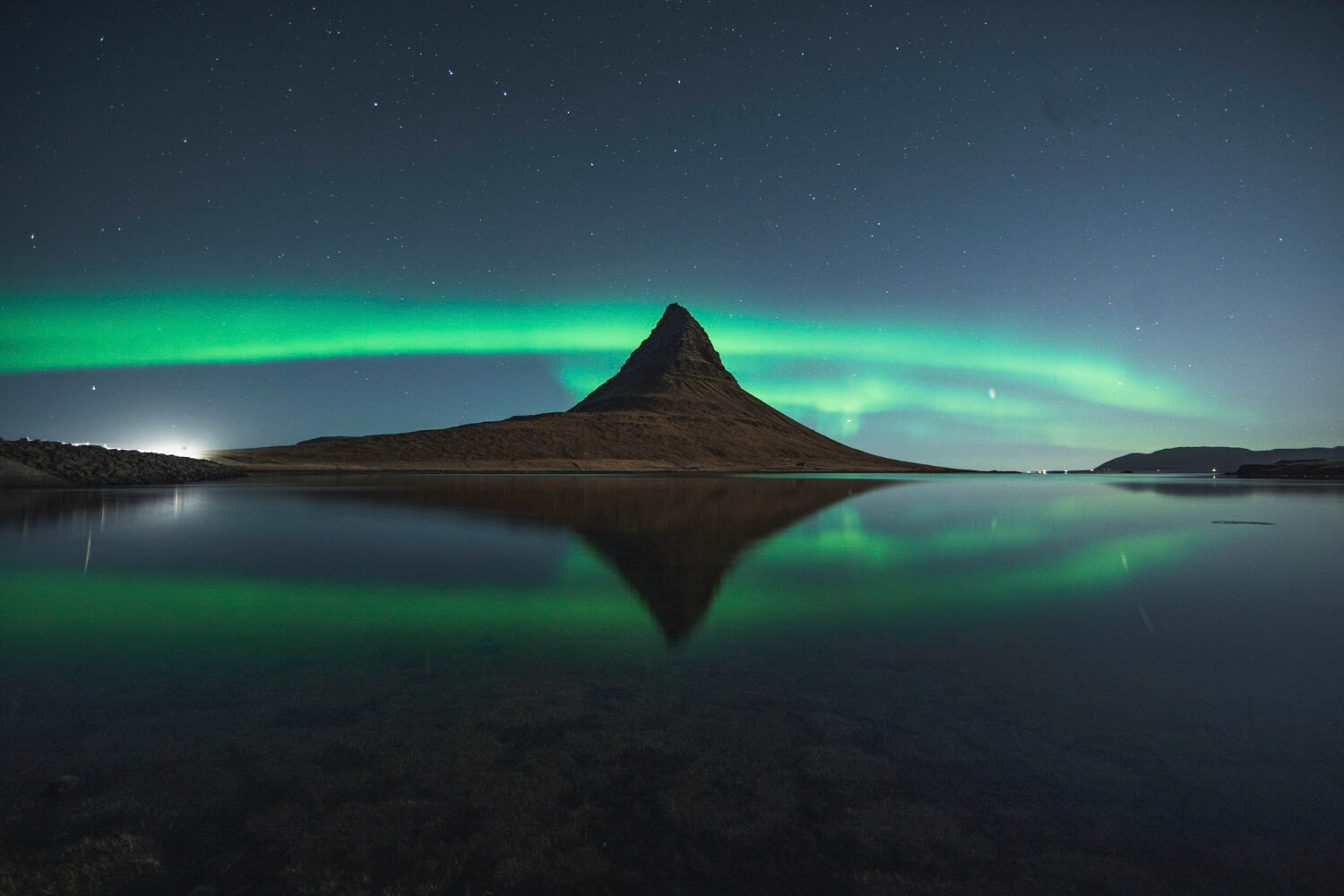 Kirkjufell northern lights, iceland.
Glaciers and ice: Iceland offers glacier walks, glacier lagoons, ice-cave experiences and vast ice caps. These are defining Iceland experiences with no Azores equivalent.
Summer daylight: Iceland’s high latitude produces exceptionally long summer days. That makes long road-trip and hiking days possible during the brightest part of the year.
Capital-city experience: Reykjavík provides a larger museum, dining, nightlife and cultural scene than any city in the Azores. Ponta Delgada is an appealing island base, but it should not be sold as a substitute for Reykjavík.
Single-island road trip: Travelers who want one continuous road journey without flights or ferries between islands may find Iceland simpler to understand. The Azores can be very easy on one island, but a multi-island itinerary adds another layer of logistics.
Where the Azores Have the Clear Advantage
Milder outdoor conditions: The Azores are generally warmer than Iceland, particularly for travelers who want hiking, sightseeing and ocean activities without a cold-weather focus. Weather is still changeable, so “mild” should never be confused with guaranteed sunshine.
Ocean swimming: Summer ocean temperatures in the Azores can reach the low-to-mid 20s°C, and the islands have beaches, sheltered bathing areas and volcanic natural pools. Sea conditions still matter every day.
Whale watching: Marine wildlife is one of the Azores’ signature experiences. Sperm whales and several dolphin species can be encountered year-round, while large baleen whales such as blue, fin and sei whales are especially associated with spring. Sightings always depend on wildlife and sea conditions.
Geothermal food and bathing: Furnas on São Miguel combines fumaroles, hot springs, gardens and the tradition of cozido cooked using geothermal heat. It is a different geothermal experience from Iceland’s spa-and-geyser circuit rather than a direct substitute for it.
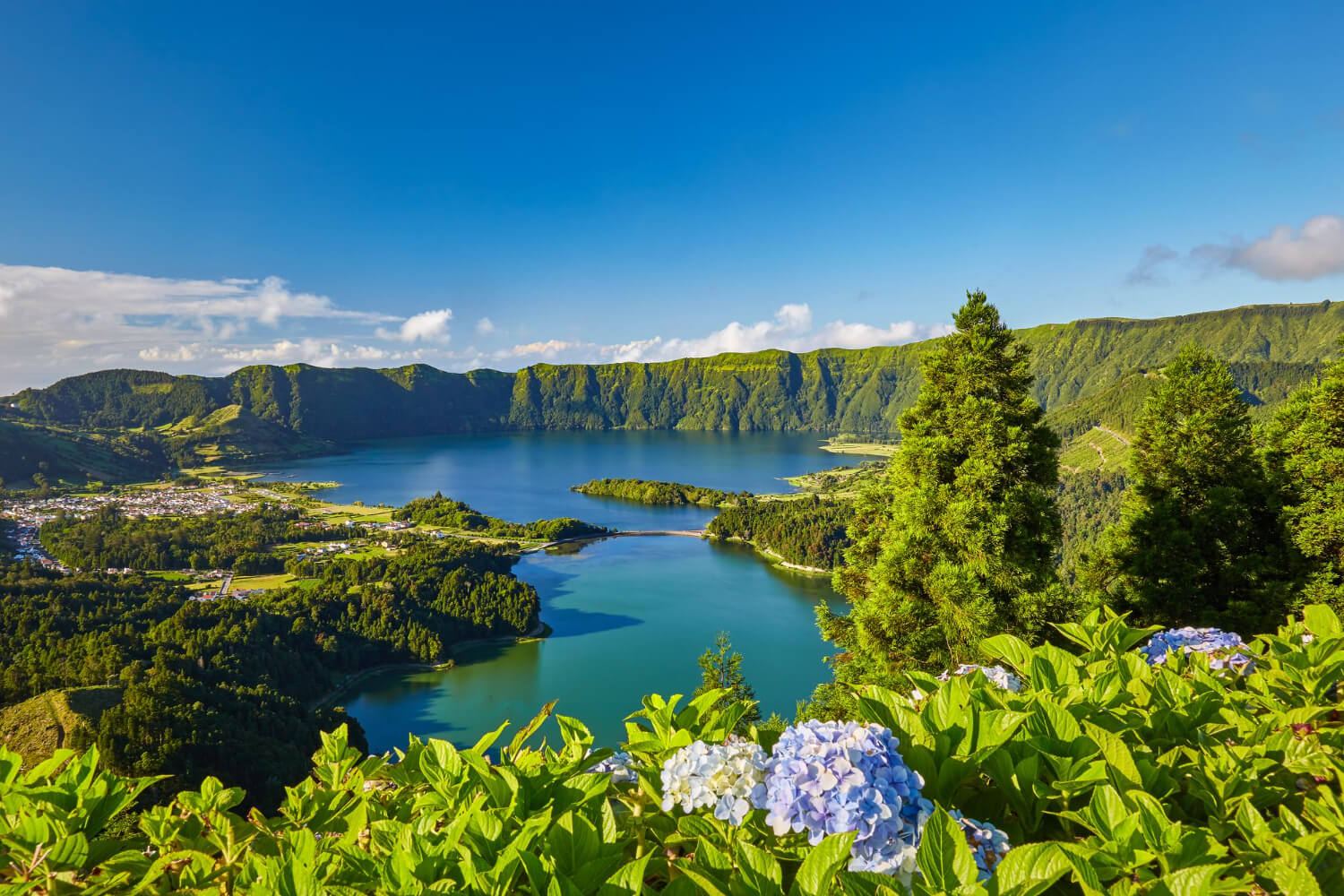 Lagoa das 7 Cidades
Multi-island variety: The nine Azores islands are not interchangeable. São Miguel is the broadest first-time base; Pico is defined by its mountain and vineyard landscape; Faial by Horta and Atlantic sailing history; Terceira by Angra do Heroísmo and culture; São Jorge by fajãs; and Flores by waterfalls and remote scenery. Our nine-island guide compares them in detail.
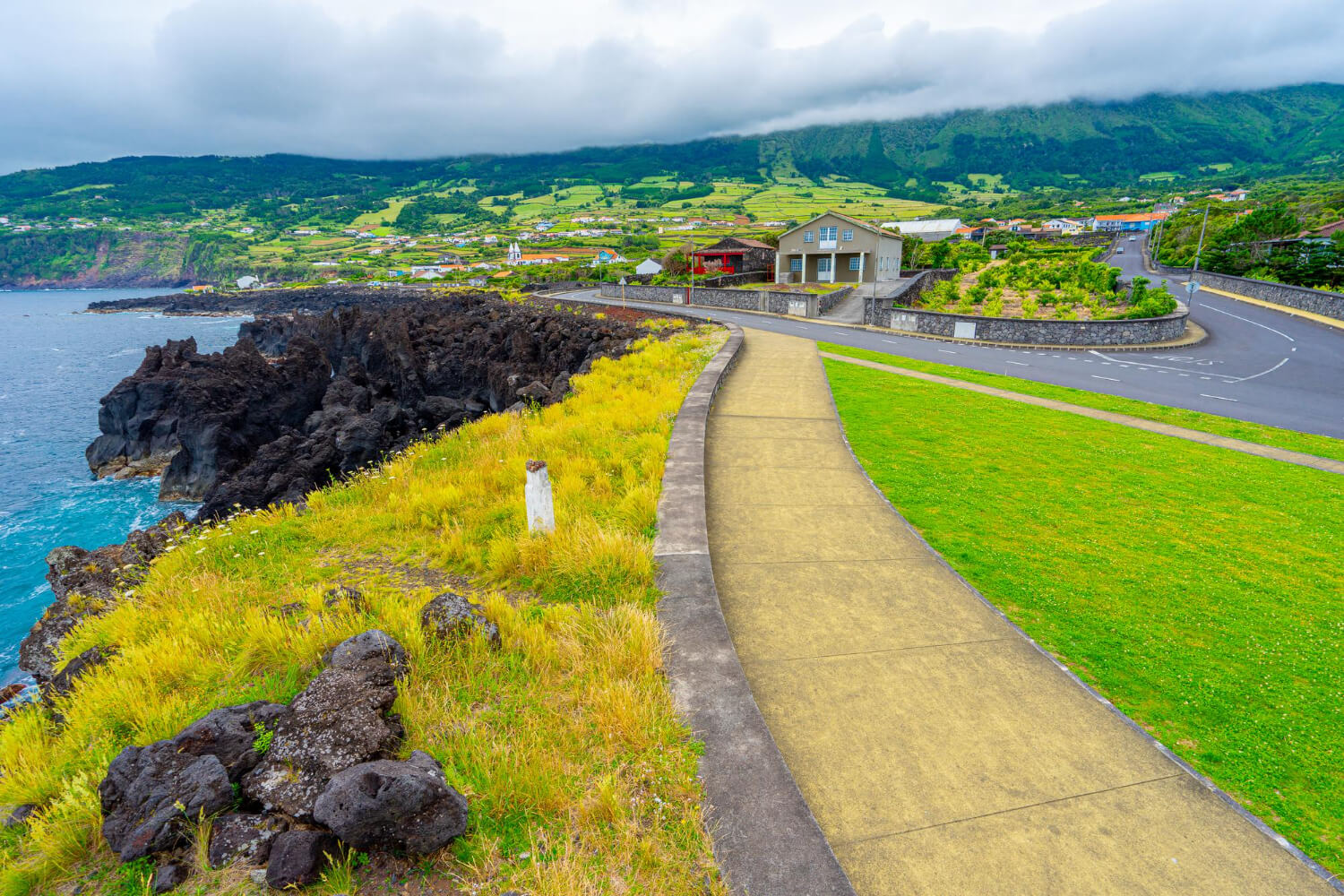
Portuguese island culture: Food, village life, Holy Spirit traditions, cheese, wine, fishing heritage and historic towns are central to the Azores experience. That cultural layer is one of the strongest reasons not to frame the islands simply as a greener Iceland.
What to Know Before Choosing the Azores
Weather requires flexibility. The climate is mild but highly maritime. Cloud can hide crater viewpoints while another part of the same island is clear. Build itineraries that can move weather-sensitive stops rather than assuming every day will follow a fixed sequence.
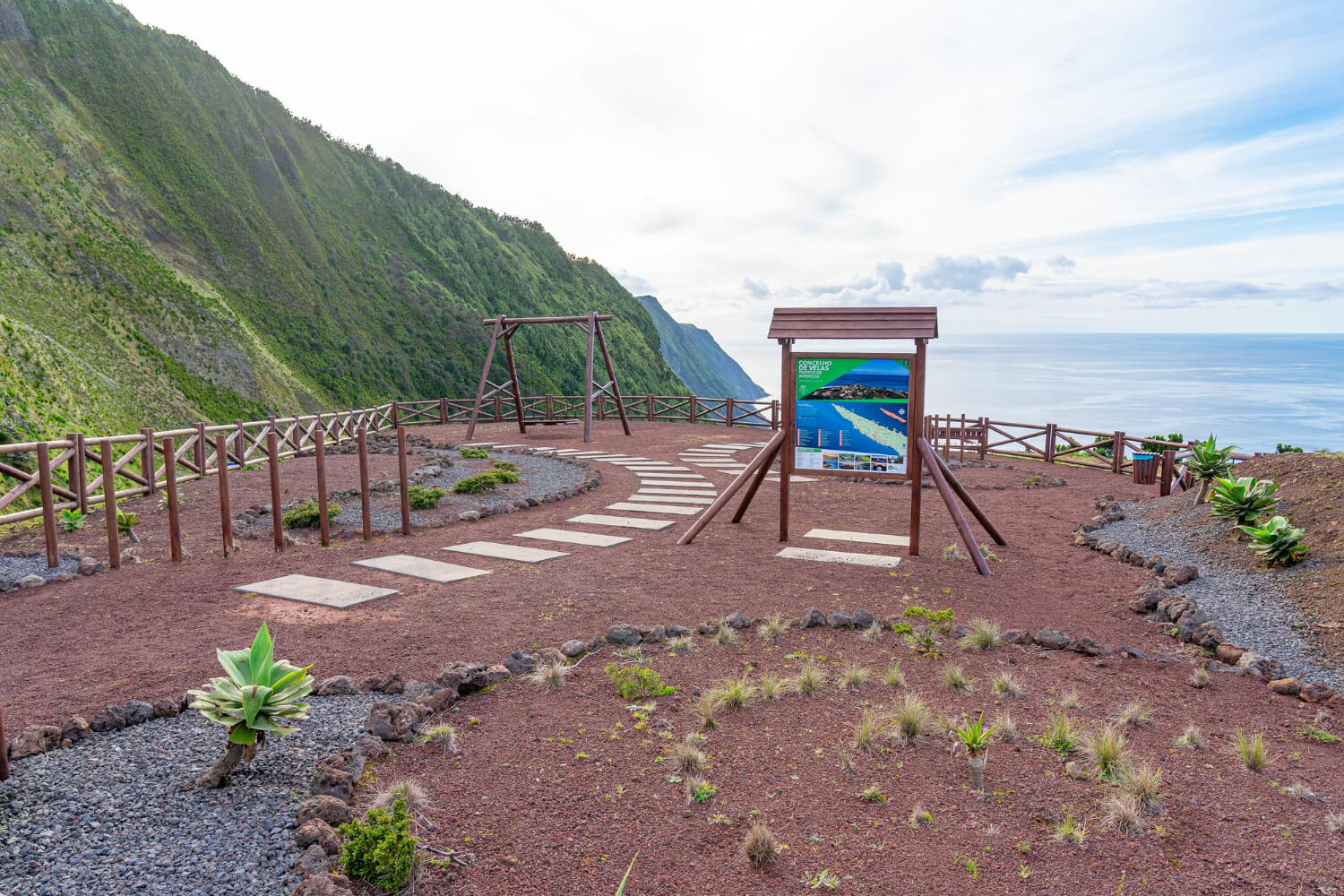
A car is useful, but not universally mandatory. Independent travelers usually get the most flexibility from a rental car on islands such as São Miguel, Terceira, Pico, Faial and Flores. Travelers who prefer not to drive can instead use private guided touring, transfers and selected local services.
Island hopping takes planning. Inter-island flights connect the archipelago, while ferries are especially useful on selected shorter routes. Do not assume every island pair has a practical ferry connection. Our Azores island-hopping guide explains realistic combinations.
Do not choose the Azores because someone called them “cheap.” Accommodation, rental cars, guided touring and inter-island transport vary considerably by season. Compare the actual trip you want rather than relying on a fixed daily budget or an internet percentage claiming one destination is always cheaper.
Which Destination Fits Your Trip?
Choose Iceland if you want…
- Northern Lights as a major trip goal
- Glacier walks, ice caves or glacier lagoons
- Very long summer daylight
- A larger capital-city experience
- A continuous single-island road trip
Choose the Azores if you want…
- Milder green-island hiking and volcanic scenery
- Whale watching as a major trip priority
- Ocean swimming and natural pools
- Portuguese island food, wine and village culture
- A one-island stay or carefully planned island hopping
Neither destination is the universal winner. A traveler planning February aurora photography and glacier activities should choose Iceland. A traveler planning a September trip around crater hikes, whale watching, swimming and two or three Portuguese islands will probably get more from the Azores.
Getting There and Getting Around
Iceland has a larger international flight network and is designed around a well-established fly-drive tourism model. The Azores have nonstop and connecting air service from Portugal, other European gateways and selected North American cities, but routes and frequencies can be seasonal.
For the Azores, always verify the schedule for your actual dates rather than relying on an article that says a route is “launching” or operates year-round. Once in the islands, inter-island flights are the backbone of archipelago-wide travel, with ferries especially useful within selected island groups and shorter channels.
If the Azores are the better fit, use our island-hopping planning guide and current Azores vacation packages to compare realistic routing before booking separate components.
The Bottom Line: Azores or Iceland?
Iceland and the Azores overlap in volcanic scenery, geothermal experiences, waterfalls, hiking and Atlantic wildlife, but they should not be treated as interchangeable destinations.
Choose Iceland for glaciers, the Northern Lights, high-latitude summer daylight and a larger-scale road-trip landscape. Choose the Azores for a milder green archipelago, whale watching, swimming, Portuguese island culture and the possibility of combining several small islands in one vacation.
Azores vs Iceland FAQs
Are the Azores warmer than Iceland?
Yes, generally. The Azores have a much milder maritime climate and warmer ocean water, especially in summer. Iceland is cooler year-round and offers much stronger winter conditions.
Can you see the Northern Lights in the Azores?
The Azores should not be planned as a Northern Lights destination. Travelers choosing a trip specifically for aurora viewing should choose a high-latitude destination such as Iceland.
Which is better for whale watching, the Azores or Iceland?
Both offer whale watching. The Azores are especially strong for travelers making cetaceans a central part of the trip, with sperm whales and several dolphin species present through the year and seasonal opportunities for large baleen whales. Sightings are never guaranteed.
Which is better for hiking?
That depends on the landscape you want. Iceland offers glaciers, lava fields and broad high-latitude terrain. The Azores offer greener volcanic trails around crater lakes, ridges, forests, coast and fajãs. Check current trail status in either destination before hiking.
Is it easier to road-trip Iceland or the Azores?
Iceland is simpler if you want one continuous road trip on one large island. The Azores work very well as one-island road trips, but multi-island travel requires flights, ferries or both.
Ready to plan an Azores trip? Compare our Azores vacation packages or use the Vacation Planner to build an itinerary around your dates, preferred islands and pace.


António Coelho has served as Managing Director of Portugal Online Corp., Azores.com, an Azores travel and tour company, since 1996. Born in the Azores and now based in California, António helps create exceptional Azorean travel experiences tailored to the U.S. and Canadian markets. He is also a travel writer, photographer, and contributor to Azores.com, where he produces regional guides, itineraries, and practical travel advice. His published work highlights outdoor adventures, family travel, and wildlife watching across the nine Azorean Islands, helping travelers explore the destination with confidence and insight.