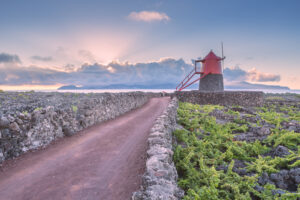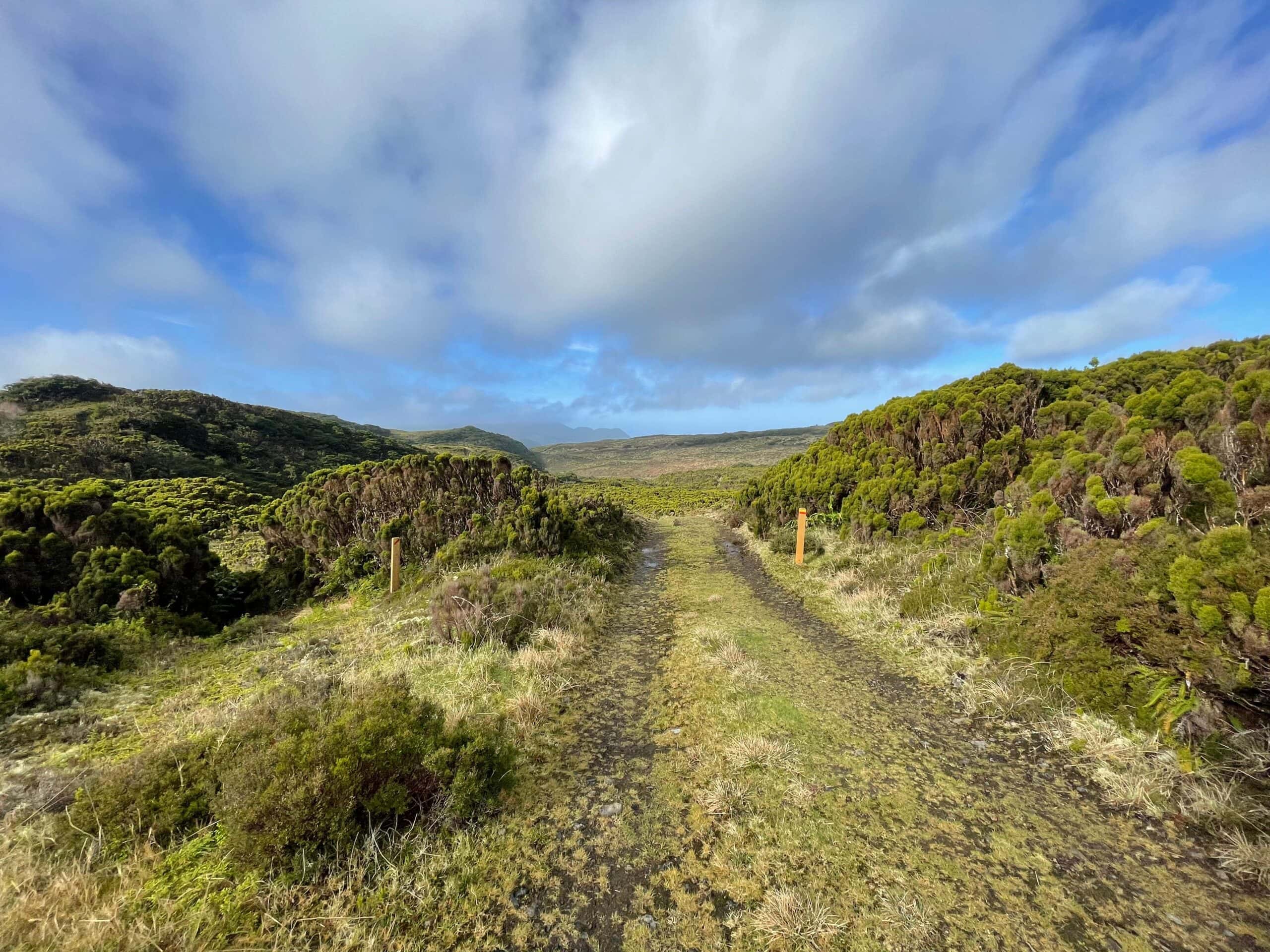
The Azores can support an excellent self-directed triathlon training block if you want Atlantic open-water swimming, volcanic climbing, trail and road running, and a quieter training environment than a purpose-built resort. The trade-off is flexibility: weather changes quickly, roads are rarely flat for long, and athletes need to plan around local facilities rather than expect a turnkey triathlon camp.
For most athletes, São Miguel is the best first base. Ponta Delgada provides the easiest combination of airport access, accommodation, pool and track training, road connections, bike support and recovery options. This guide explains how to structure swimming, cycling and running safely, what to reserve in advance, and where the Azores are strong — and limited — as a training destination.

Is the Azores a good destination for triathlon training?
Yes, for the right athlete. The volcanic terrain creates sustained climbing on the bike and frequent elevation changes on runs. The ocean provides open-water opportunities when conditions cooperate, while controlled pool and track sessions give you alternatives when Atlantic weather does not.
The biggest advantage is variety within a relatively compact destination. The biggest limitation is that the training environment is not standardized. Facility access, road conditions, trail status and sea conditions all need to be checked close to the session rather than assumed from an itinerary written months earlier.
Pool + Atlantic
Use a pool for controlled technique and intensity work. Open-water sessions should be limited to suitable bathing areas or professionally supported sessions when sea conditions permit.
Climbing + endurance
Expect rolling terrain, sustained climbs and technical descents rather than long uninterrupted flats. Official Biking Azores routes provide useful route information for matching terrain to ability.
Road + trail + track
Trail running develops climbing strength and durability, while track or carefully selected waterfront/road sections are better for controlled pace work.
Build in flexibility
Weather can force a session change. Keep pool, gym, track or easy recovery alternatives available instead of trying to force the original outdoor plan.
Where should triathletes base themselves?
For a first training block, São Miguel is the practical choice. Ponta Delgada is the archipelago’s main air gateway and has the broadest range of accommodation, services and transport. Staying in or near the city also reduces the logistics between hard sessions and recovery.
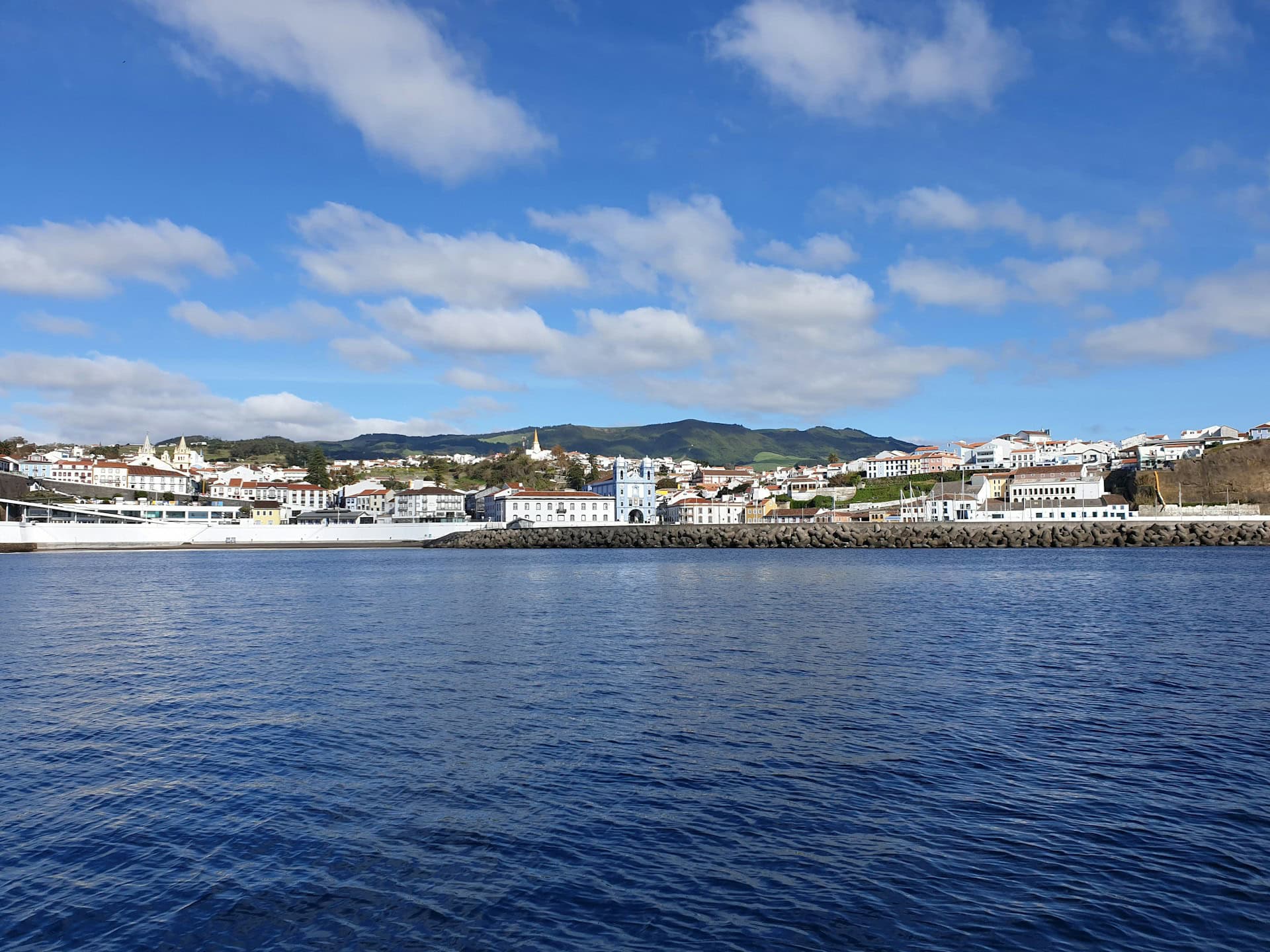
Other islands can add excellent endurance terrain. Pico, Faial and São Jorge are especially appealing for athletes who want a multi-island outdoor block, while Terceira also has an established sporting culture. But every additional island introduces another flight or ferry, equipment handling and weather dependency. For a one-week trip, and often even a two-week trip, a single-island São Miguel base usually produces more useful training time.
Where can triathletes swim safely?
Separate pool training from open-water training. A controlled pool is the better place for precise intervals and technique. The Atlantic is for condition-dependent endurance and skills work, and should never be treated as predictable simply because the weather looks calm from shore.

For open water, use a designated bathing area or a qualified local operator, train with a buddy or escort, use a high-visibility tow buoy, identify your exit before entering, and check the IPMA marine forecast plus local flags and warnings. Exposed channels and headlands are not appropriate substitutes for a supported training venue.
Water temperature changes through the year and individual cold tolerance varies considerably. Rather than prescribing one wetsuit thickness for everyone, check current sea temperature shortly before travel and choose exposure protection for your session duration, experience and comfort.
If swimming is a major part of your trip, our Azores natural pools guide explains how tides, swell and local conditions affect ocean bathing around the islands.
What kind of cycling training can the Azores support?
Cycling is where the volcanic geography becomes the training stimulus. Expect climbing, changing gradients, exposed sections, occasional cobbles or rough surfaces and descents that demand attention. This is excellent terrain for strength and endurance, but it is not the place to assume you can hold uninterrupted flat race pace for hours.

Use the official Biking Azores route directory to understand distance, elevation, discipline, fitness grade and route description before committing to a ride. Do not copy an old route distance or elevation profile into a training plan without checking the current route card.
Sete Cidades area
The official network includes routes around the Sete Cidades landscape. Depending on the selected route, expect a mixture of road, volcanic terrain and climbing rather than a flat recovery spin.
Interior São Miguel
Routes toward the island’s higher volcanic terrain can provide sustained climbing, but wind, cloud and wet pavement become more important with elevation.
Long island routes
Use official route data to choose a distance that leaves realistic bailout and resupply options. Remote sections deserve more conservative planning than their mileage alone suggests.
Pico
Pico offers serious road-cycling terrain, including long official routes with substantial climbing. It is better added to a longer camp than squeezed into a short São Miguel week.
Traffic is generally lighter away from the main urban corridors, but these are public roads. Ride defensively, use lights, expect changing surfaces, and reduce speed on wet or unfamiliar descents. If a particular ride is important to the camp, local cycling support or a guide can reduce route-finding and logistics risk.
Where can athletes run for endurance, speed and race specificity?
The Azores are naturally strong for hilly road and trail running. Official Azores Trails routes provide published distance, difficulty and route information, making them useful for choosing terrain — but they are hiking trails, not guaranteed running courses. Conditions can include mud, steps, roots, exposed edges and steep grades.
Always check the official trail-alert page on the day of a planned trail session. Temporary closures occur across the islands because of maintenance, landslides, weather or other hazards. A closed trail is not a training opportunity.
For measured intervals and race-pace work, use an athletics track or a field-checked road/waterfront section where access permits. This matters especially if your target race is flat: the Azores can over-prepare your climbing legs while under-preparing the rhythm of a long, level course.
For a closer look at the terrain, see our guide to the best hiking trails in the Azores. The same volcanic landscapes that make those routes memorable are what make trail-running sessions demanding.
How could a seven-day São Miguel training block work?
The example below is a planning framework, not a coaching prescription. Training load, intensity and recovery should be individualized by the athlete or coach. The important idea is to alternate harder volcanic sessions with controlled training and to keep a weather backup available.
What bike and travel logistics need advance planning?
Bike transport is one of the few parts of the trip that should not be left until arrival. Azores Airlines currently requires sports equipment to be pre-booked or confirmed. Its bicycle instructions specify turning the handlebar 90 degrees and securing it to the frame, removing the pedals, using strong individual packaging, and recommend reducing tire pressure; air suspension or shock absorbers should be depressurized where applicable.
- Reserve the bicycle: give the airline the equipment type, weight and dimensions when arranging transport.
- Use a proper bike case or strong bag: follow the airline’s current packing requirements rather than relying on an old checklist.
- Pre-book ground transport: make sure the airport vehicle can actually carry the bike case and passengers.
- Carry fit-specific spares: derailleur hanger, brake pads, tubes or tubeless repair supplies and other parts that may be difficult to source quickly.
- Confirm inter-island transport separately: if your camp includes ferries or additional flights, check the current equipment rules for every segment.
- Check e-bike rules before booking: do not assume a normal e-bike and its traction battery can travel as ordinary bicycle baggage. Battery restrictions are substantially tighter than for standard bikes.
What are the main safety and planning limitations?
The Azores reward athletes who have a Plan B. Atlantic swell can cancel a swim; rain can make a technical descent a poor choice; cloud and wind can transform a high route; and a trail can close with little relevance to the training schedule you originally wrote.
Swell or warning
Cancel the open-water session and use a pool or dry-land alternative. Never substitute a more exposed coastline simply to preserve the workout.
Wet or windy
Shorten the route, stay lower, choose less technical terrain or move the session indoors. A training day is not improved by forcing an unsafe descent.
Closed or damaged
Use another officially open route or switch to road/track. Respect closure notices even if the trailhead appears passable.
Accumulated fatigue
Volcanic climbing adds load quickly. Keep at least one genuinely easy option available rather than turning every scenic day into another hard session.
Travel insurance should cover the activities you actually intend to do. Clubs and coached groups should also confirm appropriate supervision, liability and emergency arrangements rather than assuming ordinary leisure-travel coverage is sufficient.
Plan an Azores triathlon training trip
The Azores work best as a flexible endurance-training destination rather than a standardized camp. Base yourself on São Miguel for the simplest logistics, use controlled venues for precise sessions, take advantage of the volcanic terrain for climbing and durability, and let weather and live safety information determine when ocean, trail and high-elevation sessions happen.
Official resources to check before training
Routes, closures, baggage rules and marine conditions can change. Recheck these official sources close to your travel dates:
- Azores Airlines — Sporting Equipment
- Azores Trails — Current Trail Alerts
- Biking Azores — Official Cycling Routes
- IPMA — Weather and Marine Conditions
Last reviewed: September 2026. Reconfirm facility access, route status, airline requirements and sea conditions before relying on them for a specific training session.

Eunice Costa has served as Travel Director of Portugal Online Corp., Azores.com (Azores Travel and Tours) since 1996. Born in the Azores and now based in California, she brings more than 30 years of experience promoting the Azorean Islands and creating thoughtfully designed tour packages, especially tailored for the U.S. and Canadian markets, that combine exceptional experiences with great value. Through her contributions to the Azores.com blog, Eunice shares her deep knowledge and passion for all nine Azorean Islands, helping travelers discover the very best of this unique destination.