Birdwatching in the Azores is unusual because a relatively small North Atlantic archipelago brings together endemic land birds, major seabird colonies, familiar European residents and unpredictable migrants from both sides of the ocean.
For most visitors, the goal should not be to chase the archipelago’s entire historical species list. More than 400 species and subspecies have been recorded over time, but many are rare or accidental visitors. A normal vacation will reveal only a fraction of that total—and that is exactly why island, season and habitat matter so much.
Why Is Birdwatching in the Azores So Distinctive?
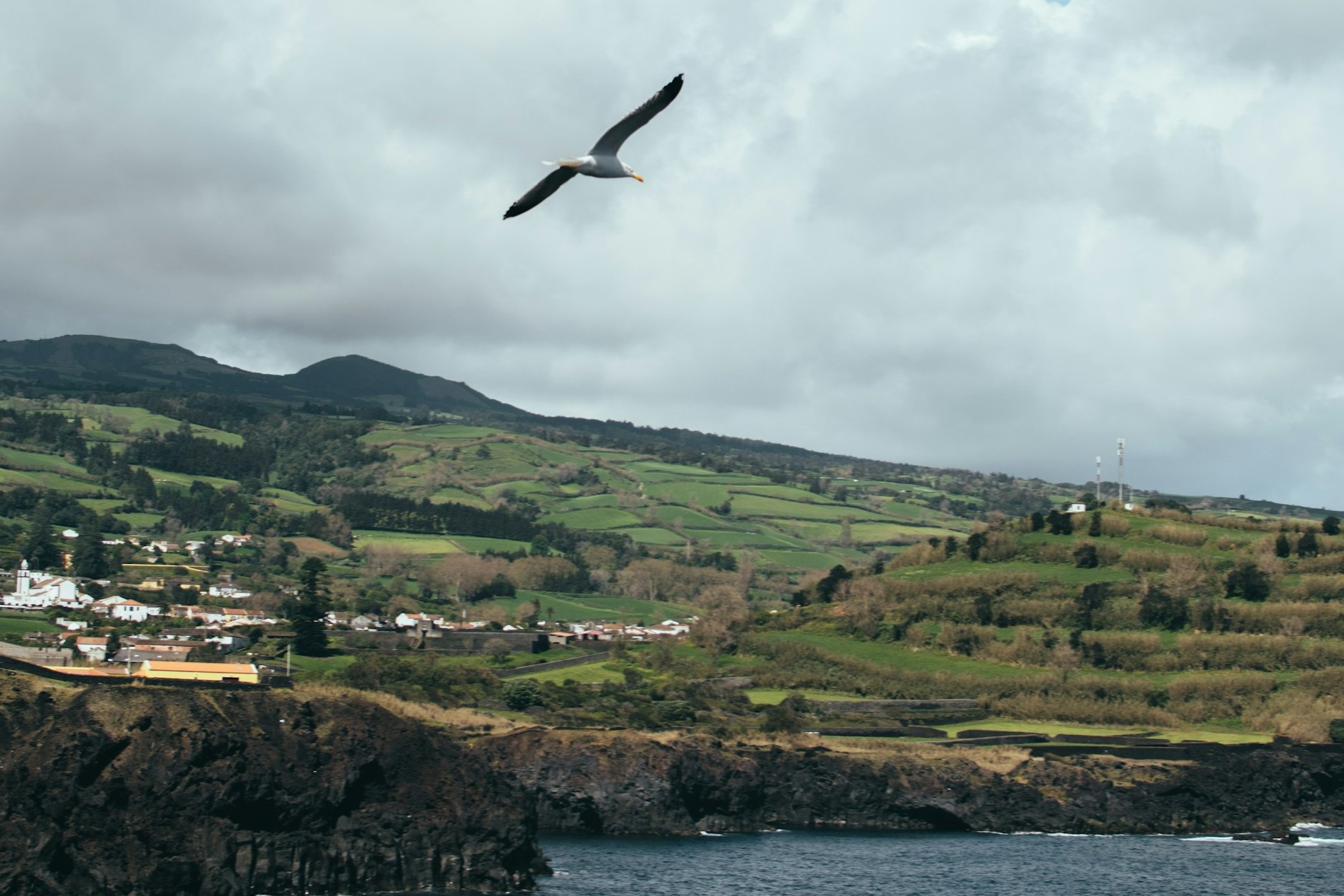
The islands sit in the middle of the North Atlantic between Europe and North America. Resident birds live and breed here, migratory species pass through, and storms or strong winds occasionally push birds far from their normal routes. This is why the Azores can produce records from both the Nearctic and Palearctic regions.
Habitat also changes quickly within short distances. Native laurel forest, pasture, crater lakes, restored wetlands, rocky shores, sea cliffs and offshore islets all support different birding experiences. The official Visit Azores birdwatching overview highlights São Miguel and Graciosa for endemic birds, Terceira for gulls and waders, and Flores and Corvo for American passerines.
Endemic Birds of the Azores
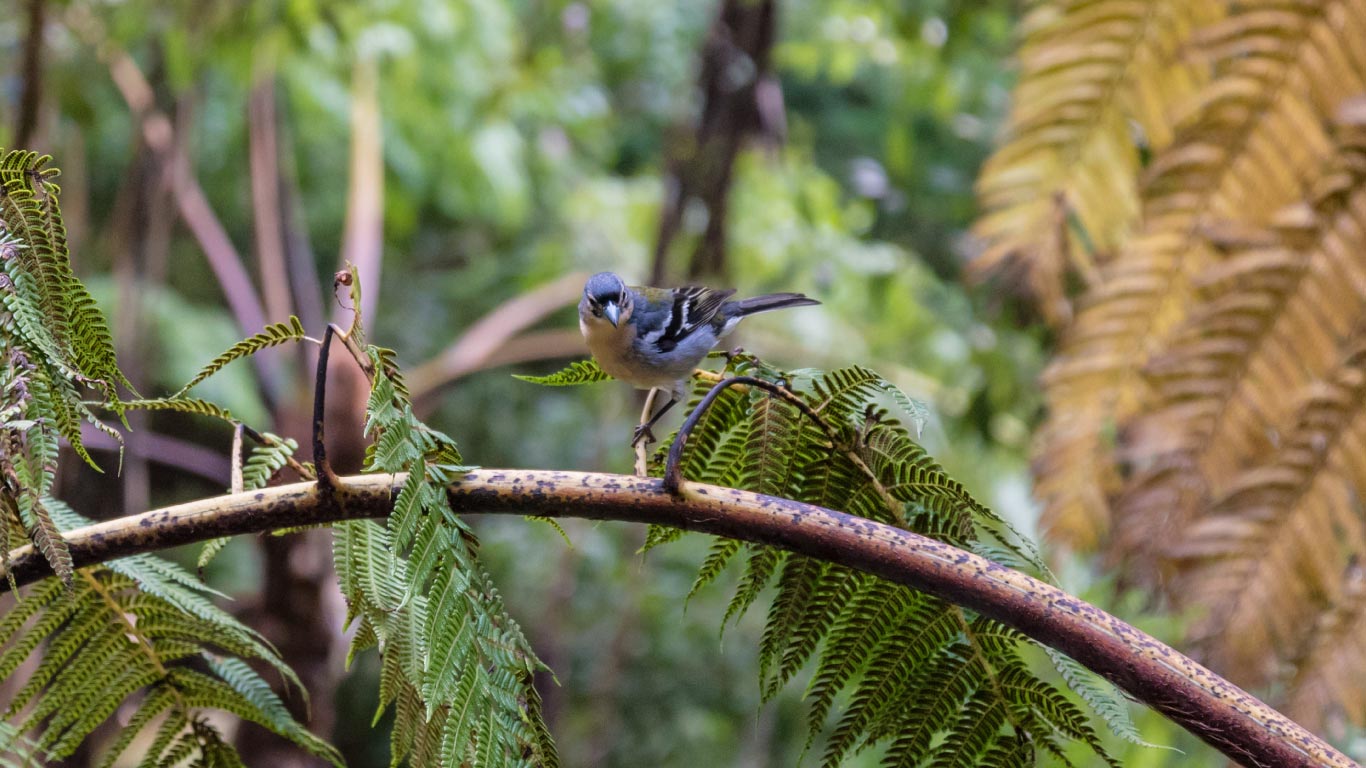
Taxonomy changes as new research is adopted. For this guide, we follow the current eBird treatment, which recognizes the Azores chaffinch as a full endemic species alongside the Azores bullfinch and Monteiro’s storm-petrel. Some regional and older tourism sources still use the earlier chaffinch subspecies classification.
Azores Chaffinch
Fringilla moreletti is widespread across the archipelago in habitats ranging from woodland to farmland and gardens.
Best for: a relatively easy endemic target on a general Azores trip.
Azores Bullfinch — Priolo
Pyrrhula murina occurs only in eastern São Miguel, especially around the remaining native laurel-forest landscape of Nordeste and Povoação.
Best for: focused land birding on São Miguel.
Monteiro’s Storm-Petrel
Hydrobates monteiroi is an endemic seabird whose principal stronghold is around protected islets of Graciosa; breeding has also been confirmed elsewhere in the archipelago.
Best for: specialist seabird trips with appropriate seasonal access and local expertise.
Where Can You See the Azores Bullfinch?
The priolo is not a bird to expect beside every São Miguel viewpoint. It is confined to the eastern part of the island and is closely associated with native laurel forest. The Serra da Tronqueira and Pico da Vara landscape is central to its conservation story.
The Priolo Environmental Center is a useful starting point for understanding the species, habitat restoration and current visitor information. Mist, rain and trail conditions can affect any visit to the eastern highlands.
How Do You See Monteiro’s Storm-Petrel?
This is a very different target from a land bird. Monteiro’s storm-petrel spends much of its life at sea and visits breeding sites around protected islets. Graciosa remains its best-known stronghold, while regional conservation work has also confirmed breeding on Topo Islet off São Jorge.
Do not approach nesting islets independently. If this species is a priority, use a qualified operator or birding specialist who can explain the appropriate season, sea conditions, identification limits and wildlife-viewing rules. No responsible operator can guarantee a sighting.
Resident Birds Visitors Commonly Notice
You do not need to chase rarities to enjoy birdlife in the Azores. Gardens, fields, woodland edges, roadsides and town parks can produce Atlantic canary, European robin, common blackbird, Eurasian blackcap, common starling, Azores gray wagtail and other familiar residents.
The Azores woodpigeon and common buzzard occur as distinctive island subspecies. Goldcrests also show a strong island pattern, with different endemic subspecies on São Miguel, Santa Maria and the western/central islands. The Atlantic canary is a characteristic Macaronesian species rather than an Azores endemic.
Seabirds in the Azores
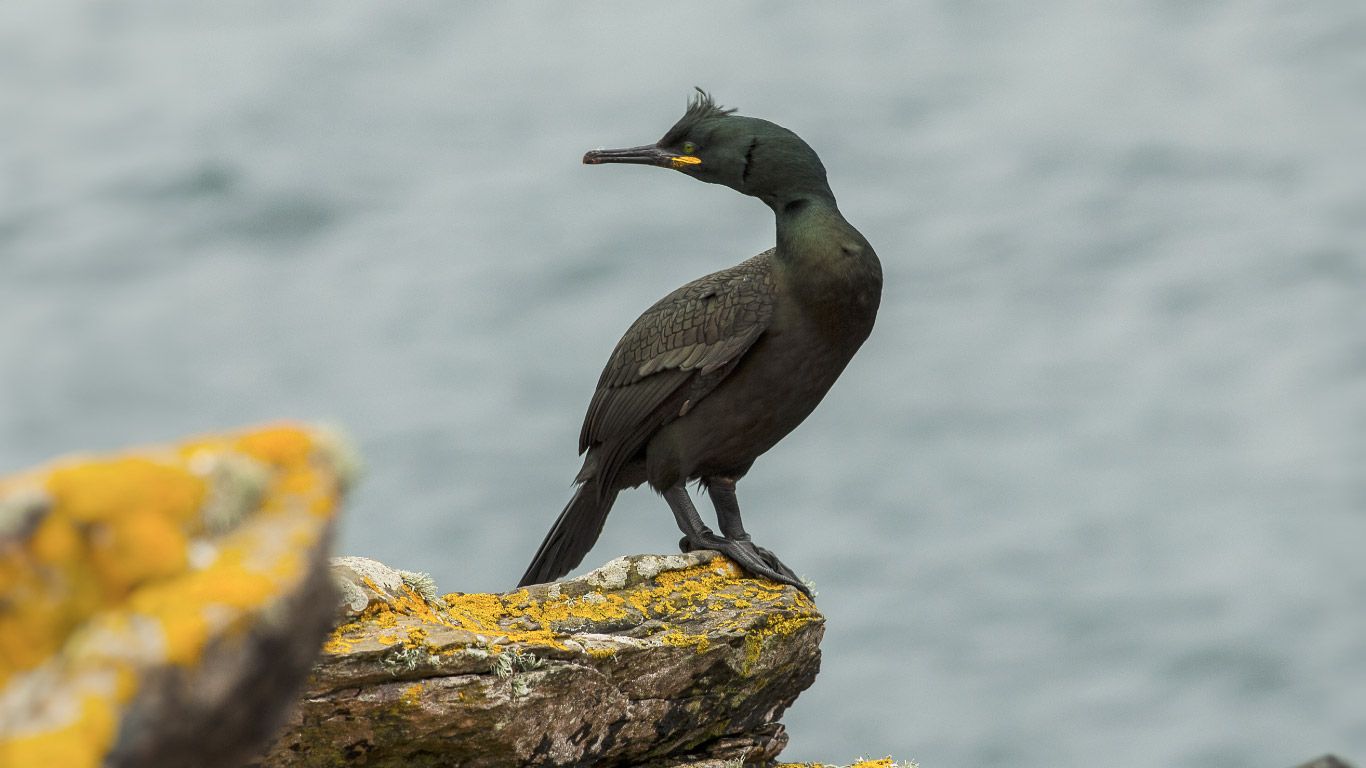
Cory’s shearwater is the signature seabird of the archipelago, and the Azores support one of the world’s most important breeding populations. Common tern, roseate tern, Barolo shearwater, Bulwer’s petrel and storm-petrels add to the seabird interest, with visibility depending on season, island and whether you are watching from land or at sea.
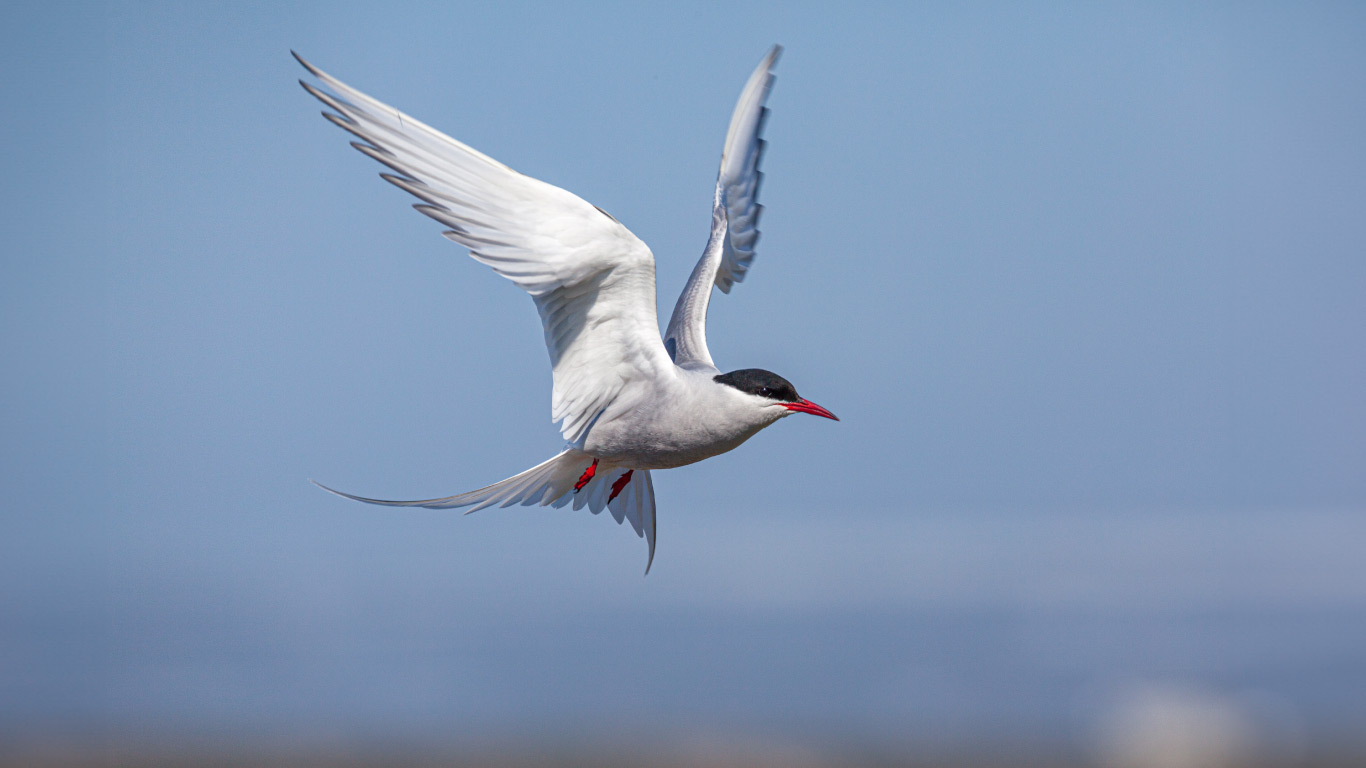
A general whale- or wildlife-watching boat may produce seabird sightings, but it is not the same as a dedicated pelagic birding trip. Ask whether the crew has bird-identification experience and which species are realistic for your dates. Avoid bright lights near nocturnal seabirds and never walk close to occupied burrows or loose nesting ground.
Best Time for Birdwatching in the Azores
There is no single best month for every birding goal. Match the season to what you most want to see.
| Birding goal | Planning window | What to know |
|---|---|---|
| Endemic land birds | Year-round | Weather, access and activity still vary by day and habitat. |
| Breeding seabirds | Species-dependent | Spring through early fall is important for many breeders, but individual species have different cycles. |
| Monteiro’s storm-petrel | Warm-season breeding period | Specialist identification and an appropriate at-sea approach matter. |
| North American vagrants | September–November | Corvo and Flores are famous in fall, especially October, but individual rarities are never guaranteed. |
| Wetland/coastal visitors | Fall and winter can be productive | Recent reports matter because species and exact sites change. |
Weather matters: Atlantic conditions can change quickly. Keep a flexible day when a priority bird, boat trip or small-island connection is important.
Best Azores Islands for Birdwatching
| Island | Strongest birding reason | Planning reality |
|---|---|---|
| São Miguel | Azores bullfinch, chaffinch, goldcrest, forests, lakes and varied habitats | Best all-around first birding island; keep flexibility for the eastern highlands. |
| Graciosa | Monteiro’s storm-petrel and protected seabird islets | The endemic storm-petrel is an at-sea target tied to season and conditions. |
| Terceira | Wetlands, gulls, waders and resident birds | Paul da Praia da Vitória provides unusually accessible wetland birding within an urban setting. |
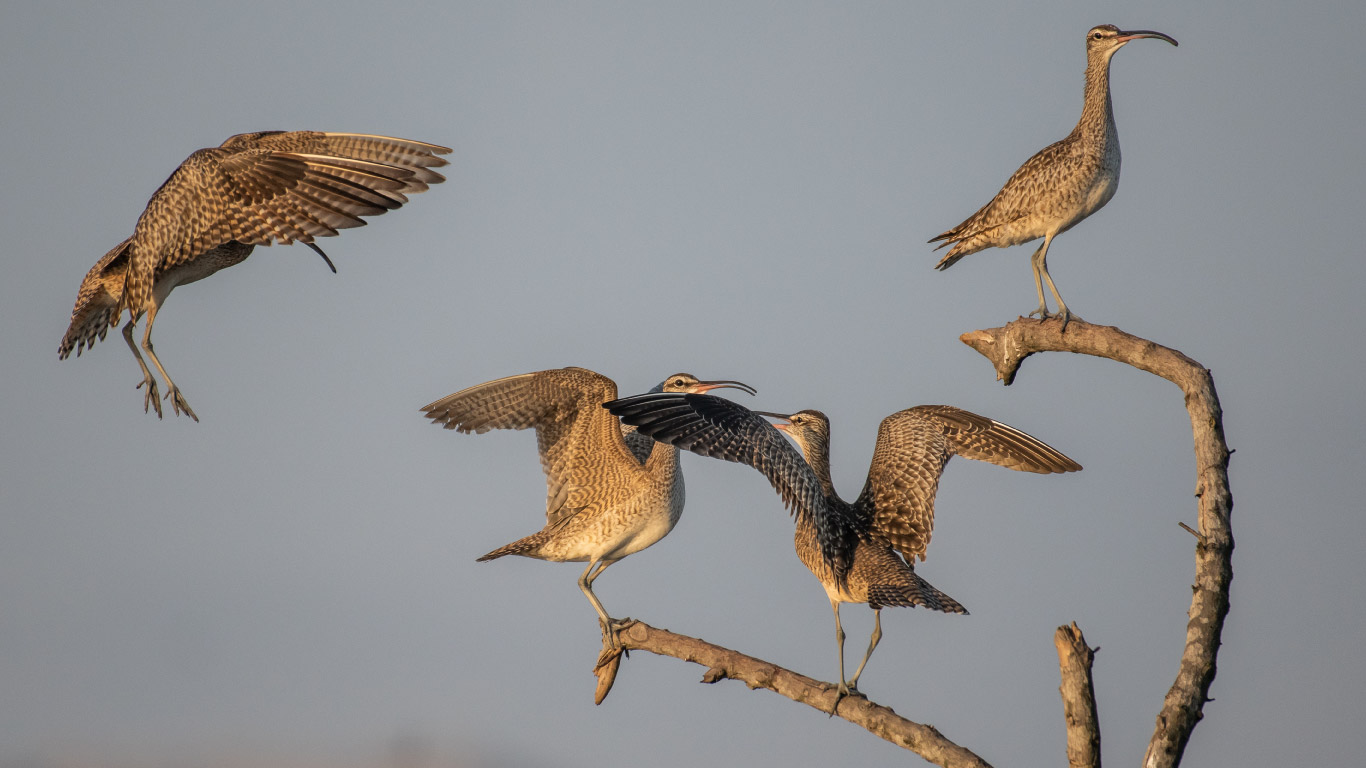
| Corvo + Flores | Fall vagrants, especially North American passerines | Best for focused autumn birding; weather and small-island transport require contingency time. |
| Faial + Pico + São Jorge | Seabirds, coastal habitats and endemic subspecies | Easy to combine with a broader Central Group nature itinerary. |
| Santa Maria | Local goldcrest, drier landscapes and coast | A quieter specialty island that works best when Santa Maria already fits the trip. |
Why Is Corvo So Famous Among Birders?
Corvo is internationally known because its position and tiny scale make it an extraordinary place for detecting storm-driven North American vagrants in autumn. The Corvo Wild Birds Interpretation Centre helps explain the island’s importance and maintains a strong connection with visiting birders.
That reputation needs context. A rarity reported yesterday may move, disappear or be inaccessible today. Weather can also disrupt flights and boat connections. If fall vagrant birding is a principal reason for your trip, build in contingency time rather than treating Corvo as a guaranteed day excursion.
How Should Birding Shape an Azores Itinerary?
If you are deciding how many islands are realistic, use our How Many Days in the Azores and Azores Island Hopping guides before booking the sequence.
Bird Independently or Hire a Guide?
Independent birding works well when you enjoy research, have flexible transport and are happy to explore common species and public sites. A local guide becomes more valuable when you have a priority species, identification is difficult, the target is at sea, access is complicated or your available time is limited.
Before booking a guide, ask about birding experience, transport, group size, equipment, walking distance, accessibility, cancellation terms and responsible wildlife practices. Confirm that a general nature tour actually includes bird-focused guidance.
For transportation choices, see our Getting Around the Azores guide.
How to Find Recent Bird Sightings
Use recent records as a planning aid rather than a promise. eBird hotspots and local birding information can show which sites have been visited recently and what observers reported. Always check the exact island and observation date because an “Azores” record may be nowhere near the island where you are staying.
Do not publish a sensitive nest or rarity location when publicity could disturb the bird, damage habitat or create conflict on private land.
What to Pack for Azores Birdwatching
- Waterproof binoculars
- A light rain shell and warm layer
- Shoes with reliable grip for wet or uneven ground
- A dry bag or rain cover for optics and electronics
- Sun protection, drinking water and a charged phone
- A spotting scope only when distant shorebirds or seawatching justify the extra weight
For a boat trip, add wind protection and secure loose equipment. Check the Azores Weather by Month guide for broader seasonal context, but make final birding decisions from current local conditions.
Responsible Birdwatching in the Azores
The welfare of the bird should always matter more than a photograph or closer view. Follow protected-area guidance, remain on marked paths where required and give breeding colonies substantial space.
- Never approach nests, eggs, chicks or occupied burrows.
- Avoid playback around breeding birds or sensitive rarities.
- Do not use bright lights around nocturnal seabirds returning to land.
- Respect private property, gates and local instructions.
- Choose boat operators that approach resting, feeding and nesting seabirds conservatively.
Azores Birdwatching FAQs
Are the Azores good for beginner birdwatchers?
Yes. Common birds are visible in gardens, fields, parks, lakes and forest edges, and the islands are compact enough to combine birding with ordinary sightseeing. Treat rare visitors as a bonus rather than the foundation of a first trip.
How many bird species are in the Azores?
More than 400 species and subspecies have been recorded over time, but that historical total includes rare and accidental visitors. A short vacation will produce far fewer species.
What is the best Azores island for birdwatching?
São Miguel is the strongest all-around first choice. Graciosa is especially important for Monteiro’s storm-petrel, Terceira for wetlands and waders, and Corvo and Flores for unpredictable North American vagrants in fall.
What birds of prey live in the Azores?
The Azores common buzzard is the resident daytime raptor visitors most often notice on islands where it occurs. Long-eared owl is also resident. Other raptors can appear as visitors but should not be treated as dependable targets.
Can you see all the endemic birds on one trip?
You can design a trip around São Miguel and Graciosa, but no itinerary guarantees all endemic species. The chaffinch is widespread, the bullfinch has a restricted land range, and Monteiro’s storm-petrel is a difficult seasonal seabird target.
Do you need a dedicated birdwatching package?
No. Many travelers add one or two bird-focused days to a broader nature vacation. A customized trip can combine birding with hiking, volcanic landscapes, whale watching, food, culture and enough flexibility for changing weather.
Plan an Azores Trip Around Your Birding Interests
The strongest birding trip starts with a clear goal: endemic birds, seabirds, fall vagrants, relaxed nature watching or a blend of birding with the classic Azores experience. Once that priority is clear, the island sequence, transportation and amount of contingency time become much easier to plan.
Want birding built into a complete Azores vacation? Tell our travel specialists your dates, preferred islands, pace, mobility needs and birding priorities.
Plan My Azores Birding Trip Browse Azores Vacation Packages

Eunice Costa has served as Travel Director of Portugal Online Corp., Azores.com (Azores Travel and Tours) since 1996. Born in the Azores and now based in California, she brings more than 30 years of experience promoting the Azorean Islands and creating thoughtfully designed tour packages, especially tailored for the U.S. and Canadian markets, that combine exceptional experiences with great value. Through her contributions to the Azores.com blog, Eunice shares her deep knowledge and passion for all nine Azorean Islands, helping travelers discover the very best of this unique destination.