The Azores are famous for volcanic crater lakes, but the experience changes dramatically from one island—and one lake—to another. On São Miguel, Sete Cidades, Furnas and Lagoa do Fogo are the headline landscapes. Smaller upland lakes add quieter stops, while Pico, Flores and Corvo show how different the archipelago’s lake country becomes beyond São Miguel.
This guide focuses on the eight lakes and lagoon areas most useful to build into a first Azores itinerary, then adds two worthwhile extensions on Flores and Corvo. Because weather, trail conditions and seasonal access arrangements can change, use the planning notes below together with current local information.
Key Takeaways
- Best first-time lake views: Sete Cidades, Lagoa do Fogo and Furnas are the three essential São Miguel lake landscapes.
- Best for viewpoints and easy itinerary planning: Sete Cidades combines crater-rim panoramas with the village and lakes below.
- Best for geothermal scenery: Furnas combines a crater lake, fumaroles, geothermal cooking, gardens and thermal bathing in the wider Furnas valley.
- Best protected wild landscape: Lagoa do Fogo is a Nature Reserve; current road-access and shuttle arrangements should always be checked before visiting.
- Best lake landscapes beyond São Miguel: Pico adds a highland walking experience, Flores is famous for its seven caldera lakes, and Corvo’s Caldeirão contains wetlands and lagoons inside the island’s great crater.
Which Azores Lake Should You Visit?
| Lake or lagoon | Island | Best for | Planning note |
|---|---|---|---|
| Sete Cidades | São Miguel | Iconic viewpoints, village, walking | Allow flexibility because cloud can hide the crater views. |
| Furnas Lake | São Miguel | Geothermal landscape and walking | Combine the lake with Furnas village, thermal areas and gardens. |
| Lagoa do Fogo | São Miguel | Protected highland scenery | Check current shuttle/road access and weather before going. |
| Lagoa do Congro | São Miguel | Quiet forest setting | Best as a short nature stop rather than a full-day destination. |
| Lagoa do Canário | São Miguel | Western highlands and nearby viewpoints | Combine with the Sete Cidades crater-rim area. |
| Empadadas Lakes | São Miguel | Smaller upland lagoons | Useful additions to a western-island nature drive. |
| Lagoa Rasa | São Miguel | Quiet highland scenery | Best included with other western lakes rather than visited alone. |
| Lagoa do Capitão | Pico | Highland scenery and hiking | The official PR13PIC route is 9.3 km and about 3 hours. |
Activities Vary by Lake
Do not assume the same activities are available at every Azores lake. Sete Cidades supports walking, cycling and operator-led kayaking on Lagoa Azul, while Furnas is primarily a geothermal, walking and sightseeing destination. Lagoa do Fogo is a protected Nature Reserve where visitors should follow current access rules and local signage rather than treating the lake as a general recreation area.
Across the islands, the most dependable lake experiences are crater viewpoints, marked walking trails, photography, birdwatching and nature interpretation. When an activity involves the water itself, confirm the current local rules and operator availability for that specific lake.
Best Time to Visit the Azores Lakes
The lakes can be visited throughout the year, but visibility is often more important than choosing a single “best” month. São Miguel’s crater rims can be clear in one part of the day and covered by cloud later. Spring through early fall generally gives travelers longer daylight for viewpoints and hiking, while winter can be wetter, windier and cloudier.
Check the Azores Weather by Month guide and the current forecast before committing to a high-elevation lake day.
Getting to the Lakes
A rental car or guided tour is the most practical way to visit most of the lakes in this guide. Public transportation is not a dependable way to reach every crater viewpoint or trailhead, and some sites have seasonal traffic-management rules.
On São Miguel, treat Sete Cidades, Lagoa do Fogo and Furnas as separate regional sightseeing days when your schedule allows. On Pico, Flores and Corvo, plan the lakes as part of the island’s broader road or hiking itinerary rather than as isolated attractions.
1. Sete Cidades Lake – The Twin Lakes of São Miguel
Sete Cidades is São Miguel’s best-known lake landscape. Lagoa Azul and Lagoa Verde sit inside the island’s large western volcanic caldera, below crater-rim viewpoints such as Vista do Rei. The village of Sete Cidades lies beside the lakes and provides the natural lower-level base for walking, sightseeing and lake activities.
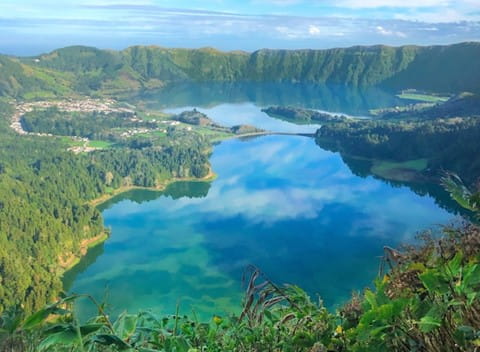
The official Vista do Rei–Sete Cidades trail (PR03SMI) is an easy-rated 7.5 km linear route taking about two hours. It follows the southwest crater rim before descending into the village. The final descent can be steep and slippery, so suitable footwear still matters even though the official grade is easy.
Blue Lake (Lagoa Azul)
Lagoa Azul is the larger of the connected Sete Cidades lakes. Its appearance changes with cloud, sunlight and viewing angle, which is one reason the crater can look different throughout the day. Operator-led kayaking is available on the lake, and the village area makes this the practical side of Sete Cidades for a closer waterside visit.
Green Lake (Lagoa Verde)
Lagoa Verde is the smaller companion lake beside Lagoa Azul. The visual contrast between the two is most impressive from the crater rim when visibility is clear. Rather than attributing the color to one simple cause or treating the lake as a routine swimming destination, enjoy it as part of the protected Sete Cidades landscape and follow current local rules for any water activity.
Viewpoints and Access
Vista do Rei is the classic viewpoint over Lagoa Azul and Lagoa Verde. The nearby western highlands also connect with routes toward Lagoa do Canário and the wider crater-rim landscape. Because cloud can move across the caldera quickly, avoid locking Sete Cidades into one inflexible hour if clear views are important to you.
2. Furnas Lake – São Miguel’s Geothermal Landscape
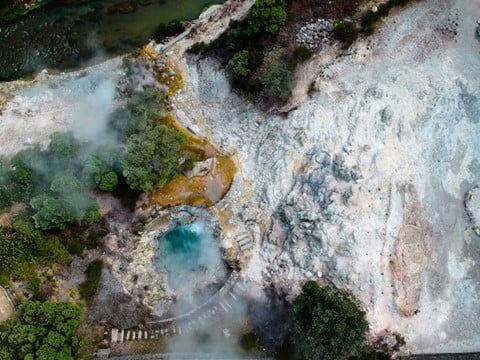
Furnas Lake is part of the larger Furnas volcanic system on eastern São Miguel. The lake, geothermal caldeiras, Furnas village, gardens and thermal-bathing areas work best as one broader destination rather than as separate attractions all located directly on the lakeshore.
Geothermal Activity and Cozido
Near the lake, geothermal heat is still used to cook cozido das Furnas, a traditional mixture of meats, sausages and vegetables cooked for hours underground. Rather than planning around one fixed pot-retrieval time or one restaurant, reserve your meal ahead when cozido is a priority because restaurants prepare quantities and cooking schedules in advance.
Thermal bathing is one of the great experiences of the wider Furnas valley, but the bathing complexes are not the same thing as swimming in Furnas Lake. Combine the lake and geothermal area with Furnas village and its thermal gardens or pools.
Walking Around Furnas
The official Lagoa das Furnas route (PRC06SMI) is an easy circular walk of 9.4 km with an average time of about 3 hours. It links Furnas village with the lake, the Chapel of Nossa Senhora das Vitórias, the environmental interpretation area and the geothermal caldeiras where cozido is prepared.
3. Lagoa do Fogo – São Miguel’s Protected Highland Lake
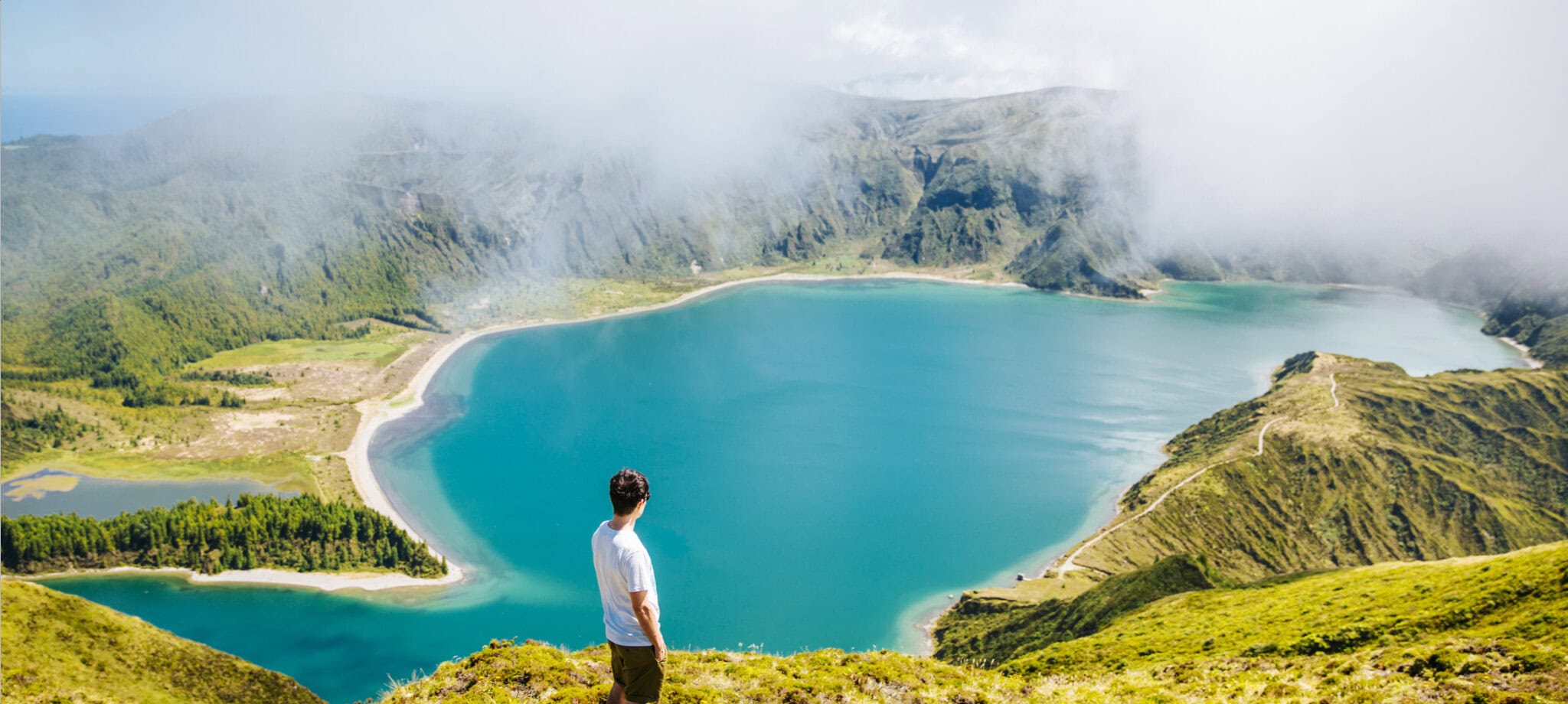
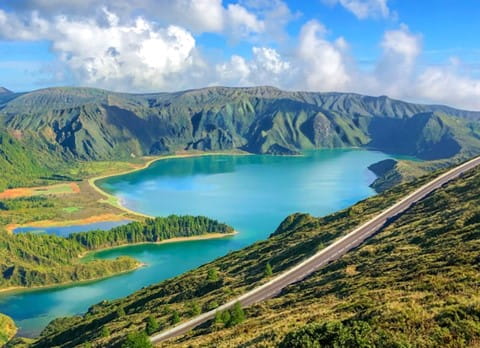
Lagoa do Fogo occupies the high Água de Pau volcanic massif in central São Miguel and has been a Nature Reserve since 1974. Its exposed crater setting, rapidly changing cloud and lack of development around the lake give it a very different character from Sete Cidades and Furnas.
Viewpoints and Current Access
The main road viewpoints can provide extraordinary views when the crater is clear, but access arrangements are managed seasonally. The official Visit Azores site currently notes a shuttle service for visiting Lagoa do Fogo. Road controls and operating dates can change, so check the current official Lagoa do Fogo information before driving there.
Hiking to Lagoa do Fogo
The official Praia–Lagoa do Fogo trail (PR02SMI) is the certified walking route providing access to the lake shore. The current official route is 10.2 km, medium difficulty and about 4 hours. Wet and muddy sections are common, so appropriate footwear matters.
The final section enters the protected lake environment. Stay on the marked trail, respect local birdlife and carry out all litter. During the gull nesting season in April and May, official trail guidance asks visitors to take additional care around the birds.
4. Lagoa do Congro – A Quiet Forest Lake
Lagoa do Congro offers a quieter contrast to São Miguel’s famous high crater viewpoints. The lake sits in a wooded volcanic depression, so the experience is more intimate: forest, still water and a short nature stop rather than a sweeping crater-rim panorama.
Allow time for the walk and for damp or muddy ground after rain. Lagoa do Congro works especially well when paired with other central or eastern São Miguel stops rather than as a full-day destination.
5. Lagoa do Canário – Western São Miguel Highlands
Lagoa do Canário sits in São Miguel’s western highlands close to the wider Sete Cidades crater-rim landscape. It is best treated as part of a western-island nature day rather than as a standalone destination.
The official Mata do Canário–Sete Cidades route begins near Mata do Canário and climbs toward Pico da Cruz for views over the Sete Cidades lakes before continuing toward the village. Weather and cloud can change quickly at this elevation, so check visibility before committing to a long ridge walk.
6. Empadadas Lakes – Smaller Upland Lagoons
The Empadadas lakes are smaller upland lagoons in western São Miguel, useful for travelers who want to see more than the three headline lake areas. Their wooded setting and proximity to the Sete Cidades highlands make them a natural addition to a western-island drive or guided nature day.
Conditions on the highland roads and paths can be wet or foggy even when Ponta Delgada is clear. Build them into the day only when visibility and access make sense rather than treating them as a fixed appointment.
7. Lagoa Rasa – Another Western Highland Stop
Lagoa Rasa is another of São Miguel’s smaller western highland lakes. It is most useful as part of the larger Sete Cidades and Canário landscape rather than as a major attraction requiring its own half-day.
Visit for the upland scenery and quiet setting, but avoid planning around unverified promises about a specific walking time, guaranteed facilities or consistently clear summer weather.
8. Lagoa do Capitão – Pico Island
Lagoa do Capitão sits in Pico’s central highlands and gives travelers a very different lake experience from São Miguel: open upland scenery, endemic vegetation and views toward Pico’s north coast rather than a large developed visitor area.
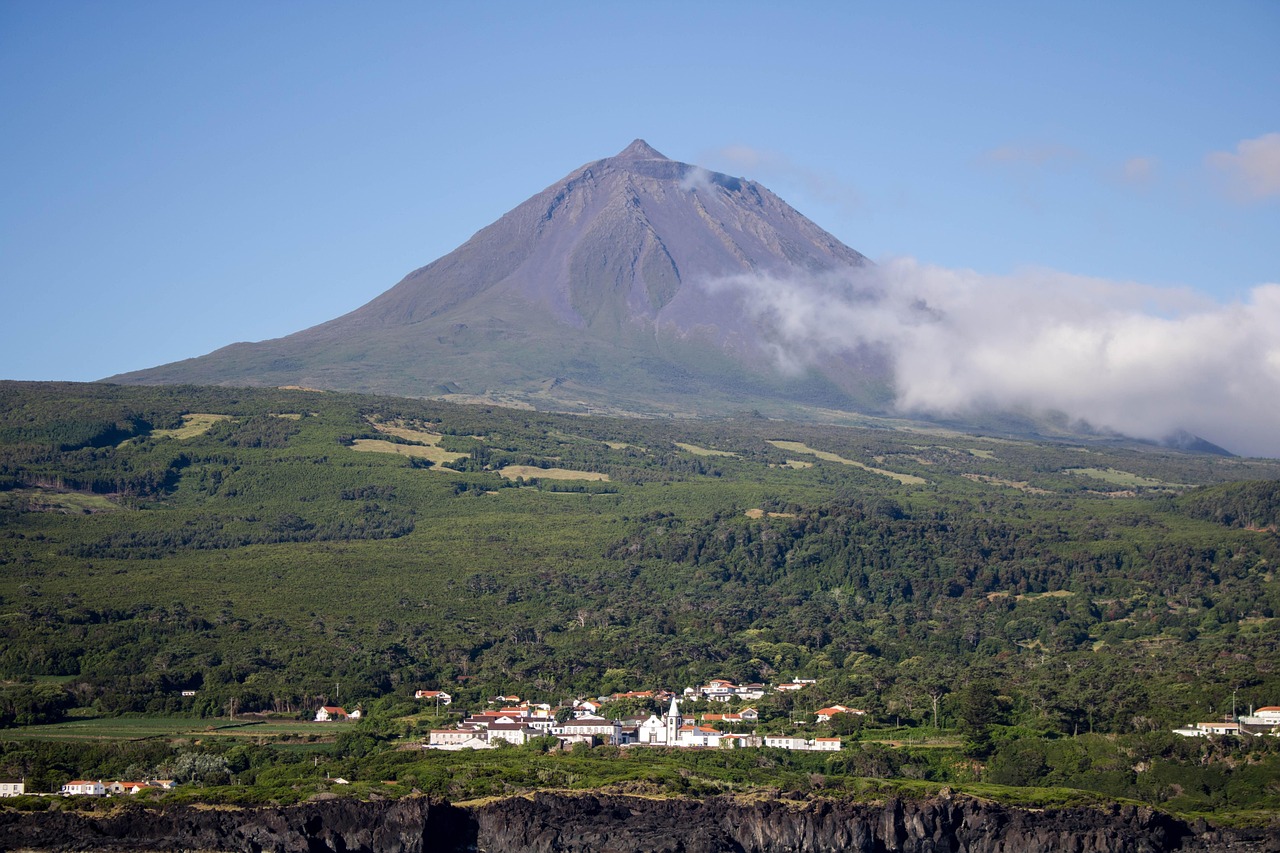
The official PR13PIC Lagoa do Capitão trail begins beside Estrada Transversal in Pico’s central highlands. It is a 9.3 km linear route, rated medium difficulty, with an average walking time of about 3 hours. The route visits the lake before descending toward Cais do Pico and the Convent of São Pedro de Alcântara.
This is not a guided excursion from Ponta Delgada. If Lagoa do Capitão is important to your trip, plan it as part of your time on Pico Island.
More Azores Lagoons Worth Adding Beyond the Main Eight
Sete Lagoas – Flores
Flores deserves a place in any archipelago-wide lake guide. The island’s central caldera contains the Sete Lagoas: Lagoa Funda, Branca, Seca, Comprida, Rasa, da Lomba and Negra. Official Visit Azores information notes that Lagoa Negra reaches about 100 meters in depth.
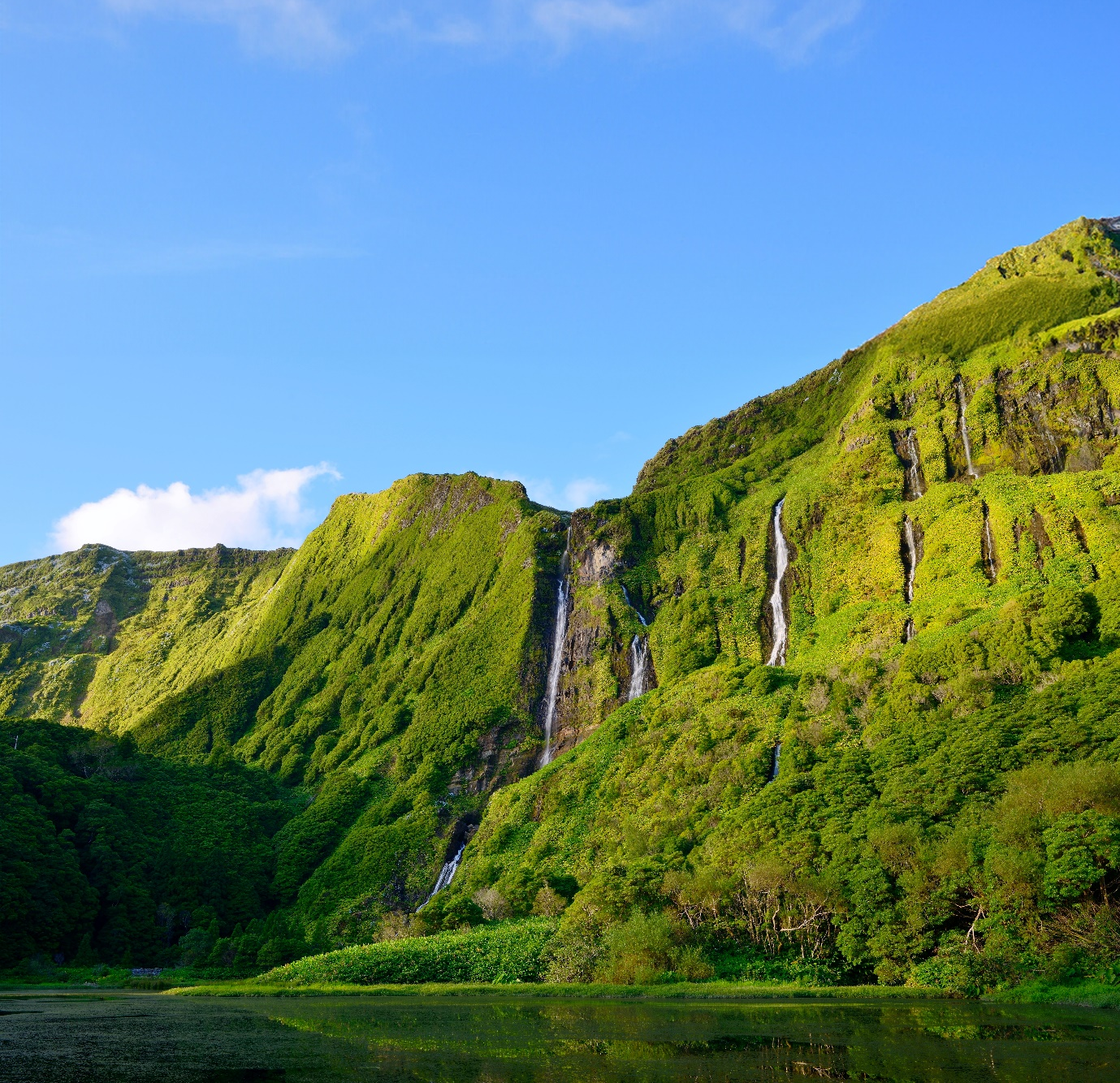
These lakes are best experienced as part of a Flores highland driving or guided sightseeing day, alongside the island’s waterfalls, viewpoints and deeply cut green valleys.
Caldeirão – Corvo
On tiny Corvo, Caldeirão dominates the island. Inside the great volcanic crater is a wetland system with two lagoons, fed by rainfall and water retained in the peat-rich slopes.
The official Caldeirão route is 4.8 km, medium difficulty and about 2 hours 30 minutes. Conditions inside the crater can be wet, and official trail guidance warns that lake levels can rise toward the walking route, so choose the safest line away from the water’s edge.
Planning an Azores Lake Itinerary
For a first São Miguel trip, prioritize Sete Cidades, Lagoa do Fogo and Furnas, then add Congro, Canário, Empadadas or Rasa when your schedule and the weather allow. If you are island hopping, Pico’s Lagoa do Capitão, the Sete Lagoas of Flores and Corvo’s Caldeirão show how different the Azores’ lake landscapes become beyond São Miguel.
Do not plan high-elevation crater views too rigidly. Cloud, rain and seasonal access controls can change the best order of sightseeing. For a broader trip, see our Azores Island Hopping guide, Best Hiking Trails in the Azores and Azores vacation packages.
Azores Lakes and Lagoons FAQs
What are the best lakes to visit on São Miguel Island?
Sete Cidades, Lagoa do Fogo and Furnas are the three essential lake landscapes for a first visit. Sete Cidades is best for crater-rim viewpoints and the village below, Lagoa do Fogo for a protected highland setting, and Furnas for geothermal scenery and the wider Furnas valley.
What activities are available at Furnas Lake?
The official Lagoa das Furnas walking route is 9.4 km and takes about three hours. Around the wider Furnas valley you can also see geothermal areas, learn how cozido is cooked underground, visit gardens and use thermal-bathing facilities. Thermal pools are in the wider Furnas area, not in Furnas Lake itself.
When is the best time to visit Azores lakes?
The lakes can be visited year-round, but clear visibility is more important than a specific month. Spring through early fall usually gives longer daylight for hiking and viewpoints, while winter is generally wetter and cloudier. Check the local forecast immediately before a crater-lake day.
Are swimming and water activities allowed in Azores lakes?
Rules and suitable activities vary by lake. Kayaking is offered by operators at Sete Cidades, while Lagoa do Fogo is a protected Nature Reserve with managed access. Do not assume swimming, paddling or fishing is allowed or appropriate everywhere; check current local rules and operator information for the specific lake.
What facilities are available around the main lakes?
Facilities vary widely. Sete Cidades village and Furnas have visitor services nearby, while Lagoa do Fogo, Congro and smaller upland lagoons have a much more natural setting. Bring water, suitable clothing and footwear, and do not assume restrooms, food or equipment rental are available at every viewpoint or trailhead.
How can visitors explore the lakes in the Azores?
A rental car or guided tour is the most practical choice for most lake sightseeing. Marked official trails provide walking access to several areas, including Sete Cidades, Lagoa do Fogo, Furnas, Pico’s Lagoa do Capitão and Corvo’s Caldeirão. Always check current trail alerts, weather and seasonal traffic restrictions before setting out.
Want to build the lakes into a complete Azores itinerary? Azores.com can help combine the right islands, accommodations, transportation and sightseeing around your travel dates and pace.
Explore Azores Packages Plan My Azores Vacation
Eunice Costa has served as Travel Director of Portugal Online Corp., Azores.com (Azores Travel and Tours) since 1996. Born in the Azores and now based in California, she brings more than 30 years of experience promoting the Azorean Islands and creating thoughtfully designed tour packages, especially tailored for the U.S. and Canadian markets, that combine exceptional experiences with great value. Through her contributions to the Azores.com blog, Eunice shares her deep knowledge and passion for all nine Azorean Islands, helping travelers discover the very best of this unique destination.