Faial History: Settlement, Culture & Island Heritage
Flemish settlement, Atlantic conflict, cables, seaplanes and eruption
History of Faial Island
Faial’s history joins Flemish and Portuguese settlement with woad farming, privateer attacks, Liberal politics, American whaling, transatlantic cables, seaplanes, the Capelinhos eruption and modern yachting.
Settlement
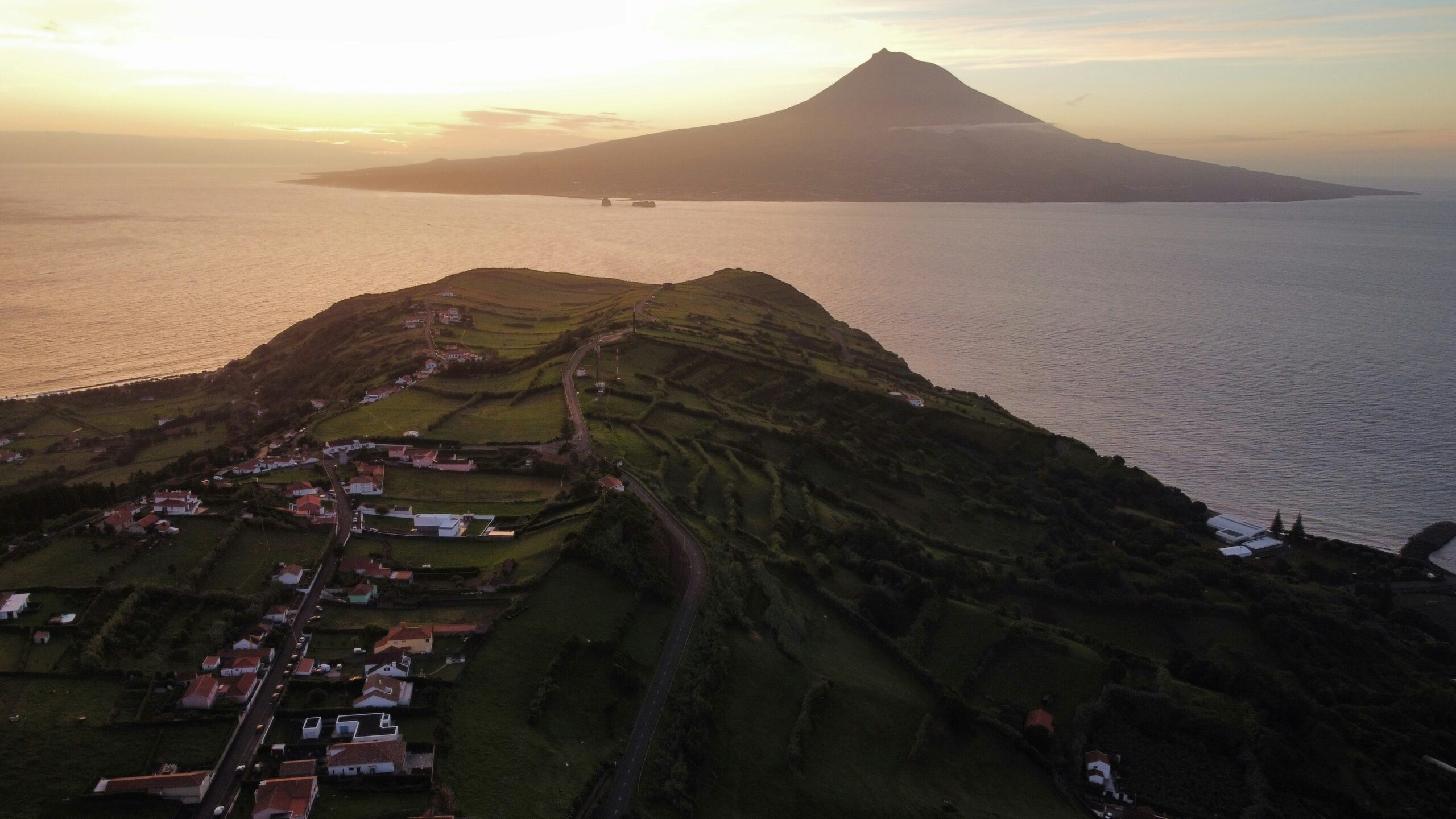
São Luiz, Josse van Huerter and Flemish Faial
Early name
Historical accounts record São Luiz as an early name used by Portuguese explorers. Faial’s modern name became associated with abundant faia vegetation noted by settlers.
Josse van Huerter
The Flemish nobleman arrived while seeking reported tin and silver. The minerals were not found, but he received a captaincy patent in 1468 and encouraged settlement.
Flemish immigrants
Ties between Portugal and Burgundy/Flanders helped bring settlers to the Azores during the 15th century.
Flamengos
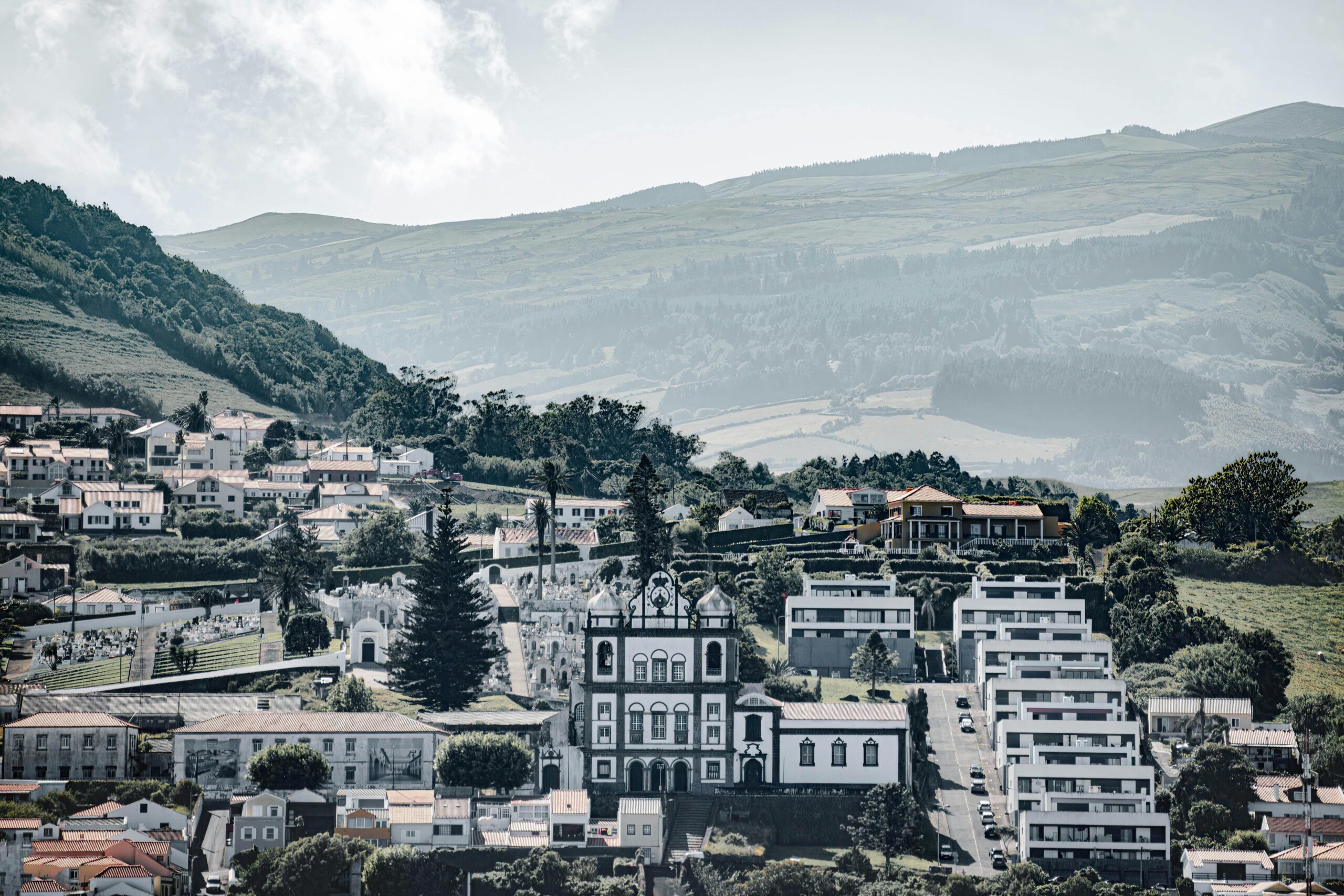
The inland parish name preserves the Flemish presence and remains one of the clearest settlement markers on the island.
Woad economy
Woad grown for blue dye became a principal early export alongside grain and other agricultural products.
Blue Island across centuries
The later hydrangea identity echoes a much older association between Faial, blue color and Atlantic trade.
Conflict
Spanish Occupation and Privateer Attacks
Faial was taken by Spanish forces in 1583 during the Iberian Union and the wider struggle for control of the Azores. Its exposed harbor and Atlantic shipping made the island valuable but vulnerable. English privateering expeditions attacked Horta in the late 16th century.
1583 occupation
Spanish control followed the defeat of Azorean resistance and tied Faial to the military contest over Portuguese succession.
1597 destruction
A destructive 1597 raid is attributed to Sir Walter Raleigh. Historical summaries often place Raleigh within the Earl of Essex’s Islands Voyage, so the attribution is best understood within that broader expedition context.
Harbor defenses
Fortifications around Horta responded to the danger facing ships, cargo and residents in an international anchorage.
Atlantic exposure
Trade brought opportunity, while war, privateering and distant imperial rivalry repeatedly reached the island.
Liberal and whaling era
Pedro IV, American Whalers and a Growing Port
Liberal cause
Faial supported Portugal’s constitutional movement during the 19th-century Liberal Wars.
Pedro IV in 1832
The king’s visit reinforced the island’s political connection with the Liberal campaign based in the Azores.
Transatlantic ships
Horta became a service and supply stop for vessels moving between Europe and the Americas.
American whalers
Whaling ships and crews shaped employment, migration, knowledge and the scrimshaw tradition preserved in Horta.
Port construction from 1876
Harbor works strengthened Horta’s role for commercial and later recreational navigation.
Marina tradition
Yacht crews eventually added painted vessel marks to harbor walls, turning a working port into an international social landmark.
Global communications
Telegraph Cables, Seaplanes and World Connections
First cable, 1893
The first submarine telegraph cable landed at Horta in 1893, initiating a communications era that linked Europe and North America.
Cable companies
Foreign technicians and company buildings gave Horta an unusually international community and architecture.
Service through 1969
The cable network remained important into the 20th century and was especially significant during periods of global conflict.
Transatlantic seaplanes
Horta’s bay served early long-distance flying boats as a refueling and staging point.
Technology moves on
Radio, satellites and modern communications ended the cable city’s original function but left a strong historical layer.
Yachting inherits the crossroads
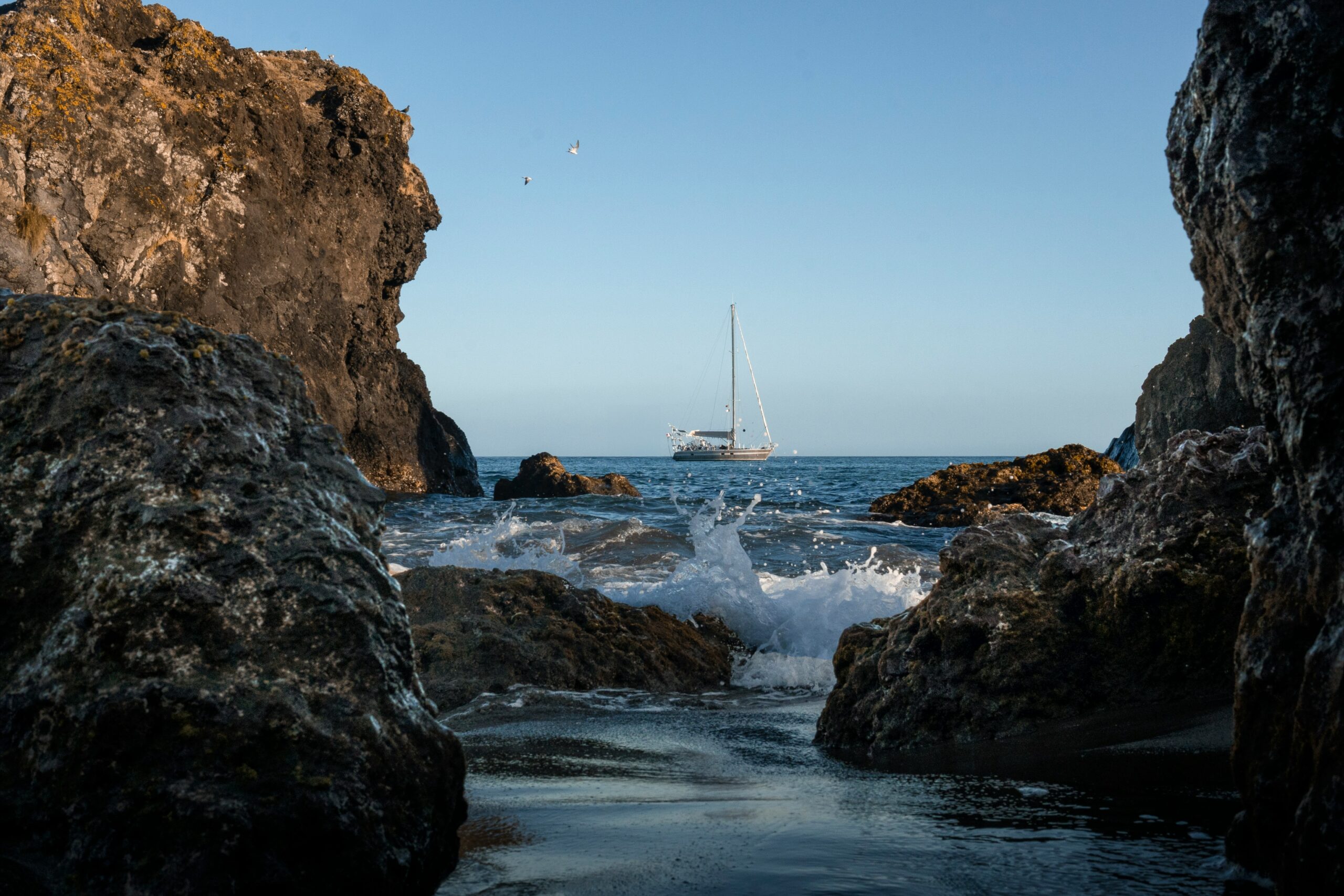
Modern sailors continue the pattern of Horta as a mid-Atlantic stop and exchange point.
Eruption and resilience
Capelinhos, Migration and Modern Faial
1957–58 eruption
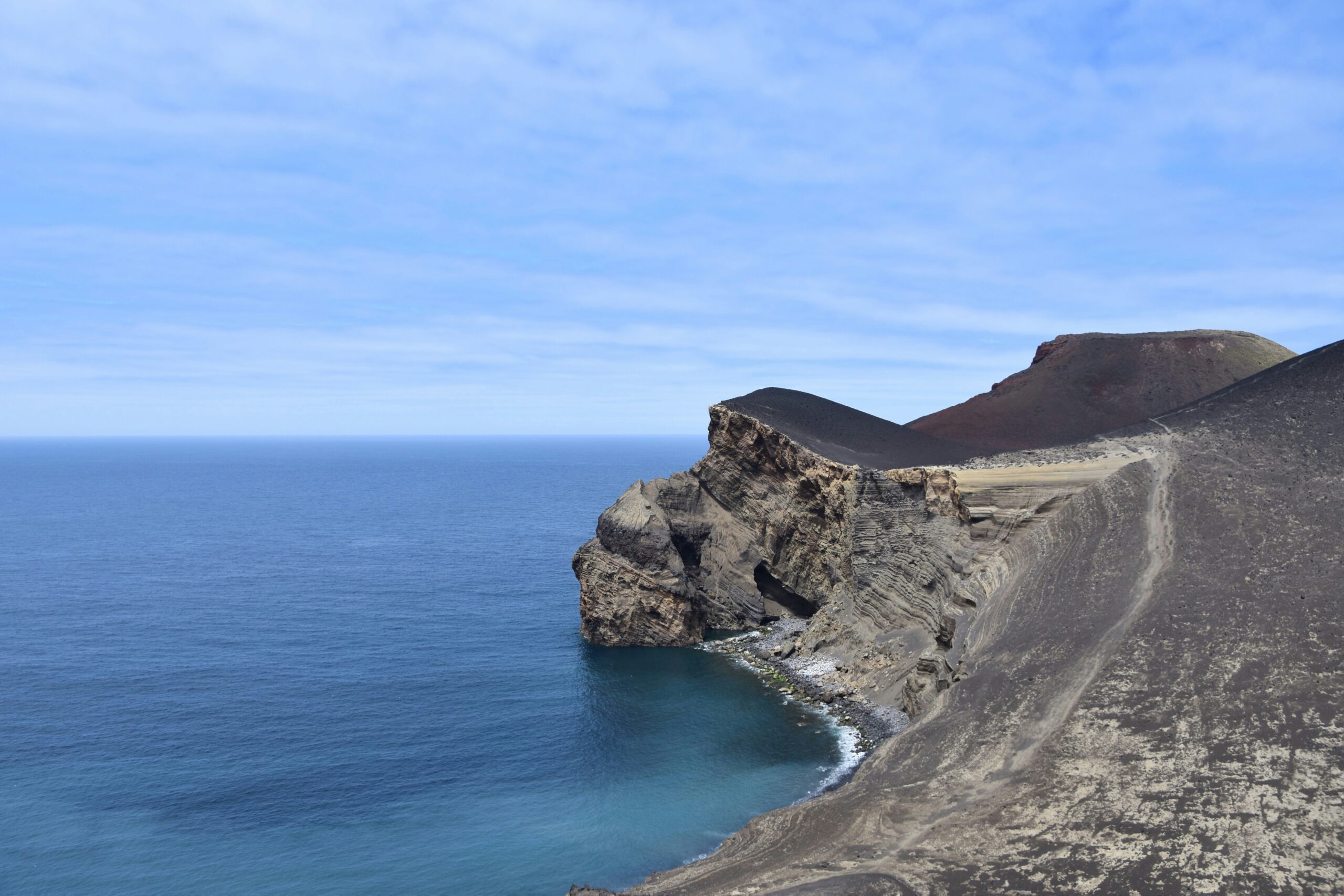
The Capelinhos eruption began offshore, spread ash over western communities and created new land beside the lighthouse.
Homes and farmland
Ash, earthquakes and volcanic damage displaced residents and disrupted the west of Faial.
Migration
The disaster helped drive emigration, especially to North America, strengthening Faial’s long diaspora connections.
Scientific importance
Capelinhos allowed direct observation of a new volcanic landscape and remains central to Azorean geoscience interpretation.
1998 earthquake
A major July 1998 earthquake damaged northeastern Faial and again demonstrated the island’s active tectonic setting.
Economy today
Agriculture, services, tourism, transport and maritime culture now support an island still closely connected with its diaspora.
Visit with context
Practical Faial History Tips
Begin in Horta
The marina, fort, museum, cable buildings and Peter Café Sport place several historical periods within one walk.
Pair Capelinhos with interpretation
The ash field is far more meaningful after learning about the eruption, lighthouse, migration and erosion.
Distinguish whaling from whale watching
Museums preserve a former hunting economy; current cetacean tourism is observation-based and regulated.
Look beyond a single origin story
Faial’s identity includes Portuguese authority, Flemish settlement, Atlantic labor, migration and international technology.
Check museum schedules
Island museums and historic interiors may use seasonal hours or weekly closing days.
Respect working harbor areas
The marina is heritage and active infrastructure at the same time.
Continue the story
Related Faial Travel Options
Private guided Faial
The six-night guided program includes Horta and island history with a local driver-guide.
Independent self-drive
The Faial self-drive package allows time for museums, Capelinhos and coastal parishes.
Multi-island private tours
Use multi-island guided itineraries to connect Faial’s history with Pico, Terceira and São Miguel.
Questions travelers ask
Faial History FAQ
Who settled Faial Island?
Portuguese authority organized settlement, while Josse van Huerter and other Flemish immigrants played a major role from the mid-15th century.
Why is Flamengos called Flamengos?
The parish name preserves the memory of Flemish settlers who established communities on Faial.
Why was Horta important to telegraph cables?
Its mid-Atlantic harbor and location made Horta a landing and operating center for submarine cables connecting Europe and North America.
What happened during the Capelinhos eruption?
From 1957 to 1958, offshore and coastal volcanic activity created new land, covered western areas in ash and accelerated emigration.
Why is Horta famous among sailors?
Its sheltered port has served transatlantic vessels for centuries, and today yacht murals and Peter Café Sport symbolize that international tradition.
Build a practical island stay
Plan Your Faial Vacation
Azores.com can coordinate lodging, transportation, guided experiences and enough flexibility for Faial’s fast-changing Atlantic conditions.