Flores Local Products & Handcrafts: What to Buy
Weaving, embroidery, plant fibers, wood and responsible coastal craft
Flores Local Products and Handcrafts
Flores handcrafts grew from domestic necessity and the materials available on a remote island. Textiles, baskets, artificial flowers, wood objects and shell decoration preserve skill as well as memory.
Textile traditions
Embroidery, Lace and Blanket Weaving
Embroidery
Women decorated tablecloths, curtains, clothing and household linens with patterns learned through families and adapted to local flowers and everyday life.
Lace
Crochet and other lace techniques produced fine borders, doilies and decorative pieces whose value lies in skilled labor rather than souvenir volume.
Blanket weaving
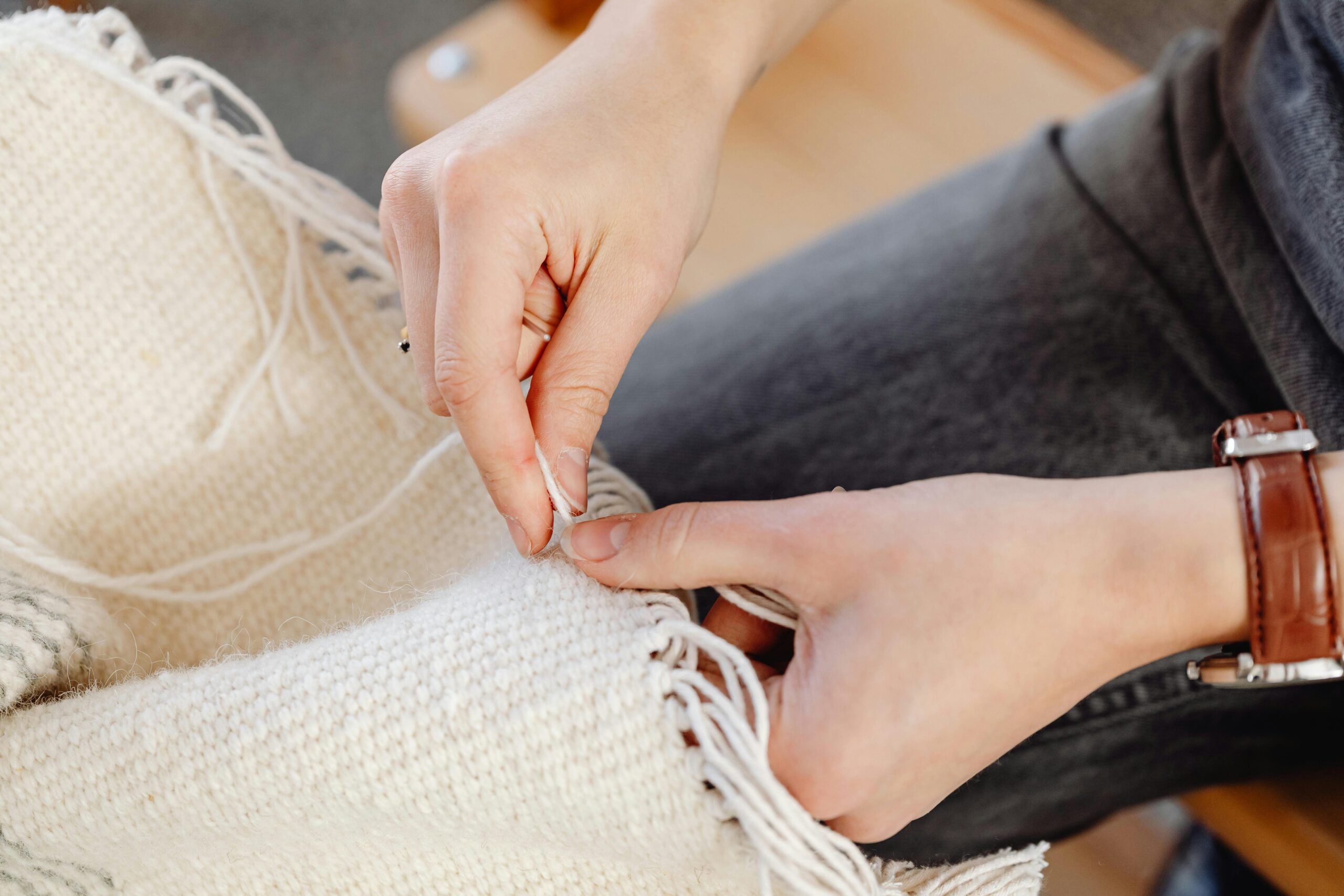
Simple looms turned yarn into warm, often colorful blankets for household use, bedding, clothing and later decorative display.
Natural inspiration
Flowers, leaves, birds, waves and geometric forms appear in contemporary work, linking design with the island landscape.
Ask for the maker
A genuine local piece should have an identifiable artisan, cooperative or workshop; a Flores motif alone does not prove island manufacture.
Care and packing
Keep woven goods dry, fold embroidery around clean tissue and ask how wool or plant fibers should be stored at home.
Plant and coastal materials
Wicker, Rafia, Flowers and Shells
Wicker and rattan
Basket makers used wicker, wood, rafia and related fibers for carrying baskets, storage, furniture and household objects.
Adapted techniques
Some accounts connect particular basket forms with African influence carried through Atlantic exchange; makers may use different local terms and materials.
Artificial flowers
Delicate flowers were made from plant pith and other light material, producing translucent petals that require patience and careful handling.
A vulnerable craft
Pith-flower making has declined as practitioners age and materials change. Buying directly from a living artisan helps preserve knowledge.
Seashell decoration
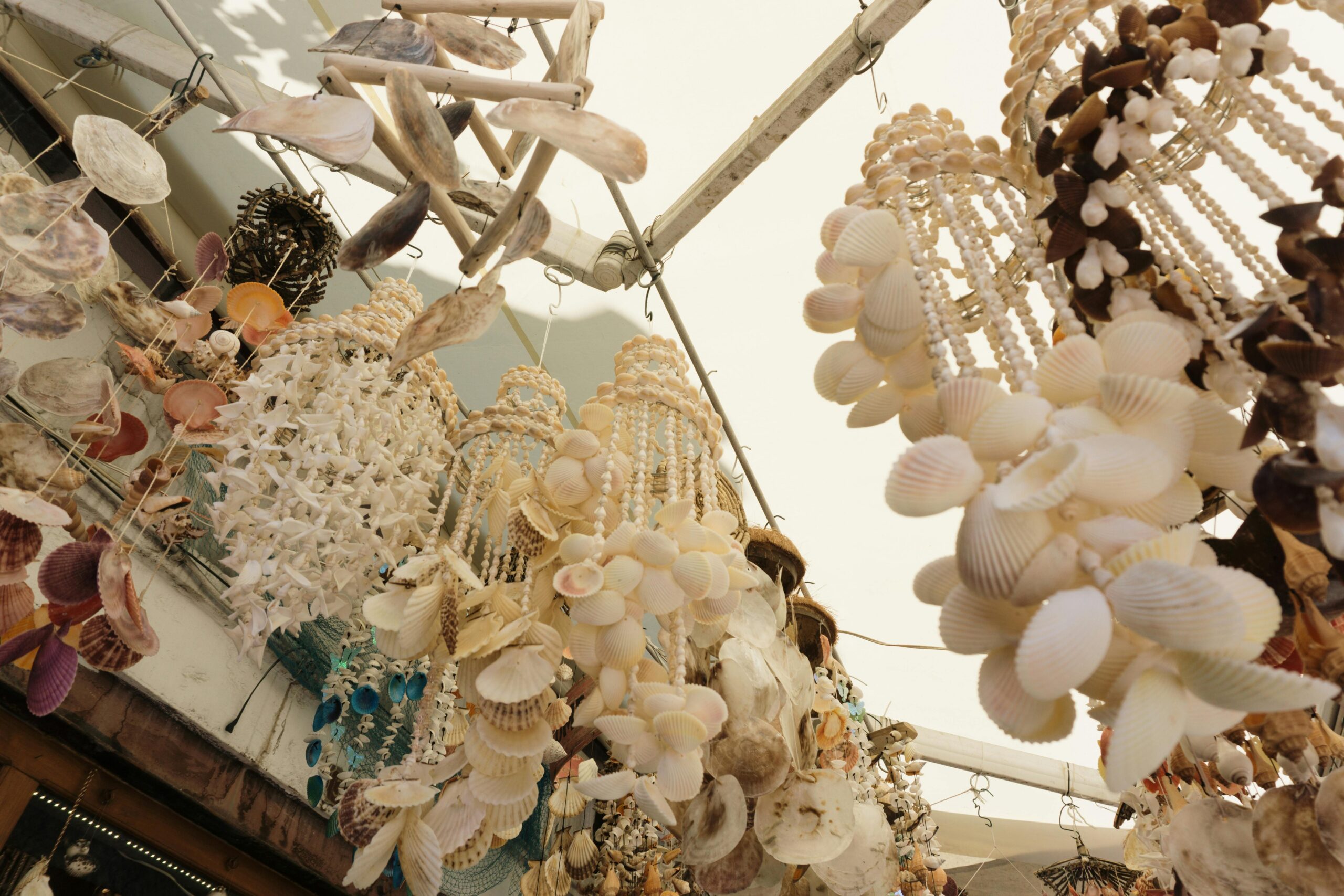
Shells appear in jewelry, frames, boxes and ornaments, reflecting Flores’ coast and maritime imagination.
Responsible shells
Do not collect live, protected or habitat-forming shells. Ask the seller about material origin and check destination-country rules.
Wood and clay
Woodwork, Pottery and Lost Skills
Household woodwork
Carpenters made utensils, chests, furniture, tools and decorative objects for island homes, farms, mills and boats.
Cedar and other timber
Historic accounts mention cedar and native or introduced woods. Modern products should use lawfully sourced material rather than protected native vegetation.
Heirloom objects
Older wood pieces often carry family meaning and are not automatically commercial antiques. Buy only with clear ownership and provenance.
Historic pottery
Fazenda and Lajedo were associated with pots, jugs and practical clay vessels when local production met household demand.
A diminished industry
Traditional pottery no longer thrives at its earlier scale, but contemporary ceramics can reinterpret lakes, flowers, birds and basalt.
Contemporary craft
Candles, soaps, prints, ceramics, food products and small design objects broaden the island-made market beyond older categories.
Where to buy
Markets, Shops and Provenance
Loja das Tias
This Lajes das Flores shop is associated with varied regional crafts and locally produced candles; confirm current opening before travel.
Museums and visitor sites
Museum shops and interpretation centers can provide useful maker information and context for traditional techniques.
Markets and festivals
Summer events may bring artisans and producers together, but stalls and dates differ each year.
Direct from artisans
Workshops offer the strongest connection between object, maker, material and time required to produce it.
Food gifts
Honey, labeled preserves and packaged regional products can travel well when baggage, refrigeration and customs rules allow.
Not every island motif is local
Ask whether an item was made on Flores, elsewhere in the Azores or industrially produced before paying an artisan price.
Plan well
Practical Flores Shopping Tips
Look for provenance
Ask who made the item, where it was produced and what materials were used. Keep receipts for expensive or regulated goods.
Protect fragile craft
Use rigid packaging for shells, pith flowers, ceramics and candles; heat, moisture and baggage pressure can damage them.
Check customs rules
Food, plant fibers, wood, shells and animal material may face restrictions in the destination country.
Leave nature intact
Lava, plants, fossils, protected shells and archaeological objects are not souvenirs.
Support fair pricing
Hand weaving, lace, basketry and flower making are slow. Fair payment helps keep rare techniques viable.
Confirm store hours
Small shops may close seasonally or during lunch. Call before making a dedicated cross-island trip.
Questions travelers ask
Flores Local Products FAQ
What crafts is Flores known for?
Embroidery, lace, blanket weaving, wicker basketry, plant-pith flowers, shell decoration and woodwork are important traditions.
Where should I buy local crafts?
Try identified artisan workshops, museum shops, community markets, festival stalls and established stores such as Loja das Tias after confirming hours.
Can I collect shells?
Do not take live, protected or habitat-forming shells. Follow local rules and prefer documented craft materials from responsible sellers.
Is pottery still made on Flores?
Historic pottery associated with Fazenda and Lajedo has largely declined, while some contemporary makers use ceramics in newer ways.
What is an easy food gift?
Properly labeled honey or preserves can be practical if the product, baggage conditions and destination-country customs rules permit.
Build a practical island stay
Plan Your Flores Vacation
Azores.com can coordinate lodging, a rental car, inter-island transport and flexible days for Flores Island’s Atlantic weather.