Travel Consultants
Is your time too precious to spend long hours searching for the perfect holiday in the Azores? Looking for expert help in organizing your trip? Hire an Azores.com Travel consultant.

You came to surf the Azores because it’s rightly billed as a wave paradise, yet the Atlantic’s unpredictability means spot names alone won’t get you in the water; with more than 20 recognized surf breaks across the islands, the real skill is finding the right wave on the right day. This guide shows you how to read swells, winds, tides and local intel so you plan smart, chase less and maximize your surf sessions.
Key Takeaways:
Understanding the Azores’ Unique Surf Geography
You’re chasing surf in the Azores, where more than 40 recognized breaks across nine islands give you options but also demand local reading of conditions; Atlantic swells hit year-round, yet the right wave depends on matching swell direction, wind and tide to each island’s exposure so you actually score surf instead of driving island-wide blind.

Archipelago Exposure
São Miguel illustrates the point: its north shore harvests NW and W swells (Rabo de Peixe lights up on solid NW energy), while the south coast often fires on S-SW grounds; a flat north can mean machine-like peaks on the south, and the outer islands (Terceira, Faial) each pick up different compass angles, so you plan by island, not by spot name alone.
Key Environmental Factors
Three elements decide whether a spot is surfable: swell direction and period, wind direction and strength, and the tide window. A clean NW swell with 10s+ period boosts Rabo de Peixe; SW grounds like Pópulo need angled southern energy; a north wind ruins Santa Bárbara but gives offshore lines on south-facing breaks, so you chase the right combo, not just swell height.
Digging deeper, swell period matters: periods above 10-12 seconds pack enough energy to punch through Azorean shelf and shape clean reef peaks, while <10s wind chop often spoils them. Wind strength over 15-20 knots typically wrecks lines; glassy conditions usually occur when local guidance reports offshore breezes. Use spot-specific history, Santa Iria, for example, runs best on NW 10s+ with S-SW light wind, to avoid wasting a session.
The Manual Method: How to Hunt for Waves on Your Own
The DIY hunt works, but you’ll trade hours and fuel for a handful of sessions: juggling forecasts, maps and island access often means driving to the wrong coast. With more than 40 recognized surf breaks across the Azores, the skill is finding the right break on the right day-otherwise you’ll spend tripside time instead of surf time.
Decode the Surf Forecasts
Use Surfline and Windguru to monitor swell height, direction and period; for Santa Iria on São Miguel you want a clean NW swell with a 10s+ period and light S-SW winds. Cross-check buoy data and two-hour wind runs-miss the period or wind and a perfect peak can turn mushy or close out.
Map Your Potential Spots
Open Google Maps and pin north and south coast options like Rabo de Peixe, Santa Bárbara and Pópulo, then note likely access points. Many entries hide down farm tracks, gated lanes or require a short hike, so a spot that looks perfect on satellite can be inaccessible or eat up 20–30 extra minutes to reach.
Zoom into satellite view and trace the final 500-1,000 meters of road, use Street View where available, and save GPS coordinates from local reports. Mark parking, stairways and tide-dependent entry, download Maps.me for offline navigation, and factor 30–60 minute drives between coasts, 45 minutes is common on São Miguel, so you don’t miss the best window.

The Daily Chase: Reality of Surfing in the Azores
On-the-Ground Routine
You wake before dawn, check Surfline and Windguru for a clean NW swell of 10 seconds or more and a light southerly wind for Santa Iria, then drive 45 minutes only to find the wind has swung and the two-hour peak is gone. With over 40 recognized surf breaks across the nine islands, a flat north shore can mean perfect waves on the south coast, but hunting alone burns hours in the car, wastes fuel, and often leaves you surfing far fewer sessions than the 3-4 you planned.
A Smarter Way: Use Local Expertise to Score a Perfect Session
You can skip the daily guesswork by tapping local expertise: surf schools, guides and island shops that track conditions across more than 40 recognized breaks in the Azores. They trade live updates, WhatsApp reports, on-site photos and timed checks, so you get steered to the working break instead of driving blind. That on-the-ground intel turns a frustrating 45-minute gamble into extra hours in the water and typically doubles the number of quality sessions on a 7-day trip.
What “Local Expertise” Actually Means for Surfers
You gain access to a network, not a lone guide: surf schools, resident shapers, rental shops and drivers who share which spots are firing now. Expect specifics, “Rabo de Peixe rides best on a clean NW swell with 10s+ period,” or “skip Santa Bárbara on an east wind, head to Pópulo on the south coast instead.” Real handlers know microclimates, optimal tide windows and which access tracks are open today.
The Challenge of Connecting with Reliable Local Experts
You’ll face credibility gaps and logistics friction: finding trusted guides online, verifying certifications and recent activity, overcoming language barriers, and juggling car, accommodation and guide bookings across multiple platforms. Those hurdles turn a simple surf day into hours of admin and leave you exposed to no-shows, poor communication and missed peak windows.
Digging deeper, you should vet providers for lifeguard or rescue training, recent timestamped photos of sessions, and clear cancellation policies. Ask for local references and response-time guarantees—reliable operators use WhatsApp groups and daily check-ins. Bundling car, lodging and guide through one provider eliminates double-booking risk and recoups the time you’d otherwise waste driving between islands or searching for an accessible take-off point.
How to Plan Your Azores Surf Trip with Azores.com
Plan your trip through Azores.com to combine logistics with on-the-ground surf intel; the archipelago’s nine islands host over 30 recognized surf breaks, so local knowledge matters. The São Miguel & Terceira Island Hopping package, for example, bundles car rental, accommodations, and inter-island flights, giving you the mobility to chase the right swell without juggling bookings or last-minute transfers.
Choose a Flexible Itinerary
Pick a package that gives you a central base and mobility—São Miguel & Terceira Island Hopping arranges imperatives so you can move islands quickly. You keep freedom to change plans based on daily forecasts; swap a rest day for an unexpected NW swell hitting Rabo de Peixe, or head south to Pópulo when the north shore is flat. Flexibility maximizes sessions over a 5-7 day trip.
Add a Guided Surf Experience
Add a Local Surf Guide through Azores.com for a day or two to eliminate the daily guesswork; guides read microconditions and drive you to the best spot for your level based on live swell, wind, and tide. That means more time in the water and fewer wasted drives, especially useful if you only have 5-7 days to score quality sessions.
Guides typically handle gear rental, local launch points (many are down farm tracks), and timing to hit peak windows; you can book private or small-group sessions (often 1–4 people) and half- or full-day options. For example, if Santa Bárbara is blown out by a north wind, your guide will shift you to a protected south-coast break and scout the best entry point, saving hours of driving and guesswork.
Who Should Plan Their Azores Surf Trip This Way?
Who this approach fits
If you want to maximize surf time in the Azores, plan this way if you have 5-7 days and can’t waste sessions, are visiting the nine islands for the first time, coordinating a group, or traveling with family where one person needs dedicated surf windows. With over 40 recognized surf breaks across the archipelago, choosing a São Miguel–based itinerary, adding a local guide for 1-2 days, and a travel consultant to bundle car and lodging gets you more waves and less guesswork.
Summing up
As a reminder: if your goal is surfing in the Azores, the islands may look like a wave paradise, there are more than 50 recognized surf breaks, but the ocean is highly unpredictable. Knowing spot names won’t get you consistent sessions; the real advantage is finding the right wave on the right day. Use swell, wind and tide intelligence, pair forecasts with local insight, and plan logistics wisely so you spend your trip maximizing time in the water, not chasing conditions.
FAQ
Q: I want to surf in the Azores — is it really a wave paradise and what’s the main challenge?
A: If your goal is surfing in the Azores, know that the archipelago is widely praised for surf potential, with roughly 40+ recognized reef, point and beach breaks across the islands, but the ocean is highly unpredictable. Simply knowing spot names isn’t enough; the real secret is finding the right wave on the right day. This guide shows how to plan smartly so you maximize time in the water instead of chasing conditions.
Q: How does the Azores’ geography influence where the best waves show up?
A: The Azores sit in the middle of the North Atlantic, so swells arrive from multiple directions and different islands respond differently. São Miguel, for example, has exposures on north, west and south coasts; a flat north shore can coincide with excellent south-coast waves. That variability makes local knowledge valuable because small changes in swell direction, wind or tide can flip which island or coast is working.
Q: What environmental factors should I check before committing to a spot?
A: Focus on three elements: swell direction/period, wind, and tide. Swell direction: a NW swell will load spots like Rabo de Peixe (São Miguel) while a SW swell favors a beach like Pópulo (Terceira). Wind: offshore winds clean up a break, a northerly wind is bad for Santa Bárbara (north São Miguel) but can be offshore for a south-coast break. Tide: some reef and point breaks only work on mid to high tide, while others break better on low tide; a tide change can turn a perfect wave into un-surfable shorebreak in hours.
Q: How do I decode surf forecasts from home and what tools help?
A: Use forecasting tools like Surfline and Windguru to read swell direction, period, and wind. Example: for Santa Iria (São Miguel) you’d want a clean northwest swell with a period of 10 seconds or more combined with a light wind from the south or southwest; miss one of those variables and Santa Iria can be flat, bumpy, or blown-out. Cross-check swell angle, swell period, wind direction and strength, and recent local buoy data where available.
Q: If I try to find spots myself, what problems will I run into on the ground?
A: After forecasting you’ll map potential spots (Google Maps pins for north and south coasts) and then face access issues: many entry points are unmarked, hidden down farm tracks, gated or across private land. That leads to wasted time scouting and forced detours to different breaks. A spot that looks perfect on satellite can be inaccessible or dangerous to reach on foot.
Q: What does the daily “manual chase” actually cost me in time, money and sessions?
A: The routine is: wake up, check the forecast, pick a spot, drive (commonly 30-60 minutes one way), arrive and find the wind or swell wrong. That’s typically 1.5-3 hours wasted per failed chase, plus fuel and car wear (expect €10-€25 per failed trip depending on distance), and most painfully, you miss prime 1–2 hour surf windows. Multiply that across several days and you lose more surf time than you gain.
Q: How does using local expertise and Azores.com change the outcome for my surf trip?
A: Local expertise means a network of guides and schools exchanging real-time, on-the-ground info about which spots are working right now and for what skill level, not just a single guide. Those contacts know microclimates, access routes, and subtle break behavior that forecasts miss. Finding reliable experts independently is hard: you must vet credentials, navigate language barriers, and coordinate car, lodging and guides separately. Azores.com bundles logistics and local knowledge: choose a flexible itinerary, add a Local Surf Guide day through the booking process, and request a personalized plan from a Dedicated Travel Consultant . Ideal users: time-crunched surfers (5-7 days), first-time Azores visitors, group trip organizers, or families balancing surf and other activities. Talk to one of our Azores travel experts to build a personalized surf trip that gets you to the best waves, guaranteed. Or, explore our Adventure Packages to see how we bundle everything you need for the perfect surf vacation.

Eunice Costa has served as Travel Director of Portugal Online Corp., Azores.com (Azores Travel and Tours) since 1996. Born in the Azores and now based in California, she brings more than 30 years of experience promoting the Azorean Islands and creating thoughtfully designed tour packages, especially tailored for the U.S. and Canadian markets, that combine exceptional experiences with great value. Through her contributions to the Azores.com blog, Eunice shares her deep knowledge and passion for all nine Azorean Islands, helping travelers discover the very best of this unique destination.
Is your time too precious to spend long hours searching for the perfect holiday in the Azores? Looking for expert help in organizing your trip? Hire an Azores.com Travel consultant.
Let us find the right itinerary for your Azores group travel needs. From family reunions to team building, we're here to help. From Sao Miguel to Flores, we guarantee the best service!

Have a question about traveling to Azores? Need more info about booking tour packages, day tours, activitis hotels or car in Azores? Click below to contact us.

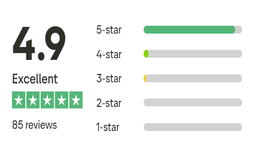
Read Azores.com reviews on Trustpilot.com.