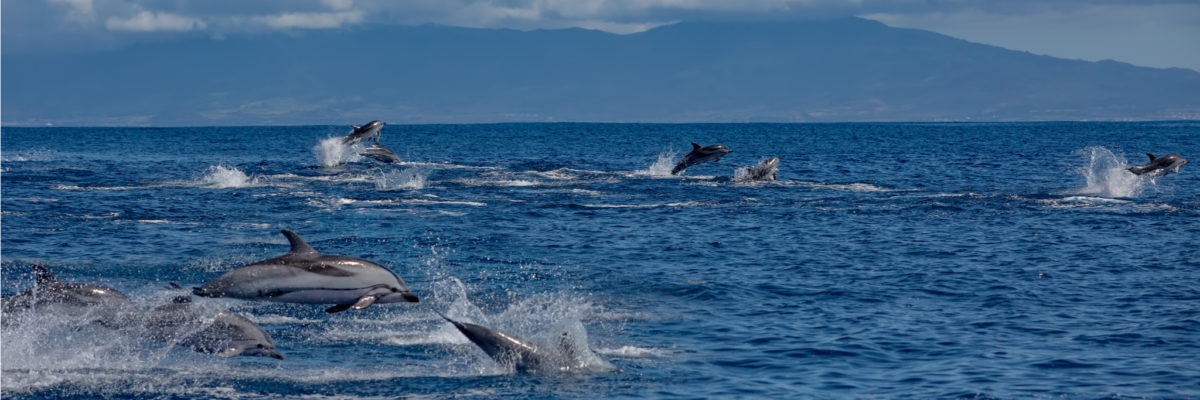
Cetaceans occur in Azorean waters year-round. Whale watching takes place around nine volcanic islands in the temperate North Atlantic, beside deep routes and feeding waters used by toothed and baleen whales. Historical sightings and strandings have documented 28 cetacean species across the Azores. A cetacean is a whale, dolphin, or porpoise. That species count is […]
Under the current eBird/Clements taxonomy, the birds of the Azores include three species found nowhere else on Earth, distinctive island subspecies, major seabird colonies, familiar residents, and occasional visitors from both sides of the Atlantic. That mix makes this Portuguese archipelago rewarding for beginners and experienced birders. It also calls for realistic expectations. Official sources […]
Accessible Azores: How to Explore the Islands with Limited Mobility The Azores can suit travelers with limited mobility, as long as the itinerary is built around verified step-free or low-walking sights, pre-arranged transport assistance, and a vehicle that matches your needs. This guide processes one central question, accessible travel in the Azores, so you can […]
Azores Natural Pools: How to Choose Where and When to Swim By the Azores.com Travel Team. Last updated June 2026. Azorean natural pools use volcanic rock, sheltered coves, or low sea walls to calm the water, yet every one of them stays connected to the open Atlantic. The best pool for you depends on seven […]
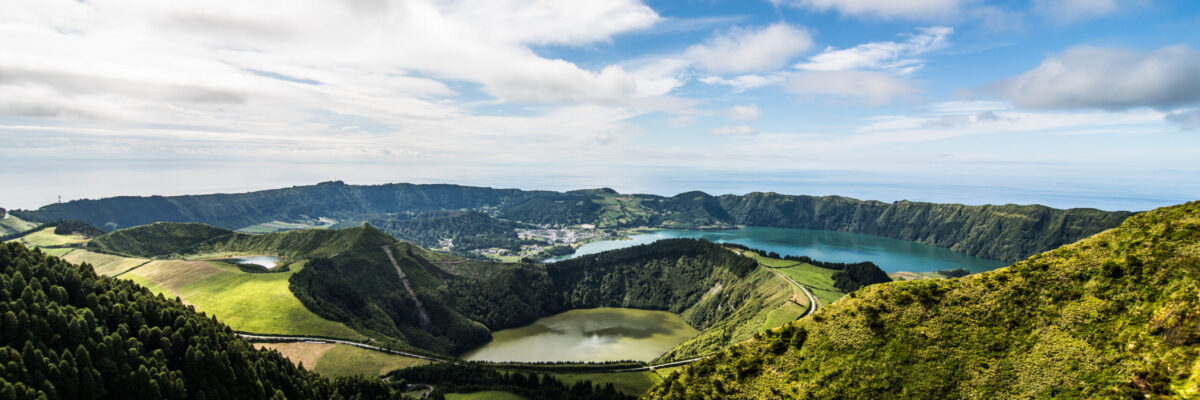
Volcanoes, Crater Lakes, Hot Springs, and the Green Island of Portugal São Miguel is the largest and most diverse island in the Azores, an autonomous region of Portugal located in the middle of the North Atlantic Ocean. Known as “The Green Island,” São Miguel is famous for its volcanic landscapes, crater lakes, lush forests, geothermal […]
A guide for North American travelers comparing the Atlantic’s three most popular island archipelagos. You’re dreaming of a European island escape in the Atlantic, and three names keep coming up: the Azores, Madeira, and the Canary Islands. All three promise volcanic landscapes, dramatic ocean views, and a welcome break from the ordinary. But beneath the […]
10 Reasons the Azores islands Look Like Jurassic Park Did you know that the Jurassic Park universe once considered expanding to Europe? Imagine a second dinosaur park, Jurassic Park: Europe, set on a mysterious island in the Azores. Discover the untold story behind this intriguing concept and what could have been. Overlooking the vast Atlantic […]
With their dramatic volcanic landscapes, thermal pools, and pristine Atlantic beaches, the Azores islands offer you a European adventure unlike any other. Located midway between North America and mainland Portugal, this autonomous archipelago combines raw natural beauty with authentic Portuguese culture, making it a top destination for an Azores vacation. Your journey to these nine […]
Azores volcano landscapes offer you a rare chance to explore one of Earth’s most dynamic geological wonders. Set in the Atlantic Ocean where three tectonic plates meet, these nine islands showcase an array of volcanic features that you can discover through various guided experiences. From hiking the rim of Sete Cidades crater to soaking in […]
There’s a hidden paradise where Europe meets Hawaii in the middle of the Atlantic Ocean – the beautiful Azores archipelago. An Azores honeymoon will be an experience you will never forget! It’s the perfect honeymoon destination, across nine stunning islands, from Terceira’s charming historical towns to Pico Island’s dramatic volcanic landscapes. You’ll discover a largely […]
There’s something truly magical about encountering dolphins in their natural habitat. In Azores dolphin watching andswimming are unforgettable experiences you can have in the archipelago. Your journey to swim alongside these intelligent marine mammals or watch them play in their natural environment becomes even more special in the pristine waters of this Portuguese archipelago. Whether […]
Azores, a stunning Portuguese archipelago in the Atlantic Ocean, shares remarkable similarities with Hawaii, earning its nickname as “Europe’s Hawaii.” Here are 12 compelling Azores vs Hawaii reasons why you might want to consider these magical islands for your next adventure. 1. Azores vs Hawaii: Both are volcanic islands Azores and Hawaii feature dramatic volcanic […]
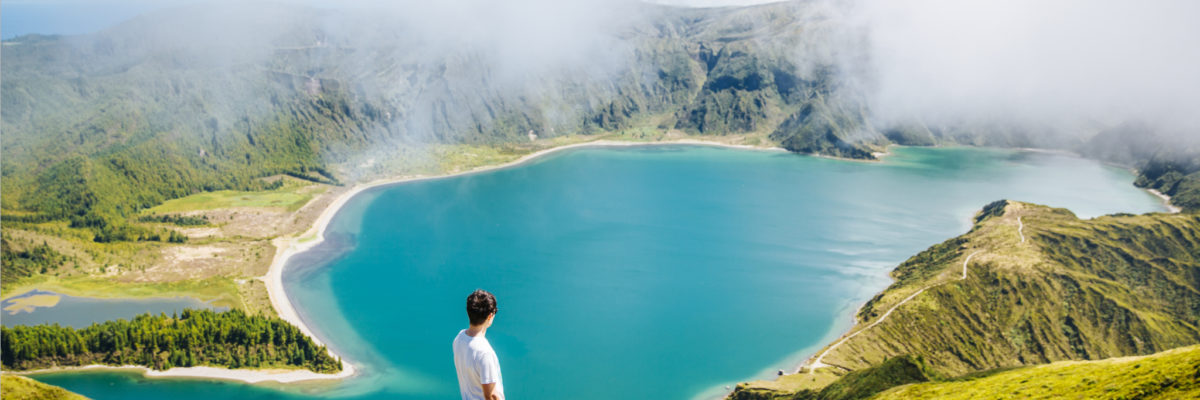
The Azores islands feature stunning volcanic landscapes, with pristine crater lakes in ancient volcanoes. Each of the nine Portuguese islands offers unique charm and activities, from the Furnas Lake Azores and the twin lakes of Sete Cidades on São Miguel Island to the mystical Lagoa do Fogo . These natural wonders are ideal for hiking, […]
São Miguel, the largest Island of the archipelago, offers lush landscapes, lakes, and adventures. This 7-day São Miguel Azores Itinerary guide covers the island’s highlights, from hot springs to coastal villages, with efficiently grouped activities to maximize your visit. Get to know a little more about São Miguel! The São Miguel Azores itinerary start with […]
When planning your trip to Azores, having the best travel guide book can enhance your experience and help you navigate this beautiful archipelago. With unique landscapes, rich culture, and outdoor adventures, the Azores deserve more than just a quick visit. In this curated list, made by our team of experts in Azores, you’ll discover the […]
Manage Consent
To provide the best experiences, we use technologies like cookies to store and/or access device information. Consenting to these technologies will allow us to process data such as browsing behavior or unique IDs on this site. Not consenting or withdrawing consent, may adversely affect certain features and functions.
Functional
Always active
The technical storage or access is strictly necessary for the legitimate purpose of enabling the use of a specific service explicitly requested by the subscriber or user, or for the sole purpose of carrying out the transmission of a communication over an electronic communications network.
Preferences
The technical storage or access is necessary for the legitimate purpose of storing preferences that are not requested by the subscriber or user.
Statistics
The technical storage or access that is used exclusively for statistical purposes.The technical storage or access that is used exclusively for anonymous statistical purposes. Without a subpoena, voluntary compliance on the part of your Internet Service Provider, or additional records from a third party, information stored or retrieved for this purpose alone cannot usually be used to identify you.
Marketing
The technical storage or access is required to create user profiles to send advertising, or to track the user on a website or across several websites for similar marketing purposes.
To provide the best experiences, we use technologies like cookies to store and/or access device information. Consenting to these technologies will allow us to process data such as browsing behavior or unique IDs on this site. Not consenting or withdrawing consent, may adversely affect certain features and functions.
Functional
Always active
The technical storage or access is strictly necessary for the legitimate purpose of enabling the use of a specific service explicitly requested by the subscriber or user, or for the sole purpose of carrying out the transmission of a communication over an electronic communications network.
Preferences
The technical storage or access is necessary for the legitimate purpose of storing preferences that are not requested by the subscriber or user.
Statistics
The technical storage or access that is used exclusively for statistical purposes.The technical storage or access that is used exclusively for anonymous statistical purposes. Without a subpoena, voluntary compliance on the part of your Internet Service Provider, or additional records from a third party, information stored or retrieved for this purpose alone cannot usually be used to identify you.
Marketing
The technical storage or access is required to create user profiles to send advertising, or to track the user on a website or across several websites for similar marketing purposes.