Travel Consultants
Is your time too precious to spend long hours searching for the perfect holiday in the Azores? Looking for expert help in organizing your trip? Hire an Azores.com Travel consultant.
You have decided to visit the Azores. You have seen the photographs of emerald crater lakes, volcanic hot springs, and whale-filled Atlantic waters. You may have even chosen which islands to visit. But now comes the question that trips up nearly every first-time visitor: how exactly do you get around once you are there?
The Azores are not like most vacation destinations. There is no metro, no Uber, no Bolt, no rail network, and no hop-on-hop-off bus. On smaller islands like Flores or São Jorge, public buses may run only two or three times per day. This is a remote Atlantic archipelago of nine islands spread across 600 kilometers of ocean — and the way you choose to travel between and within those islands will fundamentally shape your experience.
This is, by far, the most frequently asked question on Reddit’s r/azores forum, where threads like “Rent car vs. Tours?” and “Exploring the Azores without a car — possible?” generate dozens of passionate responses from travelers and locals alike. The answer is always the same: it depends on who you are.
This guide breaks down the three main ways to explore the Azores — self-drive, private guided tour, and active holiday — walks you through five simple questions to find your match, and answers the 20 most common questions travelers ask before booking.
Before deciding how to travel, two foundational questions need answering: when and how long. Both directly influence which travel style works best.
The Azores have a mild, maritime climate with no extreme heat or cold — but weather varies significantly by season. June to August offers the warmest temperatures (22–26°C), the longest daylight hours, and the calmest seas for swimming and whale watching. This is peak season, with the highest prices and the most visitors — though even in August, the Azores never feel overcrowded. The archipelago received approximately 470,000 tourists in all of 2024, compared to 18 million in the Canary Islands.
May and September are the sweet spot for most travelers — pleasant temperatures, fewer crowds, lower prices, and excellent conditions for hiking are the sweet spot for most travelers — pleasant temperatures, fewer crowds, lower prices, and excellent conditions for hiking. April to June is peak whale watching season, when sperm whales, blue whales, and dolphins are most active in Azorean waters.
November to February is the wettest and coolest period, with December averaging around 120mm of rainfall. However, winter has its own appeal: dramatic cloud formations, lush green landscapes at their most vibrant, and the lowest prices of the year. Self-drive travelers should be aware that mountain roads can be foggy and slippery in winter.
The cheapest month to visit is typically November or February, when both flights and accommodations drop to their lowest rates is typically November or February, when both flights and accommodations drop to their lowest rates. For the best balance of good weather and value, May and October are ideal.
This depends on how many islands you want to see and which travel style you choose:
| Trip Length | Recommended Islands | Best Travel Style | Pace |
| 3–4 days | São Miguel only | Guided tour (maximizes limited time) | Fast — highlights only |
| 5–7 days | São Miguel (deep dive) or 2 islands | Self-drive or guided | Comfortable — room for spontaneity |
| 7–10 days | 2–3 islands (classic: São Miguel + Faial + Pico) | Self-drive or guided multi-island | Ideal — immersive without rushing |
| 10–15 days | 4–5 islands | Self-drive (most freedom) or active holiday | Leisurely — the full Azores experience |
Is 3 days in the Azores enough? Three days is enough to see the main highlights of São Miguel with a rental car — Sete Cidades, Furnas, and Lagoa do Fogo — but you will miss the slower, more authentic experiences that make the Azores special. If you only have 3 days, stick to one island and consider a guided tour to maximize every hour.
A minimum of 5 days is recommended for a satisfying first visit. For a multi-island trip that includes the classic Faial–Pico–São Miguel triangle, 7 to 10 days is ideal7 to 10 days is ideal. Rushing through islands defeats the purpose — the Azores reward slow, immersive travel.

Now that you know when to go and how long to stay, here is what each travel style actually looks like on the ground.
Self-Drive means you rent a car — automatic transmission is available on all islands — and follow a pre-planned itinerary at your own pace. Your hotels, breakfast, and airport transfers are arranged in advance, but you control the daily schedule. You decide when to stop at a viewpoint, how long to linger at a hot spring, and whether to take that unmarked side road to a hidden waterfall. Azores.com’s self-drive packages include hotel accommodations, daily buffet breakfast, automatic transmission rental car, airport transfers, and a detailed day-by-day itinerary covering one to five islands.
Private Guided Tour means a local, English-speaking guide drives you, narrates the history and geology of what you are seeing, and takes you to places you would never find in a guidebook. Everything is handled — transport, hotels, sightseeing, and in some packages, meals. You simply show up and experience the islands. Azores.com offers single-island guided tours, multi-island private guided tours covering up to five islands, and small group VIP tours for groups of 4 to 22 people.
Active Holiday is an activity-packed itinerary that combines hiking, canyoning, whale watching, cycling, kayaking, and more is an activity-packed itinerary that combines hiking, canyoning, whale watching, cycling, kayaking, and more. These are designed for travelers who want to do things, not just see things. Expert guides lead each activity with all equipment and logistics handled. Azores.com’s active holiday packages range from 8-day single-island adventures to 11-night multi-island treks across volcanic landscapes, thermal springs, and ancient vineyards.
The following table summarizes the key differences at a glance:
| Feature | Self-Drive | Private Guided Tour | Active Holiday |
| Who drives? | You | Your guide | Your guide / activity leaders |
| Pace | Entirely your own | Structured but flexible | Activity-driven |
| Planning required by you | Minimal (itinerary pre-set) | None | None |
| Best for | Independent explorers, couples, families | First-timers, culture lovers, non-drivers | Hikers, adventure seekers, active couples |
| Flexibility | Maximum | Moderate | Moderate |
| Cultural depth | Self-directed | Expert narration included | Activity-focused |
| Typical duration | 7–15 days | 7–15 days | 8–12 days |
| Car included? | Yes (automatic transmission) | No (guide drives) | No (guide drives) |
Rather than telling you which style is “best” — because there is no universal answer — here are five questions that will lead you to the right choice for your specific trip.

If the answer is yes, self-drive unlocks the fullest Azores experience. The islands reward spontaneity — the best moments often happen when you take an unmarked turn and stumble upon a viewpoint, a hidden waterfall, or a village bakery that locals have kept secret for generations. As one traveler put it on Reddit: “Sometimes you take a wrong turn and stumble upon the most beautiful views and charming areas“.
Azores roads are well-maintained, highways have clear signage, and traffic outside Ponta Delgada is remarkably light. Automatic transmission cars are available on all islands. The main caveats, based on real traveler experiences: streets in historic town centers like Ponta Delgada are narrow, curbs are sharper than in North America, and you should never follow GPS blindly on rural roads — it may route you down unpaved farm tracks. Also worth noting: access to some attractions, such as Lagoa do Fogo on São Miguel, is periodically restricted to tour buses only.
If the answer is no, or if the idea of navigating unfamiliar mountain roads adds stress rather than excitement, a private guided tour is the better choice. There is no shame in this — many experienced travelers prefer guides in the Azores precisely because the islands reward local knowledge. A guide knows which viewpoints are best at which time of day, which restaurants serve the freshest catch from that morning’s boats, and which trails are safe after heavy rain. As one New York-based traveler wrote: “I don’t drive, but I traveled to the Azores and it was completely fine. We had an amazing tour guide take us all over the island”.
If you chose self-drive, explore the Self-Drive 4 Island Best Seller — it covers Terceira, Faial, Pico, and São Miguel with automatic car and hotels included.
If you chose guided, explore the 3 Island Private Guided Classic — Faial, Pico, and São Miguel with a private guide handling everything.
 If you want to hike volcanic craters at dawn, go canyoning through waterfalls, kayak into sea caves, and end the day soaking in a thermal hot spring, the active holiday is designed for you. These are not generic “adventure tours” — they are expert-led expeditions into some of Europe’s most dramatic landscapes. Azores.com’s active packages include hikes to Furnas Valley, Sete Cidades crater, and Lagoa do Fogo, plus canyoning, coasteering, and whale watching with all equipment provided . The 11-Night Multi-Island Trek covers three islands with volcanic crater lakes, thermal springs, and the UNESCO-listed Pico vineyards.
If you prefer a more relaxed cultural pace — scenic viewpoints, wine tasting at a Pico vineyard, strolling through Angra do Heroísmo’s UNESCO-listed streets, and long lunches of fresh-caught fish — a guided tour or self-drive at a leisurely pace is the better fit.
If you chose active, explore the Active Holiday packages.

The number of islands you plan to visit is one of the strongest determinants of which travel style works best.
For one island over 5–7 days, São Miguel is the natural choice for first-timers — it has the most diversity, the best infrastructure, and enough to fill a full weekone island over 5–7 days, São Miguel is the natural choice for first-timers — it has the most diversity, the best infrastructure, and enough to fill a full week. Both single-island self-drive and single-island guided tours are available.
For two to three islands over 7 to 10 days, the classic combination is Faial, Pico, and São Miguel. The 3 Island Classic guided tour or the equivalent self-drive itinerary covers this route with inter-island flights and transfers included.
For four to five islands over 10 to 15 days, the 4 Island Best Seller (self-drive) or the 5 Island Top Value (self-drive) offer the most comprehensive experience. Guided equivalents are available for the same routes.
If you are traveling as a solo traveler or couple, any of the three styles works well. Self-drive is the most popular choice for couples who value spontaneity. Guided tours are ideal for solo travelers who want company and conversation.
If you are traveling as a family of 4 to 7, the VIP Private Guided Tour provides a private guide and private vehicle with a family-friendly pace — no rushing, no waiting for strangers, and the flexibility to adjust the day’s plan if the kids need a break.
If you are traveling as a larger group of 8 to 22 — a family reunion, a group of friends, or a corporate retreat — the Small Group VIP Tours are designed specifically for this. These include hotels, guided tours, meals, and airport transfers for the entire group, with dedicated vehicles and guides.

Many North American travelers combine the Azores with a few days in Lisbon or Porto, since the flight connection passes through the mainland. If this appeals to you, Azores.com offers Azores + Mainland Portugal combo tours that seamlessly link the two destinations. Options include an 11-day Lisbon + São Miguel Adventure and a 14-day Semi-Private Combo covering Lisbon plus four Azores islands.
If you prefer to dedicate your entire trip to the Azores, any of the Azores-only packages will serve you well.
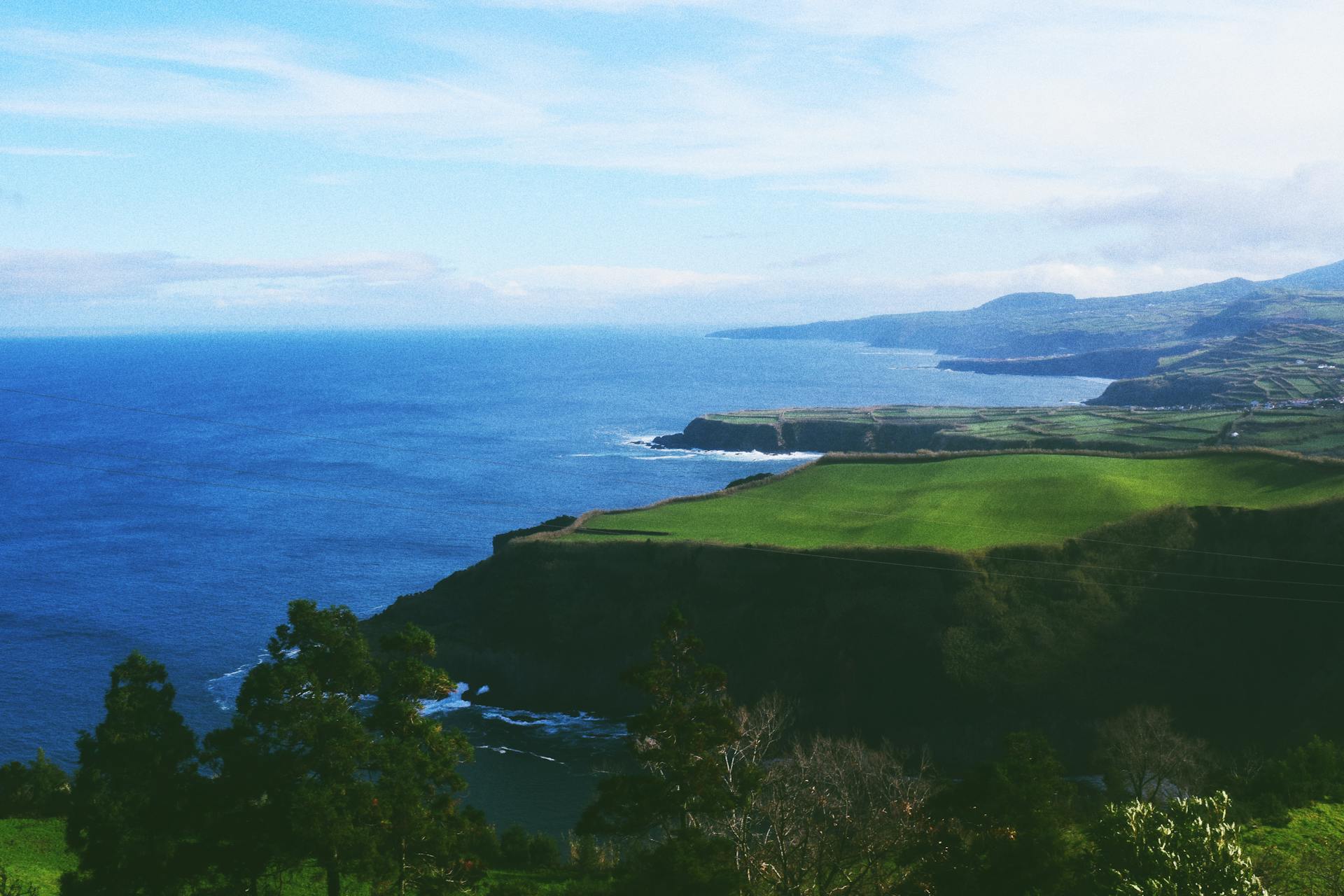
Regardless of which travel style you choose, these are the experiences that travelers consistently rank as the highlights of their Azores trip. All of them are included or available as add-ons in azores.com packages.
| Experience | Island | Why It’s Unmissable | Best Travel Style |
| Sete Cidades Twin Lakes | São Miguel | Two crater lakes — one blue, one green — inside a massive volcanic caldera. The most iconic Azores image. | All three |
| Furnas Hot Springs & Cozido | São Miguel | Soak in volcanic thermal pools, then eat a traditional stew slow-cooked underground by geothermal heat. | All three |
| Whale Watching | São Miguel, Pico, Faial | Over 20 cetacean species pass through Azorean waters. Blue whales, sperm whales, and dolphins are regularly spotted. | All three (guided or active) |
| Lagoa do Fogo Hike | São Miguel | A pristine crater lake accessible only by trail. Often called the most beautiful lake in the Azores. | Self-drive or active |
| Pico Vineyard Culture (UNESCO) | Pico | Centuries-old stone-walled vineyards on volcanic rock, producing unique wines. A UNESCO World Heritage Site. | Self-drive or guided |
| Angra do Heroísmo (UNESCO) | Terceira | A UNESCO-listed Renaissance city with colorful streets, forts, and the best nightlife in the Azores. | Self-drive or guided |
| Capelinhos Volcano | Faial | A lunar landscape created by a 1957 volcanic eruption, with an underground museum built into the lava. | All three |
| Canyoning | São Miguel, Flores | Rappel down waterfalls, slide through natural rock chutes, and jump into crystal-clear pools. | Active holiday |
This is one of the most searched questions about the Azores, and the honest answer is that each island has a distinct personality. Here is a quick guide to help you choose:
| Island | Known For | Best For | Least Touristy? |
| São Miguel | Crater lakes, hot springs, tea plantations, diverse landscapes | First-timers, families, foodies | Most visited (but never overcrowded) |
| Flores | Towering waterfalls, wild cliffs, untouched nature | Photographers, solitude seekers, hikers | Very remote — one of the least visited |
| Faial | Marina, Capelinhos volcano, hydrangea-lined roads | Sailing culture, volcano lovers, couples | Moderate — popular with yachters |
| Pico | Mount Pico (Portugal’s highest peak), UNESCO vineyards, whale watching | Climbers, wine lovers, nature purists | Less touristy than São Miguel |
| Terceira | UNESCO city, lava caves, bull-running festivals, nightlife | History buffs, culture lovers, families | Second most visited, but still quiet |
| São Jorge | Dramatic fajãs (coastal plains), hiking trails, artisan cheese | Serious hikers, cheese lovers, off-grid travelers | Very quiet — true off-the-beaten-path |
The sunniest island is Santa Maria, which also has the only white sand beach in the Azores (Praia Formosa). The warmest island is also Santa Maria, sitting at the southernmost point of the archipelago. The most visited island is São Miguel, home to the capital Ponta Delgada and the main international airport.
No travel style is perfect. Here is a transparent look at the trade-offs, based on what real travelers report:
| Travel Style | Pros | Cons |
| Self-Drive | Maximum freedom to stop anywhere and change plans; discover hidden gems off the tourist trail; often the most affordable option per person; great for families with young children who need flexible schedules; the thrill of exploring at your own pace | You handle navigation on unfamiliar roads; narrow streets in old towns can be stressful; parking in Ponta Delgada is limited; some attractions may require tour bus access; car rental prices vary significantly by island (€18/day on São Miguel vs. €60/day on Faial) |
| Private Guided Tour | Zero logistics stress — someone else handles everything; expert local knowledge reveals stories and places you would never find alone; cultural depth through narrated history and geology; ideal for non-drivers and first-timers; customizable itineraries | Less spontaneity than self-drive; follows a structured (though flexible) daily schedule; higher per-person cost than self-drive; you experience the guide’s version of the islands rather than discovering your own |
| Active Holiday | Unforgettable physical experiences — hiking volcanic craters, canyoning through waterfalls, kayaking sea caves; expert-led activities with all safety equipment; meet like-minded adventure travelers; access to trails and activities that require professional guides | Physically demanding — not suited for travelers with mobility limitations; less downtime and relaxation; may not suit families with very young children; weather-dependent (some activities may be rescheduled) |
Here is something many first-time visitors do not realize: you do not have to choose just one style for your entire trip.
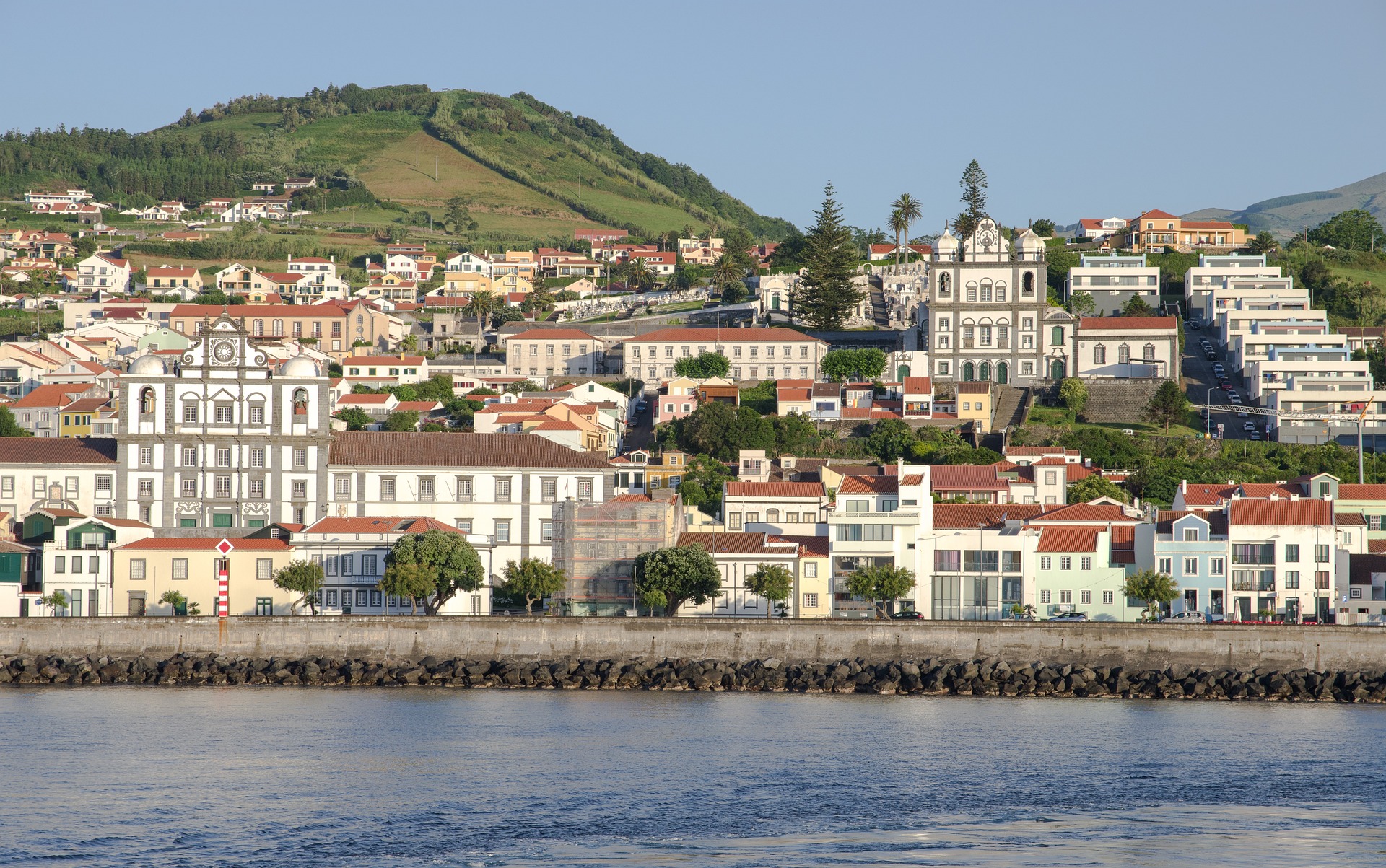
Many azores.com guests combine travel styles across different islands. A popular approach is to book a guided tour on São Miguel — where there is the most to see and local knowledge adds the most value — and then switch to self-drive on Pico and Faial, where the islands are smaller, the roads are quieter, and independent exploration feels natural. Others do a week of self-driving followed by a few days of guided active adventures like canyoning or whale watching.
A practical tip from experienced travelers on Reddit: if you plan to visit both Pico and Faial, rent a car on Pico and book a ferry with the car to Faial. It is cheaper than renting separately on each island, and you avoid dealing with a second rental company.
Azores.com’s custom trip option allows exactly this kind of hybrid itinerary. Contact a travel consultant to build a trip that mixes self-drive days with guided experiences, tailored to your pace and interests.
Regardless of which travel style you choose, these practical tips will help you prepare for your trip. They are sourced from the most common questions travelers ask on Reddit, TripAdvisor, and Facebook groups.
Yes. Tap water in the Azores is safe to drink and meets EU quality standards. Some visitors notice a slight mineral taste due to the volcanic geology, but it is perfectly safe. Carrying a reusable water bottle is both practical and environmentally responsible.
Tipping in the Azores is appreciated but not obligatory — it is a matter of personal choice rather than cultural expectation. At restaurants, a 5–10% tip for good service is common. For taxi drivers, rounding up the fare is customary. For tour guides, €5–10 per person per day is a thoughtful gesture that is always appreciated.
The Azores are one of the safest destinations in Europe. Violent crime is extremely rare, and petty crime like pickpocketing is uncommon even in the main tourist areas of Ponta Delgada. Most travelers report feeling completely safe walking alone at night. There are no snakes, scorpions, or dangerous land animals on any of the islands — the biggest wildlife “hazard” is the occasional cow crossing a rural road. There are also no mosquitoes in the Azores, thanks to the Atlantic wind patterns and lack of standing freshwater habitats.
Blue sharks are present in the deep waters around the Azores and are actually a draw for experienced divers — shark diving is a popular activity from Faial. However, sharks are not found in shallow coastal waters where people swim. There has never been a recorded shark attack on a swimmer in the Azores. The islands are far safer for ocean swimming than most beach destinations worldwide.
The Azores have a rich culinary identity built on volcanic terroir and Atlantic seafood. The most iconic dish is Cozido das Furnas — a hearty stew of meats and vegetables slow-cooked underground for 6–7 hours using volcanic geothermal heat on São Miguel. Other highlights include fresh limpets grilled with garlic butter (a local delicacy), São Jorge cheese (a semi-hard aged cheese with DOP status), Alcatra (a Terceira-style beef stew cooked in clay pots), and pineapple grown in São Miguel’s volcanic greenhouses — the only place in Europe that produces pineapples commercially. The local cocktail from Terceira is the Liquorice Stick, made with anise-flavored liqueur and cola.
The Azores are more about dramatic volcanic coastlines and natural ocean pools than traditional sandy beaches. Santa Bárbara on São Miguel is the most popular surf beach with black volcanic sand. Praia Formosa on Santa Maria is the only white sand beach in the entire archipelago. For natural ocean pools carved from volcanic rock, try Biscoitos on Terceira or Mosteiros on São Miguel. The thermal ocean pool at Ponta da Ferraria on São Miguel, where volcanic hot water mixes with the cold Atlantic, is a unique experience found nowhere else in Europe.
On São Miguel, a car gives you the most freedom, but guided tours and taxis are a viable alternative — particularly if you stay in Ponta Delgada, which has the most extensive transport network. On smaller islands like Flores or São Jorge, a car is almost essential because public bus routes may have only two or three departures per day. Azores.com’s self-drive packages include automatic transmission cars on all islands, with hotel and itinerary pre-arranged.
No. As of 2026, Uber, Bolt, Lyft, and other ride-sharing apps do not operate in the Azores. Your transport options are rental cars, traditional taxis (metered and reliable), public buses (limited schedules), and organized tours. Taxis are available on all islands but can be expensive for longer distances — a taxi from Ponta Delgada to Sete Cidades, for example, costs significantly more than a day’s car rental.
Without a car on São Miguel, your options are public buses (limited schedules, mainly connecting towns along the coast), taxis (reliable but expensive for long distances), and organized day tours departing from Ponta Delgada. There is no metro, train, or ride-sharing service. A guided tour package is the most practical and cost-effective alternative to renting a car, as it includes all transport, a knowledgeable guide, and a structured itinerary.
Yes. Azores roads are well-maintained, highways have good signage, and traffic is light outside Ponta Delgada. The main challenges are narrow streets in historic town centers and steep mountain roads in wet conditions. Book an automatic transmission car if you are not comfortable with manual — many North American travelers do. The single most important tip from locals: do not follow GPS blindly on rural roads, as it may route you down unpaved farm tracks or cow paths.
Prices vary significantly by island. On São Miguel, which has the greatest selection of rental companies, expect approximately €18–25 per day for a compact automatic. On Pico, prices are higher at around €30 per day. On Faial, rates can reach €50–60 per day due to limited supply [3]. Booking in advance and through a package that bundles car and hotel typically offers better rates than booking separately. One traveler also noted that renting an electric vehicle cost only €8 more per day and charged for free at public stations across São Miguel.
The cost of living in the Azores is generally lower than in Lisbon or Porto, particularly for housing and dining. For tourists, a mid-range meal at a local restaurant costs €10–15 per person, and a coffee is under €1. Car rental and accommodations are comparable to mainland prices outside peak season. The main extra cost is inter-island flights, which typically range from €50–100 per person per segment.
No. The Azores received approximately 470,000 tourists in all of 2024 — compared to 18 million in the Canary Islands and 2.2 million in Madeira. Even in peak summer, you can find empty trails and uncrowded beaches, especially on islands beyond São Miguel. Unlike the Canary Islands, where anti-tourism protests have made international headlines, the Azores actively welcome visitors while maintaining strict environmental protections.
Neither is objectively “better” — they offer different experiences. Madeira is a single island with year-round mild weather, famous levada (irrigation channel) hikes, and a more polished tourism infrastructure centered on Funchal. The Azores are nine islands with far greater diversity — from volcanic crater lakes and whale watching to hot springs and canyoning — and a much more rugged, untouched character. Madeira is warmer and sunnier; the Azores are wilder and more adventurous. For a deeper comparison, read our guide: How to Choose Between the Azores vs. Madeira vs. Canary Islands.
Azores.com self-drive packages include hotel accommodations with daily buffet breakfast, an automatic transmission rental car, airport transfers, and a pre-planned day-by-day itinerary. International and inter-island flights are quoted separately upon request. Packages range from single-island explorations to five-island adventures spanning up to 15 days.
Azores.com guided tour packages include hotel accommodations, a private English-speaking guide, all ground transportation, guided sightseeing tours, airport transfers, and in some packages, meals. The itinerary is customizable to your interests. Options range from single-island deep dives to five-island comprehensive tours.
Yes, with a guided tour package. Azores.com’s multi-island guided tours handle all inter-island logistics — flights, transfers, hotels, and sightseeing on each island. You never need to drive. This is the most stress-free way to see multiple islands, particularly for travelers who are not comfortable driving abroad.
Self-drive offers the most flexibility for families with young children who need nap breaks, snack stops, and flexible meal times. For families of 4 to 7, the VIP Private Guided Tour provides a private guide and vehicle at a family-friendly pace — no rushing, no waiting for other travelers [8]. Active holiday packages are best suited for families with older children aged 8 and above who enjoy hiking, swimming, and outdoor activities. For a complete family guide, read: The Azores for Families: A Complete Guide to Visiting with Kids.
Yes, and many guests do. A common approach is a guided tour on São Miguel, where local knowledge adds the most value, followed by self-drive on the smaller and quieter islands of Pico and Faial. Contact azores.com to build a custom hybrid itinerary that mixes travel styles across islands.
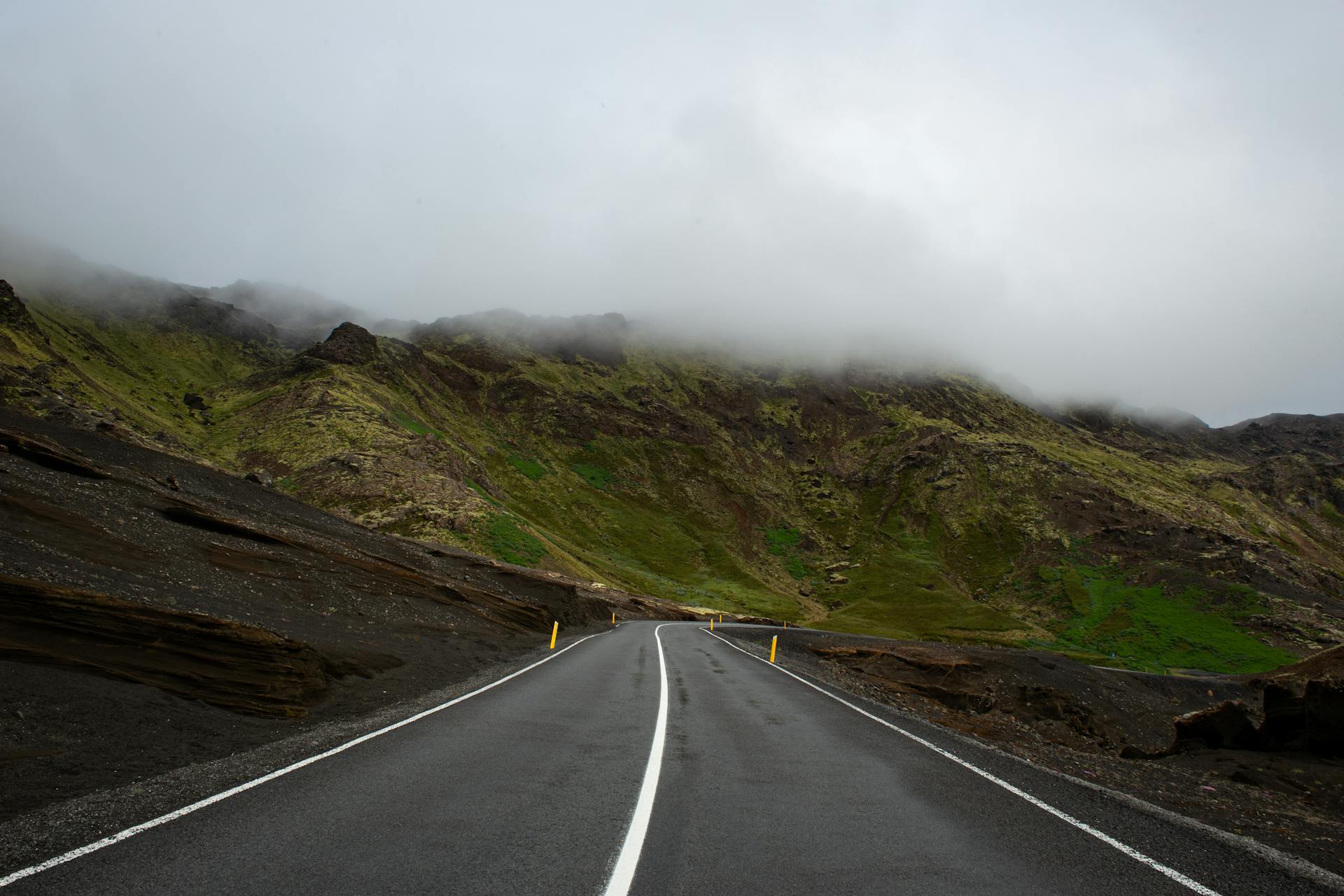
You now know the three travel styles, their honest pros and cons, and which one fits your personality. The table below matches common traveler profiles to specific azores.com packages — find yourself and click through to explore the details.
| If You Are… | Your Ideal Package | Duration |
| An independent explorer who loves road trips | Self-Drive 4 Islands (Best Seller) | 10 days / 9 nights |
| A first-timer who wants zero stress | 3 Island Private Guided Classic | 7 days / 6 nights |
| An adventure seeker who wants to hike and kayak | Sea and Land Adventures Tour | 8 days / 7 nights |
| A family of 4–7 wanting a private experience | VIP Private São Miguel (4–7 People) | 7 days / 6 nights |
| A group of 8–22 (reunion, friends, corporate) | Small Group VIP Tours | 7–10 days |
| Wanting to see Lisbon AND the Azores | 11 Day Lisbon + São Miguel Adventure | 11 days / 10 nights |
| A couple with 15 days who wants to see it all | Self-Drive 5 Islands (Top Value) | 15 days / 14 nights |
| Only have 3–4 days for a quick getaway | Single Island Guided Tour (São Miguel) | 4 days / 3 nights |
Still not sure which style is right for you? That is exactly what we are here for. Our Azorean-born travel consultants have been helping visitors plan their perfect Azores trip since 1996. Tell us about your trip, and we will recommend the ideal package for your group, budget, and travel personality.
For more help planning your trip, explore our other guides:

Eunice Costa has served as Travel Director of Portugal Online Corp., Azores.com (Azores Travel and Tours) since 1996. Born in the Azores and now based in California, she brings more than 30 years of experience promoting the Azorean Islands and creating thoughtfully designed tour packages, especially tailored for the U.S. and Canadian markets, that combine exceptional experiences with great value. Through her contributions to the Azores.com blog, Eunice shares her deep knowledge and passion for all nine Azorean Islands, helping travelers discover the very best of this unique destination.
Is your time too precious to spend long hours searching for the perfect holiday in the Azores? Looking for expert help in organizing your trip? Hire an Azores.com Travel consultant.
Let us find the right itinerary for your Azores group travel needs. From family reunions to team building, we're here to help. From Sao Miguel to Flores, we guarantee the best service!

Have a question about traveling to Azores? Need more info about booking tour packages, day tours, activitis hotels or car in Azores? Click below to contact us.

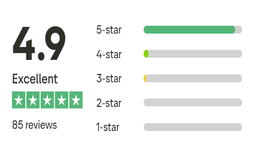
Read Azores.com reviews on Trustpilot.com.