Travel Consultants
Is your time too precious to spend long hours searching for the perfect holiday in the Azores? Looking for expert help in organizing your trip? Hire an Azores.com Travel consultant.
Where to find the rare plants that grow only on these volcanic islands, and why they matter more than you think.
Twenty million years ago, thick evergreen forests covered much of the Mediterranean. Laurel, holly, juniper, a canopy so dense it blocked the sky. Then the ice ages came and wiped almost all of it out across Europe and North Africa.
Almost.
Fifteen hundred kilometers west of mainland Portugal, nine volcanic islands held on. The Azores, buffered by the Gulf Stream, wrapped in Atlantic mist, kept those ancient forests alive while the rest of the continent moved on. Today, what grows in these islands is older than human civilization. Some of it exists nowhere else on the planet.
And here’s the uncomfortable part: 98% of those original forests are gone. Cleared for cattle, crops, and timber since Portuguese settlers arrived in the 1400s. What remains, less than 2% of the original cover, clings to high-altitude ridges and steep volcanic slopes that were too difficult to reach.
But within those fragments, life persists. More than 80 endemic vascular plant species. Over 400 bryophytes (mosses and liverworts). Europe’s rarest orchid. Plants that scientists study to understand what the ancient Mediterranean looked like before the ice reshaped everything.
This is the Azores most travelers never see. Not the hydrangea-lined roads or the manicured tea plantations, though those are worth your time too, but the wild, ancient, irreplaceable green heart of these islands. The Azores flowers that fill guidebook covers are hydrangeas, an import from Asia. The ones that matter, the ones found nowhere else, are harder to spot and far more rewarding.
Here’s where to find it.

The Azores are part of Macaronesia, a biogeographic region that also includes Madeira, the Canary Islands, and Cape Verde. These volcanic archipelagos share a botanical story: they served as lifeboats for plant species that went extinct on the continents.
The signature habitat is called laurisilva, laurel forest. It’s a dense, hyperhumid formation dominated by Azores laurel (Laurus azorica), Azorean juniper (Juniperus brevifolia), and Azorean holly (Ilex perado subsp. azorica). Walk into a surviving patch above 500 meters elevation and you’re stepping into a forest type that predates our species by millions of years. The air is thick with moisture. Mosses coat every surface. The canopy is so layered it feels like entering a green tunnel.
What makes the Azores different from the other Macaronesian archipelagos is isolation. No land bridge ever connected these islands to any continent. Every plant species here arrived by wind, ocean current, or bird, then evolved in solitude. The result: 35.5% of the native vascular flora (70 species out of 197 indigenous species) is found only in the Azores. Researchers at the University of the Azores, led by Professor Mónica Moura, continue discovering cryptic species hiding within what we thought were single populations, like the Azorean Bittercress (Cardamine caldeirarum), which may actually be several distinct species spread across different islands.
The numbers are small compared to the Canary Islands (which host roughly 1,800 endemics), but the Azores are geologically younger and more remote. The fact that this level of unique plant life evolved here at all is what fascinates botanists.
Not every island offers the same botanical experience. Some of the best Azores hiking trails double as botanical corridors. Here’s where to go depending on what you want to see and how hard you’re willing to work for it.
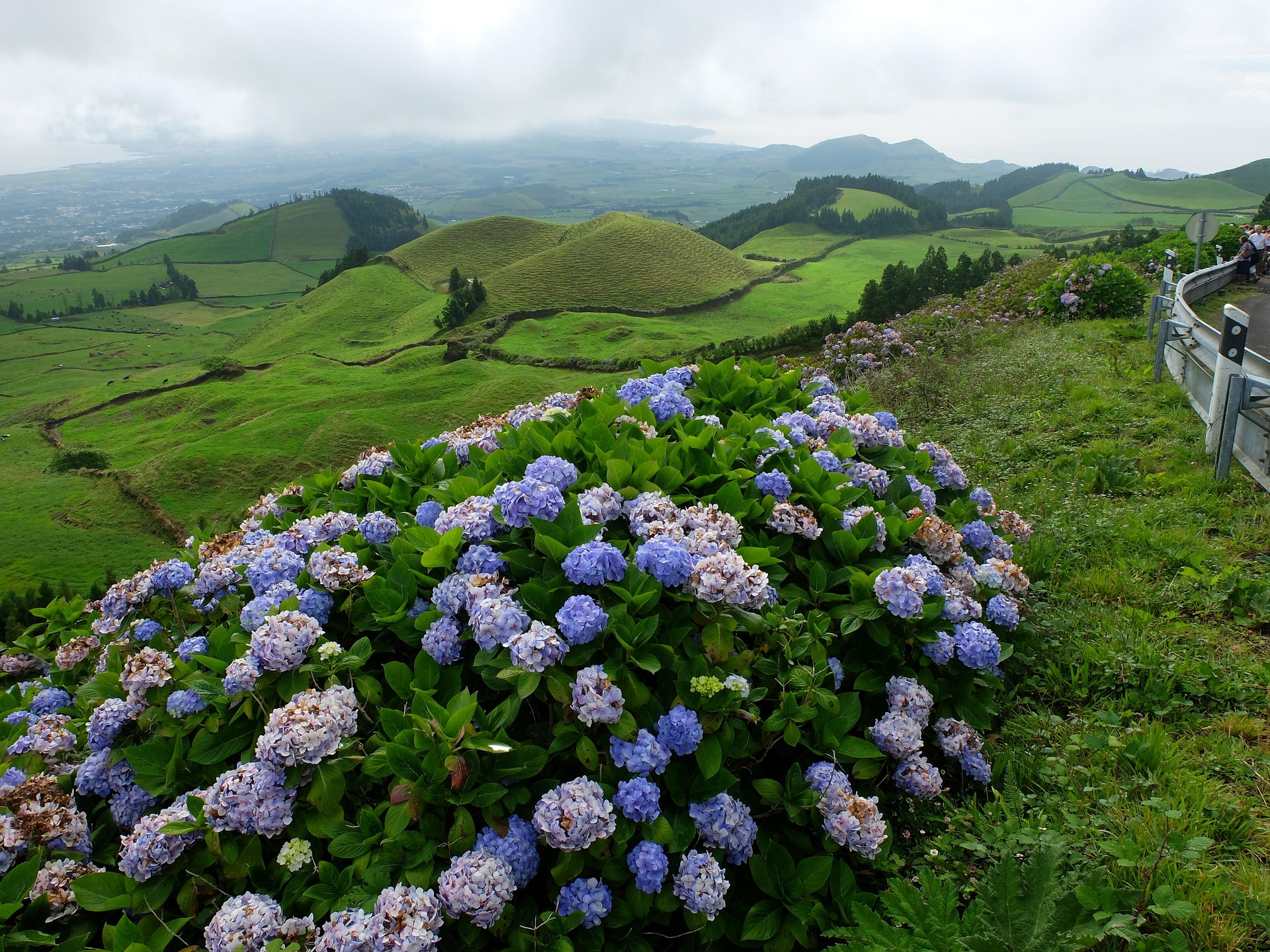
The largest island and the one most travelers visit first. It also happens to hold some of the best-preserved laurisilva fragments and dedicated botanical collections.
Pico da Vara Trail is the one to prioritize. At 1,103 meters, it’s São Miguel’s highest point, and the trail to the summit passes through the island’s most intact native forest. You’ll walk among Azorean juniper, Azores laurel, and Azorean blueberry (Vaccinium cylindraceum). This is also the last refuge of the endangered Azores Bullfinch (Pyrrhula murina), a bird that depends entirely on these endemic plants for food. The hike is 14 km round trip, takes about three hours each way, and demands decent fitness. Start early in the morning. Bring layers. Fog rolls in without warning at this altitude.
If hiking steep volcanic ridges isn’t your idea of a holiday, Terra Nostra Botanical Garden in the Furnas Valley offers 73 endemic Azorean plant species in a curated collection called the “Endemic and Native Flora Garden,” established in 1994. The plants have had three decades to grow into mature specimens. You can see Azorina vidalii (the Azorean bellflower), Euphorbia azorica, and coastal, mid-altitude, and highland species all in a single 12.5-hectare garden. Then soak in the thermal iron-water pool afterward.
Jardim José do Canto in Ponta Delgada is smaller but historically fascinating. Created in the 1840s by the naturalist José do Canto, this 5.8-acre heritage garden holds over 3,000 plant species, including Macaronesian endemics and a collection of endemic ferns. It’s walkable from the city center and open year-round.
For something off the typical path, the Pelado Endemic Park near Nordeste preserves remnants of the island’s original vegetation, including Azorean heather (Erica azorica) and Myrica faya (faia-da-terra). It’s small, quiet, and rarely crowded.
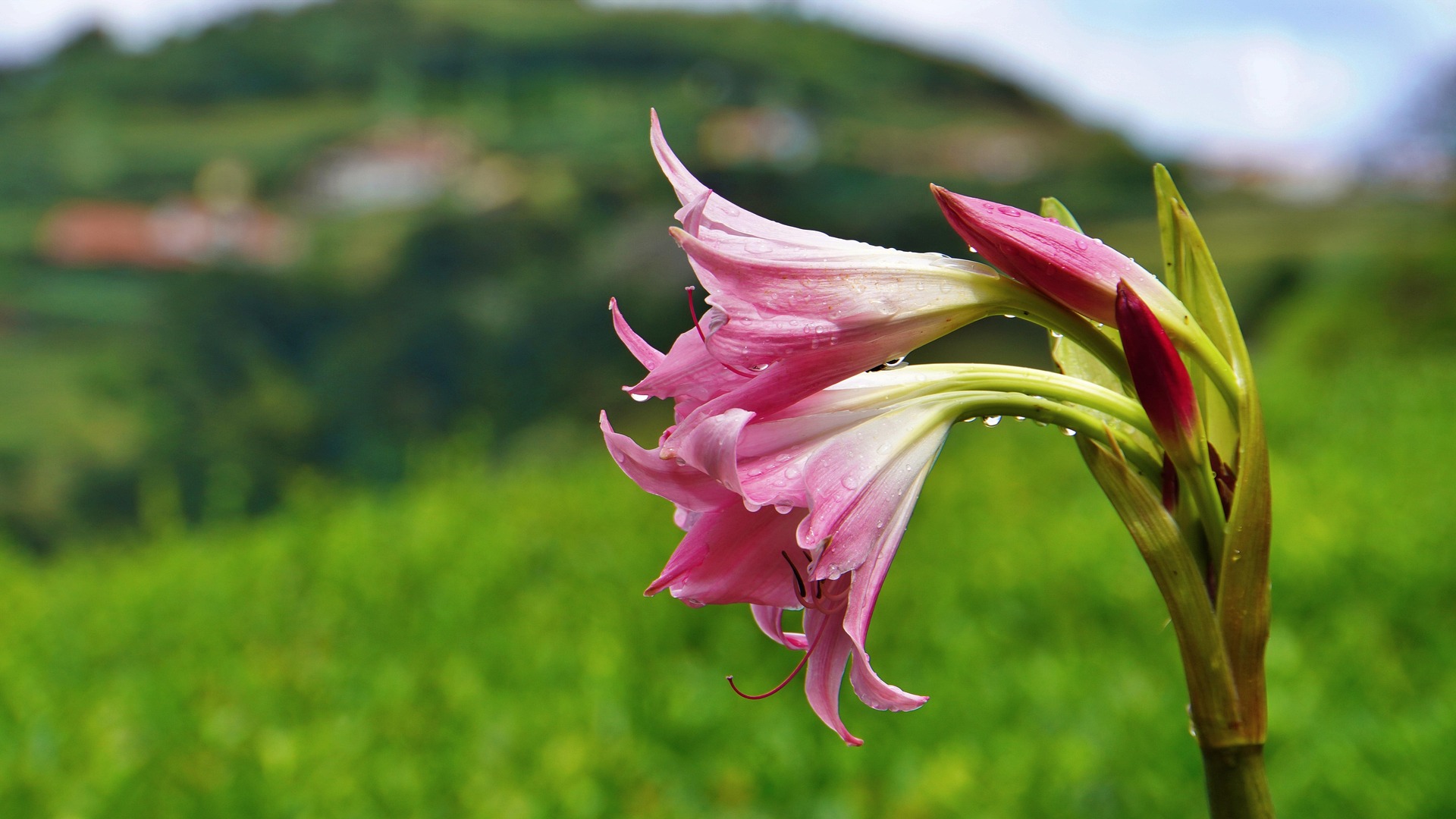
If you make it to the western group, Flores is where the Azores’ endemic story becomes overwhelming. The island holds 64 endemic plant species, 51 endemic to the Azores, 7 to Macaronesia, and 6 to Europe. It carries UNESCO Biosphere Reserve, Geopark, and RAMSAR designations. All of them earned.
The caldeira viewpoints around Morro Alto and Pico da Sé (914 meters) are ringed with Frangula azorica, Ilex azorica, Viburnum treleasei, and Azorean juniper. The Trilho dos Moinhos (Mills Trail) follows a historic watermills route through panoramic coastal landscape where the endemic flora grows alongside the trail, not behind fences. The Great Route of Flores connects Santa Cruz to Lajedo along the southwest coast. It’s a challenging linear hike, but one of the most botanically rich walks in all of Macaronesia.
May and June are the best months for Flores. The endemic wildflowers and native Azores flowers are in bloom, the daylight is long, and the trails are at their most walkable. Bring proper footwear. Sphagnum moss makes the ground slippery in wet areas, and it rains here more than anywhere else in the Azores.

Most visitors come to Faial for the Capelinhos volcano and Horta’s marina. Few make the drive to the Faial Botanical Garden in the Flamengos valley, but it’s where you can actually watch conservation happening in real time. The 8,000 m² main area holds native and endemic species, while a 60,000 m² secondary zone at 400 meters in Pedro Miguel is actively restoring laurisilva habitat.
Faial is also one of only two islands (along with São Jorge) where Platanthera azorica grows. It’s a small, inconspicuous orchid, easy to overlook. It happens to be the rarest orchid in Europe. You won’t stumble across it on a casual walk; its specific microhabitat requirements mean populations are tiny and localized. But knowing it’s there, growing in the mist just above the treeline, adds something to the experience.

Mount Pico, at 2,351 meters, is Portugal’s highest point. The elevation gradient here means you can walk through every vegetation zone the Azores have to offer on a single island. Erica azorica (Azorean heather) grows from the coast all the way to the summit, one of few plants tough enough to handle both salt spray and volcanic frost.
Pico’s UNESCO-listed vineyard landscape (the currais, stone-walled vine plots on black basalt) is what most visitors photograph, but the island’s upper slopes shelter important populations of Sanicula azorica (very common here) and remnant juniper woodland. The LIFE IP AZORES NATURA project has been reinforcing endemic populations on Pico with cultivated specimens reintroduced to their natural habitats.
São Jorge’s fajãs, coastal plateaus created by ancient landslides and lava, form over 70 distinct micro-habitats where endemic species thrive in isolated pockets. The island is a UNESCO Biosphere Reserve.
Graciosa, also a Biosphere Reserve, offers gentler terrain and pastoral landscapes. Its endemic plant populations are smaller but the island’s UNESCO status reflects its ecological importance.
Corvo, the smallest and most remote island, has the highest per-capita endemism rate in the Azores, a function of extreme isolation. There’s an end-of-the-world quality to walking the crater rim here, knowing the plants at your feet grow in this one spot and nowhere else.
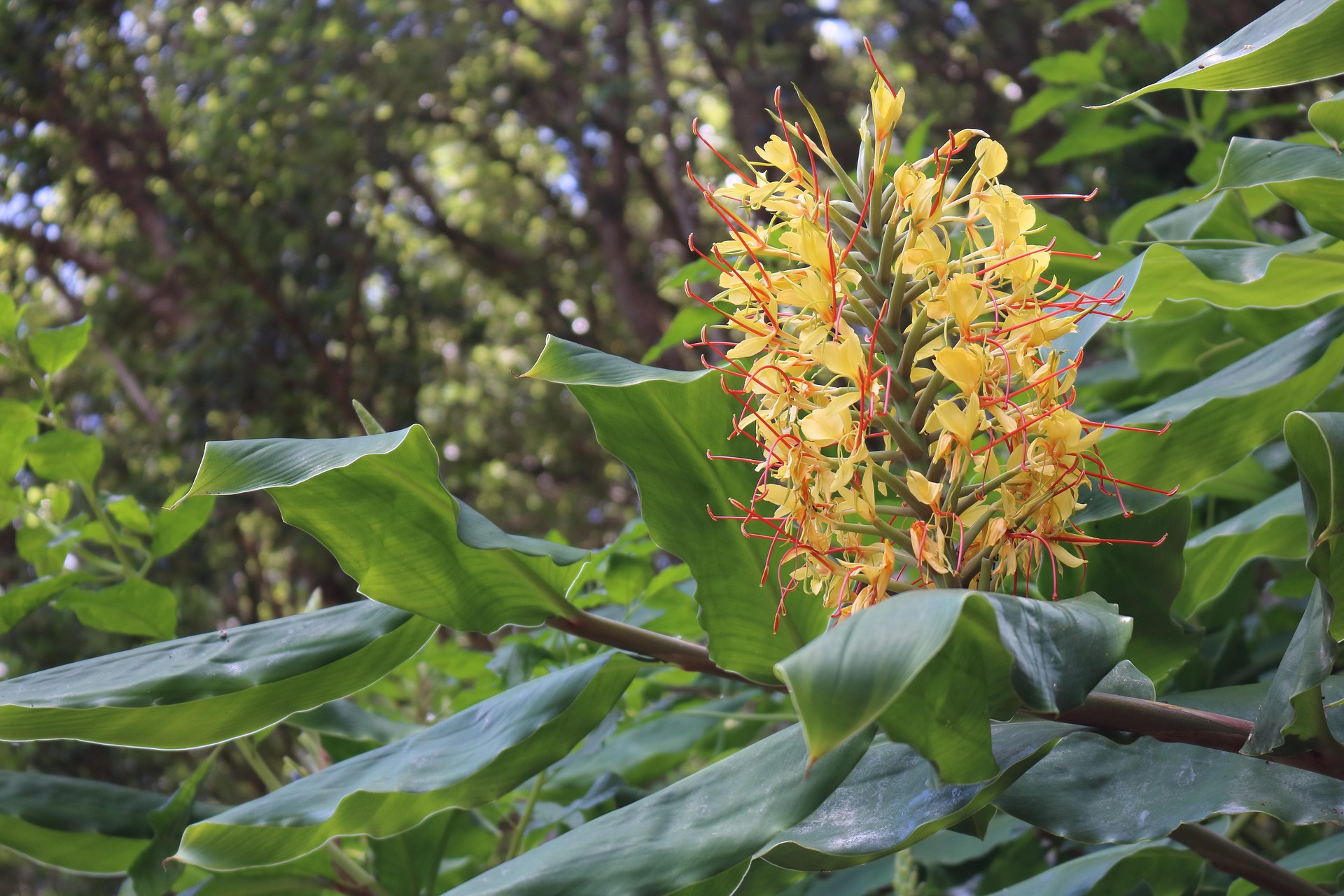
Sixty percent of the Azores’ vascular flora is now exotic, introduced species that arrived with settlers, traders, and modern agriculture. Three invasive species do the most damage: Kahili ginger (Hedychium gardnerianum), listed among the world’s 100 worst invasive species by the IUCN; Australian cheesewood (Pittosporum undulatum), which outcompetes native trees for light and space; and Japanese cedar (Cryptomeria japonica), planted extensively for timber and now dominant across the mid-elevation landscape.
These invasives don’t just compete with endemic plants. They transform entire ecosystems. The laurisilva, that ancient forest the endemic species depend on and gets replaced by monocultures of fast-growing exotics. Invasive alien plants have been found in 82.7% of coastal plots surveyed across the archipelago.
Climate change adds another layer of uncertainty. Cloud forests depend on specific moisture and temperature conditions. Shift those, and the habitat moves. But on an island, there’s only so far uphill it can go.
The good news is that serious money and effort are now flowing into restoration. The LIFE IP AZORES NATURA project, funded by the EU with a €19 million budget running through 2027, is the largest conservation initiative the Azores have ever seen. The project aims to restore 1,500 hectares and conserve 19 target flora species. By September 2025, the team had identified 102 new populations across all nine islands and planted more than 900 native trees in a single spring campaign. They’re collecting and banking seeds from 80% of the Azores’ endemic plant species. A genetic safety net, in case wild populations collapse.
In 2025, the Faial Botanic Garden successfully cultivated Angelica lignescens for the first time in its collection. It’s a rare endemic that can reach 3.5 meters tall and grows only above 500 meters in waterlogged alpine environments. Small victories like this matter. Each species pulled back from the brink is a piece of the ancient Mediterranean recovered.
The LIFE Priolo project, which targets habitat restoration for the endangered Azores Bullfinch, has become a model for how endemic plant recovery and Azores wildlife conservation reinforce each other. Restore the laurisilva, and the bullfinch population rebounds. The bird spreads seeds, and the forest recovers further. Conservation, when it works, tends to compound.
You don’t need to be a botanist to appreciate what grows here. But a little planning turns a scenic walk into something deeper.
Start easy. Terra Nostra Garden on São Miguel gives you 73 endemic species in a single, accessible visit. Pair it with Furnas, the volcanic hot springs, the cozido (stew cooked underground in volcanic steam), and you’ve got a full day that covers the Azores’ geological and botanical story in one place.
Then build up to the trails. Pico da Vara on São Miguel and the caldeira trails on Flores are where you’ll experience endemic flora in its wild habitat. These aren’t manicured garden paths. They’re cloud forests and mist-soaked volcanic ridges where the plants have been growing for millennia.
May and June offer the best wildflower displays and the longest daylight for hiking. September is drier and still warm. Winter brings dramatic storm light and fewer visitors. The laurisilva looks its most atmospheric when the clouds are low and moving.
If you can, go with someone who knows the plants. A local guide who can point out Platanthera azorica hiding in the underbrush, or explain why the juniper’s growth form tells you about centuries of Atlantic wind, turns a walk into an education. Azores.com can connect you with guides on every island who live where they lead and know the trails down to individual trees.
And try to visit more than one island. Each has a different botanical personality. São Miguel is the most complete starting point. Flores is the wildest. Faial shows conservation up close. Pico gives you altitude. Ten days and a multi-island itinerary let you see how the same species adapts to different volcanic landscapes, and how some species exist on only one island, separated from their closest relatives by 200 kilometers of open Atlantic.
The endemic flora of the Azores is quiet. It doesn’t announce itself like the crater lakes or the breaching whales. But it’s the oldest living thing on these islands. A 20-million-year lineage that survived ice ages, volcanic eruptions, and five centuries of human settlement. Walking through what remains of it changes how you see the place. The Azores stop being a pretty destination and start feeling like what they actually are: a refuge.
And it’s still here. For now.
Ready to discover the botanical side of the Azores? Start planning your trip and tell us your dates and which islands interest you, and we’ll craft an itinerary that includes the trails, gardens, and hidden corners where these plants have been growing since before humans arrived.

Eunice Costa has served as Travel Director of Portugal Online Corp., Azores.com (Azores Travel and Tours) since 1996. Born in the Azores and now based in California, she brings more than 30 years of experience promoting the Azorean Islands and creating thoughtfully designed tour packages, especially tailored for the U.S. and Canadian markets, that combine exceptional experiences with great value. Through her contributions to the Azores.com blog, Eunice shares her deep knowledge and passion for all nine Azorean Islands, helping travelers discover the very best of this unique destination.
Is your time too precious to spend long hours searching for the perfect holiday in the Azores? Looking for expert help in organizing your trip? Hire an Azores.com Travel consultant.
Let us find the right itinerary for your Azores group travel needs. From family reunions to team building, we're here to help. From Sao Miguel to Flores, we guarantee the best service!

Have a question about traveling to Azores? Need more info about booking tour packages, day tours, activitis hotels or car in Azores? Click below to contact us.

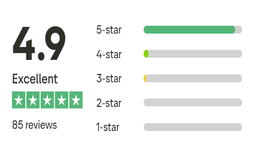
Read Azores.com reviews on Trustpilot.com.