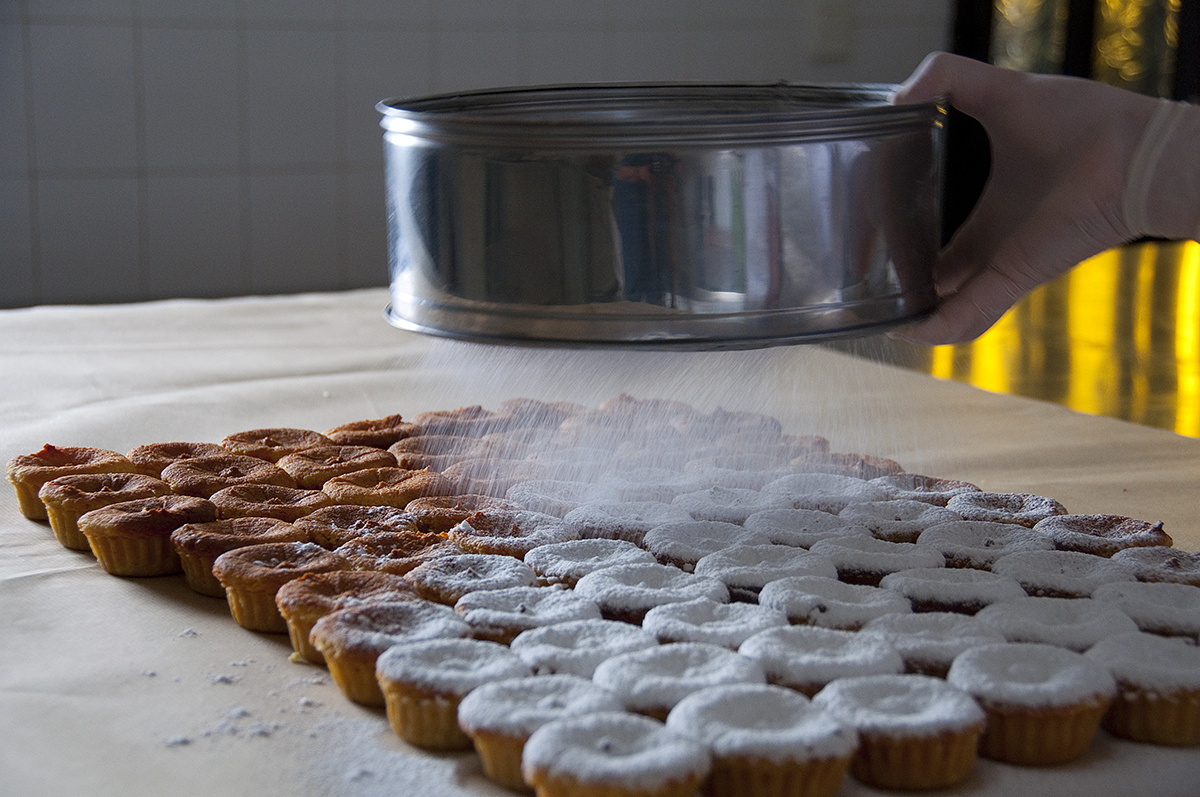
Azorean desserts are one of the easiest—and most enjoyable—ways to taste the differences between the islands. São Miguel has its Queijadas da Vila and bolo lêvedo, Terceira has Donas Amélias, Graciosa has its delicate star-shaped queijadas, São Jorge has spiced espécies, and Santa Maria preserves the craft of biscoitos de orelha.
Some of these sweets are everyday bakery finds. Others are closely associated with Carnival, Easter, Holy Spirit celebrations or family occasions. The most useful approach for travelers is not to search for every item on one island, but to try each specialty where it has the strongest local connection.
Queijadas da Vila, Donas Amélias, bolo lêvedo and malassadas provide an excellent first introduction.
Local pastry shops, cafés, markets and producer shops are more useful than expecting every restaurant to carry every sweet.
Malassadas are strongly linked to Carnival, while massa sovada and several ceremonial sweets appear around religious celebrations.

Photo: Rita Candeias, 2022.
10 Traditional Azorean Desserts and Sweets to Try
1. Queijadas da Vila — São Miguel
Queijadas da Vila are the signature sweet of Vila Franca do Campo on São Miguel. The official Azores gastronomy guide describes them as egg-and-milk custard sweets, and regional artisan records trace the tradition to the former Convent of Santo André.
They are small, rich and easy to carry, which makes them a practical bakery stop while touring São Miguel’s south coast. Try them at room temperature and compare versions from local producers rather than expecting them to taste like mainland Portugal’s pastel de nata.

Image source: Centro de Artesanato e Design dos Açores.
2. Donas Amélias — Terceira
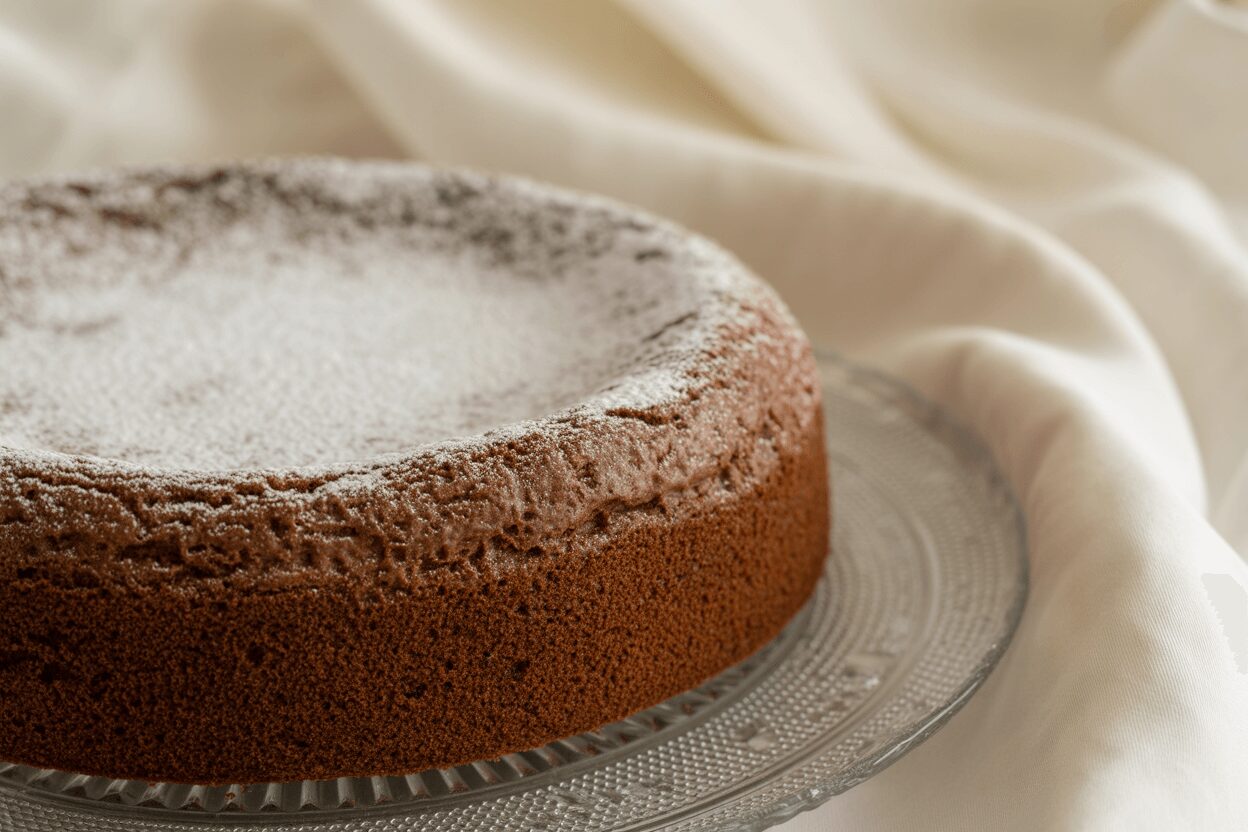

Product images: Centro de Artesanato e Design dos Açores.
Donas Amélias are dark, aromatic little cakes from Terceira, commonly finished with powdered sugar. Regional sources describe a corn-based cake flavored with cinnamon, cane molasses or honey, although recipes can differ between bakers.
The name commemorates the 1901 visit of King Carlos and Queen Amélia to the Azores. The story recorded by the regional tourism and artisan authorities is that the island’s best cakes were offered during the royal visit and were subsequently renamed in the queen’s honor.
3. Bolo Lêvedo — Furnas, São Miguel
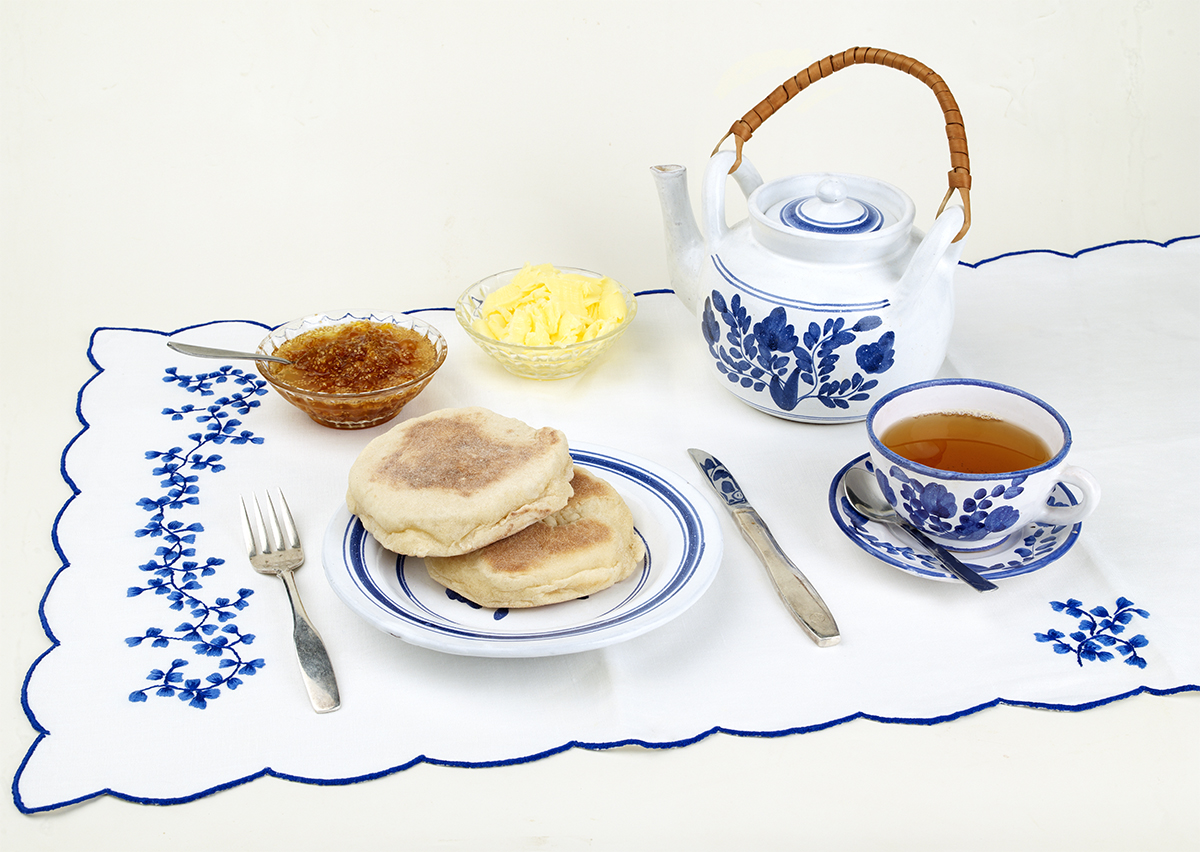
Image source: Centro de Artesanato e Design dos Açores.
Bolo lêvedo is a lightly sweet, yeasted bread now most strongly associated with Furnas. It is round and griddle-cooked, with a soft interior and a browned exterior. Although it often appears on lists of desserts, travelers are just as likely to encounter it at breakfast, filled as a sandwich or served with butter, jam or cheese.
The official Azores gastronomy guide notes that bolo lêvedo was once made more widely across the archipelago but became especially identified with the Furnas valley. It is usually easy to find on São Miguel and makes a good edible souvenir when packaged for travel.
4. Queijadas da Graciosa — Graciosa
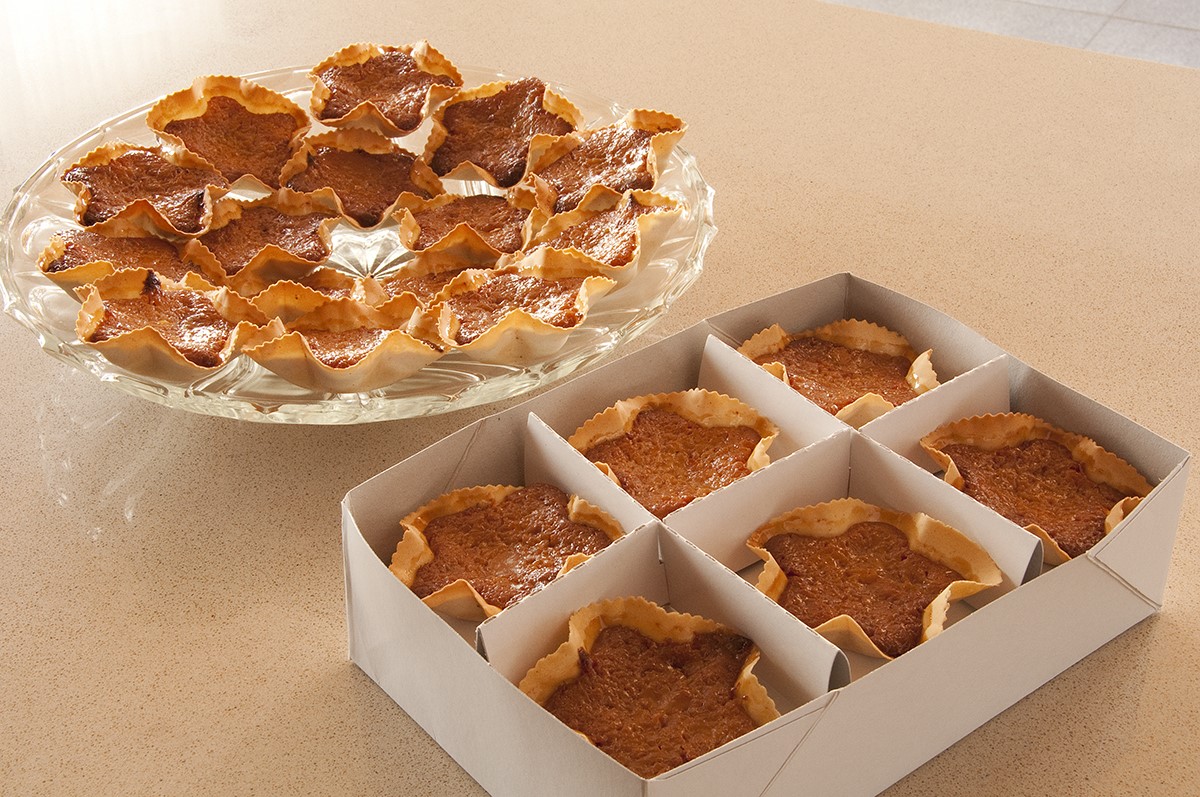
Image source: Centro de Artesanato e Design dos Açores.
Queijadas da Graciosa are among the archipelago’s most recognizable pastries because of their delicate star shape. Their thin, crisp shell holds a sweet milk-and-egg filling flavored with cinnamon. Regional records associate the sweet with Praia, today officially named São Mateus.
They are closely identified with Graciosa and can be found at the island’s producer shop and in selected stores elsewhere in the Azores. Packaged versions travel more easily than many fresh custard pastries, but always follow the producer’s storage and use-by guidance.
5. Malassadas — Especially at Carnival
Malassadas are pieces of yeasted dough fried until golden, then served with sugar and sometimes cinnamon. They are familiar across the Azores and throughout the Portuguese diaspora, but their strongest seasonal connection is Carnival, when families, schools and community groups traditionally make them before Lent.
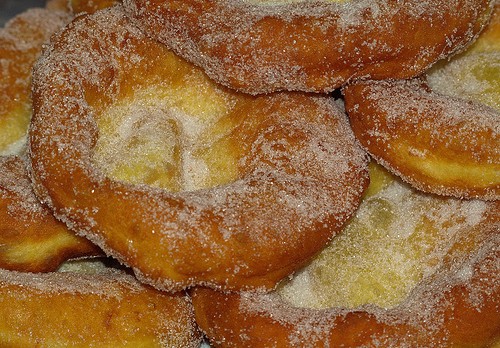
Image source: Centro de Artesanato e Design dos Açores.
Some bakeries sell malassadas outside Carnival, but availability is not guaranteed every day. They are best eaten fresh and warm; this is one Azorean sweet that is more rewarding at the bakery counter than packed in a suitcase.
6. Biscoitos de Orelha — Santa Maria
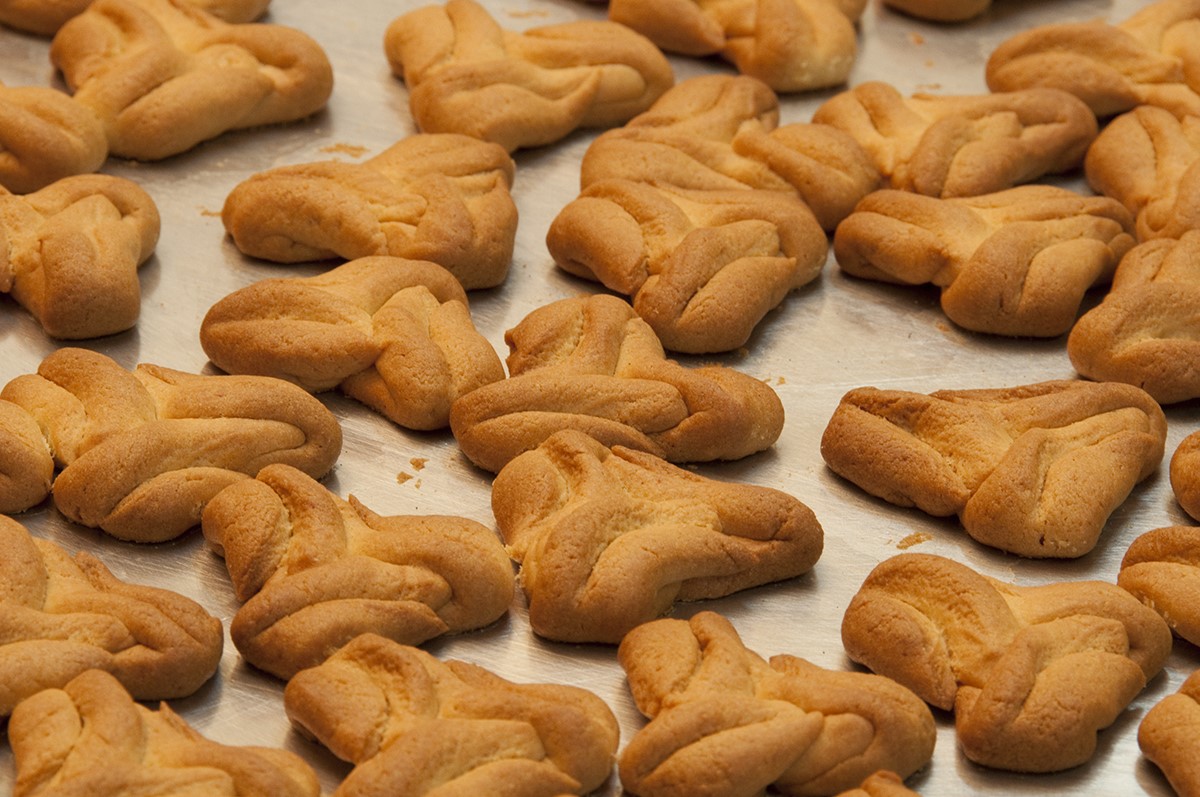
Image source: Centro de Artesanato e Design dos Açores.
Biscoitos de orelha are hand-shaped biscuits associated with Santa Maria. Their folded and twisted form gives them the “ear biscuit” name. They are part of the group of traditional products protected through the regional Artesanato dos Açores certification framework.
Because recipes and availability vary by producer and season, avoid assuming that every bakery will have them. Ask in local cafés, artisan shops and cooperatives on Santa Maria, especially when visiting around festive periods.
Four More Azorean Sweets Worth Knowing
7. Espécies
These small, aromatic sweets are one of São Jorge’s clearest pastry traditions. Regional tourism sources connect their name to the assortment of spices used in the filling. Look for them in local cafés and shops rather than assuming they will be common on other islands.
8. Massa Sovada
This enriched sweet bread is made in different forms and recipes across the archipelago. It has a particularly strong role in religious festivities and family gatherings, where it may be offered, shared or carried in decorated processions.
9. Alfenim
Alfenim is a white sugar confection molded while warm into flowers, animals, hearts and other figures. In the Azores it is closely linked to Holy Spirit traditions, religious promises and the meeting point between food craft and devotional art.
10. Arroz Doce
Rice pudding is not exclusive to the Azores, but it belongs on island tables at holidays and family celebrations. Recipes vary, and the finished pudding is often decorated with cinnamon. Treat it as a shared Portuguese tradition with local family interpretations.
Which Island Is Best for Azorean Desserts?
São Miguel offers the greatest variety for a first-time visitor, but the most meaningful tasting strategy is to match each sweet to its home island.
Prioritize Queijadas da Vila in Vila Franca do Campo and bolo lêvedo in Furnas. Malassadas, massa sovada and familiar Portuguese pastries broaden the choice.
Donas Amélias are the essential local cake. Alfenim and festive sweet breads reveal the island’s strong connection between food and religious tradition.
Queijadas da Graciosa are the island’s signature edible souvenir and one of the easiest Azorean sweets to recognize by sight.
Look for espécies, whose spice-rich identity is distinct from the custard sweets associated with São Miguel and Graciosa.
Ask about biscoitos de orelha and other island baking traditions. Specialist products may be easier to find through local shops and cooperatives than restaurant dessert menus.
Local bakeries still reward exploration, but not every sweet marketed broadly as “Azorean” has a well-documented, exclusive connection to one of these islands. Ask what is made locally.
When to Find Seasonal Azorean Sweets
Queijadas da Vila, bolo lêvedo, Donas Amélias and packaged Queijadas da Graciosa are among the more dependable finds, although shop schedules and stock change.
The weeks before Lent provide the strongest cultural context for this fried sweet. Carnival dates change annually because they follow the Easter calendar.
Holy Spirit celebrations, Easter and local feast days bring sweets into processions, offerings and communal sharing. What visitors can buy varies by island and event.
How to Taste and Buy Azorean Desserts
- Use the right shop name. A pastelaria specializes in pastries and sweets; a padaria is primarily a bakery, though many businesses offer both.
- Ask what is local. “Qual é o doce típico desta ilha?” means “What is the traditional sweet of this island?”
- Buy fresh items when you can eat them soon. Custard-based pastries and fried malassadas are usually better close to the time they were made.
- Check labels before packing. Storage instructions, shelf life and destination customs rules matter more than whether a sweet looks travel-friendly.
- Ask about allergens. Eggs, milk, wheat, nuts, honey, cinnamon and occasionally alcohol can appear in traditional sweets. Recipes vary between producers.
- Do not expect one definitive recipe. Family and bakery versions are part of the tradition, especially for massa sovada, malassadas and arroz doce.
What to Drink with Azorean Sweets

Image source: Centro de Artesanato e Design dos Açores.
Espresso is the simplest café pairing for rich custard pastries and spiced cakes. On São Miguel, locally grown black or green tea is another natural choice. Fruit liqueurs and Azorean wines can work after a meal, but there is no need to force a formal pairing: the most authentic experience is often a small cake and a coffee at the counter.
For more context on what the islands produce, continue with our guide to traditional Azorean wines and beverages.
Build a Food-Focused Azores Trip
Desserts make more sense as part of a wider island food itinerary. Pair Vila Franca do Campo with a São Miguel south-coast day, try bolo lêvedo during a Furnas visit, leave room for Donas Amélias while exploring Angra do Heroísmo, and buy Queijadas da Graciosa close to their place of production.
Our Azores food guide covers savory dishes and local products, while the Azores island-hopping guide explains how to combine islands without losing too much time in transit.
Azorean Desserts FAQ
What is the most famous dessert in the Azores?
There is no single dessert for all nine islands. Queijadas da Vila are probably the best-known São Miguel sweet, Donas Amélias represent Terceira, Queijadas da Graciosa represent Graciosa, and bolo lêvedo is one of the easiest specialties for first-time visitors to find.
Do Azorean queijadas contain cheese?
Not necessarily. The recipes differ by place and producer. Official Azores sources describe Queijada da Vila as an egg-and-milk custard sweet and Queijada da Graciosa as a sweet with a thin shell and milk-and-egg filling. Do not translate every queijada simply as “cheesecake.”
Where should I try Queijadas da Vila?
Try them in Vila Franca do Campo on São Miguel, where the tradition originated. They are also sold elsewhere on the island, but tasting them during a south-coast visit gives the pastry useful geographic context.
Are malassadas available all year?
Sometimes, but Carnival is their strongest season in the Azores. Availability outside that period depends on the bakery, island and day, so ask locally instead of building an itinerary around an assumed daily supply.
Which traditional sweet comes from Terceira?
Donas Amélias are Terceira’s signature small cakes. Alfenim and massa sovada also have important roles in the island’s religious and community traditions.
Are Azorean desserts suitable for vegetarians?
Many are made without meat, but eggs, dairy and honey are common. Recipes can also include alcohol, nuts or other ingredients. Anyone with dietary restrictions should ask the producer rather than relying only on the pastry’s name.
Are traditional Azorean sweets gluten-free?
Many pastries and sweet breads contain wheat flour, including bolo lêvedo and most queijadas. Some individual sweets may use different ingredients, but cross-contact is possible in bakeries. Confirm directly if gluten avoidance is medically necessary.
What is the best Azorean sweet to take home?
Factory-sealed queijadas, packaged biscuits and sweet breads are generally easier to transport than fresh custards or fried pastries. Check the label, storage instructions, expiration date and the food-import rules at your destination.
Want to build island food stops into a practical Azores itinerary? Tell our travel specialists which islands interest you, and we can combine local experiences with accommodations, transportation and sightseeing.
Compare Azores Packages Plan My Azores Vacation
Eunice Costa has served as Travel Director of Portugal Online Corp., Azores.com (Azores Travel and Tours) since 1996. Born in the Azores and now based in California, she brings more than 30 years of experience promoting the Azorean Islands and creating thoughtfully designed tour packages, especially tailored for the U.S. and Canadian markets, that combine exceptional experiences with great value. Through her contributions to the Azores.com blog, Eunice shares her deep knowledge and passion for all nine Azorean Islands, helping travelers discover the very best of this unique destination.