Traditional Azorean wines and beverages tell the story of the islands in a glass: vines sheltered by black-basalt walls, tea grown on São Miguel, small-scale coffee from a São Jorge fajã, fruit liqueurs, and soft drinks that locals recognize immediately. This guide explains what to try, where each drink belongs, and how to plan a tasting without mistaking one grape, island, or wine designation for another.
What to Drink in the Azores: A Quick Guide
Volcanic-island wine
Look for Pico DOP or Açores IGP wines and ask which grape is in the bottle. Dry whites are a natural place to begin.
Biscoitos wine
Explore the historic Biscoitos wine area and its basalt-walled vineyards in the north of the island.
Graciosa wine
Seek out Graciosa DOP and island wines whose availability may be more limited than labels from Pico.
Azorean tea
Taste locally grown black or green tea and visit Gorreana to see the island’s tea tradition at its source.
Locally grown coffee
Fajã dos Vimes is the best-known place to encounter the Azores’ distinctive, small-scale coffee-growing story.
Liqueurs and soft drinks
Try passion-fruit and other fruit liqueurs, or choose Kima Maracujá and Kima Ananás for a nonalcoholic option.

Why Azorean Wine Is So Distinctive
Winegrowing in the Azores is shaped by an exposed Atlantic setting. Volcanic ground is often shallow and rocky, sea winds are persistent, and salt spray is a real concern near the coast. Growers responded by building thousands of small plots enclosed by dry-stone basalt walls. Known as currais or curraletas, these enclosures protect vines from wind and ocean spray while the dark stone absorbs warmth.
The result is not one single “Azores wine” flavor. Producers make dry, sparkling, fortified, and other styles, and each grape and vintage matters. Still, many Azorean whites are valued for bright acidity, freshness, and saline or mineral impressions that suit the islands’ fish and seafood.

The Three Historic Azorean Wine Areas
Portugal’s official wine framework recognizes three protected designations of origin in the archipelago—Pico, Biscoitos, and Graciosa—plus the broader Açores protected geographical indication. Reading the label is the easiest way to understand what you are buying.
Pico Island
The archipelago’s best-known wine destination. Verdelho, Arinto dos Açores, and Terrantez do Pico are central traditional grapes, but producers work in several wine styles.
Terceira Island
The Biscoitos area preserves a dramatic landscape of dark-stone enclosures. Its recognized grapes include Arinto dos Açores, Verdelho, and Terrantez do Pico.
Graciosa Island
Graciosa’s designation covers wines from the island and permits traditional grapes including Arinto dos Açores, Boal, Fernão Pires, Terrantez do Pico, and Verdelho.
Açores IGP is broader: it can apply to qualifying wine produced across the nine-island archipelago and gives winemakers more flexibility in grape varieties and style. A bottle labeled Açores IGP is not necessarily from Pico, while a bottle from Pico is not necessarily made only from Verdelho.
Three Azorean Grape Names to Know
Arinto dos Açores
A distinct Azorean grape associated with lively acidity and citrus-led freshness. It appears in varietal wines and blends.
Verdelho
Deeply connected with Pico’s wine history, yet “Pico wine” and “Verdelho” are not interchangeable terms. Check the label for the actual grape composition.
Terrantez do Pico
A traditional grape with a small production footprint. It may appear alone or in blends, and availability can vary considerably.
How to Plan a Wine Tasting
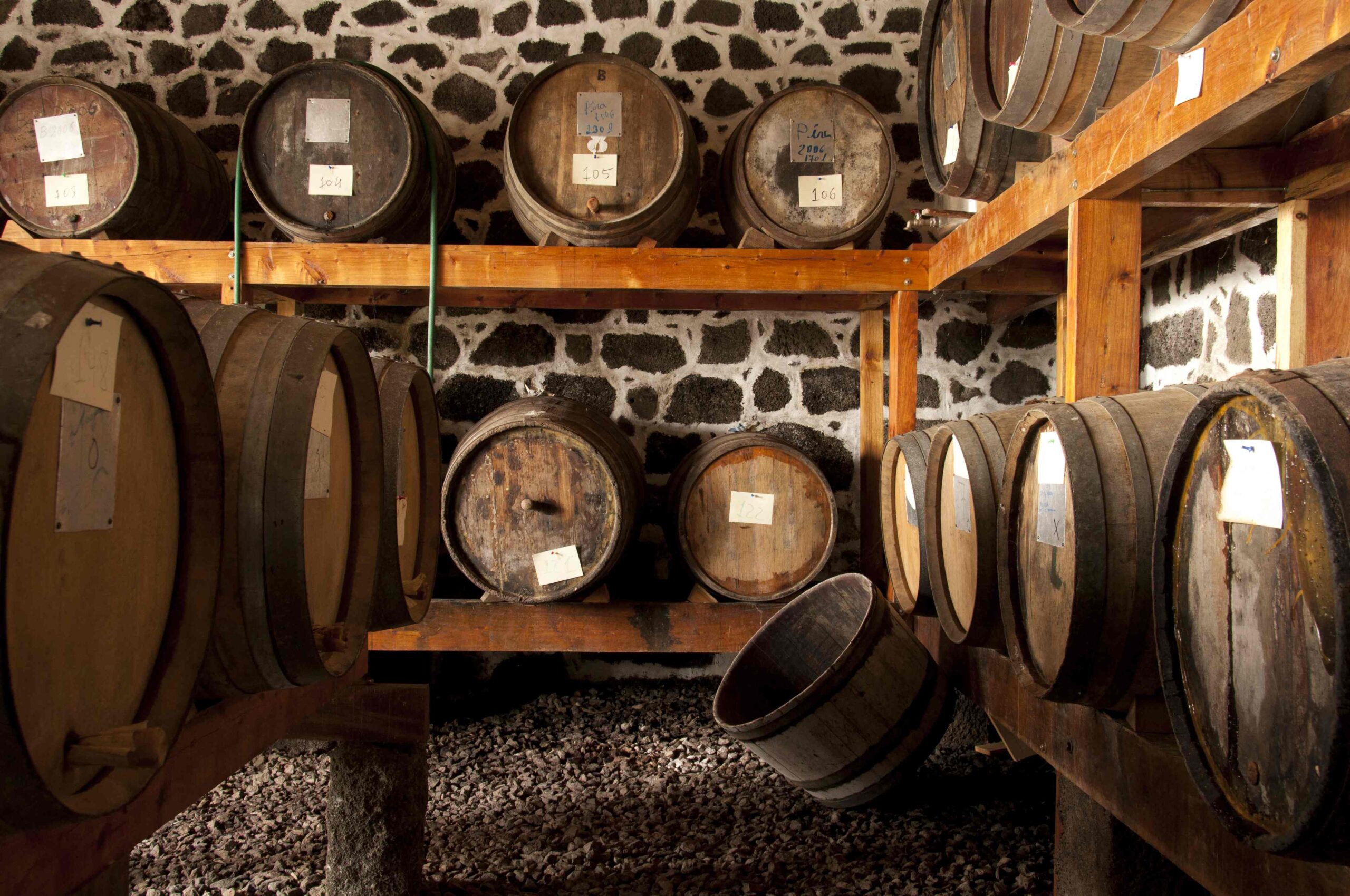
Pico offers the widest concentration of vineyard scenery, interpretation, producers, and tasting possibilities, making it the easiest island for a wine-focused day. Biscoitos on Terceira and wine-related stops on Graciosa reward travelers who are already visiting those islands.
- Arrange tastings ahead. Small producers may require reservations, and opening days can change by season.
- Plan transport before tasting. Use a designated driver, taxi, transfer, or guided experience; never drink and drive.
- Combine context with tasting. On Pico, pair vineyard country with the wine museum or vineyard-culture interpretation center. Terceira and Graciosa also have museum collections connected to island wine traditions.
- Ask four questions. Is the wine DOP or IGP? Which island supplied the grapes? Which varieties are used? Is the style dry, sparkling, fortified, or sweet?
- Leave room for change. Harvest timing, visits, and tastings depend on the producer and the year; do not build a trip around an assumed September event without confirming it.
For the wider island plan—including driving distances, ferry buffers, and other attractions—use the Pico Island travel guide and the guide to things to do on Pico.
Tea on São Miguel
Tea is one of São Miguel’s most recognizable agricultural products. Gorreana was founded in 1883 and describes itself as Europe’s oldest tea plantation in continuous operation. Its black and green teas make an easy nonalcoholic addition to an island tasting itinerary, and a plantation visit adds the landscape and production story.
Do not assume every tea served in an Azorean café was grown locally. If origin matters to you, ask for Azorean tea or check the package. Before visiting a plantation, verify current access, tour details, and opening information directly.
Coffee Grown on São Jorge
Coffee is part of daily life throughout the islands, but the most distinctive local growing story is at Fajã dos Vimes on São Jorge. The warm, sheltered conditions at this coastal fajã support small-scale coffee cultivation, and visitors may be able to see plants and taste coffee produced there.
This is a local, limited-production experience rather than a large coffee industry. Availability and visitor access can change, so treat it as a place-specific São Jorge stop—not as something guaranteed in every supermarket or café across the archipelago.
Azorean Liqueurs and Aguardente
Fruit liqueurs are among the easiest Azorean beverages to encounter in restaurants, shops, and producer tastings. Passion fruit (maracujá) is the signature flavor many visitors seek first, followed by pineapple, tangerine, blackberry, and other fruit or herbal variations. They are commonly served in a small glass after a meal or offered as a tasting.
Recipes and base spirits vary by producer. Aguardente is a general Portuguese term for distilled spirit rather than one single Azorean recipe, so ask what the bottle is made from instead of assuming it is always sugarcane- or grape-based. Likewise, a fruit flavor on the label does not by itself prove that every ingredient was grown on the island.
Kima and Other Everyday Island Drinks
Not every drink worth trying needs to be centuries old. Kima is a locally produced soft drink strongly associated with everyday life in the Azores. Kima Maracujá is the best-known version; Kima Ananás offers a pineapple alternative. Both are useful nonalcoholic choices at casual meals, cafés, festivals, and picnics.
Locally produced beer, including Especial, is another familiar option. Selection varies by venue and island, so ask what is Azorean rather than relying only on a familiar brand name.
What Should You Order?
A dry Azorean white
Ask for an Arinto dos Açores, Verdelho, Terrantez do Pico, or a local blend by the glass.
A fruit liqueur
Passion fruit is the classic first choice, but compare it with another flavor if a tasting flight is available.
Tea or Kima
Choose Azorean-grown tea for a farm-to-cup story or Kima for a casual contemporary island favorite.
Fajã dos Vimes coffee
Taste it where it is grown when available; that place and context are what make the experience distinctive.
Read the label
Check the producer, island, grape, designation, alcohol level, and baggage rules before you buy.
Book a guided tasting
A knowledgeable host can explain the basalt enclosures, local grapes, and major differences between styles.
Frequently Asked Questions
What wine are the Azores best known for?
Pico is the archipelago’s best-known wine destination, especially for whites involving Verdelho, Arinto dos Açores, and Terrantez do Pico. The official wine map also recognizes the historic Biscoitos and Graciosa designations, while Açores IGP covers qualifying wine from across the archipelago.
Is all Pico wine Verdelho?
No. Verdelho is historically important, but Pico wines may use Arinto dos Açores, Terrantez do Pico, Verdelho, or other permitted grapes, alone or in blends. Read the bottle rather than using “Pico wine” and “Verdelho” as synonyms.
Can you visit the vineyards on Pico?
Yes. Travelers can explore parts of the vineyard landscape and visit interpretation, museum, producer, and tasting sites. Some experiences require advance reservations, and working plots and stone walls should be treated with care.
Where is tea grown in the Azores?
The best-known tea plantations are on São Miguel. Gorreana, founded in 1883, produces black and green tea and is widely recognized for its long continuous history.
Is coffee really grown in the Azores?
Yes, on a small scale. Fajã dos Vimes on São Jorge is the most established visitor-facing place to learn about and taste locally grown coffee when available.
What traditional Azorean drink can I try without alcohol?
Azorean-grown tea is the strongest heritage choice. Kima Maracujá and Kima Ananás are popular locally produced soft drinks, while cafés also serve the usual juices, water, and coffee.
Do I need to reserve Azores wine tastings?
Often, yes. Advance contact is wise for small producers and guided tastings, particularly outside the busiest travel months. Confirm the language, meeting point, duration, and transportation before you go.
Continue Planning Your Azores Food and Wine Trip
Build Wine Country into Your Azores Itinerary
Island sequence matters when you want to combine Pico vineyards, São Miguel tea, São Jorge coffee, and the rest of the archipelago. Start with a ready-made trip or ask an Azores specialist to coordinate the route.

Eunice Costa has served as Travel Director of Portugal Online Corp., Azores.com (Azores Travel and Tours) since 1996. Born in the Azores and now based in California, she brings more than 30 years of experience promoting the Azorean Islands and creating thoughtfully designed tour packages, especially tailored for the U.S. and Canadian markets, that combine exceptional experiences with great value. Through her contributions to the Azores.com blog, Eunice shares her deep knowledge and passion for all nine Azorean Islands, helping travelers discover the very best of this unique destination.