São Jorge Island, Azores: Travel Guide
The Island of Fajãs
Plan a Visit to São Jorge Island
São Jorge pairs a narrow volcanic ridge with high cliffs, more than seventy fajãs, celebrated cheese, excellent official trails and ferry links within the Azores Triangle.
Island at a glance
São Jorge Travel Essentials
Why visit
Is São Jorge Island Worth Visiting?
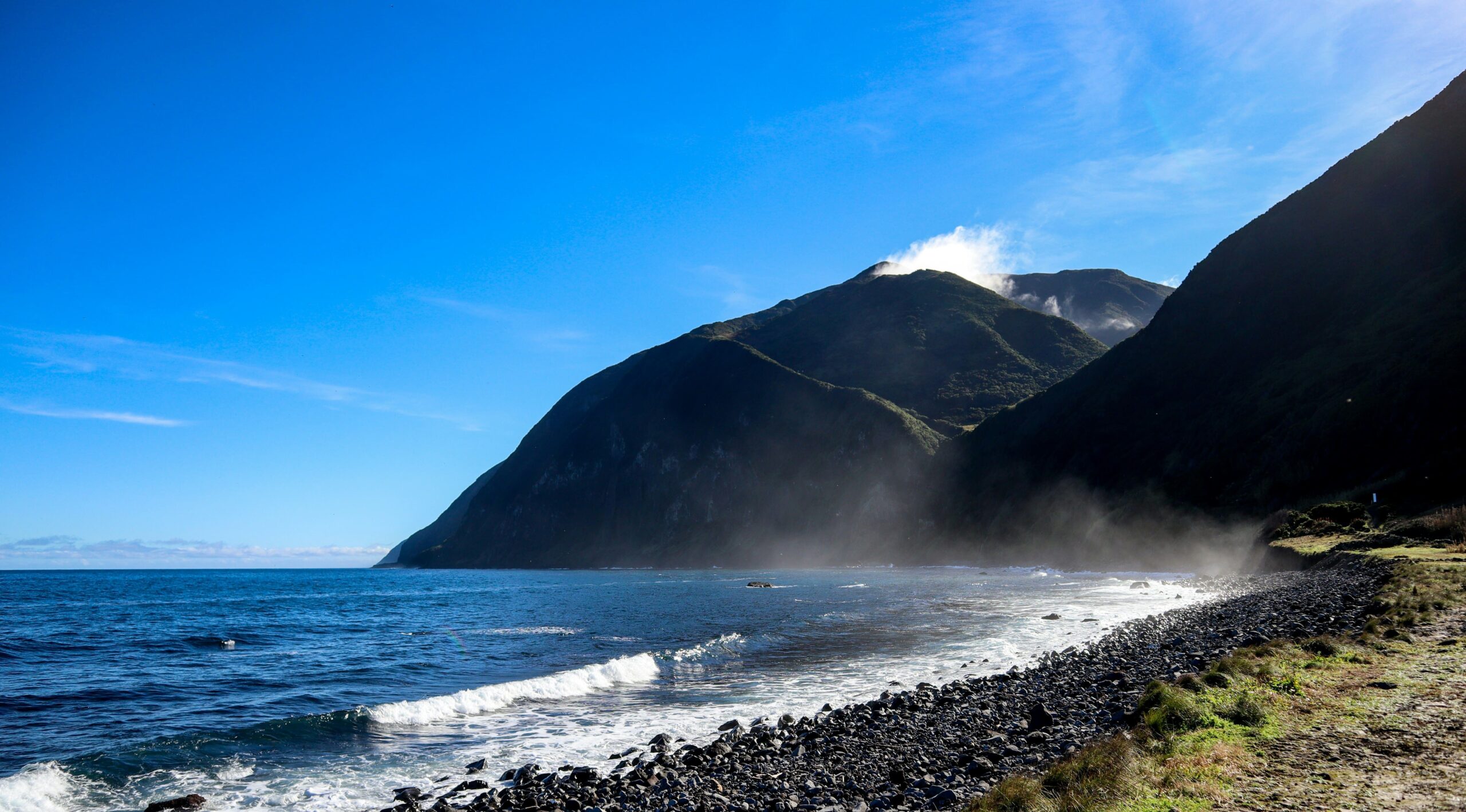
Yes—especially for hikers, photographers, food lovers and travelers who prefer smaller communities. São Jorge is an elongated island built along a volcanic backbone. Its high plateau and approximately 150 young eruptive centers end in steep cliffs, while lava or landslide debris created flat coastal pockets known as fajãs. These contrasting levels make even a short drive feel dramatic.
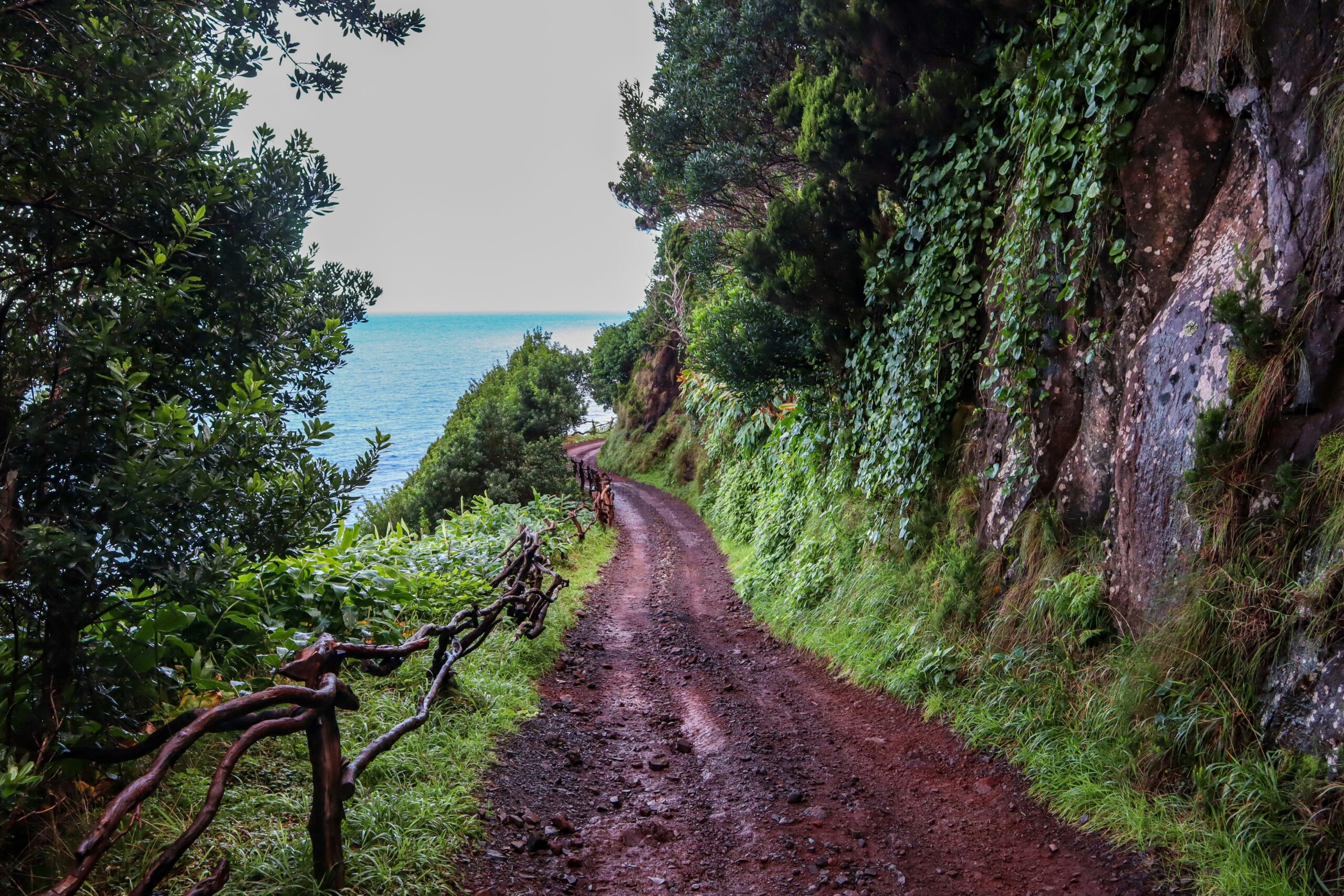
The most famous walk descends from Serra do Topo through Fajã da Caldeira de Santo Cristo and continues to Fajã dos Cubres. The protected Santo Cristo lagoon is known for amêijoas, and the fajã has an international reputation for surf and bodyboard conditions. Other memorable landscapes include Fajã dos Vimes, where coffee and Ponto Alto weaving survive, Fajã do Ouvidor and its volcanic pools, Topo Islet, the high ridge around Pico da Esperança and the quiet northwest around Rosais.
Culture adds substance to the scenery. Velas and Calheta provide ports, museums, churches and services. Urzelina preserves the tower of a church destroyed in the 1808 eruption, while Manadas holds the richly decorated Santa Bárbara Church. DOP Queijo São Jorge, made from raw cow’s milk and aged for at least three months, connects the island’s pasture, cooperatives and international reputation.
São Jorge is part of the Triangle with Pico and Faial. Ferries can make a multi-island itinerary practical, but timetables and sea conditions must be checked for the exact travel date. A rental car, point-to-point trail transfer and flexible day make the island much easier to explore.
Essential experiences
Top Experiences on São Jorge
Walk to Santo Cristo
Use the official Serra do Topo–Caldeira de Santo Cristo–Fajã dos Cubres route when open, with suitable footwear and prearranged transport.
See Pico da Esperança
Explore the 1,053-meter summit and central plateau only when visibility, wind and ground conditions are suitable.
Compare different fajãs
Visit lava-built and landslide-built coastal plains to understand how geology shaped farming, settlement and access to the sea.
Taste DOP cheese
Compare ages of Queijo São Jorge at an identified cooperative or shop and keep it refrigerated according to the label.
Visit Fajã dos Vimes
Discover coffee plots, Casa de Artesanato Nunes and Ponto Alto loom weaving while respecting working homes and fields.
Swim in volcanic pools
Use signed areas at Velas, Fajã do Ouvidor, Fajã das Almas and other coastal sites according to swell and local warnings.
Explore heritage villages
Add Urzelina, Manadas, Topo, Calheta and Velas for churches, museums, harbor life and eruption history.
Watch the Triangle
Look toward Pico and Faial from southern viewpoints and use current ferries to connect the three islands when weather permits.
Choose a base
Where to Stay on São Jorge
For an archipelago-wide comparison of practical towns, villages and hotel bases, see our Where to Stay in the Azores guide.
Velas
Best for the ferry, marina, airport side, restaurants, services and the island’s largest concentration of lodging.
Calheta
Useful for the Francisco de Lacerda Museum, eastern roads, bathing area and access toward several southern and northern fajãs.
Urzelina and Manadas
Good for south-coast views, heritage and a quieter position between Velas and Calheta.
Topo and rural fajãs
Offer seclusion and landscape access, but require early meal, fuel, transport and weather planning.
Practical planning
Getting There, Getting Around and How Long to Stay
São Jorge Airport receives inter-island flights according to the current schedule. Ferries link Velas with Pico and Faial and may connect to other Central Group ports seasonally. Service frequency, route and port can change, so protect flight and ferry connections with time rather than relying on a generic timetable.
Stay four to six nights
Allow separate days for the Santo Cristo trail, high ridge, eastern Topo area, west and Velas, plus a weather alternative.
Rent a car early
The island is long and narrow, attractions are dispersed and vehicle supply is limited in peak season. For a comparison of rental cars, buses, taxis, transfers and tours across the islands, see our Getting Around the Azores guide.
Reserve trail transfers
The signature PR01SJO is linear. Arrange a taxi or shuttle before setting out and verify the official route status that morning.
Download offline maps
Mobile coverage can weaken below cliffs. Save trail, lodging, fuel and emergency information before descending to a fajã.
Carry food and water
Remote walks and fajãs do not guarantee an open café or shop. Take every wrapper and bottle back out.
Protect onward travel
Wind, sea and low cloud can affect ferries and flights. Avoid an unbuffered international connection after São Jorge.
Choose a travel style
Related São Jorge Vacation Options
Five Island Classic
Include São Jorge through the Azores Five Island Classic.
Private multi-island tours
Connect the Triangle or a broader route through multi-island private guided itineraries.
Self-drive itineraries
Build an independent island sequence through Azores self-drive packages.
Active holidays
Pair official trails with other islands through Azores active holiday packages.
Questions travelers ask
São Jorge Island FAQ
Where is São Jorge Island located?
São Jorge belongs to Portugal’s Azores Central Group and forms the Triangle Islands with Pico and Faial in the North Atlantic.
Can I rent a car and book hotels on São Jorge Island?
Yes. Rental cars, hotels, guesthouses and local lodging are available, especially around Velas, Calheta and the south coast, but supply is limited and early booking is important.
What are the main attractions on São Jorge Island?
The fajãs, Pico da Esperança, the Santo Cristo–Cubres trail, Topo Islet, Fajã dos Vimes, volcanic pools, Santa Bárbara Church and DOP cheese are major highlights.
What is the population of São Jorge, Azores?
The official 2025 estimate is 8,548 residents: 5,103 in Velas municipality and 3,445 in Calheta municipality.
Does São Jorge have an airport?
Yes. São Jorge Airport (SJZ) handles inter-island flights. Ferries also connect Velas with Pico, Faial and other ports according to current timetables.
What activities can I do in São Jorge?
Popular activities include official hiking trails, fishing, diving, birdwatching, canyoning with qualified guides, surfing, swimming and cultural touring.
What is the best time of year to visit São Jorge?
May through September usually provides warmer and relatively drier conditions for trails and swimming, but wind, rain, fog and swell can affect any month.
Where can I buy São Jorge cheese?
Buy DOP Queijo São Jorge from identified cooperatives, producers and shops in Beira, Velas, Calheta and other parishes. Check the seal, age and refrigeration guidance.
Are there any festivals on São Jorge Island?
Yes. Holy Spirit celebrations, Semana Cultural das Velas, the July Festival in Calheta, parish feasts and the Santo Cristo pilgrimage are important; confirm each annual program.
What are fajãs, and why are they important to São Jorge?
Fajãs are small coastal flatlands formed by lava flows or landslides. They enabled settlement, farming, coffee, access to the sea and distinctive wetland habitats below the cliffs.
Build a fajãs-and-ridge stay
Include São Jorge in Your Azores Vacation
Azores.com can combine São Jorge’s walks, cheese, villages and Triangle Island connections in one weather-aware itinerary.