Faial Island, Azores: Travel Guide
The Blue Island
Plan a Visit to Faial Island
Faial combines Horta’s international marina, a vast green Caldeira, the young volcanic landscape of Capelinhos, hydrangea-lined roads, Atlantic wildlife and easy connections with Pico and São Jorge.
Island at a glance
Faial Travel Essentials
Why visit
Is Faial Island Worth Visiting?
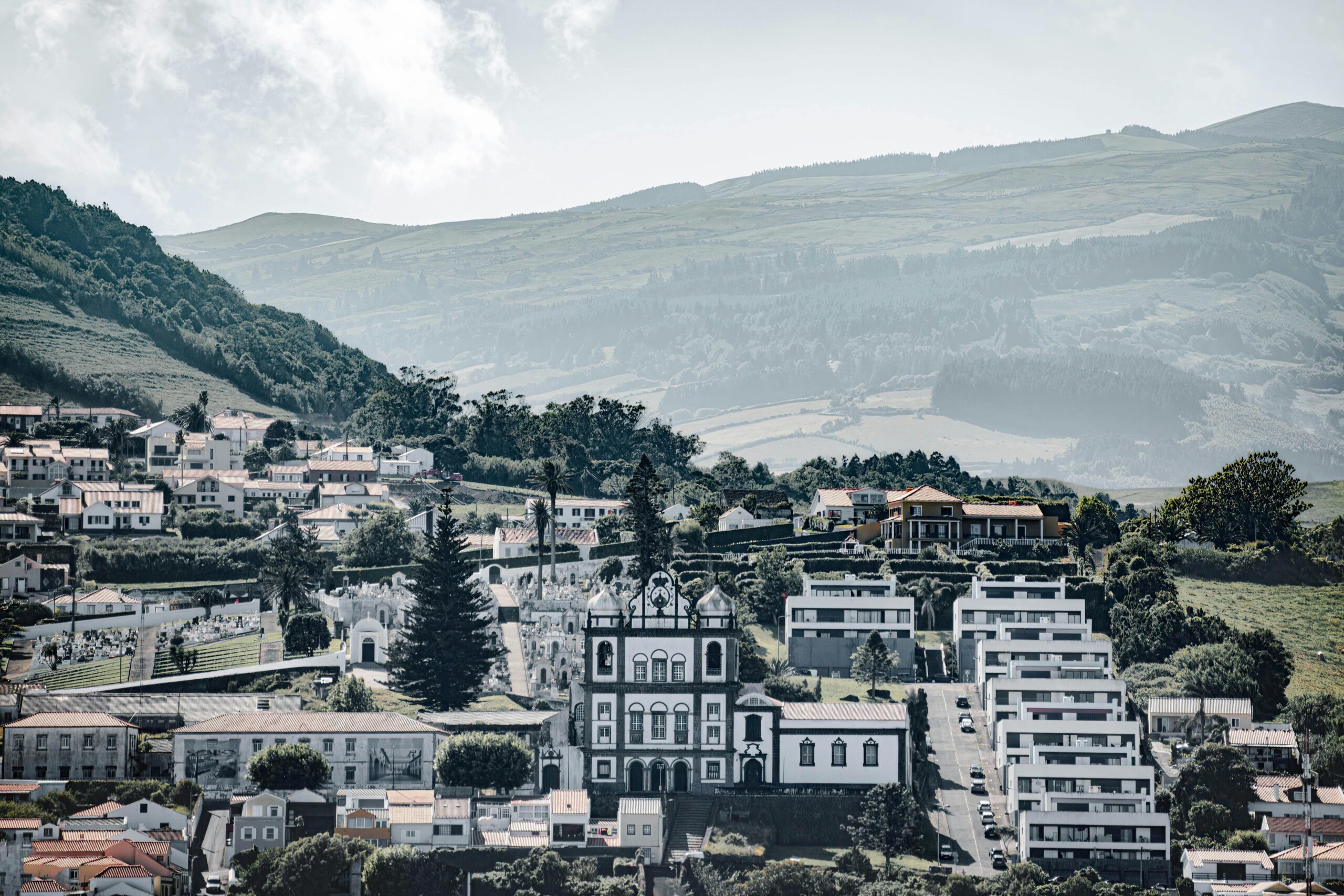
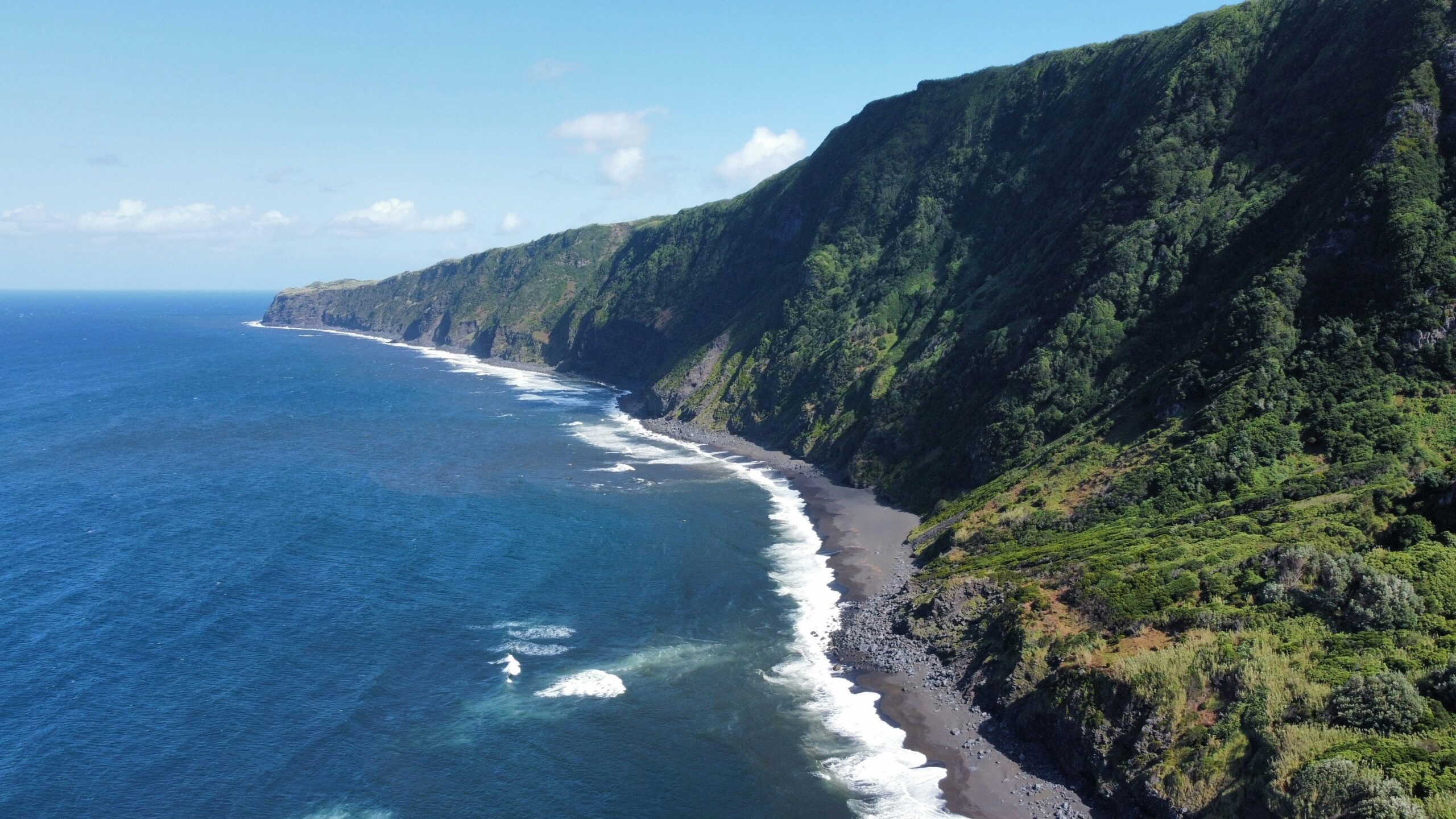
Faial is worth visiting for the contrast between Horta’s cosmopolitan maritime culture and the island’s protected volcanic interior. The central Caldeira is lush and deeply cut, while the western Capelinhos peninsula ends in gray ash and land created by the 1957–58 eruption. Between them lie pasture, laurel-forest fragments, villages and roads edged with blue hydrangeas that inspired the Blue Island name.
Horta Marina is a meeting place for Atlantic sailors, and the paintings crews leave on the harbor walls form a changing outdoor gallery. Peter Café Sport and its Scrimshaw Museum connect yachts, submarine cables, whaling memory and the city’s international identity. From the marina, Pico Mountain rises across the channel and ferries make nearby islands part of the experience when schedules and sea conditions cooperate.
Travelers can hike the Caldeira rim and Capelo volcanic ridge, visit the Capelinhos Interpretation Center, whale watch, dive, sail, swim at Porto Pim or volcanic pools, and explore museums and viewpoints. Faial also suits slower visits built around Horta, coastal drives, food and the calm rhythm of a compact island.
Essential experiences
Top Experiences on Faial
Faial Caldeira
Look into the protected two-kilometer-wide crater and walk only on currently authorized routes in suitable visibility.
Capelinhos Volcano
Explore the ash landscape, old lighthouse and interpretation center created around the 1957–58 eruption.
Horta Marina
Read the hand-painted yacht murals and the harbor’s role in transatlantic sailing.
Peter Café Sport
Visit the century-old sailor meeting point and its Scrimshaw Museum, checking current museum hours.
Monte da Guia and Porto Pim
Combine a protected volcanic peninsula, views over Horta and a sheltered sandy bay.
Espalamaca viewpoint
Look across Horta, the channel and Pico when cloud permits; the harbor geometry is especially clear from above.
Whale watching and diving
Use licensed operators for cetacean trips and volcanic dive sites, understanding that weather and wildlife control departures.
Pico or São Jorge connection
Use current ferry schedules to add a day trip or multi-island stay rather than assuming year-round frequency.
Choose a base
Where to Stay on Faial
For an archipelago-wide comparison of practical towns, villages and hotel bases, see our Where to Stay in the Azores guide.
Central Horta
Best for the marina, Peter Café Sport, museums, restaurants and departures on foot.
Porto Pim and Angústias
Convenient for the beach, Monte da Guia and the southern waterfront while remaining close to Horta.
Flamengos and inland areas
Choose greener surroundings and easier access toward the Caldeira, with a car useful for dining and evening plans.
North or west coast
A rural base suits travelers seeking quiet, Capelinhos access and coastal scenery, but services are more dispersed.
Practical planning
Getting There, Getting Around and How Long to Stay
Horta Airport receives service from mainland Portugal and other Azores islands according to the operating season. Ferries connect Faial with Pico and São Jorge on date-specific schedules; the short Pico crossing is especially useful, but weather and seasonal frequency must be checked before reserving linked services.
Stay three to five days
Allow separate time for Horta and Monte da Guia, the Caldeira, Capelinhos and a coast-and-villages circuit. Add days for hiking or ferry connections.
Rent a car for flexibility
A non-stop island circuit can take roughly one to two hours, but real sightseeing requires most of a day and many stops. For a comparison of rental cars, buses, taxis, transfers and tours across the islands, see our Getting Around the Azores guide.
Use a guided island tour
A guide helps interpret the eruption, whaling, cable history and protected landscape without the demands of driving.
Check highland visibility
Do not commit the Caldeira to one fixed hour; cloud at 800–1,000 meters can coexist with clear weather in Horta.
Coordinate ferries carefully
Leave margin between ferry arrivals and flights, tours or hotel changes because sea conditions can alter operations.
Respect protected terrain
Stay on marked routes, obey Caldeira access restrictions and avoid unstable ash slopes at Capelinhos.
Choose a travel style
Related Faial Vacation Options
Six-night Faial self-drive
Combine lodging and a rental car through the six-night Faial self-drive package.
Six-night private guided Faial
Use the six-night private guided Faial program for organized island and Horta touring.
Eight-night hiking tour
The São Miguel, Pico and Faial hiking tour includes a guided Faial crater experience.
Multi-island private guided tours
Combine Faial with Pico, São Miguel, Terceira or Flores through multi-island private guided itineraries.
Questions travelers ask
Faial Island FAQ
Where is Faial Island located?
Faial is one of Portugal’s nine Azores islands in the North Atlantic. It belongs to the Central Group and forms the Triangle Islands with Pico and São Jorge.
What are the must-visit attractions and outdoor activities on Faial Island?
Leading sights include the Caldeira, Capelinhos Volcano, Horta Marina, Peter Café Sport, the Scrimshaw Museum, Monte da Guia and the Espalamaca viewpoint. Hiking, whale watching, diving, sailing and swimming add active options.
How do I get to Faial Island?
Fly into Horta Airport (HOR) from mainland Portugal or another Azores island according to current schedules. Ferries connect Faial with Pico and São Jorge on seasonal, weather-dependent timetables.
When is the best time to visit Faial Island?
June through September generally offers the warmest and driest conditions for hiking, sailing, beaches and festivals. Spring and early autumn can be quieter, but every season requires a weather Plan B.
Are there any festivals on Faial Island?
Yes. Semana do Mar, or Sea Week, is the island’s principal maritime festival, while Holy Spirit celebrations, Saint John’s Day and parish patron feasts animate communities. Confirm the exact annual program.
Is Faial Island a good destination for whale watching?
Yes. Licensed operators depart from Horta, and sperm whales are among the species associated with Azores waters. Wildlife sightings and departures are never guaranteed.
What is the cuisine like on Faial Island?
Faial cooking includes octopus, limpets, fish soups and stews, local shellfish, sausage, yams, cheese and Fofas do Faial pastries. Availability follows season and supply.
Can I hike on Faial Island?
Yes. The Caldeira rim, Dez Vulcões, Levada, Entre Montes and other official routes range from easy to hard. Check live trail status, weather and access restrictions before setting out.
Is there accommodation on Faial Island?
Faial offers hotels, guesthouses, rural stays and vacation rentals, with the largest selection in and around Horta. Reserve well ahead for Semana do Mar and peak summer dates.
How do you get around Faial Azores?
A rental car provides the greatest flexibility for the Caldeira, Capelinhos and rural coast. Taxis, transfers and guided tours are alternatives; public transport is limited for attraction-focused itineraries.
How many days should I spend on Faial?
Three to five days suits a first visit, while longer stays allow difficult-weather recovery, hiking and ferry trips.
Can I visit Pico from Faial?
Yes. The Horta–Madalena ferry is a common connection, but use the current operator timetable and allow disruption margin.
Build a volcano-and-marina stay
Include Faial in Your Azores Vacation
Azores.com can combine Horta, Caldeira, Capelinhos, whale watching, Pico ferry connections and flexible weather planning in one island itinerary.