Pico Island, Azores: Travel Guide
The Mountain Island
Plan a Visit to Pico Island
Pico combines Portugal’s highest mountain, UNESCO-listed basalt vineyards, whaling heritage, lava tubes, natural pools, Atlantic wildlife and easy ferry links within the Central Group.
Island at a glance
Pico Travel Essentials
Why visit
Is Pico Island Worth Visiting?
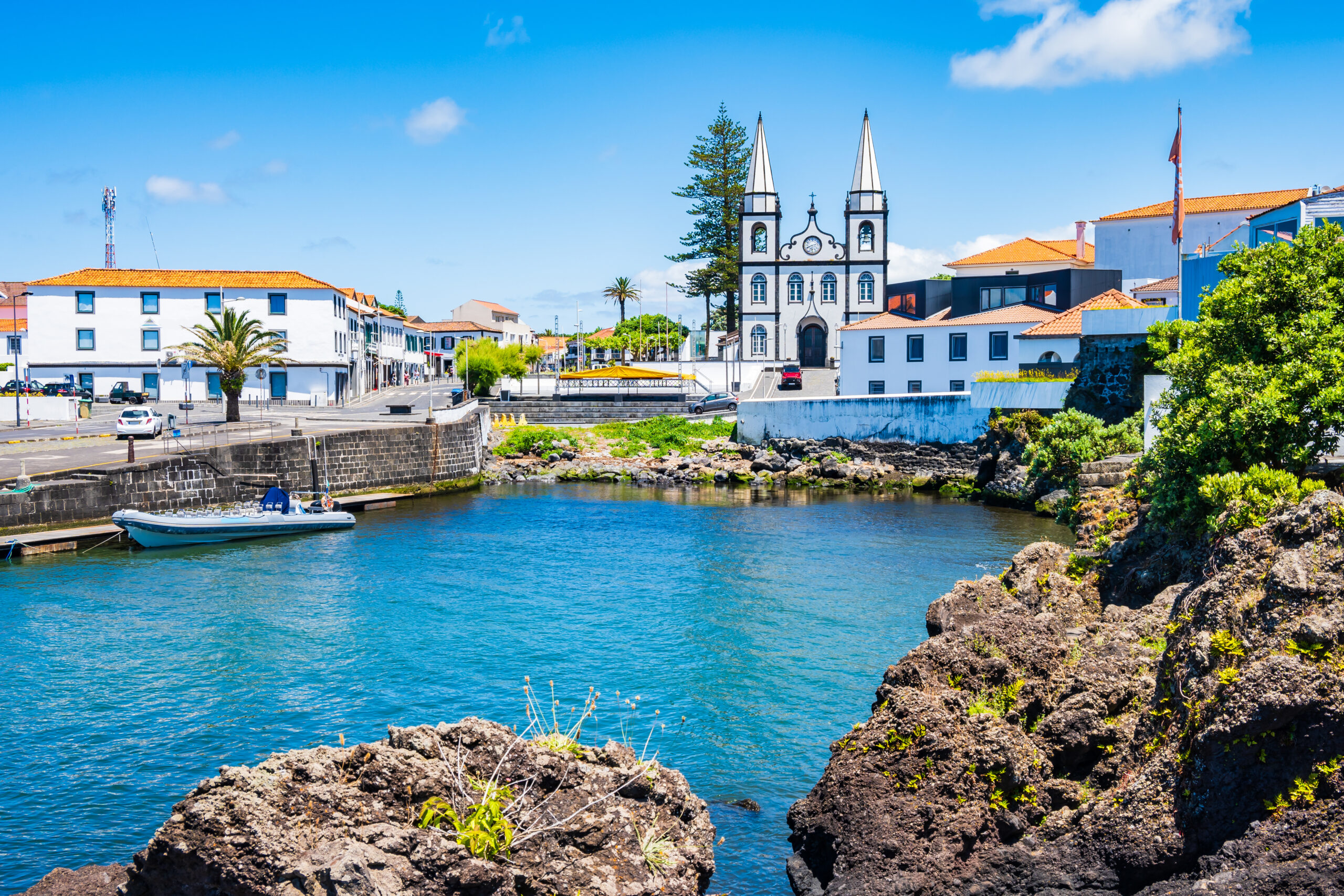
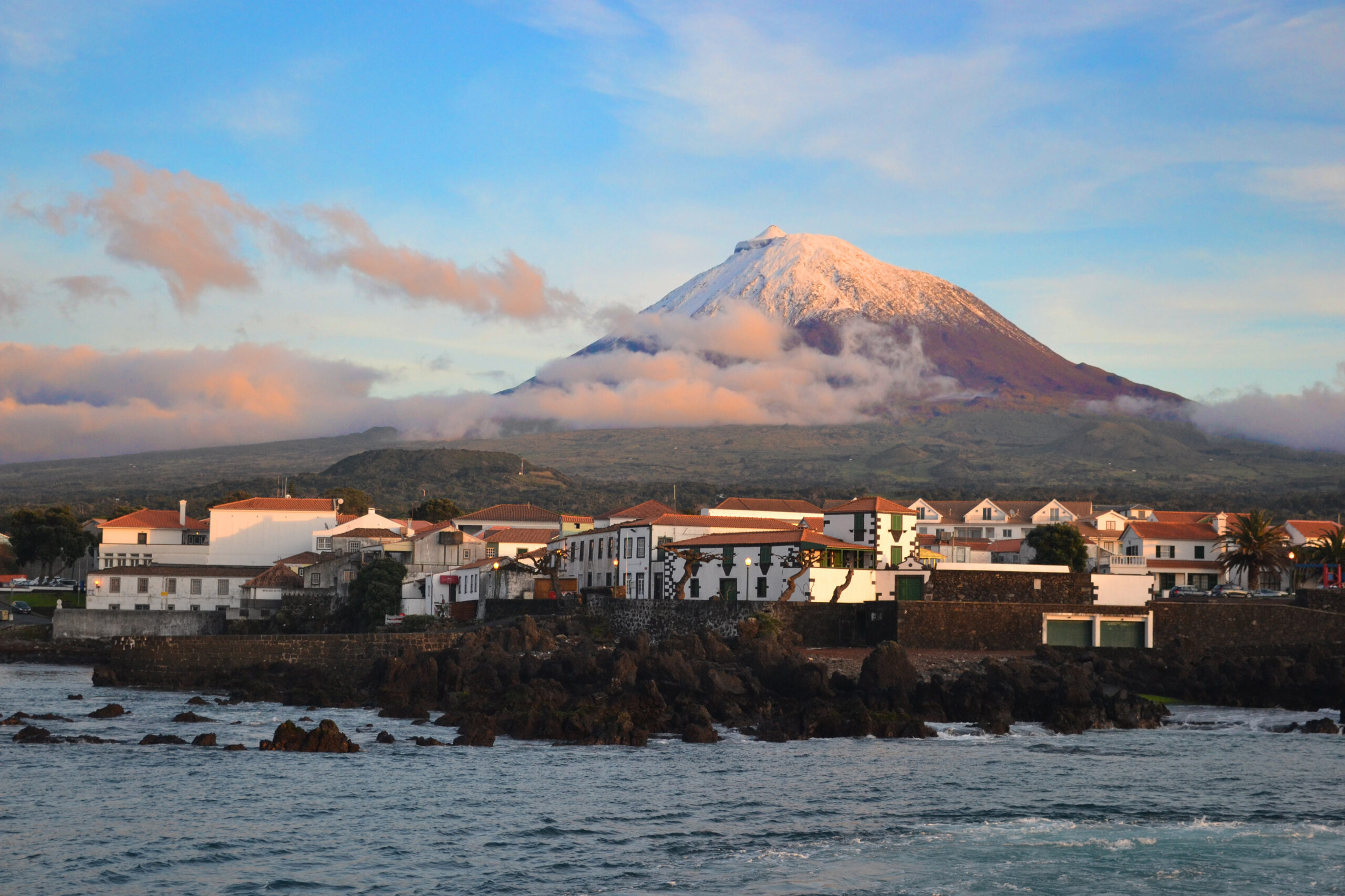
Absolutely. Pico is a striking mix of black lava, green pasture, quiet villages and Atlantic coast, dominated by the symmetrical summit of Pico Mountain. The island rewards nature lovers and adventurers, but it is equally suited to travelers who want calm roads, uncrowded settlements, wine country and time beside the sea.
Outdoor experiences range from the demanding official climb of Portugal’s highest mountain to whale and dolphin watching, guided lava-tube visits, official hiking trails and swimming in volcanic pools. Gruta das Torres reveals the island’s volcanic interior, while the long ridge east of the mountain contains small cones, lagoons, wetlands and highland pasture.
Pico’s cultural landscape is just as important. UNESCO recognizes 987 hectares of vineyard country where generations built thousands of small currais from basalt to protect vines from wind and salt. Lajes and São Roque preserve whaling history through museums and harbor traditions, while Madalena combines ferry access, wine institutions, restaurants and views toward Faial.
The central location also makes Pico a useful base for exploring Faial and São Jorge when ferry schedules and weather cooperate. A self-drive stay provides independence, while guided hiking, wine and marine activities add interpretation and safety.
Essential experiences
Top Experiences on Pico
Climb Pico Mountain
Reserve the official route, assess fitness and weather honestly, and strongly consider a licensed mountain guide. The full ascent and descent commonly require six to eight hours.
Explore Gruta das Torres
Join a managed visit through part of Portugal’s longest known lava tube and observe lava formations in a minimally altered cave environment.
Walk the vineyard landscape
Explore Criação Velha, Lajido and Santa Luzia while respecting working plots, walls and private property.
Taste Pico wine
Visit a museum, cooperative, producer or tasting room to understand Verdelho, Arinto dos Açores and other island wines.
Learn the whaling story
Pair the Whalers Museum in Lajes with the Whaling Industry Museum in São Roque and the island’s modern whale-watching culture.
Watch whales and dolphins
Use a licensed operator from Lajes or another island harbor; routes, departures and sightings depend on sea conditions and wildlife.
Swim in volcanic pools
Choose designated areas around Madalena, São Roque, Santo António, Prainha and other communities according to swell and local warnings.
Explore quiet Pico
Drive through pasture, lava fields, coastal villages and highland roads, allowing time for cloud, viewpoints and unplanned local stops.
Choose a base
Where to Stay on Pico
For an archipelago-wide comparison of practical towns, villages and hotel bases, see our Where to Stay in the Azores guide.
Madalena
Best for Faial ferries, restaurants, wine sites, the airport side of the island and convenient western touring.
São Roque do Pico
Useful for north-coast pools, the Whaling Industry Museum, Prainha access and an east-west position.
Lajes do Pico
Strong for whaling heritage, marine departures, summer events and the quieter south coast.
Rural coast or highlands
Stone cottages and village stays offer tranquility, but a car and advance meal planning become more important.
Practical planning
Getting There, Getting Around and How Long to Stay
Pico Airport receives inter-island service and selected territorial flights according to season and schedule. Ferries connect Madalena with Horta and link Pico with São Jorge and other Central Group ports on date-specific timetables. Do not treat the short Faial crossing as immune to wind, swell or operational change.
Stay four to six days
Allow separate time for the mountain or a highland alternative, vineyards, whaling towns, a coast circuit and a weather-recovery day.
Rent a car
Pico is 42 kilometers long and its attractions are dispersed. Buses and taxis exist, but they do not provide the same sightseeing flexibility. For a comparison of rental cars, buses, taxis, transfers and tours across the islands, see our Getting Around the Azores guide.
Reserve the mountain early
Capacity is regulated. Weather can still make a reserved climb unsuitable, so keep another day or a lower-elevation plan available.
Book Gruta das Torres
Managed visits have limited capacity and a fixed start. Confirm opening, language and arrival requirements directly.
Protect ferry connections
Leave margin between ferries and flights, climbs, tours or hotel changes because marine schedules are weather-dependent.
Carry layers and rain protection
Conditions differ sharply between coast, plateau and summit, even when Madalena appears warm and clear.
Choose a travel style
Related Pico Vacation Options
Six-night Pico self-drive
Combine lodging and a rental car through the six-night Pico self-drive package.
Eight-night hiking tour
The São Miguel, Pico and Faial hiking tour includes guided island walking.
Multi-island private tours
Connect Pico with Faial, São Jorge, São Miguel or other islands through multi-island private guided itineraries.
Custom vacation planning
Use the Azores Vacation Planner to coordinate island sequence, ferries, flights, cars and activities.
Questions travelers ask
Pico Island FAQ
Where is Pico Island located?
Pico is one of Portugal’s nine Azores islands in the North Atlantic. It belongs to the Central Group and forms the Triangle Islands with Faial and São Jorge.
How do I get to Pico Island?
Fly into Pico Airport (PIX) or use current ferry services from Faial, São Jorge and other Central Group ports. Some air itineraries connect through São Miguel or Terceira.
What are the transportation options for getting around the island?
A rental car offers the greatest flexibility. Taxis, limited bus services, transfers and guided tours are also available, but advance coordination is important outside the main towns.
Are there any guided tours available on Pico Island?
Yes. Options include private island tours, mountain guides, vineyard and wine experiences, whale watching, hiking and managed cave visits.
Can I climb Mount Pico?
Yes, subject to the official access system, capacity and safe conditions. The steep 3.8-kilometer route from Casa da Montanha gains about 1,150 meters; reserve and prepare carefully.
Is Pico Island good for whale watching?
Yes. Pico has a deep whaling heritage and licensed operators now run observation trips. Wildlife sightings and departures are never guaranteed.
What outdoor activities can I do on Pico Island?
Climb or hike, whale watch, swim in natural pools, walk vineyard trails, visit lava tubes, dive, cycle and explore coastal and highland scenery.
Are there accommodations on Pico Island?
Yes. Pico offers hotels, guesthouses, rural cottages and vacation rentals, with clusters around Madalena, São Roque, Lajes and coastal villages.
What is the best time to visit Pico Island?
June through September usually provides the warmest and driest weather for hiking, swimming and festivals. Spring and early autumn can be quieter, but all seasons require flexible plans.
Can I visit other islands from Pico Island?
Yes. Faial is the easiest ferry connection, and São Jorge is another practical Central Group link when the current timetable and sea conditions permit.
Build a mountain-and-vineyard stay
Include Pico in Your Azores Vacation
Azores.com can combine Pico Mountain, vineyards, whale heritage, volcanic swimming areas and Triangle Island connections in one practical itinerary.