Graciosa History: Settlement, Culture & Island Heritage
Settlement, agriculture and Atlantic exchange
History of Graciosa Island
Graciosa’s history links early settlement, two former captaincies, farming and wine, Atlantic raids, religious life, emigration, science and a distinctive windmill landscape.
Timeline
Milestones in Graciosa History
Early exploration
The exact discovery date is uncertain. Explorers working from Terceira reached the island, and cattle were introduced before permanent settlement.
Vasco Gil Sodré
The first recorded settler came from Montemor-o-Velho with family and servants and established himself near Carapacho.
Two captaincies
Pedro Correia da Cunha governed the northern captaincy; Duarte Barreto held the southern one before administration was eventually unified.
Santa Cruz charter, 1486
Santa Cruz developed into the main town and received its charter in the late fifteenth century.
Praia charter, 1546
Praia became a separate town and maritime center before later municipal reorganization.
Emigration, 1950s–1970s
Large numbers left for the United States and other destinations, accelerating population decline and changing island life.
Settlement and prosperity
From Carapacho to Santa Cruz and Praia
Settlement drew people from mainland regions including Beiras and Minho as well as Flemish families. Agriculture developed around wheat, barley, vines and livestock. Wine and brandy became valuable products, while Graciosa’s position near Terceira connected it to Atlantic exchange.
Pedro Correia da Cunha married a sister of Filipa Moniz, the wife of Christopher Columbus, creating a family link often noted in Graciosa history. The former division between northern and southern captaincies also helps explain the early importance of Santa Cruz and Praia.
Conflict and resilience
Corsairs, Earthquakes and Economic Change
Sixteenth- and seventeenth-century raids
Trade with Terceira and exposed ports attracted corsairs and privateers, leading communities to organize defenses and refuges.
Agricultural economy
Wheat, barley, wine, brandy, livestock and later dairy production sustained the island but left it vulnerable to market and crop changes.
Phylloxera crisis
Nineteenth-century vine disease damaged the wine economy; resistant varieties and later renewal helped viticulture survive.
1980 earthquake
The major Central Group earthquake affected parts of Graciosa, including Luz, Carapacho and Guadalupe, and remains part of modern community memory.
Windmill heritage
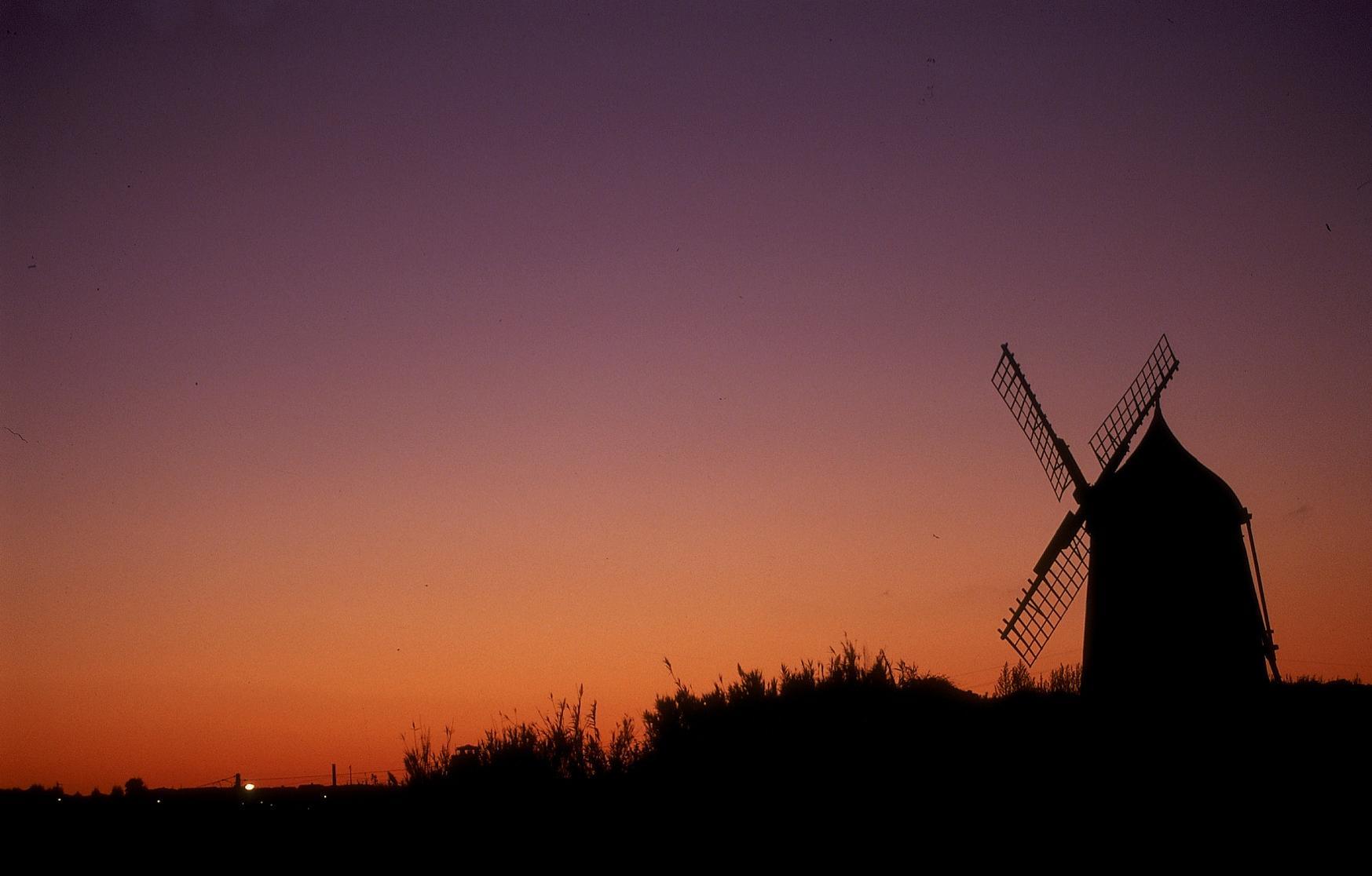
Windmills multiplied in response to grain production and steady Atlantic winds. Their silhouettes became one of Graciosa’s strongest cultural symbols.
Modern science
A Comprehensive Nuclear-Test-Ban Treaty monitoring station began operating on Graciosa in 2010, linking the island with global scientific observation.
Visitors through history
Writers, Clergy and Scientists Connected to Graciosa
Father António Vieira
The Portuguese Jesuit preacher and writer stayed on Graciosa for about two months after a shipwreck.
François-René de Chateaubriand
The French writer passed through the Atlantic islands while fleeing revolutionary France and later referred to Graciosa.
Almeida Garrett
The Portuguese writer lived on the island as a teenager in 1814 and composed poetry connected with the experience.
Prince Albert I of Monaco
The oceanographer visited in 1879, conducted scientific work in Azorean waters and explored the Caldeira cave environment.
Explore with context
Practical Graciosa History Tips
Begin in Santa Cruz
The protected center, museum and Monte da Ajuda establish the clearest historical framework.
Continue to Praia
The port, windmills and former municipal identity reveal the island’s maritime and agricultural past.
Read the rural landscape
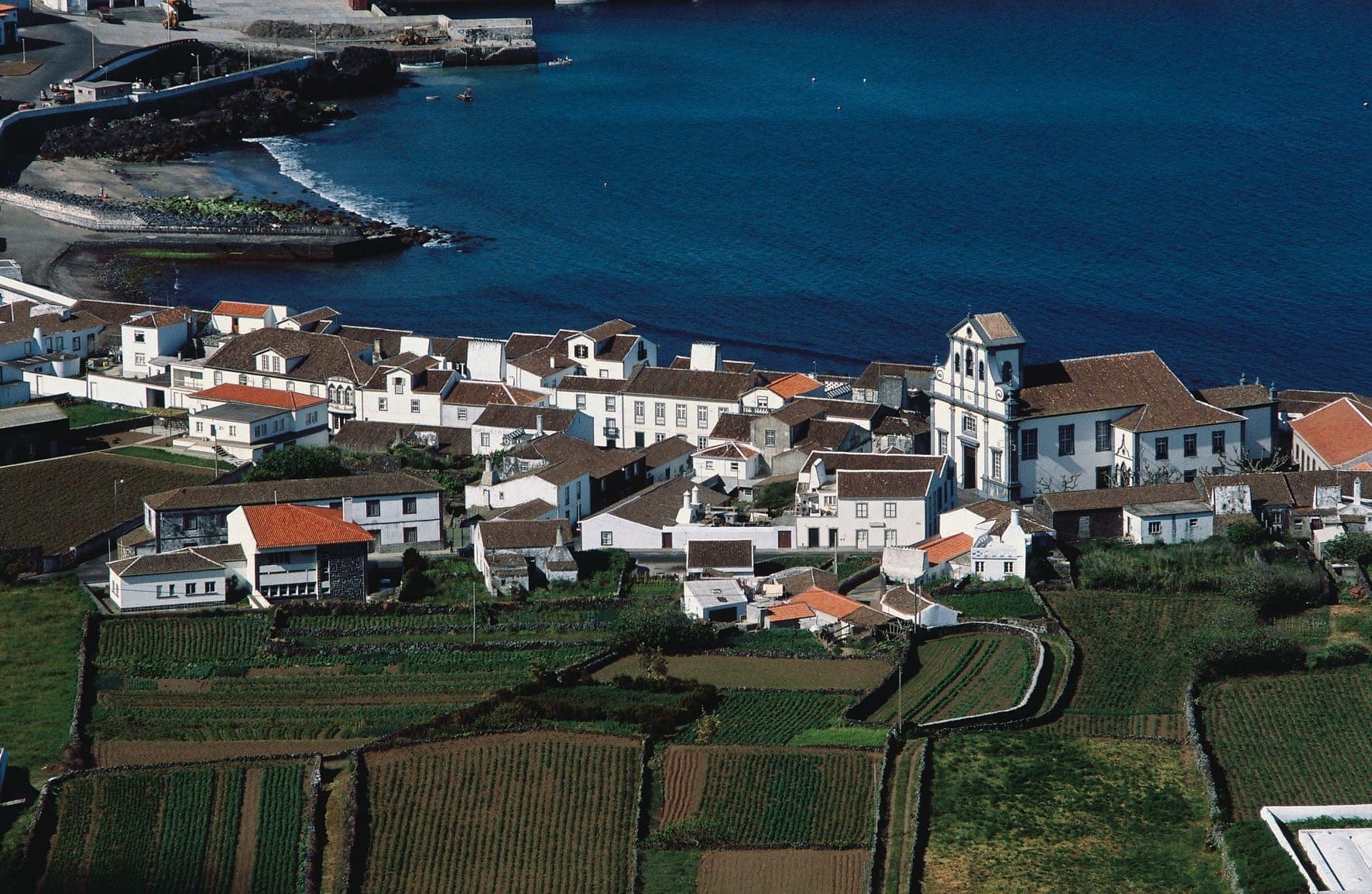
Vineyard plots, fields, white houses, tools and windmills are historical evidence—not merely scenery.
Treat dates carefully
Early discovery traditions and some biographical details vary by source; distinguish documented facts from inherited accounts.
Questions travelers ask
Graciosa FAQ
Who first settled Graciosa?
Vasco Gil Sodré is identified as the first recorded settler, establishing himself near Carapacho with family and servants.
Why were Santa Cruz and Praia both important?
They developed as centers of separate early captaincies and later held town or municipal status at different points in island history.
Why does Graciosa have windmills?
Grain cultivation and steady winds made wind power practical, and the mills became a defining feature of the rural landscape.
Did emigration affect Graciosa?
Yes. Strong emigration during the mid-twentieth century contributed to population decline and created enduring ties with North American communities.
Which notable visitors are linked to Graciosa?
Father António Vieira, François-René de Chateaubriand, Almeida Garrett and Prince Albert I of Monaco are all connected with island history.
Build a practical island stay
Plan Your Graciosa Vacation
Azores.com can coordinate flights, lodging, transportation and enough time to explore this quieter Central Group island.