The Azores reward travelers who leave room for weather, island logistics and the slower rhythm of an Atlantic archipelago. Most first-trip problems are not caused by choosing the wrong island; they come from trying to fit too much into too little time, booking key logistics too late, or treating the islands like a conventional European city break.
For U.S. travelers, the biggest planning mistake is usually cramming too many islands into one trip. Inter-island flights and ferries add real travel time and can be affected by weather, while each island deserves enough time to justify getting there. The ten mistakes below explain what commonly goes wrong and how to build a more resilient itinerary.
Mistake 1: Cramming too many islands into too few days
The nine Azores islands look close together on a map, but they are divided into three geographic groups and cannot be linked like stops on a road trip. Every island change involves packing, airport or port time, ground transport and the possibility of weather disruption.
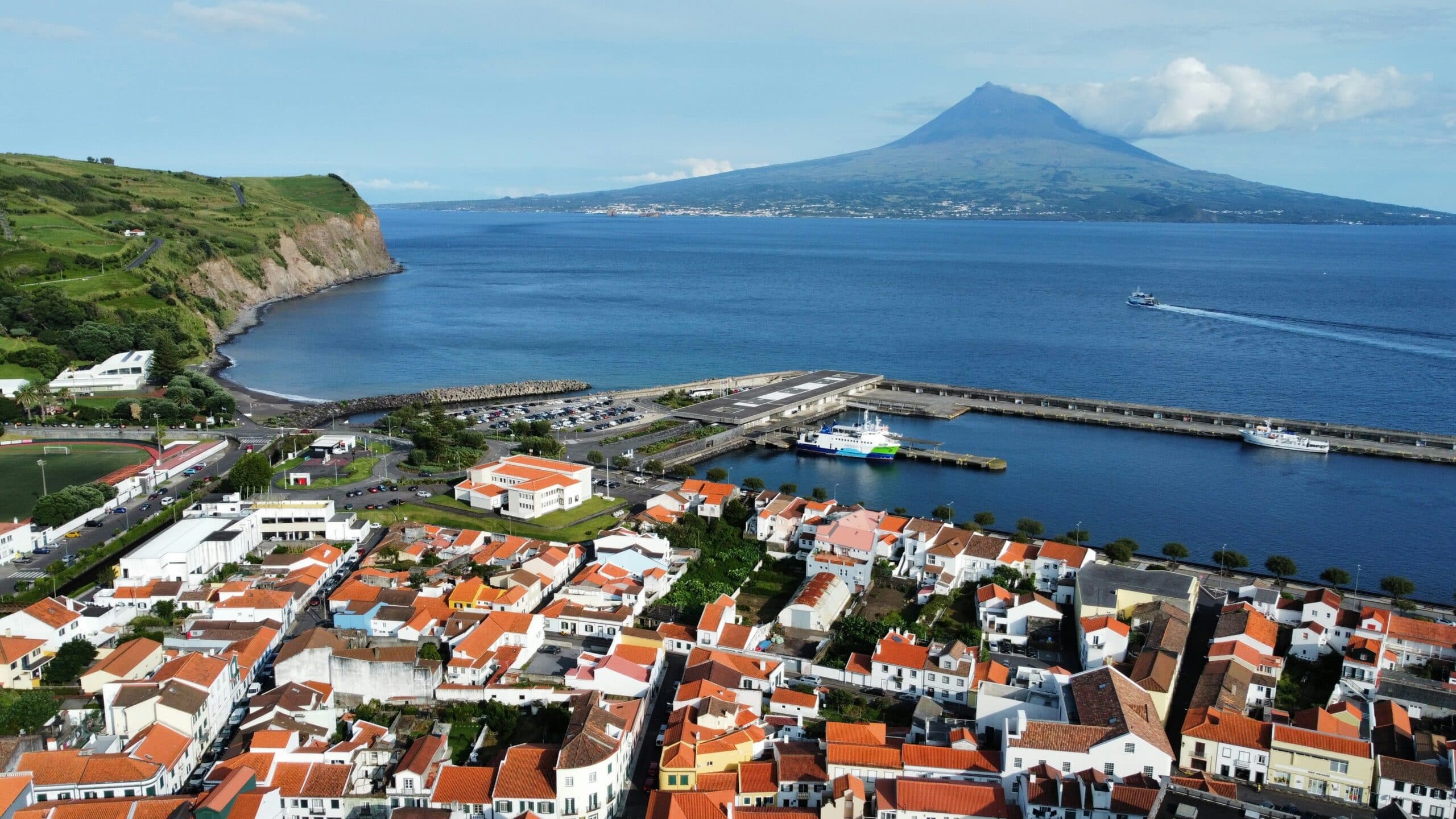
São Miguel can easily fill five days on a first visit. The Triangle islands — Faial, Pico and São Jorge — work naturally together on a longer trip. Flores and Corvo deserve additional time rather than being squeezed into a tight connection chain.
Mistake 2: Building a fixed itinerary around unpredictable weather
Azores weather is famously changeable. Conditions can differ substantially between the coast, volcanic highlands and opposite sides of the same island. A viewpoint may be clear while another is hidden by cloud; a hike that looked sensible at breakfast may be wet or windy later.
The mistake is not encountering bad weather — that is part of Atlantic island travel. The mistake is giving every outdoor activity one non-negotiable time slot. Keep several weather-sensitive sights interchangeable and check actual conditions before driving across an island.
Mistake 3: Booking the rental car too late
A rental car is one of the most useful tools for exploring the Azores, particularly outside Ponta Delgada and other main towns. Supply is finite, however, and automatic-transmission vehicles are less common than manuals. Availability tightens during the busiest summer periods and around major events.
Do not wait for a last-minute bargain if a particular vehicle type is essential. Travelers who can only drive an automatic, need a larger vehicle, or are visiting a smaller island have even less reason to delay.
Mistake 4: Assuming a U.S. license and an IDP are the same requirement everywhere
Portugal recognizes qualifying foreign driving licenses for tourists under its rules for foreign-license holders; the Portuguese mobility authority states that eligible visitors can drive with their foreign license for up to 185 days after entering Portugal, provided they have not established residence.
An International Driving Permit is a translation/companion document, not a replacement for your valid state license. Rental-company documentation requirements can be more specific than the basic legal rule, so the safest approach is to check the exact terms of the company you will use rather than rely on a generic travel-blog claim.
Mistake 5: Waiting too long to book around summer and major festivals
Summer brings strong demand from vacationers and members of the Azorean diaspora returning to visit family. Major religious celebrations and municipal festivals can add another layer of pressure to accommodation, rental cars and inter-island transport — especially on islands with limited inventory.
The exact dates change from year to year, so avoid hard-coding last year’s festival calendar into a future itinerary. If a particular celebration is important to your trip, confirm its current dates before buying non-refundable transport.
Mistake 6: Treating São Miguel as the whole Azores
São Miguel is the easiest first introduction to the archipelago and can absolutely justify an entire vacation. Sete Cidades, Furnas, Lagoa do Fogo, tea country and the island’s north and south coasts provide plenty of variety.
But the other islands are not miniature versions of São Miguel. Pico’s lava vineyards and mountain, Faial’s maritime culture, São Jorge’s fajãs, Terceira’s historic Angra do Heroísmo and the waterfalls and crater lakes of Flores all offer different reasons to return or extend a longer trip.
Mistake 7: Packing as though the Azores were a conventional beach resort
The Azores have beaches and excellent ocean swimming, but the climate and landscape call for more than resort wear. Rain, wind and rapidly changing cloud cover are possible throughout the year, and many of the best experiences involve volcanic paths, wet grass, viewpoints, natural pools or uneven trails.
- a waterproof outer layer;
- comfortable walking or hiking footwear suited to your activities;
- light layers that can be added or removed during the day;
- water shoes if natural pools are part of the plan;
- sun protection even on mixed-cloud days; and
- offline maps for the islands you will drive or hike.

Mistake 8: Leaving no recovery margin around important connections
Inter-island flights and ferries are normal parts of Azores travel, but weather and operational changes can affect them. The risk becomes much more consequential when an island hop sits immediately before a transatlantic flight or another expensive, fixed commitment.
You do not necessarily need an extra hotel night after every routine island movement. What you do need is a sensible margin around the connections that would be costly or difficult to miss.
Mistake 9: Assuming you already need ETIAS — or ignoring future entry changes
ETIAS has generated years of confusing headlines and repeatedly changing launch expectations. As of this article’s September 2026 review, the European Union states that ETIAS is not yet in operation and applications are not being collected. The EU says it will announce the specific start date several months before launch.
When ETIAS becomes operational, it will be a travel authorization for visa-exempt travelers to participating European countries, not a conventional visa. Travelers should use the official European Union ETIAS site rather than commercial application sites or old articles quoting a launch date that may no longer be current.
A practical Azores booking timeline
There is no universal booking calendar, but planning becomes easier when you reserve the least flexible parts first.
Flights, islands and accommodation
Choose the island sequence, book international flights and secure accommodation early for peak summer or festival dates. Reserve scarce rental-car categories once the itinerary is stable.
Inter-island transport
Book the flights or ferries that connect the itinerary and verify realistic transfer times. Do not assume every route operates every day or year-round.
Reserve what can sell out
Book activities with fixed capacity — such as certain guided experiences or Pico Mountain access — early enough for your travel period.
Reconfirm the moving parts
Save confirmations, download offline maps, review weather and webcams, check current entry requirements, and reconfirm any transport or activity whose schedule matters to the trip.
Mistake 10: Assuming every Azores trip has to be planned the same way
Some travelers enjoy researching every ferry, trail, rental car and hotel themselves. Others would rather have a specialist coordinate the moving pieces, particularly on a multi-island itinerary. Neither approach is automatically better.
The mistake is choosing a planning style that does not match the complexity of the trip. A five-night São Miguel stay with one rental car is relatively straightforward. A multi-island vacation involving private guides, inter-island flights, ferries, multiple hotels and weather-sensitive activities has many more dependencies.
The best Azores itinerary is the one with room to breathe
The common thread behind these mistakes is not lack of research. It is lack of margin. Too many islands, a rental car left until the last minute, a rigid weather-dependent schedule or a critical connection with no recovery time can make an otherwise excellent trip unnecessarily stressful.
Choose fewer islands, reserve the scarce pieces early, verify current transport and entry rules, and keep enough flexibility to follow the weather. If you are still deciding where to begin, our Azores 101 guide for first-time visitors provides the broader introduction.
Official resources to check before your trip
Entry requirements, transport schedules and weather conditions can change. Recheck these sources close to your travel dates:
- European Union — Official ETIAS Information
- Portugal IMT — Foreign Driving Licenses
- Atlânticoline — Current Ferry Schedules and Availability
- SpotAzores — Live Island Webcams
Last reviewed: September 2026. Recheck entry rules, transport schedules, festival dates and other time-sensitive details before relying on them for a specific trip.

Eunice Costa has served as Travel Director of Portugal Online Corp., Azores.com (Azores Travel and Tours) since 1996. Born in the Azores and now based in California, she brings more than 30 years of experience promoting the Azorean Islands and creating thoughtfully designed tour packages, especially tailored for the U.S. and Canadian markets, that combine exceptional experiences with great value. Through her contributions to the Azores.com blog, Eunice shares her deep knowledge and passion for all nine Azorean Islands, helping travelers discover the very best of this unique destination.