Pico Things to Do: Top Attractions & Experiences
Mountain climbing, lava tubes, vineyards and Atlantic wildlife
Things to Do on Pico Island
Pico’s strongest itineraries combine its regulated summit route, Gruta das Torres, three whaling museums, UNESCO vineyard country, official trails, whale watching, natural pools and quiet volcanic landscapes.
Island essentials
Ten Essential Pico Experiences
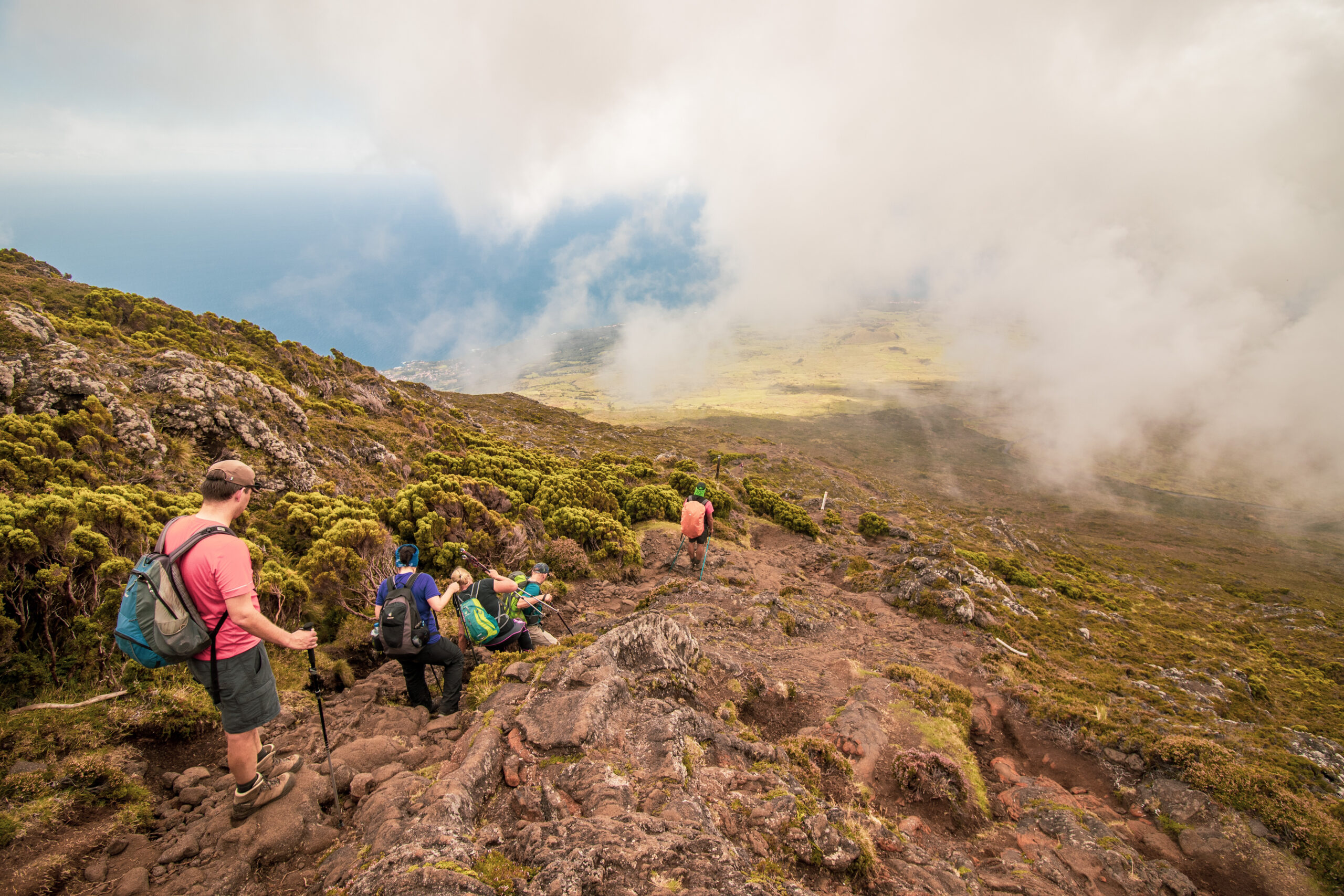
1. Climb Mount Pico
Portugal’s highest mountain reaches 2,351 meters (7,713 feet). The official trail begins near 1,200 meters at Casa da Montanha, covers about 3.8 kilometers each way and gains roughly 1,150 meters. The ascent and descent each average three to four hours. Reserve, carry required equipment and use a guide when appropriate.
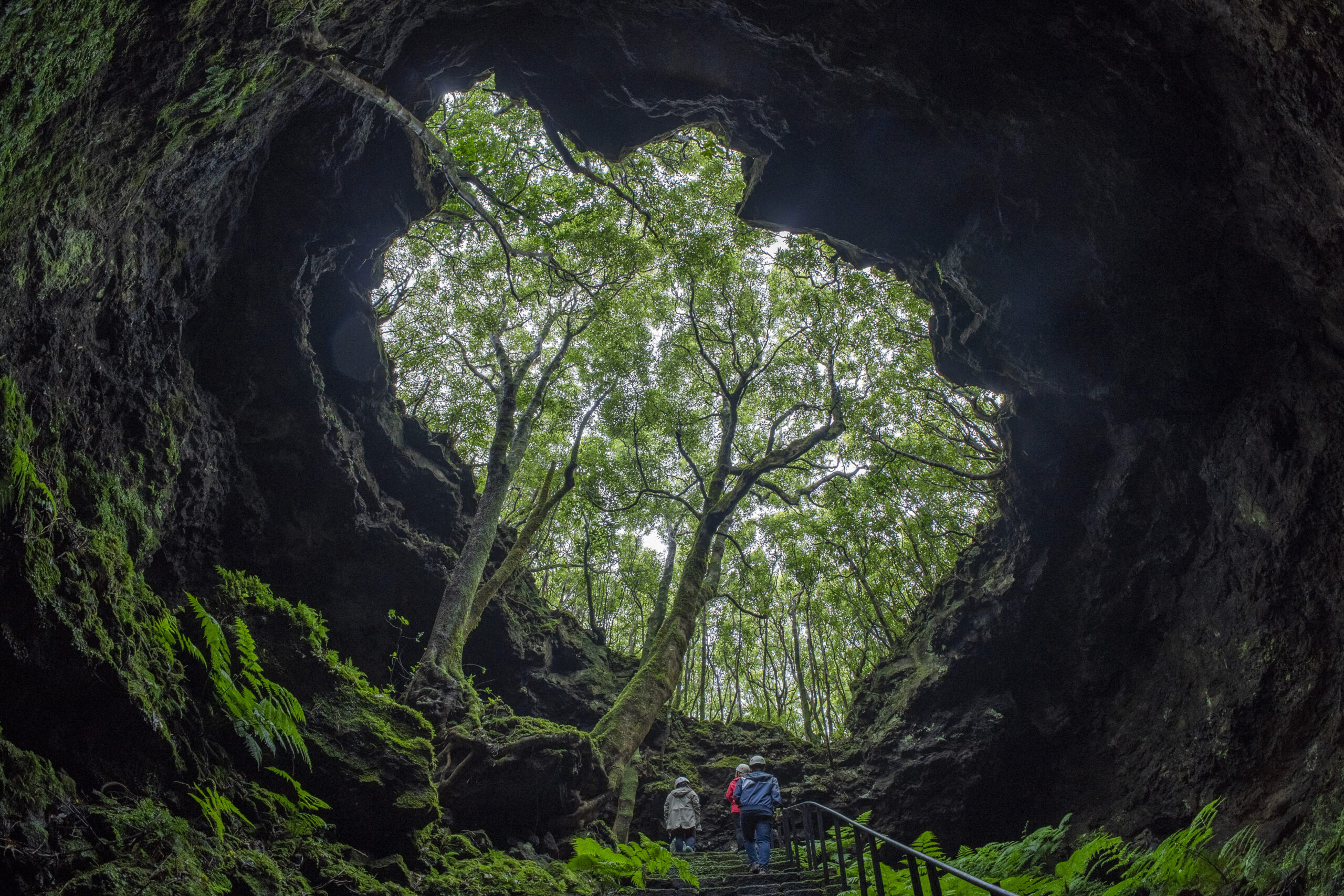
2. Explore Gruta das Torres
The lava tube extends about 5,150 meters and is the longest known in Portugal. Managed visits cover roughly 450 meters in about an hour, revealing lava stalactites, benches, balls, ropy surfaces and other volcanic structures. Advance booking is wise.
3. Visit the whaling museums
The Museu do Pico has three complementary branches: the Whalers Museum in Lajes, the Whaling Industry Museum in São Roque and the Wine Museum in Madalena. The first two explain boats, crews, tools, processing and the social history of whaling.
4. Taste wine and tour vineyards

Walk the UNESCO-listed currais around Criação Velha, Lajido, Santa Luzia and Cabrito, then add the Wine Museum, cooperative or a producer tasting. Never climb vineyard walls or enter cultivated plots without permission.
5. Swim in natural pools
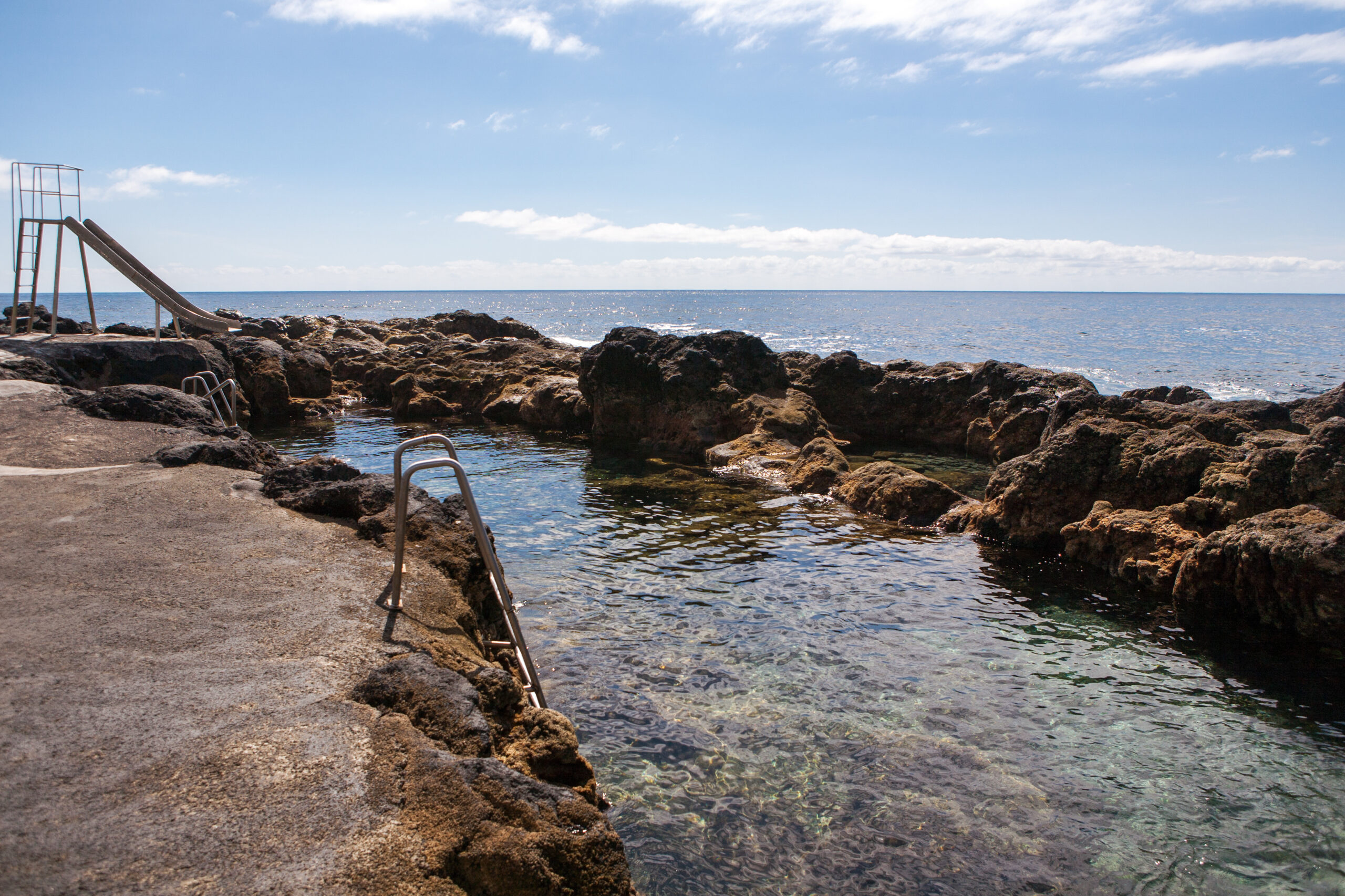
Designated bathing areas around Madalena, São Roque, Santo António, Prainha and other parishes put clear Atlantic water inside volcanic rock. Pico has few conventional beaches, so check swell, flags, water access and lifeguard coverage.
6. Watch whales and dolphins
Licensed trips, especially from Lajes, continue Pico’s deep relationship with cetaceans without hunting them. Lookouts help locate wildlife, but operators choose routes and cancellations according to animals, visibility and sea state.
7. Hike and trek
Official paths range from vineyard and coastal walks to lagoon, forest and volcanic-ridge routes. Caminhos de Santa Luzia, Vinhas da Criação Velha, Lagoa do Capitão and Caminho das Lagoas illustrate the variety; check live status and grading.
8. Relax at Aldeia da Fonte
This nature-oriented stay near Lajes has been associated with a quiet setting, organic cuisine and wellness activities such as yoga. Confirm current lodging, dining and activity arrangements before making a special trip.
9. Explore Pico’s caves responsibly
Beyond Gruta das Torres, Pico contains many volcanic cavities. Do not enter unmanaged caves independently; access, lighting, equipment, conservation rules and local expertise matter.
10. Experience Pico’s simple charms
Drive slowly through quiet black-rock villages, green pasture, lava fields and coastal wine country. The island’s calm roads and daily life often leave as strong an impression as its headline attractions.
Heritage landscape
Vineyards, Wine and Working Lava Fields
Criação Velha
Follow the official vineyard trail through one of the World Heritage property’s actively cultivated areas, with views toward Faial and Pico Mountain.
Lajido and Santa Luzia
Explore the northern vineyard landscape, interpretation resources, lava formations and winery buildings without treating working fields as open public ground.
Museu do Vinho
The Madalena branch of Museu do Pico occupies a former Carmelite setting with a winery, still and old dragon trees. Confirm current hours.
Wine tasting
Reserve with a producer, cooperative or tasting room. Ask about the grape varieties, dry-stone currais, harvest and modern recovery of Pico viticulture.
Basalt architecture
Look for adegas, manor houses, wells, ports and paths that form part of the cultural landscape, not only the vineyard plots themselves.
Harvest respect
September can be busy and photogenic, but grapes and tools belong to working farms. Participate only through an organized invitation or event.
Beyond the headline sights
Whaling Towns, Coast and Highland Routes
Lajes do Pico
Visit the Whalers Museum, harbor and lookouts, then connect the history with modern whale-watching departures and Whalers’ Week traditions.
São Roque do Pico
Tour the industrial whaling museum in the former processing complex and combine it with north-coast bathing areas and port scenery.
Madalena
Walk the harbor and wine-related sites, see Faial across the channel and use the town as a base for western vineyards and ferry trips.
Lagoa do Capitão
When conditions and access permit, the highland lagoon provides a classic mountain reflection and an entry to Pico’s wetter plateau landscape.
Ponta da Ilha
The eastern lighthouse area and official coastal route show a quieter side of Pico, far from the busy western gateway.
Diving and cycling
Use qualified operators for volcanic dive sites or equipment-supported cycling. Wind, traffic, steep grades and the long island shape require planning.
Plan well
Practical Pico Activity Tips
Reserve the mountain
Use the official Pico Mountain access system. Capacity is limited and the safest choice may still be to postpone when conditions are poor.
Carry required equipment
Closed hiking footwear, suitable clothing, food and at least 1.5 liters of water are official basics; summit conditions can be about 10°C colder than sea level.
Book the cave
Gruta das Torres operates managed groups with equipment and a fixed route. Confirm capacity, schedule and language before driving there.
Check trail alerts
Rain, erosion, maintenance and protected-area controls can close or alter official routes. Use same-day official information.
Allow a marine Plan B
Whale watching, diving and swimming depend on swell, wind and visibility. Keep museums, vineyards and village touring available.
Do not rush the island
Pico’s length, narrow roads and dispersed stops make a quick loop misleading. Divide west, north/east and south-coast experiences across days.
Turn interests into an itinerary
Related Pico Travel Packages
Independent Pico self-drive
Use the six-night Pico hotel-and-car package for flexible sightseeing.
Guided multi-island touring
Compare multi-island private guided tours linking Pico with Faial and other islands.
Eight-night active itinerary
The São Miguel, Pico and Faial hiking tour combines guided island walking with a current live package.
Custom island sequence
Use the Vacation Planner to coordinate the car, ferries, mountain day and marine activities.
Questions travelers ask
Pico Things to Do FAQ
What should I not miss on Pico?
Prioritize Pico Mountain or Casa da Montanha, Gruta das Torres, the vineyard landscape, a whaling museum, a volcanic swimming area and time in at least two of the three municipal centers.
Do I need a guide to climb Pico Mountain?
Independent climbs can be reserved through the official system, but the regional authority recommends a properly licensed company and accredited guide. Fitness, navigation and weather experience should drive the decision.
How long is the Pico Mountain climb?
The trail is about 3.8 kilometers each way with roughly 1,150 meters of ascent. Allow about three to four hours up and three to four hours down.
Should I reserve Gruta das Torres?
Yes. The visitor route has limited capacity and operates as a managed visit, so confirm directly rather than arriving without a reservation.
Can I swim year-round on Pico?
Designated pools exist year-round, but safe swimming depends on current swell, wind, maintenance and seasonal supervision. Never enter because the air feels warm.
Build a practical island stay
Plan Your Pico Vacation
Azores.com can coordinate lodging, transportation, mountain or marine activities and enough flexibility for Pico’s fast-changing Atlantic conditions.