São Jorge Local Products & Handcrafts: What to Buy
DOP cheese, Ponto Alto quilts, wool, ceramics, coffee and sweets
São Jorge Local Products and Handcrafts
São Jorge’s most meaningful products come from pasture, looms, fajã microclimates and household skill. Buy from identified cooperatives, artisans and producers rather than relying on an island motif alone.
Star product
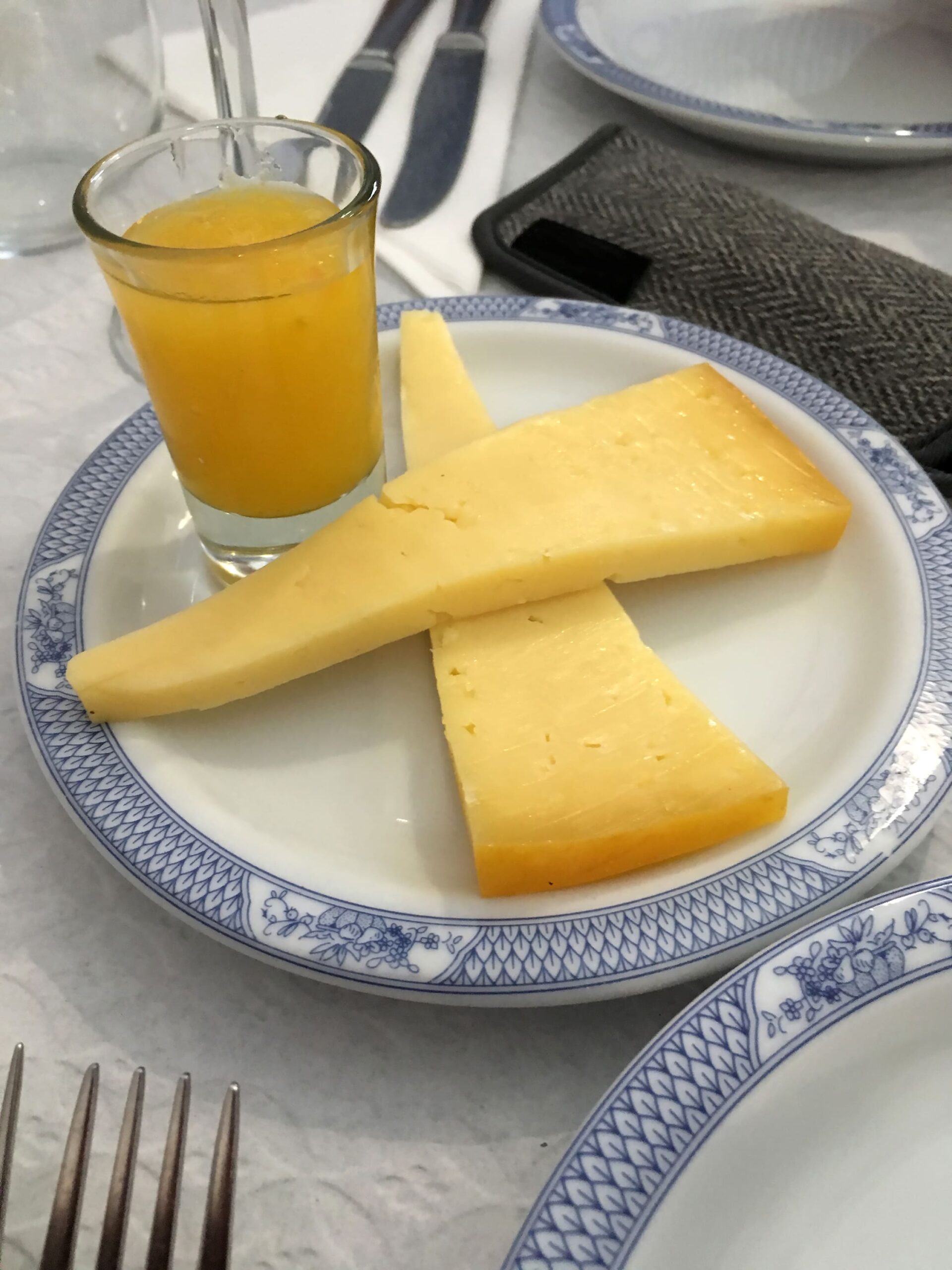
Queijo São Jorge DOP
Protected origin
DOP status limits certified production to São Jorge and protects a specification tied to island milk and traditional cow management.
Official composition
The cheese is made from whole raw cow’s milk and formed into hard or semi-hard wheels with firm yellow paste and irregular eyes.
Weight and shape
Certified wheels weigh 8–12 kilograms, with a diameter of 25–35 centimeters and height of 10–15 centimeters.
Aging
Minimum maturation is three months. Older versions become more aromatic, piquant and sometimes more granular or brittle.
Where to buy
Use dairy cooperatives, identified producers, Velas and Calheta shops, and specialty retailers that show the DOP seal and producer.
Beira cooperative
UNIQUEIJO and the Beira dairy network are central to DOP management and provide a strong starting point for current purchase information.
Loom tradition
Ponto Alto Quilts and Wool Textiles
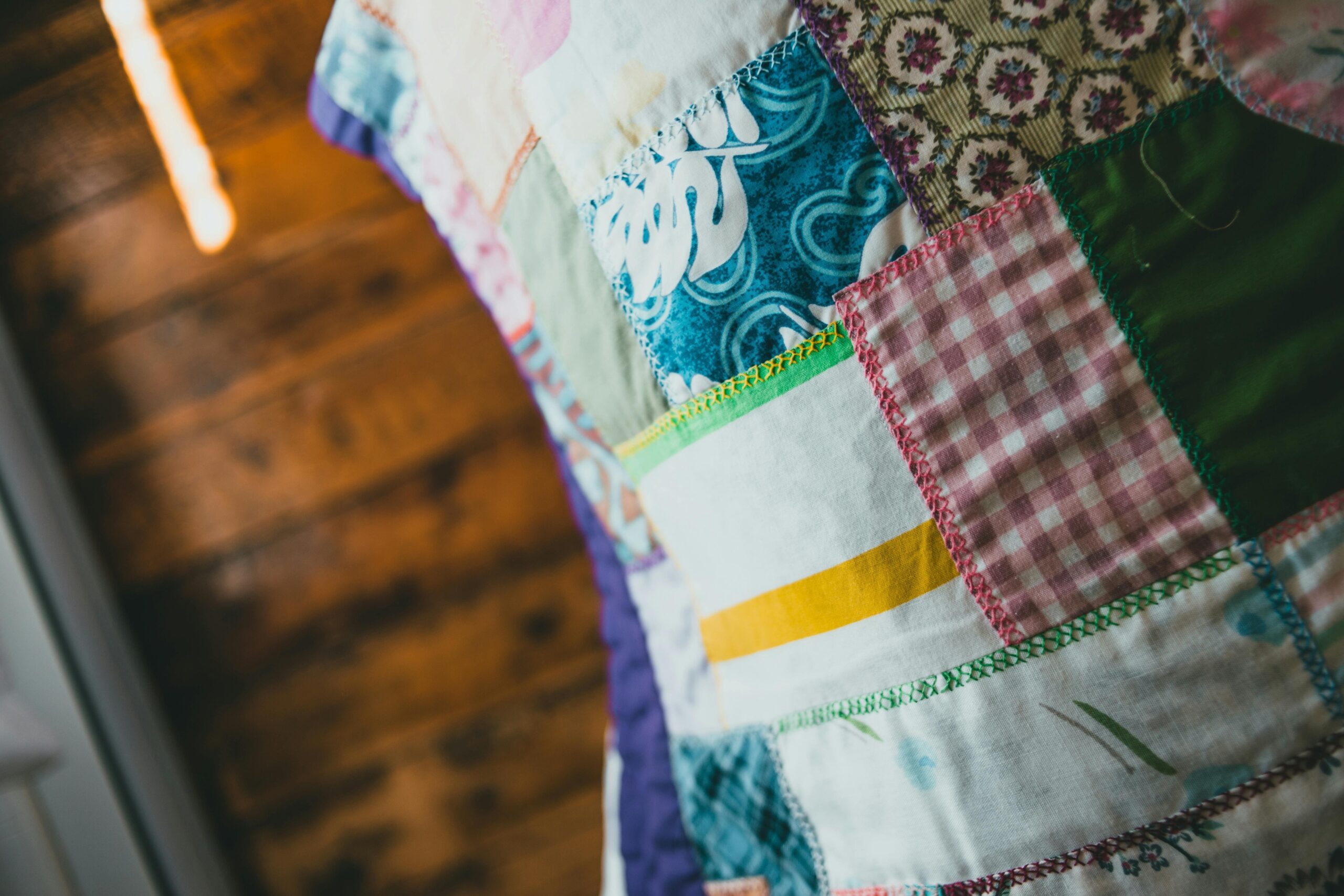
Colorful patchwork
Traditional quilts combine red, yellow and other vivid blocks or rectangles that brighten whitewashed island interiors.
Ponto Alto
The distinctive raised weaving associated with Fajã dos Vimes uses labor-intensive loom work and patterns passed through generations.
Wooden looms
Older craft descriptions emphasize simple or crude wooden looms; the value lies in the weaver’s control, patience and design knowledge.
Warm wool
Blankets helped keep households warm in damp winters and remain both functional and decorative.
Other textiles
Artisans also make shawls, rugs and smaller woven items using wool and contemporary fibers.
Casa de Artesanato Nunes
In Fajã dos Vimes, visitors can see and purchase loom work when the workshop is open; confirm before descending.
Island-made goods
Pottery, Honey, Coffee and Sweets
Pottery and ceramics
Contemporary pieces draw on black lava, green pasture, blue sea, fajãs and cheese forms while using evolving island techniques.
São Jorge honey
Diverse flowers and pasture support island honey. Look for a producer name, harvest information and proper labeling.
Espécies
Spiced cookies travel more easily than fragile pastries and make a recognizable edible souvenir when customs rules permit.
Coscorões and festival sweets
Fried pastries and celebratory baking are best tasted fresh; packaged claims should identify where the product was made.
Fajã dos Vimes coffee
Small coffee plots thrive in the warm fajã microclimate. Buy from named growers such as those associated with local cafés and farm visits.
Contemporary design
Prints, ceramics, wood objects and food products can support younger makers while interpreting the island beyond traditional categories.
Shop responsibly
Provenance, Packing and Customs
Ask who made it
A São Jorge image or label does not prove local manufacture. Request the artisan, producer, cooperative and material.
Check the DOP mark
For cheese, identify the protected-origin label and producer rather than assuming every wedge sold on the island is certified.
Keep food cold
Cheese requires label-compliant storage during a drive, ferry, hotel stay and flight. Use appropriate insulated packing.
Check import rules
Dairy, honey, seeds, wool, wood and plant material may be restricted by the destination country.
Protect textiles
Keep handwoven pieces dry, avoid compressing raised weave and ask the maker for cleaning instructions.
Leave nature intact
Lava, plants, shells, lagoon material and archaeological objects are not souvenirs.
Plan well
Practical São Jorge Shopping Tips
Confirm workshop hours
Fajã and rural producers may open by appointment or season. Call before making a long descent.
Buy direct when possible
Cooperatives, growers and weaving houses provide stronger provenance and return more value to producers.
Compare cheese ages
Taste before buying and choose an age that suits the traveler; older does not automatically mean better.
Save baggage space
A full cheese wheel is 8–12 kg. Most visitors should buy a sealed wedge and verify baggage weight.
Use rigid packaging
Ceramics, cookies and raised textiles need protection from breakage, crumbs and moisture.
Keep receipts
Receipts and labels help with provenance, customs questions and food traceability.
Questions travelers ask
São Jorge Local Products FAQ
What is São Jorge’s best-known product?
DOP Queijo São Jorge is the signature product, made from raw island cow’s milk and matured for at least three months.
Where can I buy authentic cheese?
Use identified cooperatives, producers and established island shops that display the DOP seal, producer and aging information.
What are Ponto Alto quilts?
They are distinctive loom-woven textiles associated especially with Fajã dos Vimes, often using colorful raised patterns.
Is coffee grown on São Jorge?
Yes. Small plots in the warm Fajã dos Vimes microclimate produce coffee sold and served by named local growers.
Can I take cheese home?
Often, but keep it at the required temperature and check airline, baggage and destination-country dairy import rules before buying.
Build a practical island stay
Plan Your São Jorge Vacation
Azores.com can coordinate lodging, transport, official trails and enough flexibility for São Jorge’s ridge, fajãs and Atlantic weather.