São Miguel Food & Gastronomy: What to Eat in the Azores
Geothermal cooking, Atlantic seafood and island-grown flavors
São Miguel Food and Gastronomy
São Miguel cuisine connects volcanic heat, fishing, pork, dairy, tea, pineapple, local wine and convent-style sweets. The island’s distinctive names and preparation methods matter as much as the ingredients.
What to eat
Traditional São Miguel Dishes
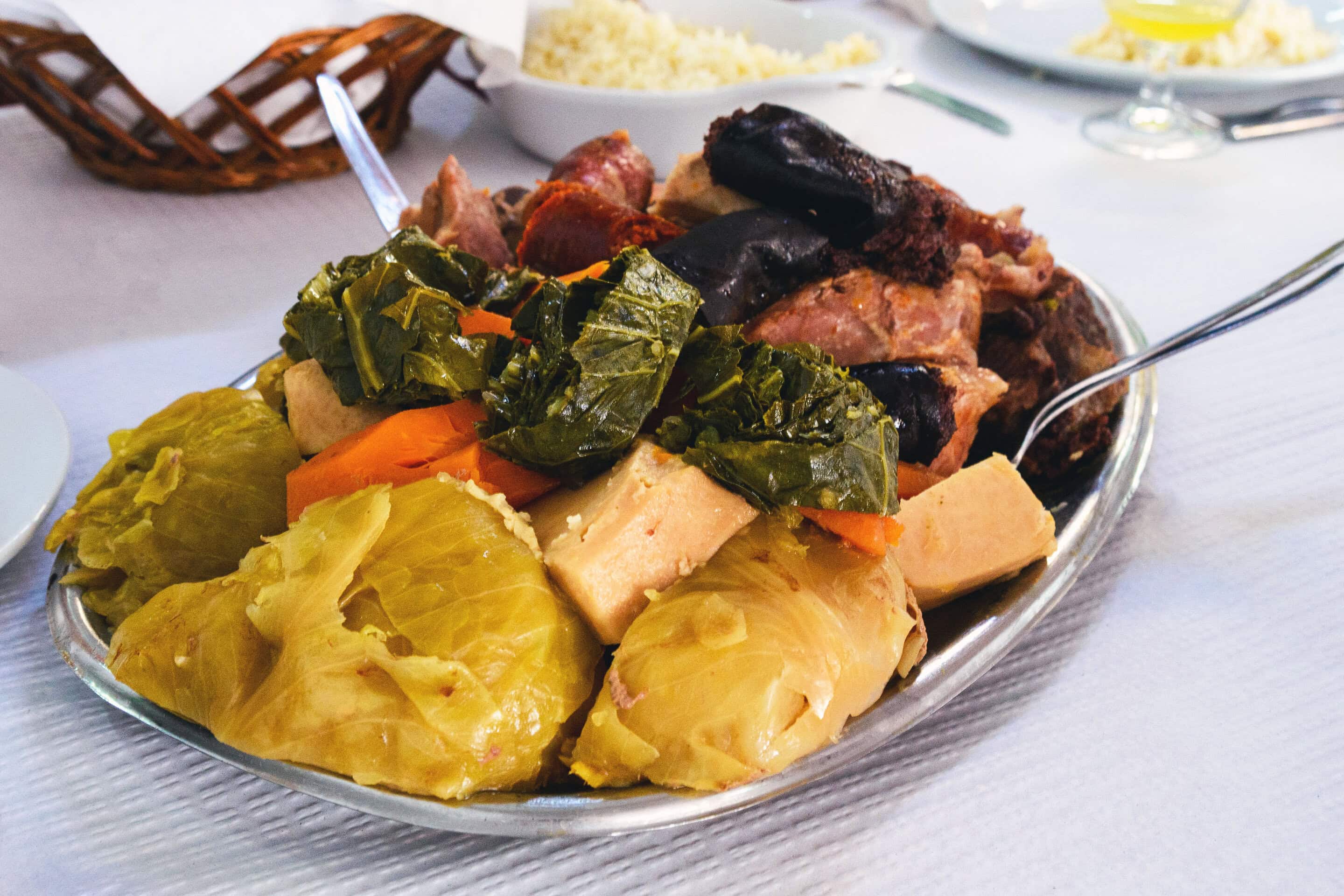
Cozido das Furnas
Meat, sausages and vegetables are sealed in a pot and cooked for hours using geothermal heat near Furnas Lake. Reserve ahead when this meal is a priority because kitchens plan quantities and cooking time.
Polvo guisado em vinho de cheiro
Octopus is slowly stewed with local aromatic red wine, garlic and seasoning until tender, joining maritime ingredients with a traditional island wine.
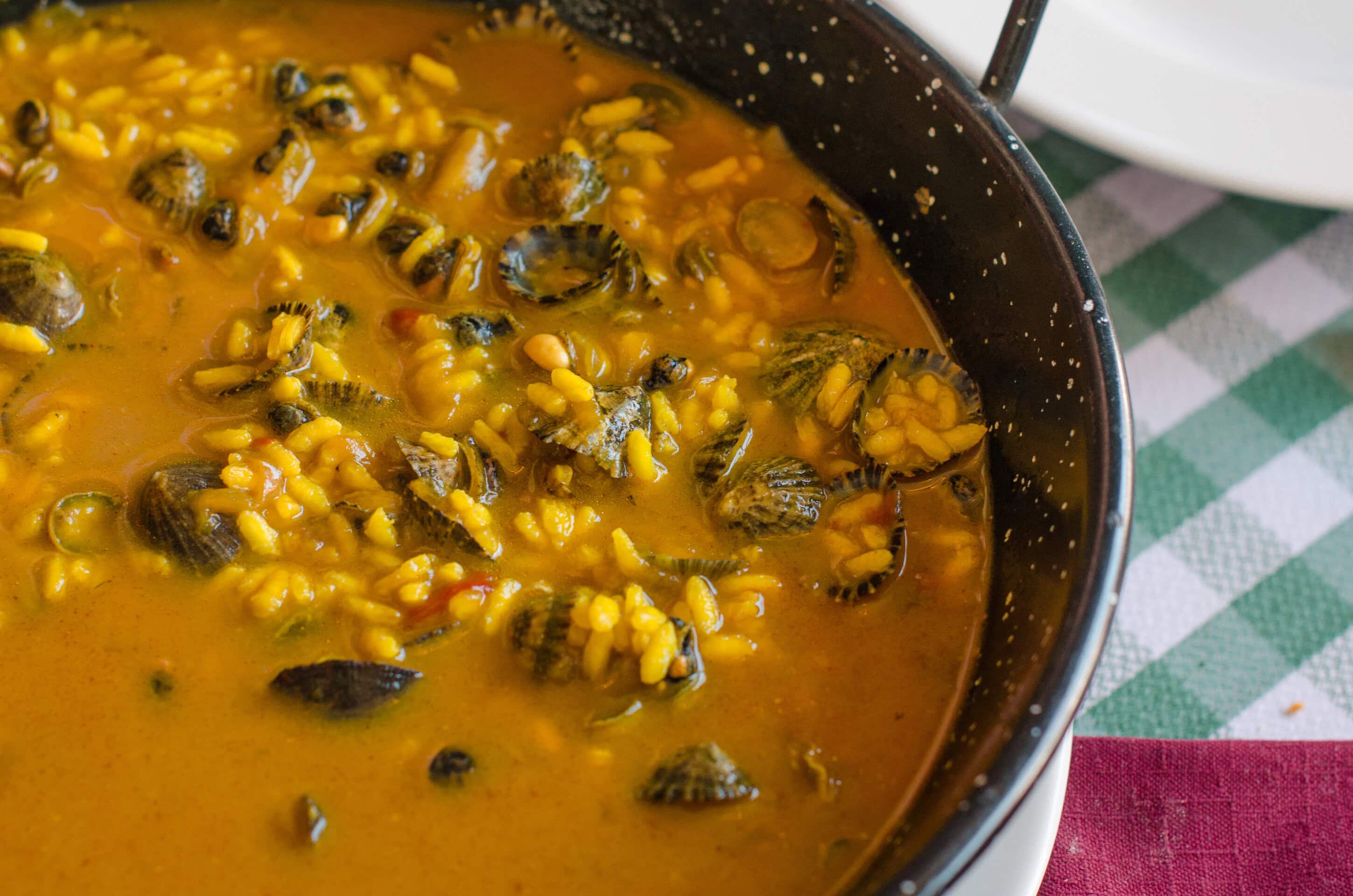
Arroz de lapas
Limpets from rocky shores are cooked with rice, onion and herbs. Availability depends on supply and legal harvesting conditions.
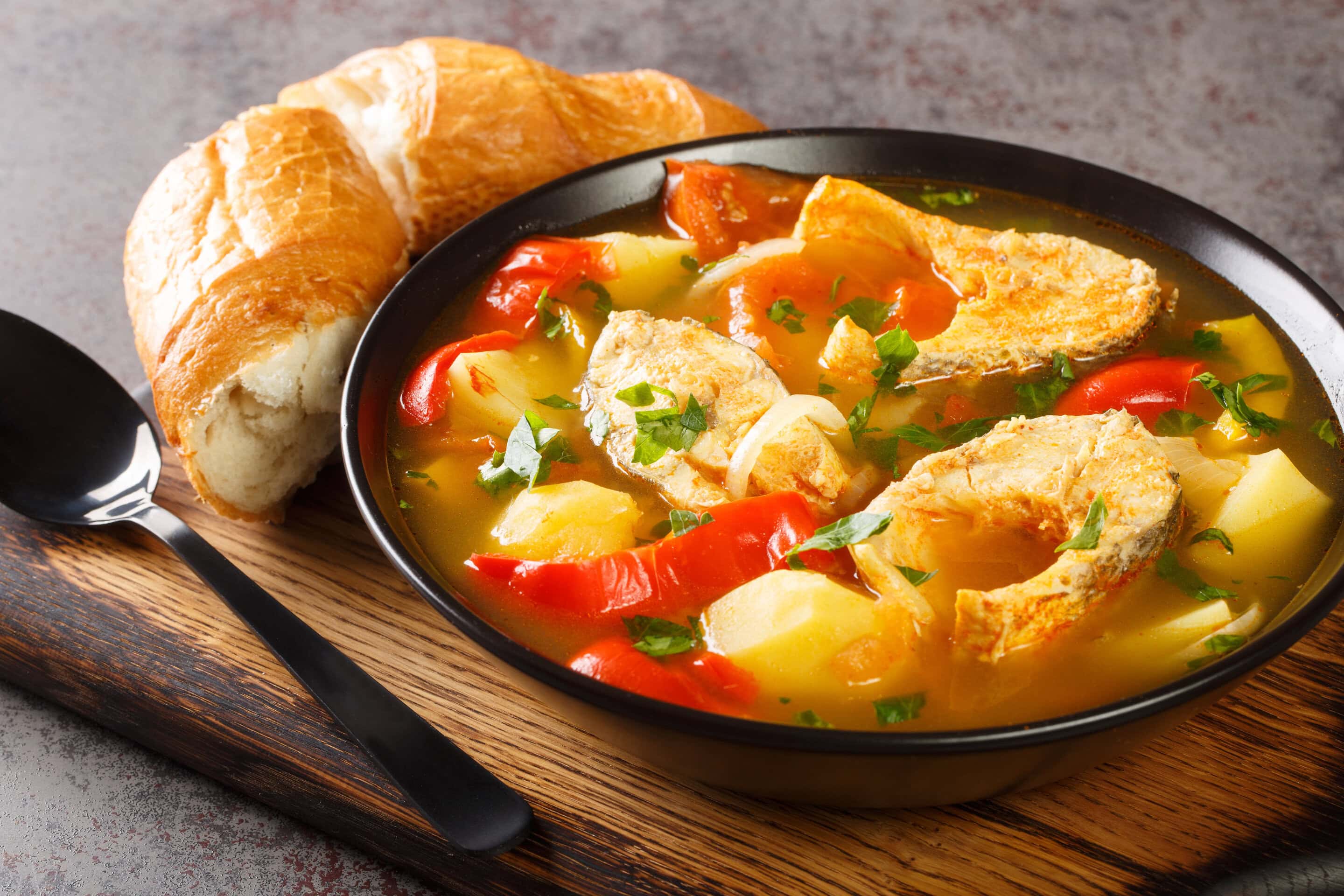
Caldeirada de peixe
A substantial fish stew combines the catch available to the kitchen with tomato, onion, peppers and other aromatics.
Torresmos em molho de fígado
Pork pieces or belly are paired with a strongly flavored liver sauce. Recipes vary, but the combination is a distinctive regional meat preparation.
Lapas de molho Afonso
Limpets are served in a garlic, wine and spice sauce, offering another traditional way to taste shellfish from the volcanic coast.
Verified dining information
Restaurants and Dining Options on São Miguel
The following establishments had current official websites, active business pages or recent listings in August 2026. Menus, hours and reservation policies change, so contact the restaurant directly before making a special trip.
A Tasca — Ponta Delgada
A busy, informal central restaurant associated with Azorean and Portuguese dishes. Expect demand at popular meal times and confirm how seating is handled.
Cais 20 — São Roque
A long-running waterside restaurant whose official site emphasizes fish, seafood and petiscos. Check its current hours directly.
Restaurante Alcides — Ponta Delgada
The restaurant of Alcides in the historic center remains active and is closely associated with regional steak and traditional cooking.
TN Restaurant — Furnas
Terra Nostra Garden Hotel’s official restaurant highlights local ingredients and Furnas cozido in a more formal hotel setting.
Casa do Bife O Galego — Ponta Delgada
The active steakhouse is in the Praia dos Santos area of Ponta Delgada, not Lagoa. It is known for regional-style steak; verify reservations and hours.
Colmeia Avenida — Ponta Delgada
An active bakery, café and casual restaurant on the Avenida, useful for pastries, light meals and regional sweets rather than a fixed fine-dining menu.
Bar Caloura — Caloura / Água de Pau
This active coastal restaurant is associated with grilled fish and a relaxed setting by the small harbor and natural pool.
Saca-Rolhas Taberna — Relva
The restaurant’s official site confirms its Rua Nova address in Relva, west of Ponta Delgada; it is not in Ribeira Grande. Reserve or confirm service directly.
Island-grown flavors
Tea, Pineapple, Cheese and Local Drinks
São Miguel tea
Gorreana and Porto Formoso preserve north-coast tea cultivation introduced during 19th-century agricultural diversification. Taste both black and green styles.
Azorean pineapple
Pineapples grown under glass develop an intense sweet-tart flavor and appear fresh, in desserts, preserves and liqueurs.
Queijo da Ilha and São Miguel cheese
Cow’s-milk cheeses range from mild to aged and piquant. Ask about origin and maturation rather than assuming every island cheese tastes the same.
Vinho de cheiro
This light aromatic wine, traditionally associated with Caloura and the morangueiro grape, appears in local food culture and recipes. Production and availability are limited.
Fruit liqueurs
Passion fruit, pineapple and other local fruits are used in sweet liqueurs often served after meals or sold as gifts.

Save room
Sweets and Breads Worth Trying
Queijadas de Vila Franca do Campo
Small sweets from Vila Franca combine fresh cheese, sugar and eggs in a closely guarded local tradition.
Bolo lêvedo
A soft, slightly sweet griddle bread associated with Furnas, served plain, toasted or used for sandwiches.
Massa sovada
An enriched sweet bread connected with Holy Spirit celebrations, Easter and family gatherings, often flavored lightly with citrus.
Barriga de freira and bichos de amêndoa
Egg-yolk, sugar, bread and almond sweets reflect the broader Portuguese conventual tradition as adapted in the Azores.
Understand the table
How São Miguel Flavors Fit Together
Volcano and kitchen
Furnas turns geothermal heat into a cooking method, but cozido is still prepared by restaurants and families: sealed pots are lowered into hot ground and collected hours later. The result connects landscape, technique and communal eating.
Atlantic and pasture
Rocky shores support limpets and local fishing, while pasture supports beef, pork and cow’s-milk cheese. A traditional meal may therefore move from seafood to meat without either feeling out of place.
Greenhouse and garden
Pineapple cultivation under glass gives the fruit a distinctive place in São Miguel agriculture. Passion fruit, citrus and other produce appear in desserts, preserves and liqueurs, while tea fields on the north coast provide both black and green styles.
Wine in traditional recipes
Vinho de cheiro is not only a drink: its aromatic character appears in some traditional octopus preparations and other home-style dishes. Availability is limited, so ask how a kitchen prepares its version instead of expecting one standardized recipe.
Plan meals well
Practical São Miguel Dining Tips
Reserve cozido
The dish cooks for hours and restaurants plan portions; reserve in advance rather than expecting unlimited same-day availability.
Ask about the catch
Fish and shellfish offerings change with season, weather, legal harvesting and what boats land.
Expect regional variation
Torresmos, octopus, steaks and sweets differ by family and kitchen, so descriptions are guides rather than rigid formulas.
Confirm restaurants directly
Hours, weekly closing days, menus and reservation systems can change outside the busiest months.
Plan by area
Use Ponta Delgada for variety, Furnas for geothermal cuisine, the north coast for tea and the south coast for fish and sweets.
Questions travelers ask
São Miguel Food FAQ
What is the one dish I should try?
Cozido das Furnas is the island’s most distinctive culinary experience because the cooking method uses geothermal heat.
Do I need to reserve cozido?
Yes if it is important to you. The dish cooks for hours and restaurants normally plan quantities in advance.
Is São Miguel good for seafood?
Yes. Fresh fish, octopus, limpets and other Atlantic seafood are important, although exact availability changes with supply and season.
Which sweet is most specific to São Miguel?
Queijadas de Vila Franca do Campo and bolo lêvedo from Furnas are two of the strongest island-specific choices.
Where should food-focused travelers stay?
Ponta Delgada offers the widest restaurant range, while Furnas is especially useful for geothermal cuisine. A car makes rural food stops easier.
Build a practical island stay
Plan Your São Miguel Vacation
Azores.com can coordinate lodging, transportation, guided experiences and enough flexibility for São Miguel’s changeable Atlantic weather.