Volcanoes, Crater Lakes, Hot Springs, and the Green Island of Portugal
São Miguel is the largest and most diverse island in the Azores, an autonomous region of Portugal located in the middle of the North Atlantic Ocean. Known as “The Green Island,” São Miguel is famous for its volcanic landscapes, crater lakes, lush forests, geothermal hot springs, dramatic coastlines, and deeply rooted Azorean culture.
Ponta Delgada, located on the southern coast of the island, is São Miguel’s capital and largest city. It also serves as the seat of the Autonomous Regional Government of the Azores. The city balances the contemporary needs of visitors with the more traditional and rural character found throughout much of the island.
For many travelers, São Miguel feels unlike anywhere else in Europe. Within a single day, visitors can drive from black-sand beaches to steaming volcanic valleys, from fog-covered crater rims to quiet fishing villages surrounded by hydrangeas and rolling green hills.
Unlike heavily commercialized island destinations, São Miguel remains remarkably authentic. Nature still dominates the landscape, tourism remains relatively low-impact, and much of the island continues to move at a slower, more traditional rhythm.
Whether you are visiting for hiking, whale watching, photography, relaxation, food, or cultural exploration, São Miguel offers one of the most rewarding travel experiences in the Atlantic.
Travelers looking to explore São Miguel independently or through guided experiences can also browse the curated tour packages available through Azores.com, designed by Azorean travel specialists with decades of experience planning travel throughout the islands.
Where Is São Miguel?
São Miguel belongs to the Azores archipelago, located roughly 900 miles west of mainland Portugal and approximately 2,400 miles east of North America.
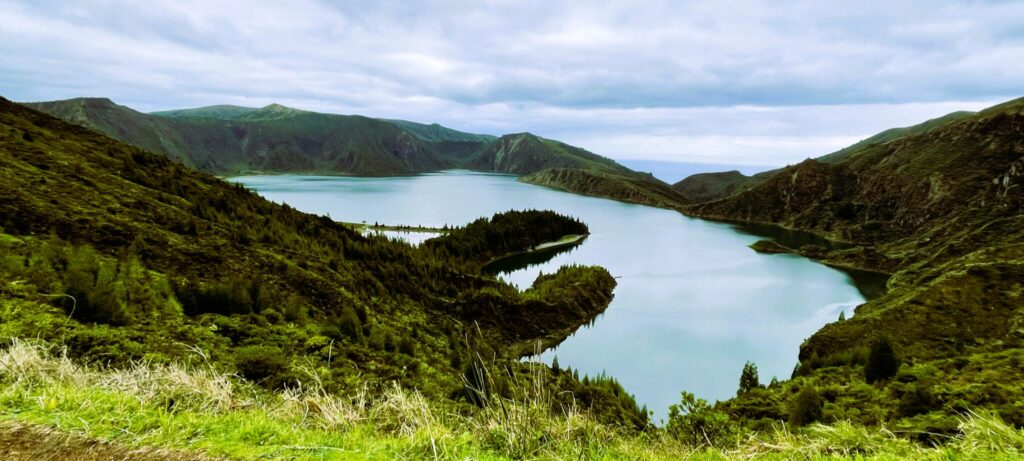
The Azores sit along the Mid-Atlantic Ridge, one of the most geologically active areas in the Atlantic Ocean, where the North American, Eurasian, and African tectonic plates converge. This volcanic origin is responsible for many of the island’s most iconic landscapes, including crater lakes, thermal springs, lava formations, and rugged coastlines.
São Miguel is part of the eastern island group of the Azores and serves as the region’s main tourism and transportation hub.
The island’s capital, Ponta Delgada, is home to:
- The Largest Airport in the Azores
- The Main Cruise Port
- Many of the Island’s Hotels and Restaurants
- Several Historical Landmarks and Churches
Why Visit São Miguel?
São Miguel offers an unusual combination of landscapes and experiences rarely found on a single island.
Visitors can experience:
- Volcanic Crater Lakes
- Geothermal Hot Springs
- Dramatic Coastal Cliffs
- Waterfalls and Hiking Trails
- Whale Watching
- Tea Plantations
- Black-Sand Beaches
- Botanical Gardens
- Traditional Portuguese and Azorean Cuisine
- Authentic Local Culture
The island appeals especially to travelers seeking:
- Nature and Outdoor Experiences
- Scenic Road Trips
- Sustainable Tourism
- Photography
- Slower-Paced Travel
- Fewer Crowds Than Mainland Europe
One of São Miguel’s greatest strengths is its diversity. Despite being relatively compact, the island feels dramatically different from one region to another.
One of the things that surprises many first-time visitors to São Miguel is how dramatically the scenery changes within relatively short driving distances. A day that begins along a sunny coastline can quickly turn into misty crater lakes, dense forest landscapes, and cool mountain viewpoints that feel completely different from the rest of the island. Unlike many destinations where the major attractions are concentrated in one area, São Miguel rewards travelers who take time to explore the island slowly and spend time outside the main tourist routes. Many visitors arrive expecting beautiful scenery but leave most impressed by the island’s peaceful atmosphere and strong connection to nature.
The Volcanic Origins of São Miguel
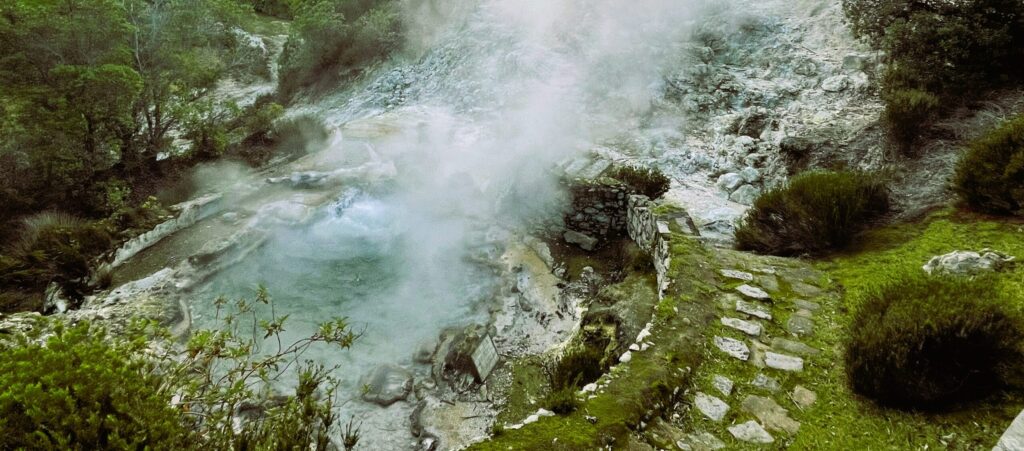
The landscapes of São Miguel were shaped by volcanic activity over thousands of years.
Much of the island consists of:
- Volcanic Calderas
- Lava Fields
- Geothermal Vents
- Crater Lakes
- Thermal Springs
Unlike destinations where volcanoes are dormant and distant from everyday life, volcanic activity remains part of the identity of São Miguel today.
This is most visible in places such as:
- Furnas
- Sete Cidades
- Lagoa do Fogo
- Caldeira Velha
Geothermal activity still heats underground water systems, powers thermal pools, and even cooks traditional food.
The island’s volcanic soil also contributes to its lush vegetation and fertile agricultural landscapes.
Sete Cidades
The Most Famous Landscape in the Azores

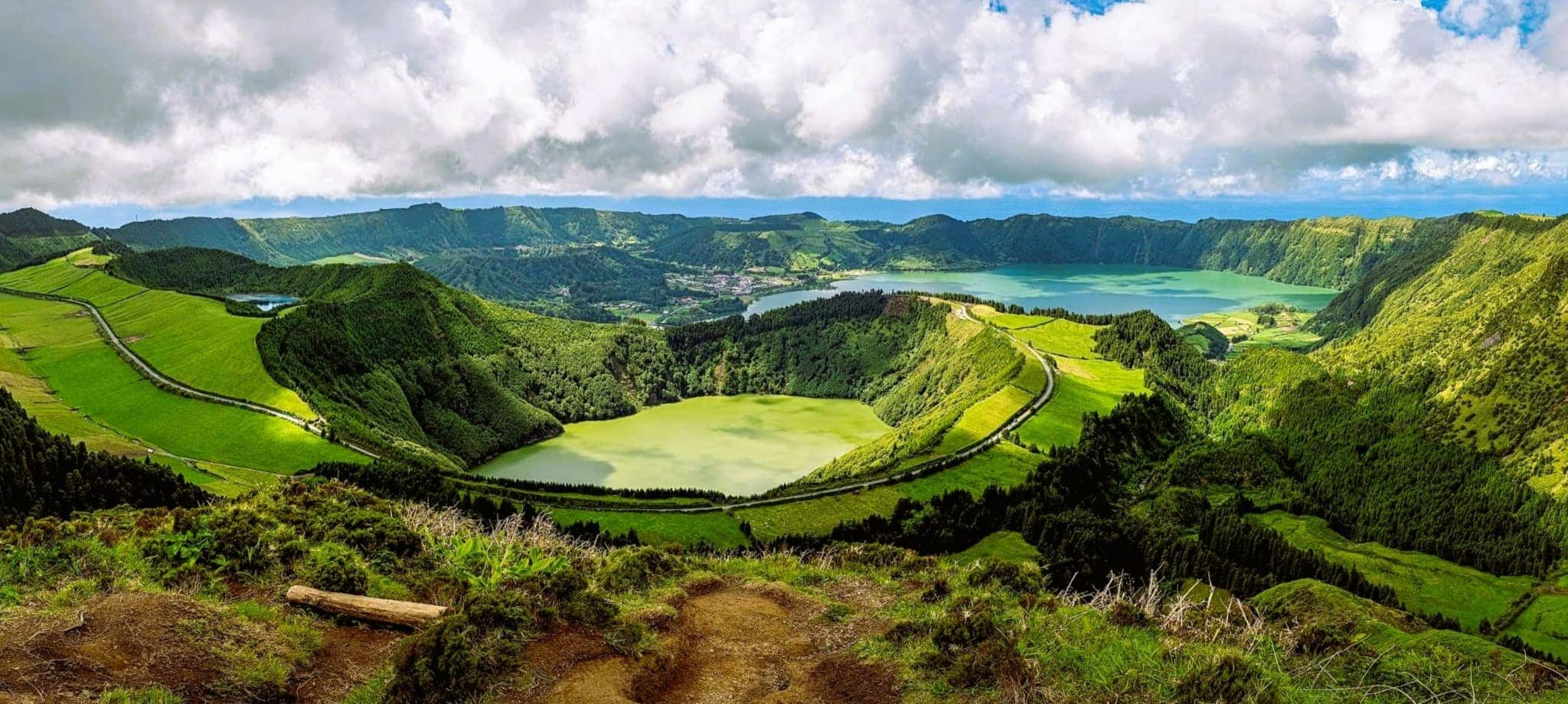
Sete Cidades is one of the most recognizable natural landmarks in Portugal and one of the largest volcanic calderas in the Atlantic region.
Located in western São Miguel, the massive crater contains two lakes:
- Lagoa Azul (Blue Lake)
- Lagoa Verde (Green Lake)
According to local legend, the lakes were formed from the tears of two separated lovers.
The region is known for:
- Panoramic Viewpoints
- Volcanic Hiking Trails
- Cycling Routes
- Kayaking
- Dramatic Photography Opportunities
Popular viewpoints include:
- Vista do Rei
- Boca do Inferno
- Cerrado das Freiras
Weather conditions can change rapidly in this region, and fog occasionally obscures the views, particularly during mornings and transitional weather patterns.
In our experience, Sete Cidades is best visited either early in the morning or later in the afternoon, when lighting conditions tend to be softer and viewpoints are generally less crowded. One common mistake travelers make is assuming that weather in Ponta Delgada reflects conditions at the crater rim. The weather around Sete Cidades can change very quickly, and fog occasionally moves in even on otherwise sunny days. For visitors hoping to enjoy the panoramic views, flexibility is important. When conditions are clear, viewpoints such as Boca do Inferno and Vista do Rei offer some of the most spectacular scenery anywhere in the Azores.
Sete Cidades is featured in many of the island’s most popular sightseeing itineraries, including several São Miguel Guided Tours and Azores Self-Drive Packages.
Furnas
São Miguel’s Geothermal Heart
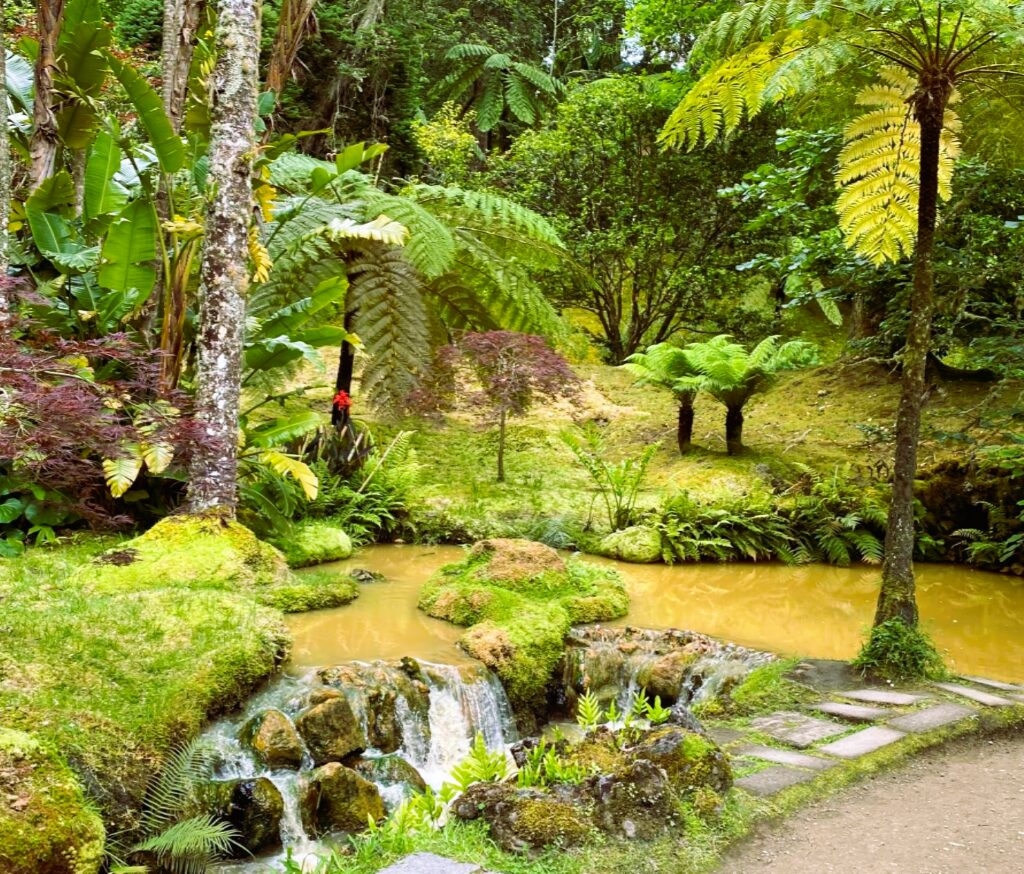
Furnas is one of the most unique volcanic regions in Europe.
Located inside an ancient volcanic crater, Furnas is famous for:
- Geothermal Hot Springs
- Steaming Fumaroles
- Mineral-Rich Thermal Waters
- Volcanic Cooking Techniques
The area’s best-known culinary tradition is Cozido das Furnas, a slow-cooked stew prepared underground using geothermal heat.
Furnas also features:
- Terra Nostra Park
- Poça da Dona Beija Thermal Pools
- Botanical Gardens
- Scenic Walking Trails
- Furnas Lake
The smell of sulfur is noticeable in parts of Furnas and serves as a constant reminder of the volcanic forces still active beneath the island.

Many travelers underestimate how much time Furnas deserves. While some visitors initially plan only a short stop to see the fumaroles and thermal pools, the area often becomes one of the highlights of their trip. Terra Nostra Park is widely considered one of the island’s most important botanical and geothermal attractions and deserves time to be explored properly. Visitors planning to enter the park’s famous geothermal pool should remember to bring a bathing suit, as the large iron-rich thermal pool near the entrance is one of Furnas’ most iconic experiences. Between the botanical gardens, hot springs, lake area, walking trails, and restaurants serving traditional Cozido das Furnas, it is easy to spend a full day exploring the region at a relaxed pace. Visitors should also be prepared for the noticeable sulfur smell in certain geothermal areas. While it may seem unusual at first, most travelers quickly associate it with the island’s volcanic character and natural geothermal activity.
Furnas is frequently included in both guided and active holiday itineraries thanks to its geothermal landscapes, thermal pools, hiking opportunities, and traditional culinary experiences. Travelers interested in nature-focused vacations may also wish to explore the island’s Azores Active Holiday Packages.
Ponta Delgada
The Historic Gateway to the Azores
Ponta Delgada is the capital and largest city of São Miguel.
Originally a small fishing village, the city became increasingly important during the Atlantic maritime trade routes connecting Europe, Africa, and the Americas.
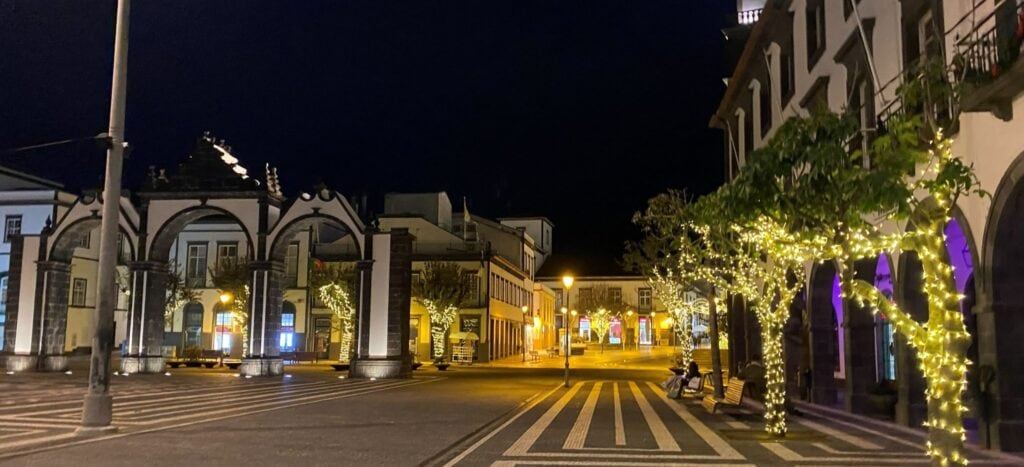
Today, Ponta Delgada blends:
- Historic Portuguese Architecture
- Oceanfront Promenades
- Churches and Convents
- Cafés and Restaurants
- Modern Tourism Infrastructure
Notable landmarks include:
- Portas da Cidade
- Igreja Matriz de São Sebastião
- Forte de São Brás
- Mercado da Graça
- Carlos Machado Museum
- Gruta do Carvão
- Marina de Ponta Delgada
The city also serves as the main departure point for:
- Whale Watching Tours
- 4×4 Excursions
- Diving Trips
- Island Day Tours
Ponta Delgada is sometimes overlooked by travelers eager to explore the island’s natural landscapes, but the city deserves more than simply being used as a base. The historic center is highly walkable and offers a pleasant mix of traditional architecture, oceanfront scenery, cafés, local shops, and a relaxed evening atmosphere. Many visitors especially enjoy walking along the marina at sunset or spending time in the narrow streets surrounding the city gates and main church. The city also provides a convenient balance between accessibility, dining options, and easy access to the rest of the island.
Nordeste
The Wild and Scenic Side of São Miguel
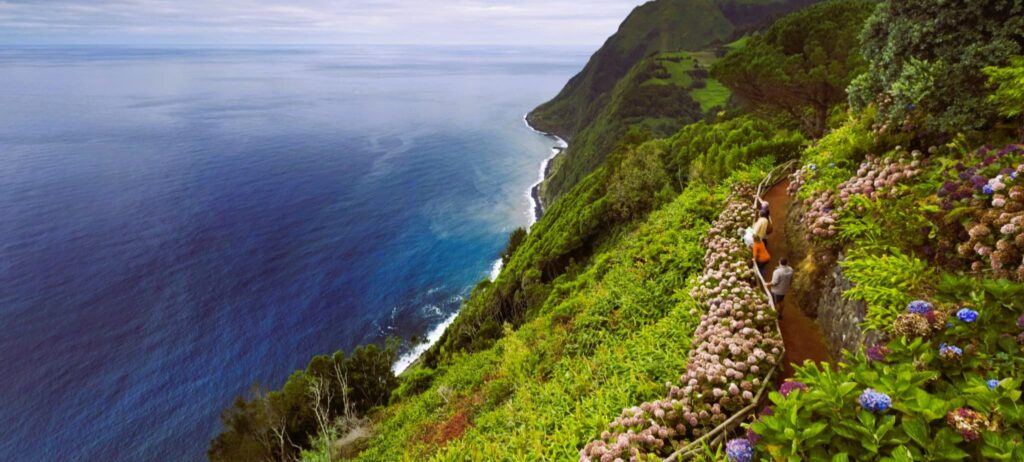
Located on the eastern side of the island, Nordeste is often considered the most scenic and least developed region of São Miguel.
The landscape here is characterized by:
- Steep Green Cliffs
- Waterfalls
- Forested Valleys
- Ocean Viewpoints
- Quiet Villages
Nordeste is especially popular among:
- Photographers
- Hikers
- Nature Lovers
- Travelers Seeking Quieter Areas Away From Busier Tourist Zones
Some of the region’s most beautiful locations include:
- Ribeira dos Caldeirões Natural Park
- Miradouro da Ponta do Sossego
- Miradouro da Ponta da Madrugada
- Farol do Arnel
- The Historic Village of Povoação
The region’s dramatic scenery is often enhanced by frequent rainfall and dense vegetation, creating some of the greenest landscapes in the Azores.
Best Things to Do in São Miguel
Whale Watching
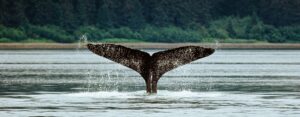
The Azores are considered one of the best whale watching destinations in the world due to their location along major Atlantic migration routes.

Depending on the season, visitors may encounter:
- Sperm Whales
- Blue Whales
- Fin Whales
- Sei Whales
- Dolphins
- Sea Turtles
Tours primarily depart from:
- Ponta Delgada
- Vila Franca do Campo
Spring is typically considered the best season for seeing larger migratory whale species.
Whale watching conditions in the Azores can vary depending on weather and ocean conditions, so flexibility is important when planning excursions. Even during excellent seasons, wildlife sightings can never be fully guaranteed, which is part of what makes the experience feel authentic and natural. Travelers who are sensitive to motion sickness should consider taking precautions before departures, particularly on days with rougher Atlantic swells. Spring is generally considered one of the best periods for observing larger migratory whale species, while dolphins can often be seen throughout much of the year.
Whale watching excursions are commonly included in many of the island’s nature-focused itineraries and Multi-Island Guided Tours.
Hiking
São Miguel offers some of the best hiking in Portugal.
Popular trails include:
- Sete Cidades Rim Trail
- Lagoa do Fogo
- Salto do Prego
- Faial da Terra
- Sanguinho Trail
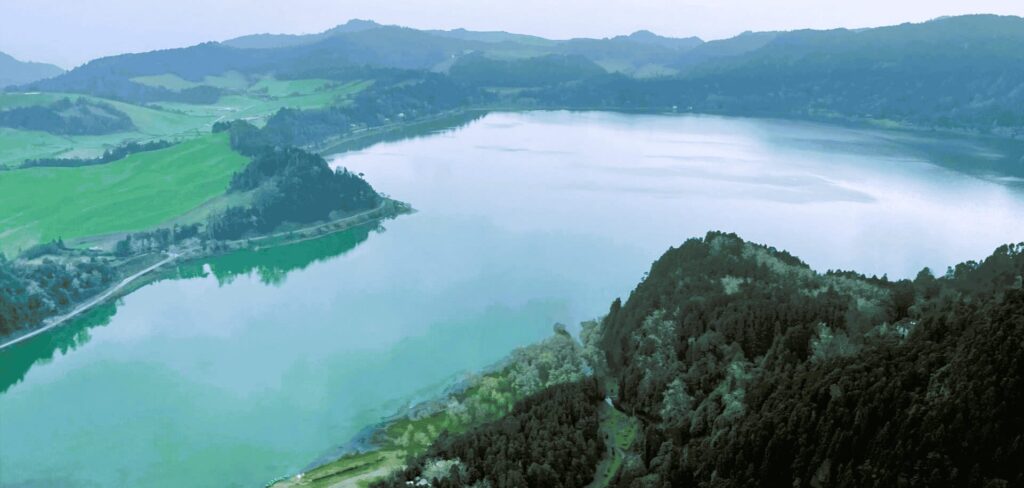
Hiking routes often combine:
- Volcanic Landscapes
- Waterfalls
- Forests
- Coastal Scenery
Trail conditions can change quickly depending on rainfall and fog conditions.
Travelers particularly interested in hiking may also wish to explore the island’s Active Holiday Packages, which combine scenic hiking trails with activities such as canyoning, whale watching, and outdoor exploration.
Visiting the Tea Plantations
São Miguel is home to the only tea plantations in Europe.
Gorreana Tea Factory

Founded in 1883, Gorreana remains one of the island’s most distinctive cultural attractions.
Visitors can:
- Tour the Factory
- Learn About Tea Production
- Sample Local Tea
- Walk Through Scenic Tea Fields
Tea cultivation became important in São Miguel during the nineteenth century following the decline of the island’s orange export industry.
Best Time to Visit São Miguel
São Miguel can be visited year-round thanks to its mild maritime climate. July and August are typically the busiest months, offering the warmest weather and highest visitor numbers.
Spring (March–May)
- Green Landscapes
- Blooming Hydrangeas
- Fewer Tourists
- Excellent Hiking Conditions
Summer (June–September)
- Warmest Temperatures
- Festivals and Cultural Events
- Ideal Whale Watching Season
- Best Overall Weather
Fall (October–November)
- Quieter Atmosphere
- Mild Temperatures
- Dramatic Scenery
Winter (December–February)
- Cooler Temperatures
- More Rainfall
- Fewer Crowds
- Excellent Thermal Bathing Season
One of the defining characteristics of Azorean weather is its unpredictability. Travelers can experience sunshine, rain, fog, and clear skies within a single day.
One of the most important things visitors should understand about São Miguel is that weather forecasts often change quickly, and conditions can vary dramatically across different parts of the island. It is not unusual to experience sunshine, fog, rain, and clear skies all within the same afternoon. Travelers who arrive expecting constant beach weather sometimes misunderstand the Azores climate. The island’s constantly changing weather patterns are part of what creates its intensely green landscapes and dramatic scenery. Bringing light waterproof clothing and dressing in layers is recommended year-round, even during summer months.
Things First-Time Visitors Should Know About São Miguel
- Driving distances may appear short on a map, but mountain roads and frequent scenic stops often make travel times longer than expected.
- Weather conditions can change quickly, especially around crater lakes and higher elevations.
- Some restaurants and businesses outside larger towns may close earlier than visitors expect.
- Sundays tend to be quieter across much of the island.
- Fog can occasionally obscure famous viewpoints, even during summer months.
- The pace of life in the Azores is generally slower and more relaxed than in mainland Europe or major tourist destinations.
Do You Need a Car in São Miguel?
For most travelers, renting a car is highly recommended.
While guided tours are available, many of São Miguel’s most beautiful locations are difficult to access efficiently without a vehicle.
Driving allows visitors to:
- Explore Scenic Viewpoints
- Stop in Small Villages
- Access Hiking Trailheads
- Travel at Their Own Pace
Road conditions are generally very good, though some mountain roads can be steep, narrow, and foggy during changing weather conditions.
Many visitors choose Azores Self-Drive Packages that combine accommodations and rental car arrangements while still allowing the flexibility to explore São Miguel independently.
Suggested São Miguel Vacation Styles
Depending on your travel style, São Miguel can be experienced in several different ways:
- Travelers seeking flexibility often prefer Self-Drive Tour Packages that combine hotels and rental car arrangements.
- Visitors looking for deeper local insight may prefer Private and Guided Tours that include sightseeing and customized itineraries.
- Adventure travelers can explore Active Holiday Packages featuring hiking, canyoning, whale watching, and nature-focused experiences.
- Travelers wishing to combine mainland Portugal with the Azores may enjoy Portugal and Azores Combo Tours.
Food and Culture in São Miguel
Azorean cuisine reflects:

- Volcanic Geography
- Atlantic Fishing Traditions
- Portuguese Culinary Heritage
- Local Agriculture
Popular foods include:
- Cozido das Furnas
- Fresh Seafood
- Octopus Dishes
- Limpets
- Local Cheeses
- Passion Fruit Desserts
- São Miguel Pineapples
- Traditional Sweet Bread
Religious festivals remain an important part of island life, particularly the Festas do Espírito Santo celebrated throughout the Azores.
Family, community, and tradition continue to shape daily life across much of São Miguel.
Food in São Miguel is generally less about elaborate presentation and more about freshness, simplicity, and strong local traditions. Many visitors are surprised by the quality of local dairy products, seafood, and produce grown in the island’s volcanic soil. Meals often feel unhurried and deeply connected to family and community traditions that remain important throughout the Azores. Beyond the scenery itself, many travelers leave São Miguel remembering the warmth of local hospitality, small family-run restaurants, and the slower pace of daily life that still defines much of the island.
Frequently Asked Questions About São Miguel
Is São Miguel expensive?
São Miguel is generally more affordable than many mainland European island destinations.
Is São Miguel safe?
Yes. The Azores are considered among the safest destinations in Europe.
Can you swim in São Miguel?
Yes. The island offers beaches, natural ocean pools, and thermal swimming areas.
Is English widely spoken?
Yes, especially in tourism-related businesses and major towns.
How many days should you spend in São Miguel?
Most visitors should plan for at least 5–7 days to properly explore the island.
What is São Miguel best known for?
São Miguel is best known for its volcanic crater lakes, geothermal hot springs, lush green landscapes, whale watching, and dramatic Atlantic scenery.
What is the best month to visit São Miguel?
Many travelers consider May through September the best period to visit São Miguel due to milder weather and longer daylight hours.
Is São Miguel good for hiking?
Yes. São Miguel offers some of the best hiking in Portugal, with trails featuring volcanic scenery, waterfalls, forests, and coastal views.
Can Americans drive in the Azores?
Yes. American visitors can drive in the Azores using a valid U.S. driver’s license during short-term visits.
Is tap water safe to drink in São Miguel?
Yes. Tap water is safe to drink throughout São Miguel and the Azores.
Final Thoughts
São Miguel offers one of the most distinctive travel experiences in Europe — a place where volcanic landscapes, crater lakes, geothermal springs, Atlantic coastlines, and authentic Portuguese culture come together in remarkable ways.
For travelers seeking natural beauty, outdoor adventure, and a destination that still feels connected to local traditions and nature, São Miguel stands apart from many modern resort destinations.
The island rewards slower travel, curiosity, and exploration. Whether visiting for a few days or returning for a second trip, many travelers leave São Miguel feeling they have only begun to discover what makes the Azores so unique.
For travelers interested in exploring beyond São Miguel, Multi-Island Azores Tours can combine islands such as Pico, Terceira, Faial, and Flores into a broader Azores experience.

António (Tony) Coelho has served as Managing Director of Portugal Online Corp., Azores.com, an Azores travel and tour company, since 1996. Born in the Azores and now based in California, António helps create exceptional Azorean travel experiences tailored to the U.S. and Canadian markets. He is also a travel writer, photographer, and contributor to Azores.com, where he produces regional guides, itineraries, and practical travel advice. His published work highlights outdoor adventures, family travel, and wildlife watching across the nine Azorean Islands, helping travelers explore the destination with confidence and insight.
António (Tony) Coelho has served as Managing Director of Portugal Online Corp., Azores.com, an Azores travel and tour company, since 1996. Born in the Azores and now based in California, António helps create exceptional Azorean travel experiences tailored to the U.S. and Canadian markets. He is also a travel writer, photographer, and contributor to Azores.com, where he produces regional guides, itineraries, and practical travel advice. His published work highlights outdoor adventures, family travel, and wildlife watching across the nine Azorean Islands, helping travelers explore the destination with confidence and insight.