São Jorge Weather by Month: Climate & Best Time to Visit
Mild Atlantic seasons, ridge fog and fast fajã microclimates
São Jorge Island Weather and Climate Guide
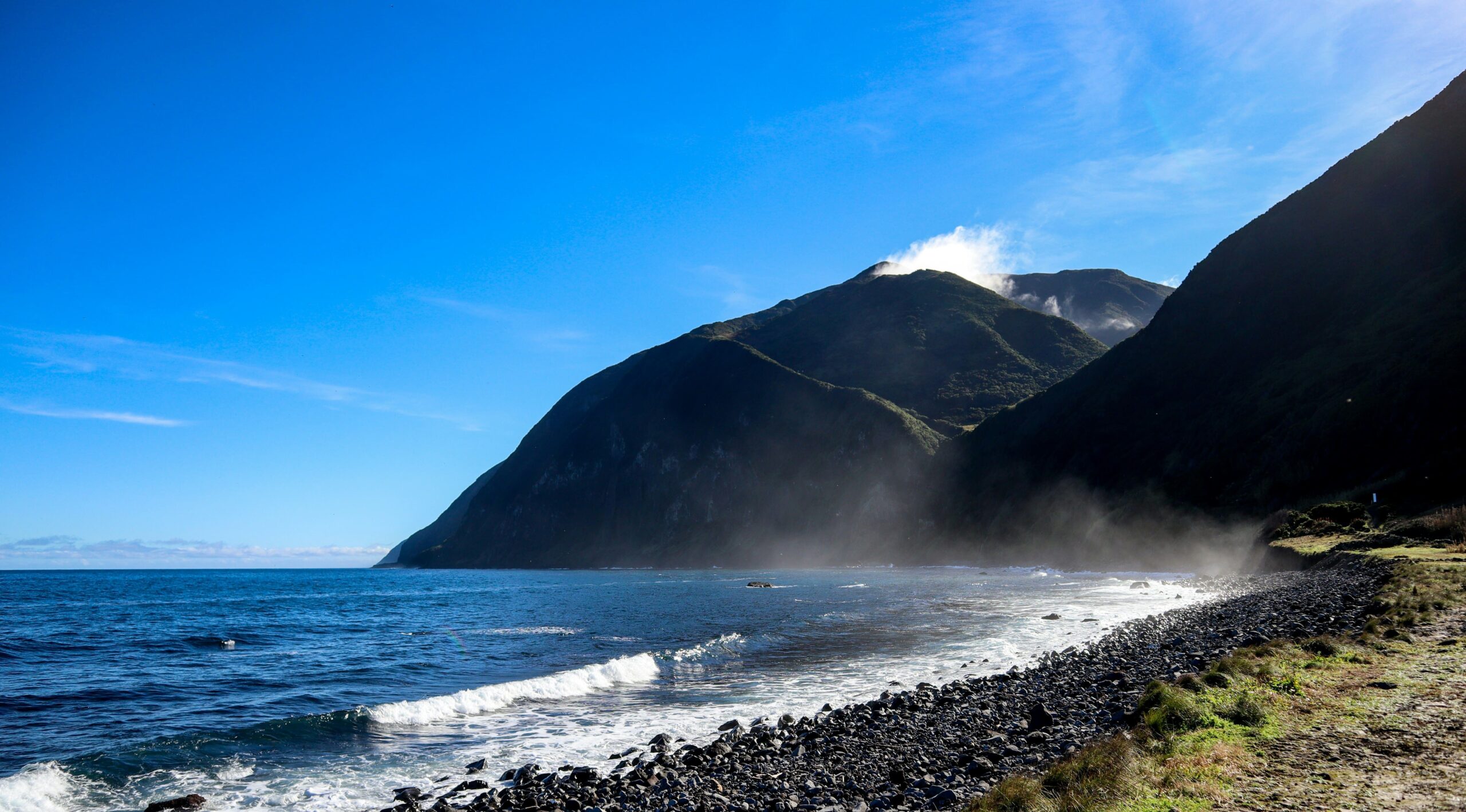
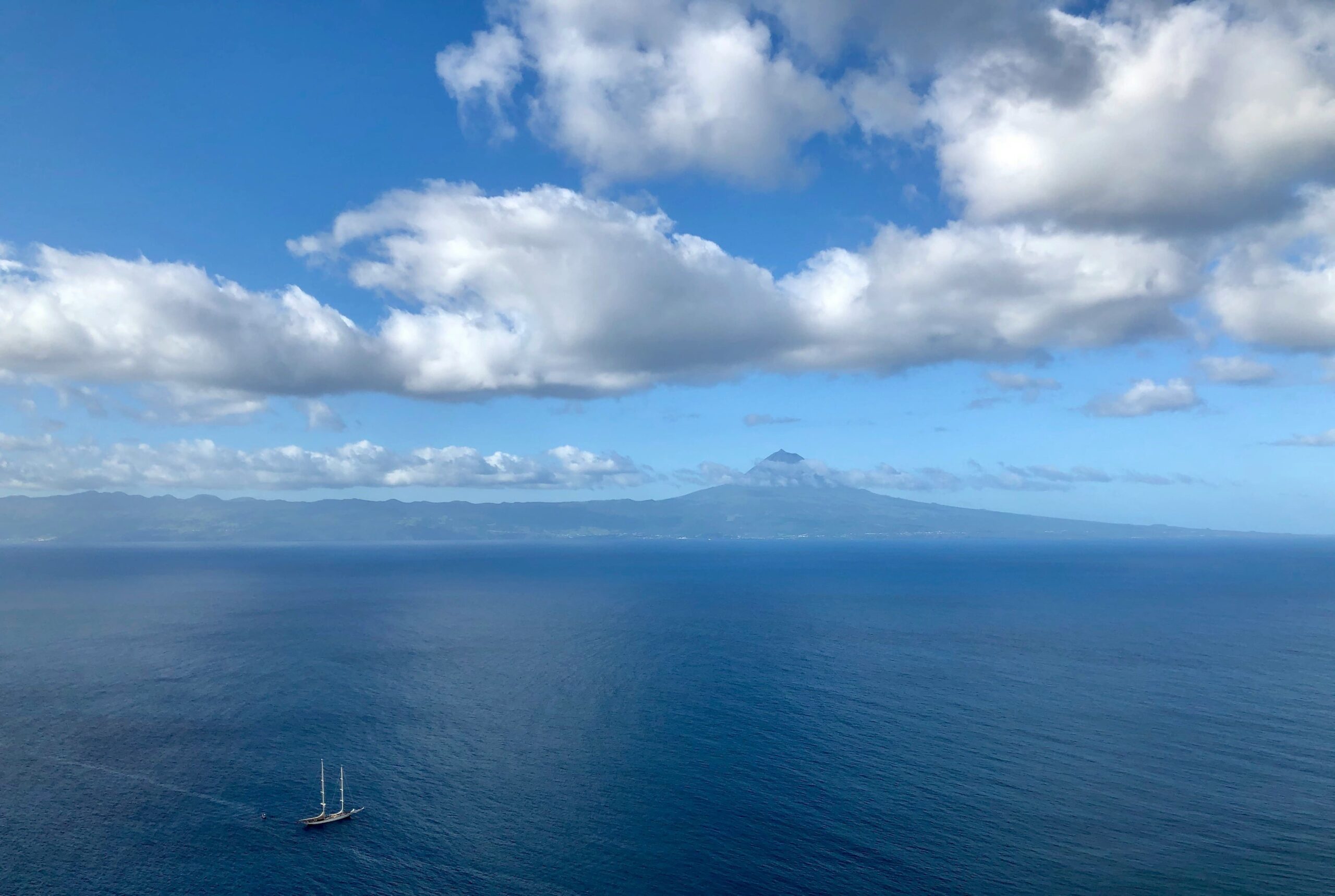
São Jorge has a temperate maritime climate moderated by the Atlantic. The coast remains mild, while its 1,053-meter ridge is cooler, wetter, windier and frequently hidden by cloud.
Climate at a glance
São Jorge Weather Essentials
Atlantic control
Ocean, Rain, Wind and Fog
Ocean moderation
The Atlantic limits extreme heat and cold, producing mild coastal seasons compared with continental interiors.
Rain all year
Showers occur in every month and support pasture, waterfalls, lagoons and dense vegetation. Winter is generally wetter.
High humidity
Moist air can make shade feel cool, slow drying and produce condensation in lodging, vehicles and camera equipment.
Fast cloud change
A clear fajã may sit below a completely clouded ridge. Visibility can improve or disappear within minutes.
Strong wind
Atlantic systems and exposed ridges can bring gusts that affect hiking, flights, ferries and cliff-edge safety.
Marine conditions
A sunny sky does not guarantee calm water. Swell and surge may remain dangerous after wind or rain has eased.
Season by season
Spring, Summer, Autumn and Winter
Spring: March–May
Seasonal guidance places average temperatures around 14–18°C, with frequent rain but increasing sunny periods, especially toward May.
Spring activities
Fajã walks, birdwatching and coastal viewpoints can be rewarding, but saturated trails and stream flow require daily checks.
Summer: June–August
The warmest and relatively driest season commonly brings about 20–25°C at the coast. Brief showers and ridge fog remain possible.
Summer activities
This is the broadest window for swimming, diving, festivals and long walks, while peak demand requires early reservations.
Autumn: September–November
Temperatures often remain around 17–22°C as rainfall and storm frequency increase toward November.
Autumn activities
Early autumn can support trails, parish events and heritage touring, with a growing need for weather alternatives.
Winter: December–February
Typical guidance places temperatures around 14–17°C at the coast, with more frequent rain, strong wind and rough sea.
Winter activities
Museums, cheese visits, churches and village touring help during poor trail conditions, but opening hours may be reduced.
Microclimates
Ridge, Fajãs and Two Coasts
Central plateau
Two-thirds of the island lies roughly 300–800 meters above sea level, where cloud, wind and rainfall are more persistent.
Pico da Esperança
At 1,053 meters, the summit can be much colder and less visible than Velas. Carry layers and turn back if navigation becomes uncertain.
North-coast fajãs
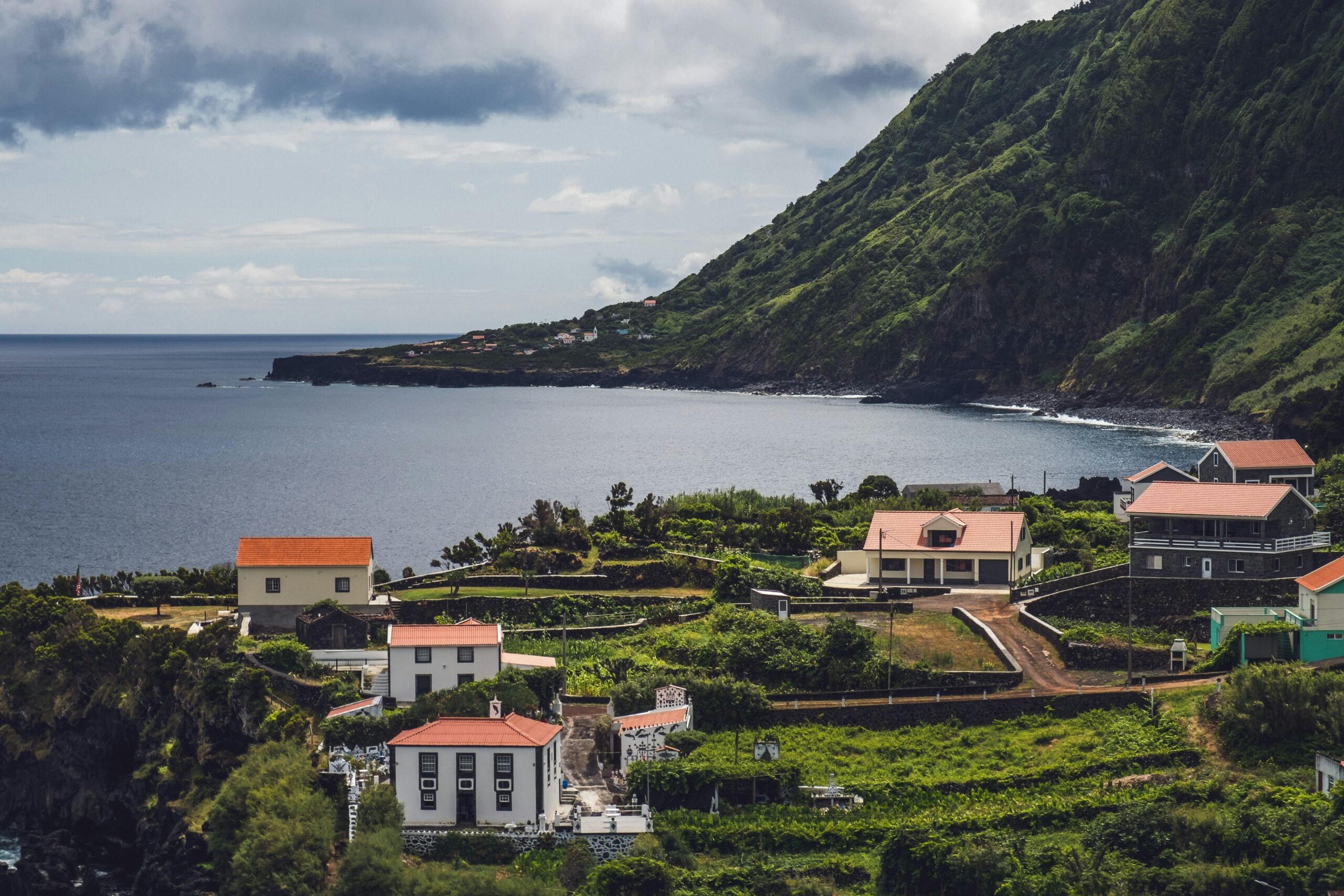
High cliffs, deep ravines and exposure can concentrate runoff and leave access paths wet long after a shower.
South-coast fajãs
Urzelina, Manadas and Vimes may feel warmer and more sheltered, supporting orchards and coffee, but are not immune to wind or swell.
Santo Cristo trail
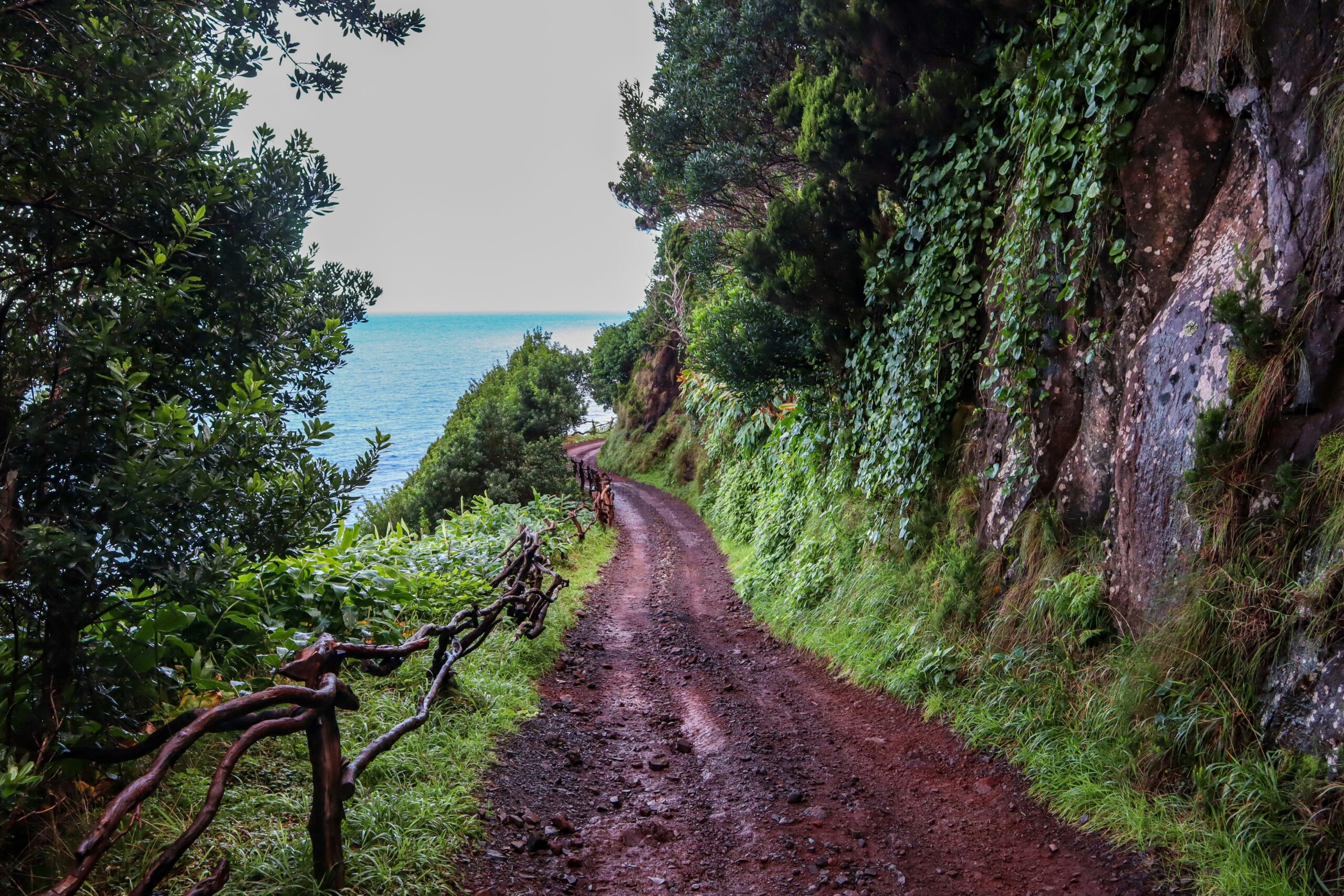
Rain affects mud, waterfalls, stream crossings and long descents. Official trail status and local observations control the decision.
Airport and ferry
Low cloud, crosswind and sea state can disrupt transport even when lodging has pleasant weather.
Best time
When to Visit São Jorge
May through September
Late spring to early autumn usually offers warmer temperatures and lower rainfall for hiking, viewpoints and coastal activities.
July and August
Warmth, festivals and the broadest visitor services come with the highest demand for cars, rooms, ferries and restaurants.
May and June
Flowers, green pasture and quieter trails can be attractive, provided plans can move around rain and fog.
September
Sea and air may remain mild and the Santo Cristo pilgrimage adds culture, while autumn weather can begin to strengthen.
Winter
Suitable for slow travel and food or heritage interests, but exposed hikes, marine activity and transport are less reliable.
No guaranteed season
Weather statistics describe patterns, not a specific week. Build flexibility into every visit.
Plan well
Practical São Jorge Weather Tips
Pack rain protection
Carry a breathable waterproof jacket and backpack cover in every season. Umbrellas are less useful in ridge wind.
Use hiking footwear
Waterproof shoes with grip are essential for wet rock, clay, roots and steep fajã paths.
Check several zones
Compare airport, ferry, ridge, trail and marine information rather than relying on one island symbol.
Carry sunscreen
UV exposure can remain high through broken cloud, especially on the sea and open plateau.
Protect connections
Leave margin around ferries and flights. Do not place a critical international departure immediately after São Jorge.
Avoid flooded ravines
Never enter a canyon, swollen stream or waterfall channel after heavy rain, even if the coast has cleared.
Questions travelers ask
São Jorge Weather FAQ
What is the best time to visit São Jorge?
May through September usually offers warmer and relatively drier conditions, with July and August the busiest.
Does it rain often?
Yes. Rain can occur year-round and is more frequent from autumn through early spring.
Is the ridge colder than the coast?
Yes. Pico da Esperança and the plateau are cooler, windier, wetter and foggier than most coastal settlements.
Can weather close trails?
Yes. Rain, wind, landslide risk, mud and maintenance can close or alter routes. Check the official portal that day.
Can weather disrupt ferries and flights?
Yes. Wind, low cloud and rough sea can cause delay or cancellation, so use buffer time around onward travel.
Build a practical island stay
Plan Your São Jorge Vacation
Azores.com can coordinate lodging, transport, official trails and enough flexibility for São Jorge’s ridge, fajãs and Atlantic weather.