São Jorge History: Settlement, Culture & Island Heritage
Settlement, Atlantic trade, foreign attacks, eruptions and resilience
São Jorge Island History
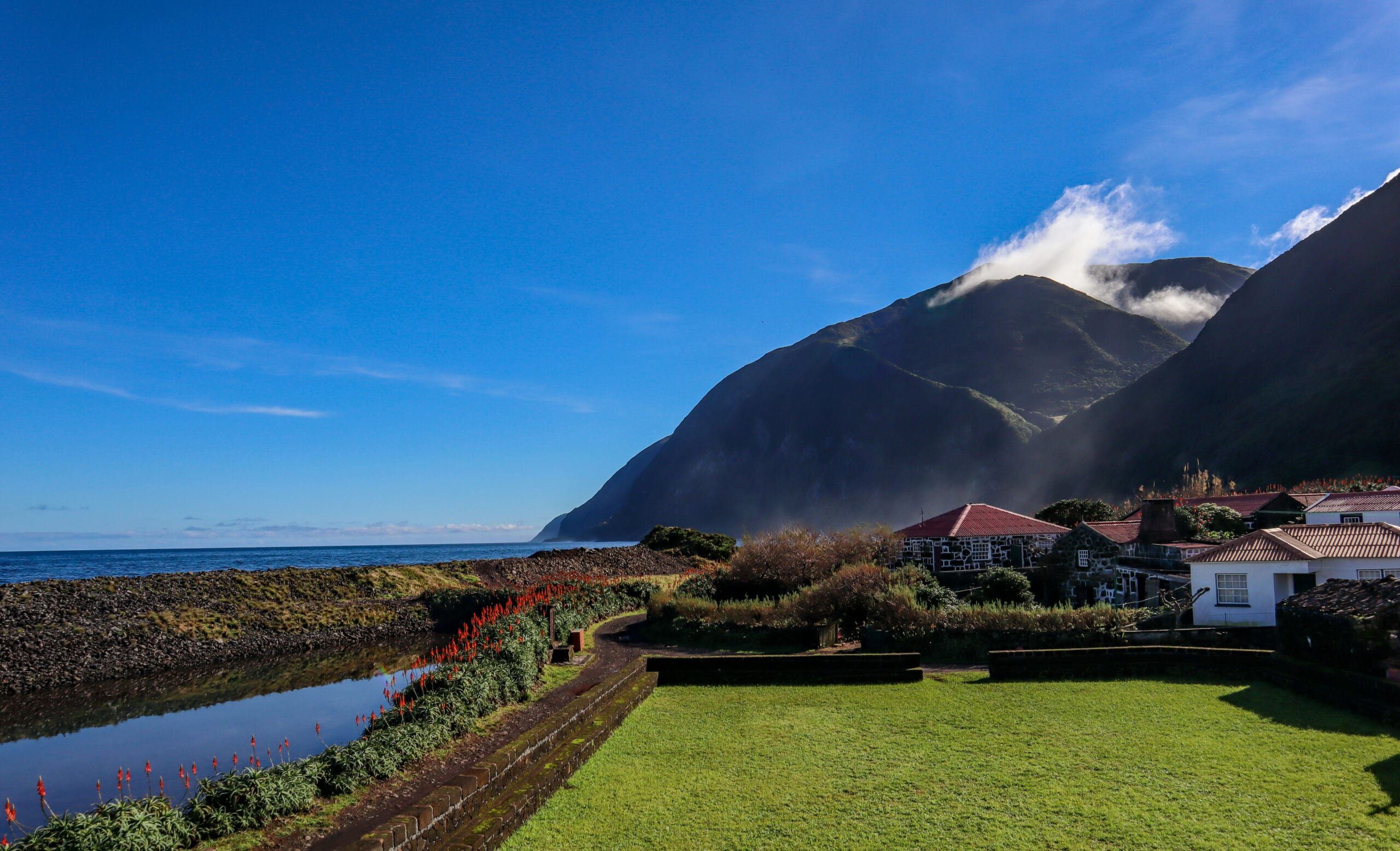
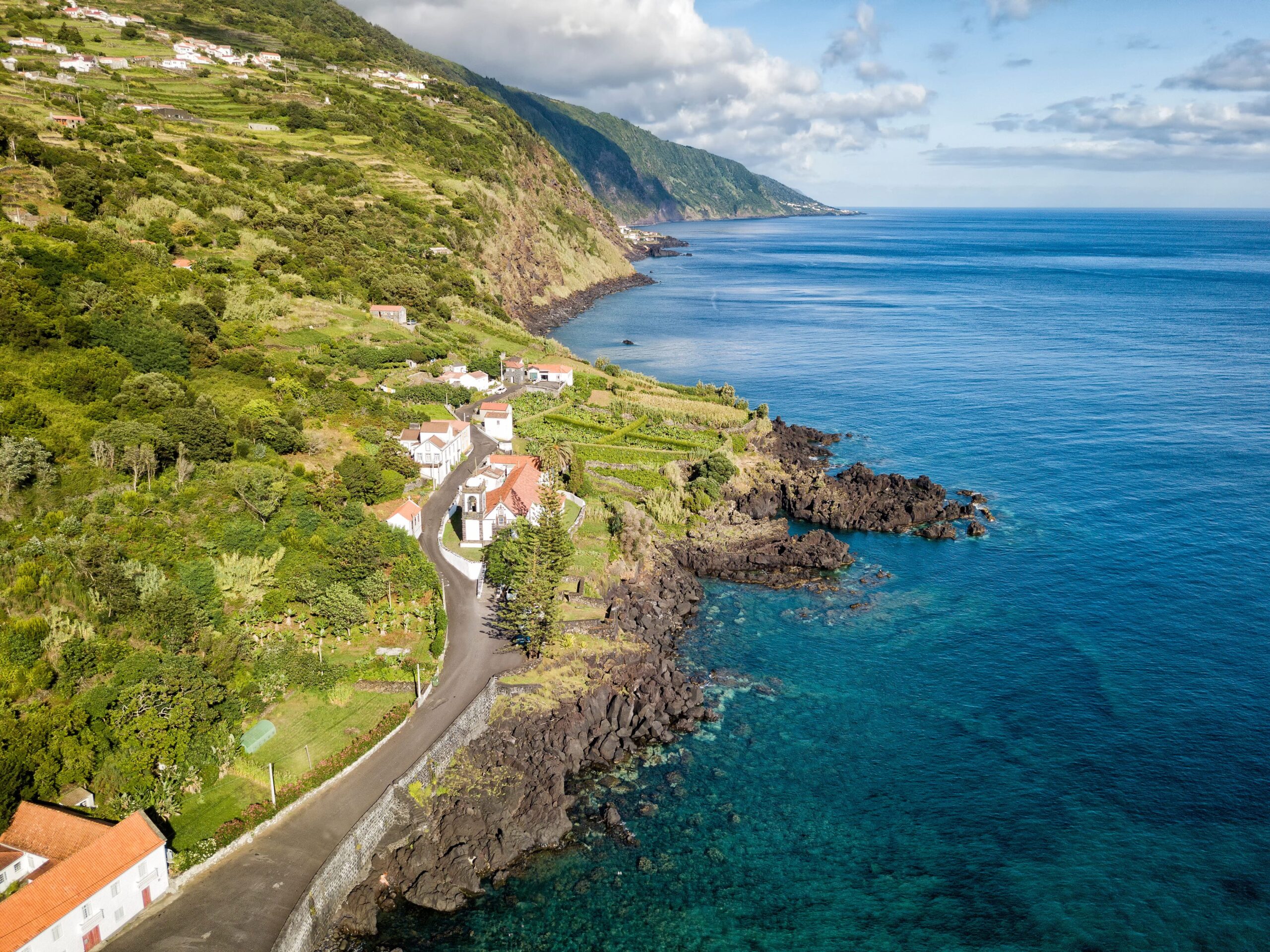
São Jorge’s past follows a difficult ridge-and-cliff landscape: fifteenth-century settlement, export agriculture, foreign raids, destructive earthquakes and eruptions, emigration and modern dairy development.
Fifteenth century
References, Settlement and Captaincy
First known reference
São Jorge appears in records from 1439, while organized settlement developed around 1470 along accessible western and southern coasts.
Velas
The protected south-coast site became one of the earliest and most important towns, with harbor, church and administrative functions.
Flemish Topo
Willem or Wilhelm van der Haegen, known as Guilherme da Silveira, founded a late-fifteenth-century settlement at Topo and became a respected local figure.
Northern Portuguese settlers
Families from northern Portugal brought farming methods, religious institutions and community organization to the new island.
João Corte-Real
In 1483 the captaincy was granted to João Vaz Corte-Real, who also governed Angra on neighboring Terceira.
Town charters
Velas received municipal standing by the end of the fifteenth century; Topo followed in 1510 and Calheta in 1534.
Early economy
Farming, Dye Crops and European Trade
Wheat and food crops
Wheat and other staples supplied island households and entered inter-island trade when harvests allowed.
Grapes and wine
Vines grew in warmer lowlands and fajãs, adding wine to a mixed agricultural economy.
Woad and lichen
Dye materials such as woad and archil-producing lichen were exported to Flanders and other European markets.
Livestock
Cattle, dairy and other animals suited the pasture landscape and eventually became central to São Jorge’s modern identity.
Difficult ports
Few sheltered landings limited commerce and made coastal communities vulnerable to weather, blockade and attack.
Food shortages
Crop failure, storms and transport isolation repeatedly produced scarcity from the sixteenth through nineteenth centuries.
Conflict
Dynastic Crisis, Privateers and Corsairs
Support for Dom António
During the 1580 Portuguese succession crisis, São Jorge joined Terceira in supporting Dom António, Prior of Crato.
Spanish rule
After Terceira fell in 1583, São Jorge submitted to forces loyal to Philip II of Spain.
English and French raids
Privateers targeted exposed settlements and supplies during the sixteenth and seventeenth centuries.
Calheta defense
Tradition recalls local resistance to an attack associated with the Earl of Essex, including townspeople using stones when weapons were scarce.
Simão Gato
An island story celebrates the soldier Simão Gato for seizing an enemy flag during an attack.
Later threats
Du Guay-Trouin is associated with French pillage, while shots from Calheta’s fort drove off an Algerian pirate vessel in 1816.
Earth and sea
Eruptions, Earthquakes and Isolation
1580 eruption
A historic fissure eruption affected the island during a period already marked by political and economic upheaval.
Mandado de Deus, 1757
The great earthquake killed residents, damaged churches and triggered enormous slope failures that reshaped several fajãs.
Urzelina eruption, 1808
Lava destroyed buildings and farmland around Urzelina; the surviving church tower remains the most visible memorial.
Offshore eruption, 1964
Submarine activity southwest of Rosais added a modern chapter to São Jorge’s volcanic record.
Seismic crisis and 1980 earthquake
Twentieth-century earthquakes damaged settlements and contributed to abandonment or rebuilding in vulnerable fajãs.
Community resilience
Rebuilding, shared labor, religious brotherhoods and migration networks helped families endure recurring disaster and isolation.
Modern development
Ports, Airport, Dairy and Heritage
Velas and Calheta ports
Improved harbors expanded passenger movement, fishing, cargo and connections with the Central Group.
São Jorge Airport
Air service reduced isolation, although weather still affects operations and island logistics.
Dairy cooperatives
Pasture, cattle and organized processing turned Queijo São Jorge into an internationally recognized DOP product.
Fishing and canning
Fishing and the former canning industry diversified work, especially around coastal towns.
Museum Francisco de Lacerda
The Calheta museum occupies part of a former canning complex and interprets island culture, music, community and industry.
Fajã tourism
Protected landscapes and official trails now support tourism while raising new responsibilities for residents, access and conservation.
Plan well
Practical São Jorge History Tips
Begin in Calheta
Use the Francisco de Lacerda Museum to understand music, rural life and canning before touring the east.
See Urzelina’s tower
View the 1808 eruption memorial from legal public access and respect surrounding religious property.
Visit Santa Bárbara
Check church opening and dress respectfully; the tile and carved-wood interior is a place of worship, not a museum set.
Read the fajãs
Old paths, chapels, mills, walls and abandoned houses show how communities adapted to scarce coastal land.
Treat stories as stories
Privateer episodes and heroic figures such as Simão Gato belong to island memory; exact details may combine documents and oral tradition.
Leave artifacts in place
Never remove tile, pottery, stone, tools or objects from ruins, old paths or disaster sites.
Questions travelers ask
São Jorge History FAQ
When was São Jorge settled?
The island appears in records by 1439, while organized settlement is generally placed around 1470.
Who was Guilherme da Silveira?
He was the Flemish settler Willem or Wilhelm van der Haegen, who established a community at Topo late in the fifteenth century.
What was the Mandado de Deus?
It was the destructive 1757 earthquake, which caused deaths, church damage and massive landslides that reshaped the coast.
What happened at Urzelina in 1808?
A volcanic eruption destroyed buildings and fields; the surviving church tower remains a prominent memorial.
How did São Jorge overcome isolation?
Modern ports, an airport, dairy cooperatives, fishing, public works, migration connections and tourism improved access and economic opportunity.
Build a practical island stay
Plan Your São Jorge Vacation
Azores.com can coordinate lodging, transport, official trails and enough flexibility for São Jorge’s ridge, fajãs and Atlantic weather.