São Jorge Food & Gastronomy: Traditional Dishes to Try
DOP cheese, protected lagoon shellfish, sweets and island restaurants
São Jorge Island Food and Gastronomy
São Jorge shares the Azores’ fish, meat and festival foods, but DOP Queijo São Jorge, Santo Cristo lagoon amêijoas, Fajã dos Vimes coffee and spiced sweets give the island a distinct table.
Island signature
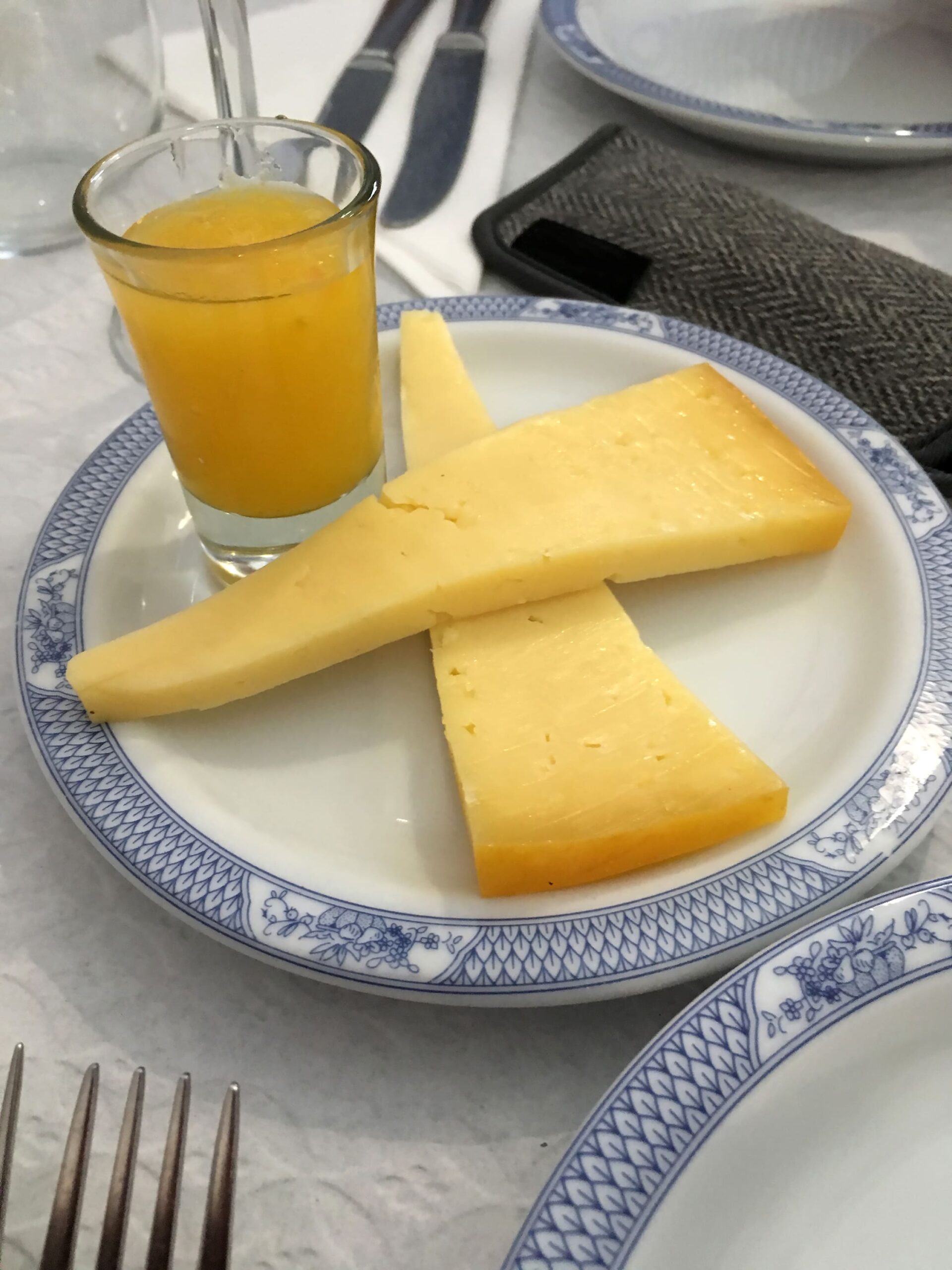
DOP Queijo São Jorge
Raw cow’s milk
Certified Queijo São Jorge is made on the island from whole raw cow’s milk, reflecting pasture and traditional herd management.
Hard or semi-hard
The firm yellow paste contains many small irregular eyes and may become more brittle as it ages.
Official wheel size
The DOP specification gives a regular cylindrical wheel 25–35 cm in diameter, 10–15 cm high and 8–12 kg in weight.
Minimum aging
Every certified wheel matures for at least three months; longer aging deepens its strong, clean aroma and lightly piquant flavor.
How to taste
Compare younger and older wedges at room-serving temperature while keeping the product refrigerated according to its label.
How to verify
Look for DOP identification and producer traceability rather than assuming every cheese labeled “São Jorge style” is island-certified.
Protected delicacy
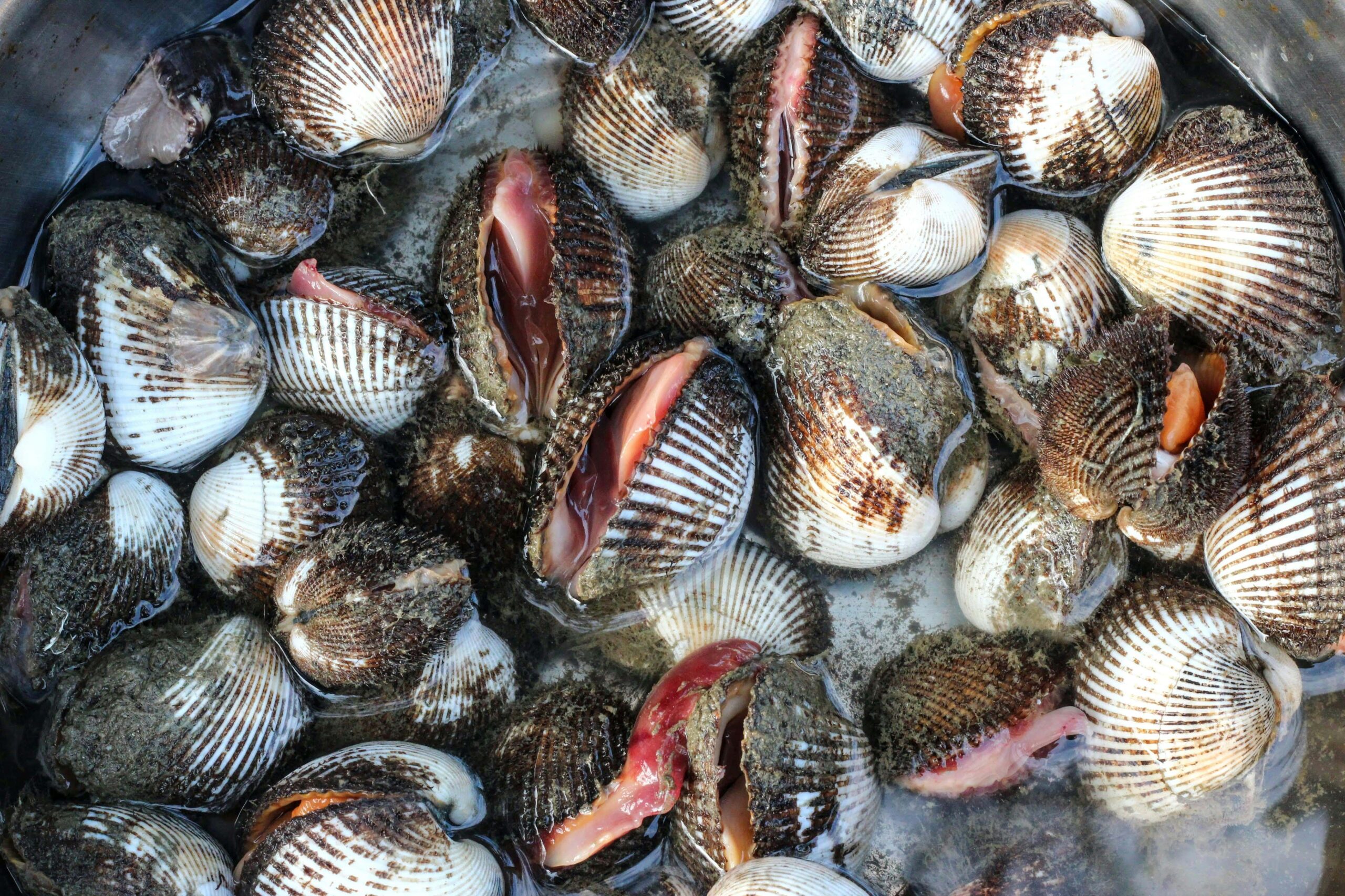
Amêijoas da Caldeira de Santo Cristo
Lagoon shellfish
The grooved carpet shell population in the Santo Cristo lagoon is a celebrated São Jorge delicacy and part of a protected wetland ecosystem.
Names in English
Restaurants and official material commonly refer to them as amêijoas or clams; local terminology is preferable when ordering or asking about availability.
Limited harvest
Environmental rules, season, monitoring and authorized supply determine whether they can be served. Never expect them as a guaranteed menu item.
Simple preparation
When legally available, the shellfish may be cooked simply to preserve the lagoon flavor, often with garlic, wine or restrained seasoning.
Do not collect
Visitors should not gather shellfish or disturb lagoon margins. Purchase only through a lawful restaurant or supplier.
Protect the source
Keep soap, sunscreen, food waste and equipment cleaning out of the lagoon and follow current interpretation-center guidance.
Traditional sweets
Cookies, Fried Pastries and Festival Baking
Coscorões
Crisp fried pastries appear at holidays and celebrations, dusted or sweetened according to family tradition.
Rosquilhas de aguardente
Ring-shaped biscuits flavored with aguardente connect household baking with the island’s spirit and festival customs.
Espécies
Small aromatic cookies use warm spices and have become one of São Jorge’s most recognizable sweet souvenirs.
Suspiros
Light meringues turn egg white and sugar into a simple, fragile sweet sold in bakeries and at events.
Esquecidos and doce branco
These traditional sweets broaden the island pastry vocabulary beyond the most commercial packages.
Bolo de véspera
Bread or cake associated with Holy Spirit preparation and the eve of celebrations carries community meaning as well as flavor.
Current dining
Restaurants and Food Stops
Restaurante Velense, Velas
Current island listings support this longstanding restaurant near the port and historic center. Confirm hours, fresh fish and reservations directly.
Fornos de Lava, Santo Amaro
This restaurant is in Santo Amaro in Velas municipality, not Calheta. Current listings support dinner service and wood-fired regional cooking; reserve.
O Forno, Velas
Reliable current operating details are limited. Confirm the business, location, hours and menu before making a dedicated trip.
Beira cheese cooperative
The current DOP management and dairy network in Beira provides the dependable cheese reference sometimes described to travelers as the São Jorge Cheese House.
Café Nunes, Fajã dos Vimes
Café Nunes belongs to the coffee-growing Fajã dos Vimes, not Santo Cristo. Visit for locally grown coffee and confirm hours before descending.
Cockles on menus
Ask restaurants in Velas or Calheta about lawful Santo Cristo amêijoas. A café in the remote fajã is not the only or guaranteed source.
Plan well
Practical São Jorge Dining Tips
Reserve dinner
Small dining rooms and limited island hours make reservations important in summer, on ferry days and during festivals.
Confirm the location
Save the exact current address for Fornos de Lava or Café Nunes before driving, since similarly named places and older map data can cause confusion.
Ask what landed
Fresh fish follows weather, boats, legal season and demand. Choose from the day’s real catch rather than an old menu.
Buy cheese last
Use an insulated bag, follow label temperature guidance and check airline and destination-country rules.
Carry trail food
Remote fajãs do not guarantee an open café. Bring water and a simple meal and carry all waste out.
Mention dietary needs early
Traditional menus can be dairy-, meat- and seafood-heavy. Contact restaurants in advance for allergies or vegetarian needs.
Questions travelers ask
São Jorge Food FAQ
What makes São Jorge cheese special?
DOP Queijo São Jorge uses raw cow’s milk from the island, weighs 8–12 kg as a full wheel and ages at least three months for a clean, lightly piquant flavor.
Can I eat Santo Cristo clams?
Only when lawful harvest and restaurant supply allow. Never collect them yourself or assume they will be available on a particular day.
Which sweets should I try?
Look for espécies, coscorões, rosquilhas de aguardente, suspiros, esquecidos, bolo de véspera and doce branco.
Where is Café Nunes?
Café Nunes is in Fajã dos Vimes and is known for locally grown coffee, not in Caldeira de Santo Cristo.
Should I reserve restaurants?
Yes, particularly for dinner, summer, festival periods and restaurants outside Velas. Confirm both hours and location directly.
Build a practical island stay
Plan Your São Jorge Vacation
Azores.com can coordinate lodging, transport, official trails and enough flexibility for São Jorge’s ridge, fajãs and Atlantic weather.