Travel Consultants
Is your time too precious to spend long hours searching for the perfect holiday in the Azores? Looking for expert help in organizing your trip? Hire an Azores.com Travel consultant.

The Azores can suit travelers with limited mobility, as long as the itinerary is built around verified step-free or low-walking sights, pre-arranged transport assistance, and a vehicle that matches your needs. This guide processes one central question, accessible travel in the Azores, so you can decide which islands, scenic sights, airports and ferries, hotels, and tour formats fit your mobility before you book. Access varies by island, attraction, vehicle, and terrain, and the labels you see on listings are inconsistent, so the most important rule comes first: confirm wheelchair access in writing with each provider, and never treat “accessible” as the same thing as “low-walking.”
This guide is written for older travelers, wheelchair and mobility-scooter users, travelers with a temporary injury, and the companions who travel with them. It separates confirmed step-free access from general low-walking suitability throughout, because the difference decides whether a viewpoint or a hotel actually works for you. Where a provider does not publish a clear answer, this guide flags the gap instead of turning it into a promise.
The Azores can work for travelers with limited mobility, though access varies by island, attraction, vehicle, and terrain. A successful trip depends on verified step-free routes, short-walking viewpoints, pre-arranged transport assistance, and direct checks with hotels and activity providers before you commit. Treat each fact you find as something to reconfirm for your own dates.
The archipelago is volcanic. Gradients, uneven surfaces, and trails with steps are common away from towns and main roads. That terrain is also why so many of the best views are reachable by car: many crater viewpoints and coastal lookouts sit a short, mostly level walk from a parking area, while the dramatic descents to lake shores and sea caves usually involve steep, unpaved paths. According to Visit Azores, the official tourism site of the Azores, Sao Miguel is the most accessible island because of its infrastructure and the range of adapted transport and accommodation available, with accessible routes and activities spread from Sete Cidades to Nordeste.
Two honest limitations shape the rest of this guide. First, accessibility provision is uneven and still developing, so a sight that is step-free at the viewpoint can still lack an accessible toilet nearby. Second, public information is fragmented: Visit Azores itself notes that consumer-facing planning detail is scattered, which is exactly why a dated matrix and direct provider confirmation matter more here than a generic “accessible” label. The next section starts where most decisions start, with the choice of island.

Sao Miguel offers the widest choice of accessible hotels, paved roads, medical services, and guided transport, which makes it the most practical base for a first accessible trip. Faial, Pico, and Sao Jorge add specialist accessible experiences through a dedicated operator, while smaller or steeper islands such as Flores and Corvo need more detailed checks before you confirm an itinerary.
Sao Miguel, the largest island, concentrates the services that reduce mobility friction: adapted vehicles, a major hospital in Ponta Delgada, the archipelago’s busiest airport, and the broadest set of hotels with adapted rooms. Visit Azores lists Sao Miguel as the gateway with the most accessible routes and activities, which is why most of the sights in the matrix below sit on this island.
The central “triangle” islands are the next strongest option. Access Azores, a travel agency and tour operator specializing in accessible, sustainable, and cultural tourism, builds adapted itineraries across Faial, Pico, and Sao Jorge, including wheelchair-accessible boat trips, adapted diving, accessible trails, and guided cultural visits. On Sao Miguel and beyond, Azores for All, a brand of the CRESACOR cooperative, arranges airport transfers in an adapted van, books hotels matched to a traveler’s needs, and organizes adapted excursions.
A caveat belongs here. When this guide was checked, accessible-accommodation listings on the directory Azores.net were concentrated on Sao Miguel, Santa Maria, and Terceira, with little or no listed accessible stock on Graciosa, Flores, and Corvo. That does not mean those islands are impossible, but it does mean the smaller and more remote islands require island-by-island confirmation rather than an assumption. With the island chosen, the next question is which sights are realistically within reach.
Many Azores crater viewpoints, coastal lookouts, botanical gardens, and town centers sit within a short, mostly level walk of a car park or roadside. The key distinction is between true step-free access and places that are only low-walking or passable with assistance. The accessibility matrix below separates those categories sight by sight so you can match each stop to your own mobility.
On Sao Miguel, several of the headline views are low-effort. The Vista do Rei viewpoint over the Sete Cidades crater lakes is reached on a short, mostly paved approach with roadside parking, and Visit Azores partner imagery shows it used as an accessibility example. Lagoa do Fogo can be admired from the Miradouro do Pico da Barrosa, a viewpoint reached by car with parking and easy access at the top, although the long descent to the lake shore is a steep hike that is not suitable for limited mobility. Parque Terra Nostra in Furnas offers step-free access from the street and wheelchair-friendly main paths through the botanical garden, with parking and a restaurant on accessible routes, though entry into its 42 degrees Celsius thermal pool is via steps and the pool-access arrangement should be confirmed directly.
The counterexamples matter just as much. The Miradouro da Boca do Inferno near Sete Cidades requires roughly a 20-minute walk each way on a trail with steps, so it is not suitable for most travelers with limited mobility. Caldeira Velha, the thermal site near Ribeira Grande, has had no adapted modifications and is reached on a former dirt road and forest path with steps to the pools, which puts it out of reach for many wheelchair users. The Caldeiras das Furnas geothermal field is a mixed case: you can reach it by car with parking, and boardwalks cross part of the site, but sections have uneven surfaces, steps, and narrow passages, so the hot-springs area is not fully wheelchair accessible. The matrix records each of these distinctions explicitly.

This planning matrix was verified on June 25, 2026 from the sources listed at the end of this guide. Values describe what each provider or official source publishes, not a guarantee for a specific date, vehicle, room, or vessel. Re-confirm every safety-sensitive detail directly before you book. “Step-free” means a route without steps from parking to the main feature, “low-walking” means a short distance that may include minor slopes or uneven ground, and “confirm” means the attribute is not published clearly and needs a direct answer. The matrix is shown on the next page in landscape format.
Accessibility table (June, 2026)
|
# |
Sight / stay / service (island) |
Type |
Step-free access |
Gradient |
Surface |
Walking distance |
Parking |
Toilets |
Assistance and notes |
|
1 |
Vista do Rei, Sete Cidades (Sao Miguel) |
Viewpoint |
Largely yes at platform |
Gentle |
Paved |
Under 100 m |
Roadside |
None on site (confirm) |
Used as an accessibility example by Visit Azores partners; reconfirm surface condition |
|
2 |
Miradouro do Pico da Barrosa, Lagoa do Fogo (Sao Miguel) |
Viewpoint |
Yes at viewpoint |
Level at top |
Paved and gravel |
Very short |
Yes |
None (confirm) |
Descent to the lake shore is a steep hike and not accessible |
|
3 |
Miradouro da Boca do Inferno (Sao Miguel) |
Viewpoint |
No |
Steep |
Dirt trail with steps |
About 20 min each way |
Nearby |
None |
Not suitable for most limited-mobility travelers |
|
4 |
Parque Terra Nostra, Furnas (Sao Miguel) |
Botanical garden |
Yes from street |
Mostly gentle |
Compacted paths, some gravel |
Moderate, shortenable |
Yes |
Yes (confirm accessible stall) |
Main paths, restaurant and entrance accessible; thermal pool entry via steps, confirm pool access |
|
5 |
Caldeiras das Furnas geothermal field (Sao Miguel) |
Geothermal site |
Partial |
Mixed |
Paved, boardwalk, some uneven |
Short to moderate |
Yes |
In village (confirm) |
Reachable by car; boardwalks cover part of the site; hot-springs area not fully accessible |
|
6 |
Caldeira Velha (Sao Miguel) |
Thermal site |
No |
Steep in places |
Dirt path, steps to pools |
Moderate |
Yes |
At interpretation centre (confirm) |
No adapted modifications reported; not wheelchair accessible |
|
7 |
Gorreana Tea Factory, Maia (Sao Miguel) |
Factory and shop |
Ground floor likely level (confirm) |
Flat at entry |
Indoor flooring |
Short |
Yes (confirm) |
Yes (confirm) |
Upper production floors reached by stairs; free self-guided visit; confirm accessible route |
|
8 |
Ponta Delgada seafront, Portas da Cidade and Avenida (Sao Miguel) |
Town center |
Largely yes |
Flat |
Paved, some historic cobble |
Choose your distance |
City car parks with bays |
Cafes and public (confirm) |
Historic cobblestone can be uneven; pick smoother sections |
|
9 |
Pineapple plantation, Augusto Arruda, Faja de Baixo (Sao Miguel) |
Working greenhouse |
Confirm |
Mostly flat |
Gravel and greenhouse thresholds |
Short |
Yes |
Confirm |
Accessibility not published; free entry; confirm greenhouse access directly |
|
10 |
Capelinhos Volcano Interpretation Centre (Faial) |
Museum |
Yes |
Level |
Indoor, ground-level entry |
Short |
Yes (confirm bays) |
Accessible WC |
Built into the landscape with ground-level entry; loaner wheelchairs offered; lighthouse stairs not accessible |
|
11 |
Ponta Delgada Joao Paulo II Airport, PDL (Sao Miguel) |
Airport |
Yes |
Level |
Indoor |
Assisted |
Accessible bays in all car parks |
Accessible |
MyWay assistance with lifts, walkways and escort; notify airline or agent at least 48 hours ahead |
|
12 |
Horta Airport and other ANA airports (Faial and others) |
Airport |
Yes |
Level |
Indoor |
Assisted |
Confirm bays |
Accessible |
MyWay assistance via the Designated Point of Arrival; request at least 48 hours ahead |
|
13 |
Azores Airlines flights, A320 and A321 fleet |
Air transport |
Boarding assistance |
n/a |
n/a |
Assisted |
n/a |
On board, confirm |
Request assistance up to 48 hours before departure; own wheelchair carried free; cabin storage of wheelchairs not possible |
|
14 |
SATA Air Acores inter-island flights, Q200 and Q400 |
Air transport |
Boarding assistance |
n/a |
n/a |
Assisted |
n/a |
Confirm |
Smaller hold limits than the jets: max device 142 x 114 x 114 cm, up to 200 kg; provide battery type for powered chairs |
|
15 |
Atlanticoline inter-island ferries |
Sea transport |
Wheelchair embark and disembark support |
n/a |
Ramp and deck |
Assisted |
At ports (confirm) |
On board, confirm |
Request assistance at least 24 hours ahead; onboard wheelchair use is free; priority boarding; board up to 10 min before departure |
|
16 |
Access Azores tours (Faial, Pico, Sao Jorge) |
Tour operator |
Adapted itineraries |
Varies |
Varies |
Tailored |
Adapted vehicle |
Planned per route |
Accessible boat trips, adapted diving, accessible trails and cultural visits; accessibility consultancy |
|
17 |
Azores for All, CRESACOR (Sao Miguel and others) |
Tour and transfer service |
Adapted van and excursions |
Varies |
Varies |
Tailored |
Adapted van |
Planned per route |
Airport transfers in an adapted van; books adapted hotels; organizes adapted excursions |
|
18 |
Disabled Accessible Travel, private Sao Miguel tours |
Tour operator |
Adapted vehicle with driver-guide |
Varies |
Varies |
Tailored |
Adapted vehicle |
Planned per route |
Private tours suited to wheelchair users, scooter users and slow walkers; Lagoa do Fogo and Sete Cidades half-day options |
|
19 |
Azor Hotel, Ponta Delgada (Sao Miguel) |
Hotel |
Accessible units reported |
Level entry (confirm) |
Indoor |
Central location |
On-site (confirm) |
Confirm roll-in bathroom |
Central seafront base; confirm adapted room layout and bathroom for your dates |
|
20 |
Terra Nostra Garden Hotel and Octant Furnas (Sao Miguel) |
Hotels |
Barrier-free park paths (confirm rooms) |
Level entry (confirm) |
Indoor and garden |
Furnas valley |
Yes |
Confirm accessible stall |
Furnas bases beside the thermal park; confirm adapted room, bathroom and pool access directly |
Sources for every row appear in the Sources and verification list at the end of this guide. With the sights mapped, the next decision is how you reach the islands and move between them.
Azores Airlines and the inter-island ferry operator Atlanticoline both publish advance-notice procedures for mobility assistance. Request support before departure, provide your equipment dimensions and weight, and confirm the accessibility of the specific aircraft, vessel, terminal, and transfer used on each leg. Notice periods and equipment limits are firm rules, so build them into your plan rather than leaving them to the airport counter.
For flights, Azores Airlines asks you to request mobility and wheelchair assistance at the time of booking or up to 48 hours before departure. Your own wheelchair, crutches, or walker travels free in addition to your baggage allowance, but the airline cannot store a passenger wheelchair in the cabin, so it travels in the hold. Hold limits differ by aircraft: the Azores Airlines A320 and A321 jets accept a mobility device up to 150 x 140 x 119 cm, while the smaller SATA Air Acores Bombardier Q200 and Q400 turboprops used on many inter-island hops accept up to 142 x 114 x 114 cm, both to a maximum 200 kg. For a battery-powered chair, the airline needs the battery type and may require some disassembly under dangerous-goods rules.
The companion rule is the most safety-sensitive point, so read it before you book a solo trip. Azores Airlines states that its crew ensure safety and provide first aid but are not qualified to help with feeding, lifting, medication, communication, or use of the lavatory. To travel without a companion, a passenger must be able to breathe without supplementary oxygen, feed themselves, transfer from a wheelchair to the seat, use the toilet independently, take their own medication, and put on a life jacket and oxygen mask unaided. A companion aged 18 or older is mandatory when a passenger cannot do these things, and recent illness, surgery, or an unstable condition triggers a medical form, the INCAD, due at least 48 hours before departure. At airports managed by ANA, including Ponta Delgada Joao Paulo II and Horta, the MyWay service provides escorted assistance from a marked Designated Point of Arrival through to the aircraft seat, with accessible bays in all car parks at Ponta Delgada.
For ferries, Atlanticoline operates under EU Regulation 1177/2010 and provides wheelchair support during embarkation and disembarkation. Submit your assistance request at least 24 hours before the scheduled departure through the operator’s phone line or email, because without a prior request the support depends on whatever resources are available on the day. Use of a wheelchair on board is free, passengers with reduced mobility receive priority boarding, and the standard passenger boarding deadline is 10 minutes before departure. Once your transport is mapped, the next decisions are where to stay and how to move around each island.

Accessible Azores trips work best with accommodation near restaurants, a ground-floor room or an elevator, a verified bathroom, reserved parking, and a pre-arranged vehicle. Private guided transport often removes the most uncertainty, because bus frequency, taxi availability, and walking distances vary widely between villages and islands. Choose the base first, then lock down the vehicle, because the two decisions shape every day of the trip.
On Sao Miguel, a small set of hotels is repeatedly cited for accessible features. The Azor Hotel on the Ponta Delgada seafront reports wheelchair-accessible units and sits within a flat, central area close to restaurants. In the Furnas valley, the Terra Nostra Garden Hotel sits beside the botanical park with its barrier-free main paths, and the nearby Octant Furnas offers a spa and accessible options. Treat each of these as a starting point rather than a guarantee: confirm the door widths, the bathroom layout, whether the bathroom is a roll-in shower or a tub, and any pool or spa access for your specific dates and room.
Transport is where a specialist makes the biggest difference. Access Azores on the triangle islands, Azores for All on Sao Miguel, and Disabled Accessible Travel for private Sao Miguel tours all run adapted vehicles with drivers, which means you skip the uncertainty of taxi availability and the gradients between a bus stop and a viewpoint. This is why customized private transport reduces mobility friction: a driver-guide adjusts the route to step-free stops, waits while you take your time, and carries your equipment. If you are weighing the trade-offs, our guide to private Azores tours and our comparison of guided or self-drive travel styles both help you match a format to your needs. With the base and the vehicle chosen, one task remains before you pay: verification.
Confirm entrances, gradients, surfaces, bathrooms, pool access, vehicle lifts, room layouts, assistance notice periods, and backup plans in writing. Accessibility labels in the Azores are inconsistent, so a dated checklist and a direct reply from each provider are more reliable than a general “accessible” claim on a listing. Ask for specifics, and keep the written answers with your booking in case a detail changes.
Work through this pre-booking checklist with each provider before you pay:
If a provider cannot confirm a detail, treat that as an open question rather than a yes, and ask whether an alternative sight or service can be guaranteed instead.
Accessible travel in the Azores comes down to four decisions: choose Sao Miguel or the triangle islands for the deepest accessible infrastructure, build your days around step-free or low-walking sights, pre-arrange airline and ferry assistance within the published notice periods, and book an adapted vehicle so distance and gradient stop being a daily gamble. The matrix and checklist above turn those decisions into specific questions you can put to each provider for your own travel dates.
This is exactly the kind of trip where a specialist who can phone each hotel, vehicle supplier, and attraction earns its place. Tell us your dates, your mobility needs, and the sights you most want to see, and we will design a private guided tour or small private group tour with a custom accessibility request, confirming step-free routes, adapted transport, and verified bathrooms before you commit. Start your accessible Azores trip with the team that has specialized in these islands since 1996.

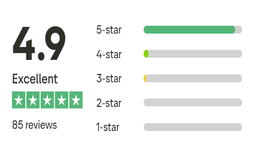
Publisher: Azores.com is an Azores-specialist travel agency that has planned single and multi-island trips across all nine islands since 1996. The agency is IATA and IATAN accredited (IATAN 443969), California Seller of Travel licensed (CST 2114755-40), and rated 5 stars on Trustpilot, and its island-based specialists book the transfers, vehicles, and accommodation described here.
Author: [Author name and role, Azores.com]
Specialist reviewer: [Accessibility specialist or disability advocate name and credential, for example a representative of Access Azores or Azores for All]
Product reviewer: [Azores.com product specialist name and role, who verifies transfer and accommodation options for traveler dates]
Methodology: Facts in this guide come from official and primary sources, including Azores Airlines, the ferry operator Atlanticoline, Ponta Delgada Joao Paulo II Airport, the official Azores tourism authority Visit Azores, and attraction operators, accessed and recorded on the dates listed below. Azores.com product specialists cross-check transfer and accommodation options against current supplier information. Traveler reports and forums were used only to identify common questions and frustrations, not as factual sources. Where a provider does not publish a clear answer, the guide flags the gap rather than stating a recommendation.
Last updated: June 25, 2026
Next review: June 2027, or sooner if an operator, terminal, vehicle, hotel, or attraction changes its access arrangements.
All sources accessed June 25, 2026.
Is your time too precious to spend long hours searching for the perfect holiday in the Azores? Looking for expert help in organizing your trip? Hire an Azores.com Travel consultant.
Let us find the right itinerary for your Azores group travel needs. From family reunions to team building, we're here to help. From Sao Miguel to Flores, we guarantee the best service!

Have a question about traveling to Azores? Need more info about booking tour packages, day tours, activitis hotels or car in Azores? Click below to contact us.

Read Azores.com reviews on Trustpilot.com.