Travel Consultants
Is your time too precious to spend long hours searching for the perfect holiday in the Azores? Looking for expert help in organizing your trip? Hire an Azores.com Travel consultant.

Under the current eBird/Clements taxonomy, the birds of the Azores include three species found nowhere else on Earth, distinctive island subspecies, major seabird colonies, familiar residents, and occasional visitors from both sides of the Atlantic.
That mix makes this Portuguese archipelago rewarding for beginners and experienced birders. It also calls for realistic expectations. Official sources report more than 400 species and subspecies recorded over time, but many are rare or accidental visitors. A normal vacation will reveal only a small part of that historical list.
The best island depends on your goal. The Azores chaffinch is widespread. Choose São Miguel for the Azores bullfinch, Graciosa for the main breeding stronghold of Monteiro’s storm-petrel, Terceira for accessible wetland and coastal birding, or Corvo and Flores for the chance of unpredictable North American vagrants in fall.
Author: Marta Ortigosa
Bird watching in the Azores archipelago is distinctive because the islands sit in the North Atlantic Ocean between Europe and North America. Their position helps explain the unusual combination of birds recorded here.
Some resident birds breed or live on the islands. Other migratory species arrive during seasonal movements. Strong winds and storms can also carry a bird far from its normal route. This is why the Azores have records from both the Nearctic, which includes North America, and the Palearctic, which includes Europe and parts of North Africa and Asia.
These rare arrivals are exciting, but they are not predictable. The archipelago is better understood as a place with a small regular breeding community, valuable endemic birds and subspecies, important seabird populations, and a long list of occasional visitors.
Habitat changes quickly within a short drive. Native laurel forest, pasture, crater lakes, restored wetlands, rocky shores, sea cliffs, and offshore islets each support a different birding experience. The official Visit Azores birdwatching overview highlights São Miguel and Graciosa for endemic birds, Terceira for gulls and waders, and Flores and Corvo for American passerines.
The 2025 eBird/Clements checklist, aligned with the global AviList, recognizes three full bird species endemic to the Azores: the Azores chaffinch, Azores bullfinch, and Monteiro’s storm-petrel. Older regional and tourism sources often say two because they treat the chaffinch as a subspecies. This article follows the current eBird taxonomy.
Several other familiar-looking birds occur as endemic subspecies with their own island history.
The Azores chaffinch (Fringilla moreletti) is widespread across the archipelago and lives in habitats from forest to farmland. It is often the easiest of the three endemic species for a visitor to see.
This bird was long classified as a subspecies of the common chaffinch. Genetic research led major checklists to recognize it as a full species. The Azorean Biodiversity Portal explains the taxonomic change.
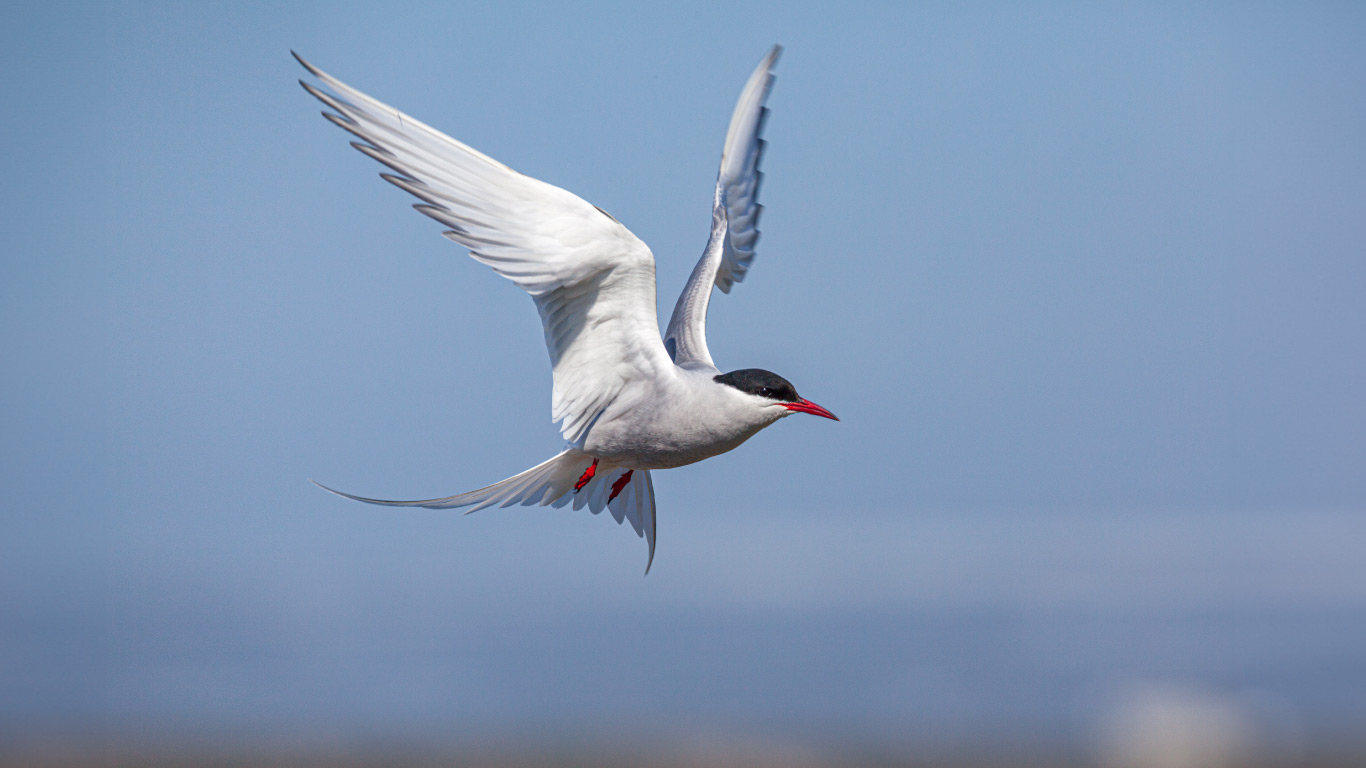
Arctic Tern bird
The Azores bullfinch (Pyrrhula murina) lives only in the eastern part of São Miguel. Locally called the priolo, it is associated with native laurel forest in the Nordeste and Povoação area, including the Serra da Tronqueira and Pico da Vara landscape.
This is not a bird to expect beside every São Miguel viewpoint. Its restricted range is part of what makes habitat restoration so important. Mist, rain, trail conditions, and the bird’s movements can all affect a visit.
The Priolo Environmental Center is a sensible starting point. It explains the bird’s ecology and conservation and can help visitors understand the protected landscape. Check current opening hours and activity schedules before traveling to the east of the island.
Monteiro’s storm-petrel (Hydrobates monteiroi) is a separate species, not a subspecies. Its main breeding colonies are on small sites around Graciosa, especially Praia and Baixo islets. Portuguese biodiversity sources also report confirmed breeding on Ilhéu Sentado at Alagoa, Flores, and a possible very small breeding presence on Corvo.
This tiny seabird spends much of its life at sea and visits nesting areas at night. It can be difficult to separate from similar storm-petrels in the field. Seeing one is therefore very different from visiting a land-based viewpoint.
Travelers should not approach nesting islets or colonies independently. If this species is a priority, ask a qualified local operator about the appropriate season, sea conditions, identification limits, and wildlife-viewing practices. No ethical operator can guarantee a sighting.
The Azores also have local forms of birds found more widely elsewhere. Examples include the Azores woodpigeon (Columba palumbus azorica), Azores common buzzard (Buteo buteo rothschildi), Azores gray wagtail (Motacilla cinerea patriciae), and several other land birds.
Goldcrests show the island pattern especially clearly:
The Atlantic canary, also called the island canary, is another characteristic bird. It occurs across Macaronesia, so it is not exclusive to the Azores. It is the wild species from which domestic canaries descend.
Taxonomic names and ranks can change as research develops. Under the checklist used here, three full species are confined to the Azores, while several resident subspecies add interest across different islands.
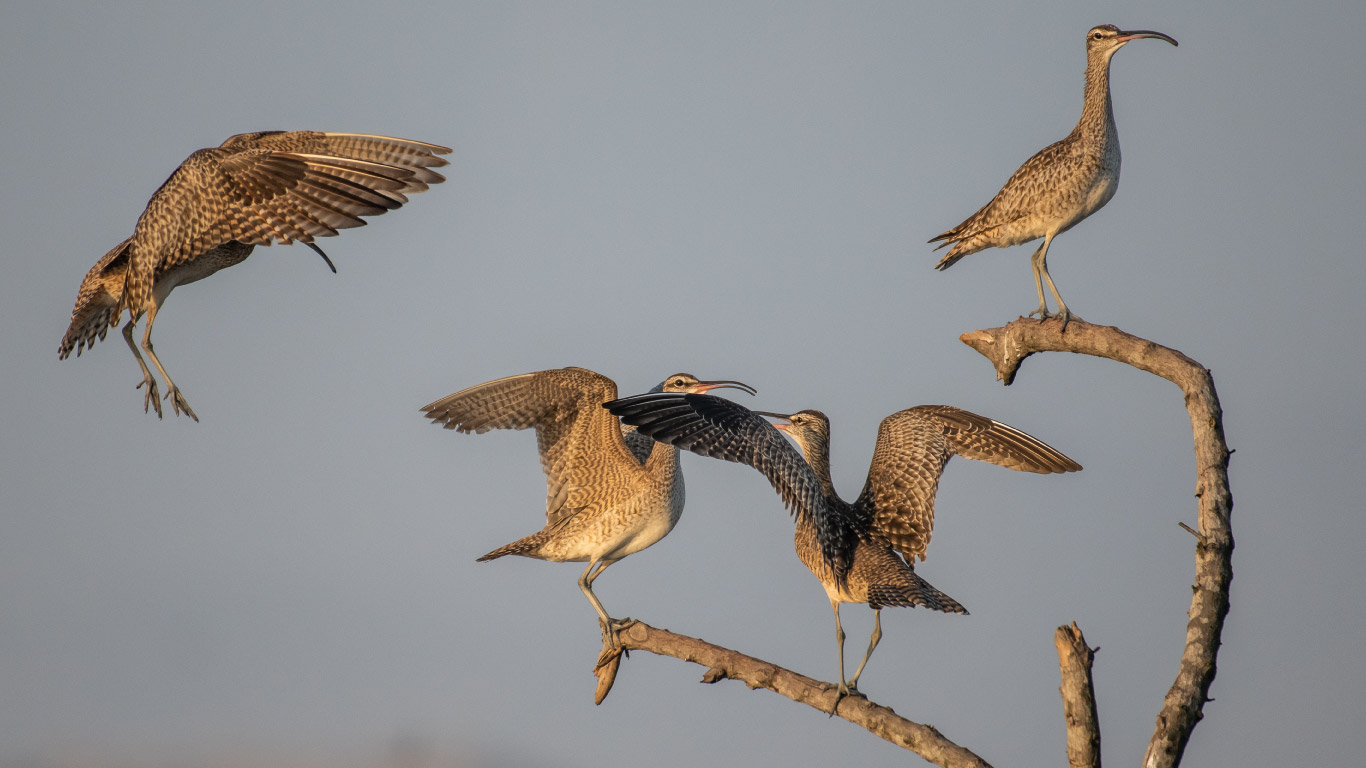
Whimbrel Bird
You do not need to chase rarities to enjoy Azores birds. Gardens, fields, woodland edges, roadsides, and town parks can produce a satisfying introduction.
Familiar passerines among the resident species include the Atlantic canary, Azores chaffinch, European robin, common blackbird, Eurasian blackcap, common starling, and Azores gray wagtail. The Azores woodpigeon (also written “Azores wood pigeon”) is an endemic subspecies and another familiar resident. European birding sources often use the spelling “grey wagtail.” Exact distribution varies by island and habitat.
The common buzzard is the resident daytime bird of prey that most visitors are likely to notice on islands where it occurs. In the Azores it is often called milhafre. That Portuguese name sometimes causes confusion because it can be translated as “kite,” but the local bird is a common buzzard subspecies.
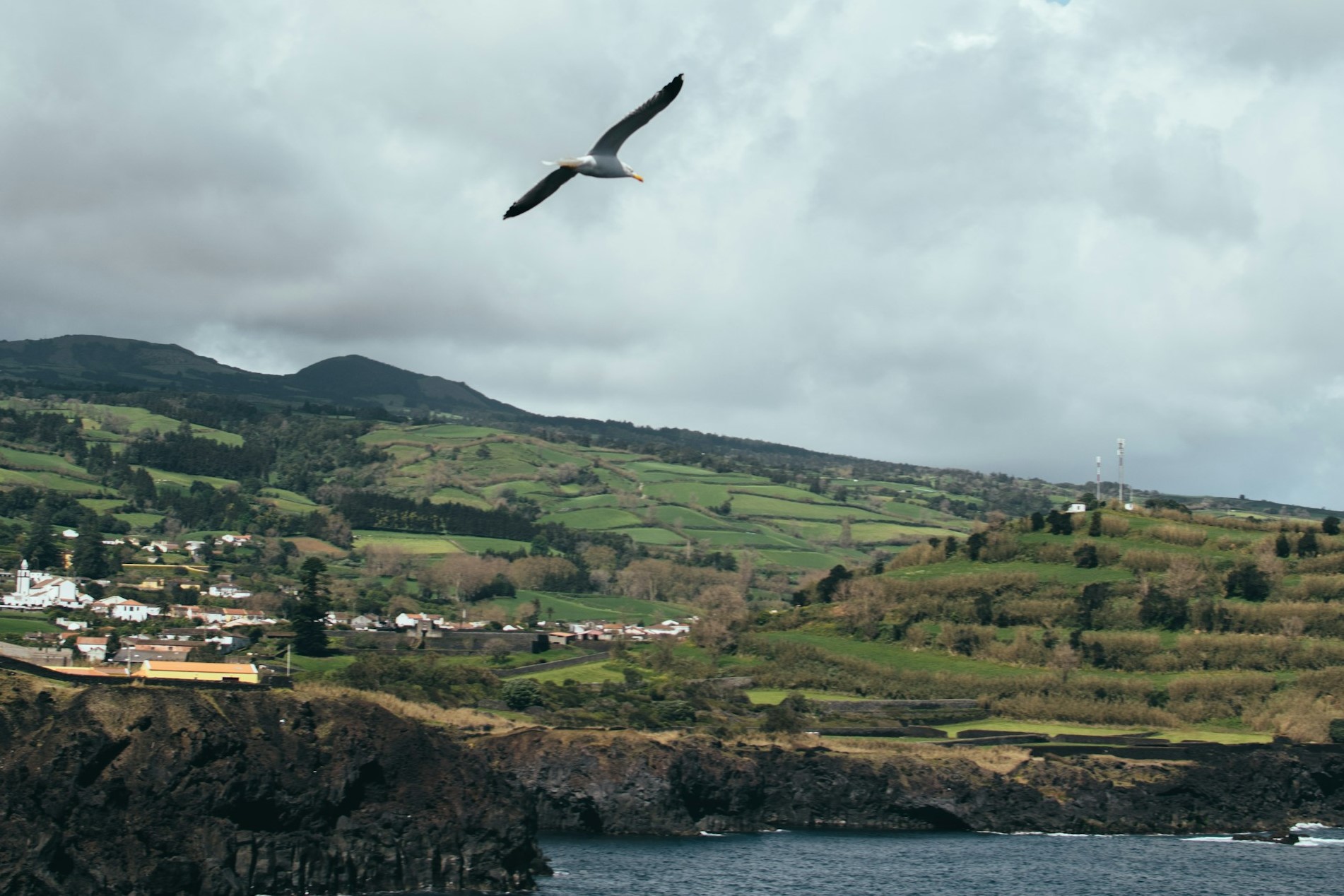
Along the coast, the local yellow-legged gull (Larus michahellis atlantis) is conspicuous. Wetlands and sheltered shores can add waterbirds and wader species such as moorhens, herons, egrets, plovers, and sandpipers, depending on the site and season.
Cory’s shearwater is the signature seabird of the Azores. The archipelago supports a globally important breeding population. During the breeding season, its far-carrying calls can be heard near colonies after dark.
Breeding seabird species include Cory’s shearwater, common tern, roseate tern, Barolo shearwater, Bulwer’s petrel, and band-rumped storm-petrel. Their visibility changes with season, location, weather, and whether you are watching from land or at sea.
A general wildlife boat trip may offer seabird views, but it is not the same as a dedicated pelagic birding trip. Ask the operator which birds are realistic for the date, whether the crew has bird-identification experience, and how the route changes with sea conditions.
Never use bright lights near nocturnal seabirds. Stay away from burrows and loose ground around colonies. A shearwater nest can be hidden below the surface and can collapse under a careless step.
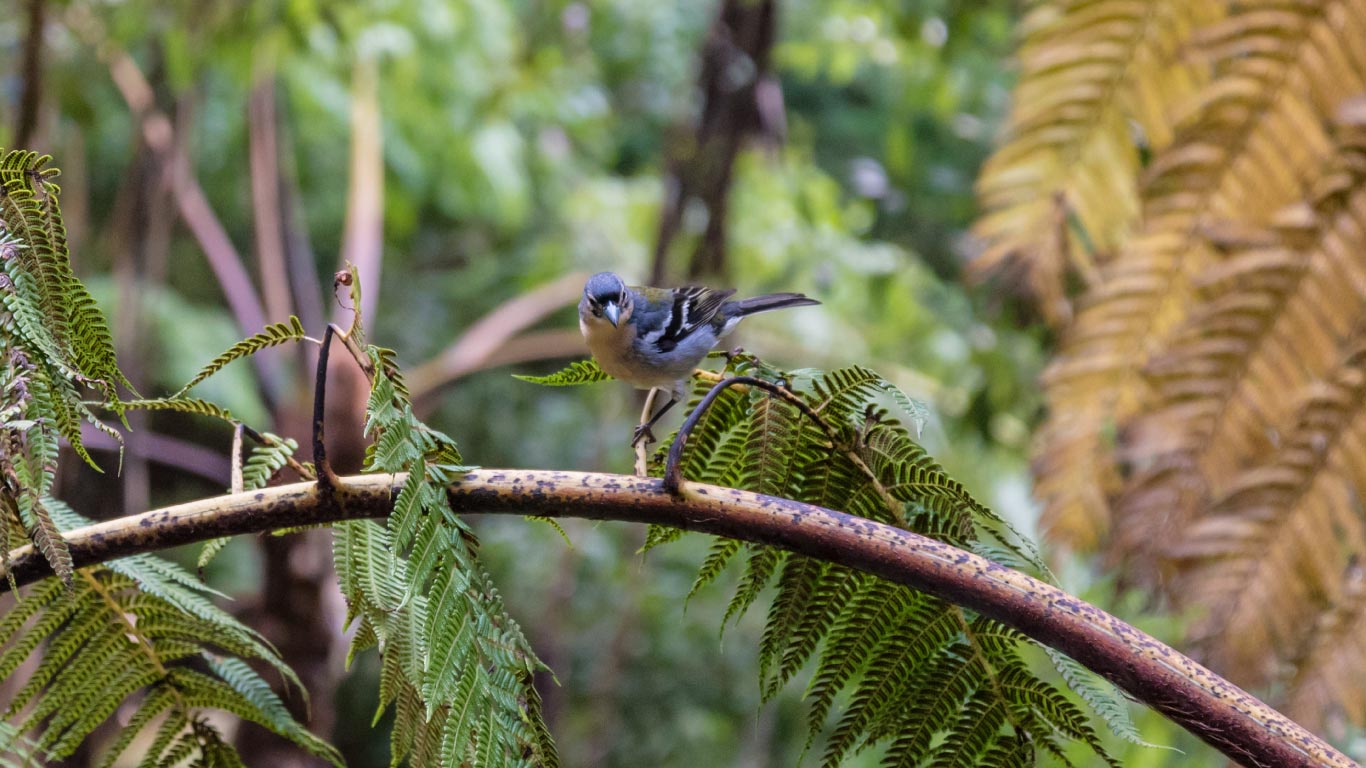
Azores chaffinch
There is no single best month for every birding goal. Match the season to what you most want to see.
| Birding goal | Best planning window | What to know |
|---|---|---|
| Endemic land birds and resident subspecies | Year-round | Access, visibility, and activity still depend on weather and habitat. |
| Breeding seabirds and terns | Species-dependent | Many visible breeders are present from spring through early fall, while the band-rumped storm-petrel breeds mainly from September to February. Boat conditions and tour schedules can change. |
| Monteiro’s storm-petrel | Warm-season breeding period | Specialist identification and an appropriate at-sea approach are important. |
| North American vagrants | September through November, especially October | Corvo and Flores are renowned, but individual rarities are never guaranteed. |
| Wetland and coastal visitors | Fall and winter can be productive | Check recent records because species and locations change. |
| A general nature trip with birding | Late spring or early fall often balances interests | The weather can still shift quickly on any island. |
Autumn deserves one extra caution. A report of a rare bird on Corvo does not mean it will remain, that it is accessible, or that it will appear on another island. Always check the island name, the observation date, access guidance, and any request to protect a sensitive location.
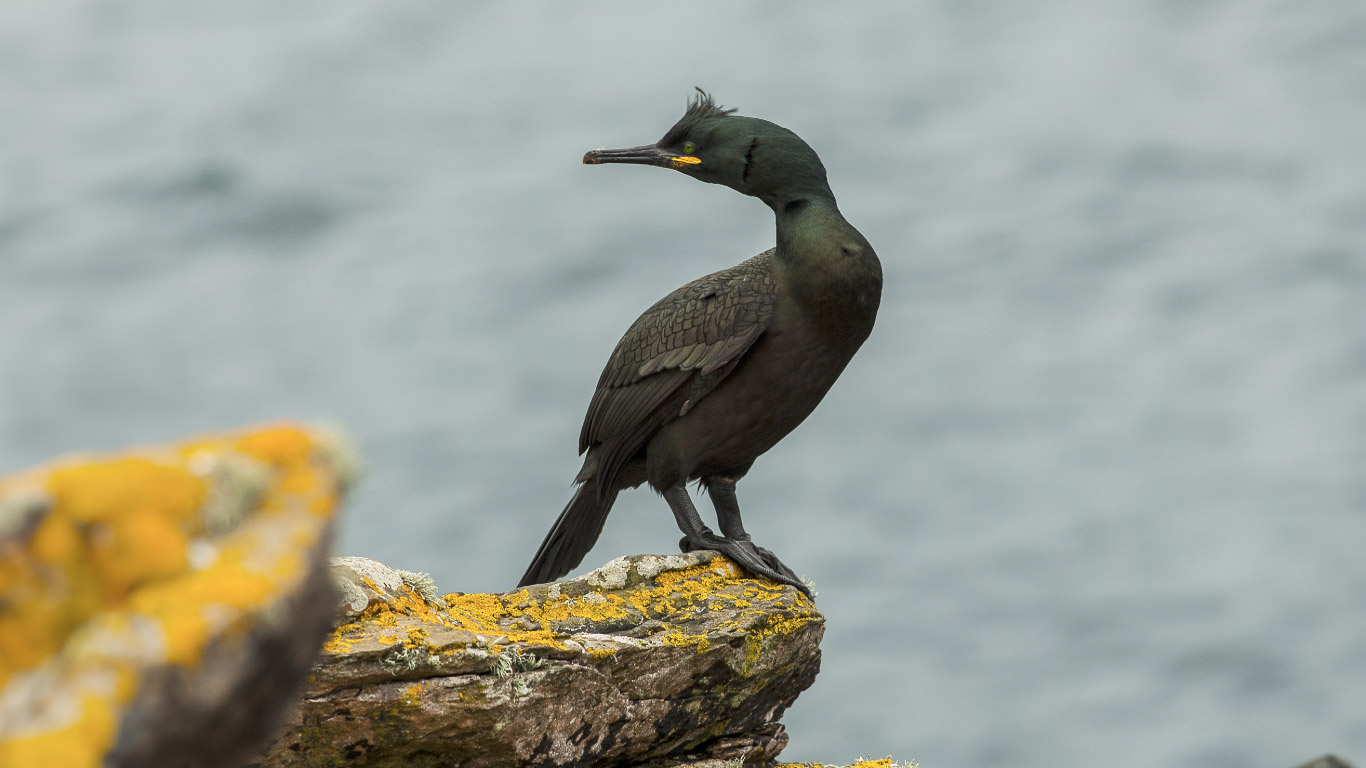
Double-crested cormorant
No island covers every interest. This table offers a practical starting point.
| Island or group | Strongest birding reason | Planning reality |
|---|---|---|
| São Miguel Island | The Azores bullfinch, São Miguel goldcrest, varied forest, lake, pasture, and coastal habitats | A practical all-around choice for a first trip. Allow a flexible day for the eastern highlands. |
| Graciosa Island | The main breeding stronghold of Monteiro’s storm-petrel and other seabird interest around protected islets | The endemic storm-petrel is an at-sea target. Suitable trips depend on season, operator, and conditions. |
| Terceira Island | Gulls, waders, wetlands, and resident subspecies | Paul da Praia da Vitória offers an accessible wetland setting within the city. |
| Corvo and Flores | Fall vagrants, especially birds of North American origin | Best suited to focused autumn birding. Flores also has a small confirmed Monteiro’s storm-petrel breeding site, but this is not a routine visitor sighting. Weather and inter-island logistics need contingency time. |
| Faial, Pico, and São Jorge | Seabirds, coastal habitats, and western goldcrest and other resident subspecies | Easy to combine with a broader central-islands nature itinerary. |
| Santa Maria | Its own goldcrest subspecies, dry landscapes, and coastal habitats | A quieter specialty that makes most sense when Santa Maria already fits the trip. |
On São Miguel, the official tourism sites for Pico da Vara, Graminhais Plateau, Sete Cidades, and Mosteiros help show how forest, upland, lake, and coastal habitats differ.
On Terceira, Paul da Praia da Vitória is a restored urban wetland that supports resident and migratory birds. On Corvo, the Wild Birds Interpretation Centre provides context for the island’s importance and records.
For a short first visit, one island is usually more rewarding than a rushed island count. As a practical starting point, four to six nights on São Miguel can combine the priolo landscape in the east with common resident birds, lakes, coast, thermal areas, and other classic sights.
With seven to ten nights, add a second island only when it serves a clear goal. Terceira works for wetland and coastal birding within a varied cultural trip. Graciosa makes sense when seabirds are a priority and the seasonal logistics align.
Corvo and Flores require a different mindset. They are strongest for focused fall vagrant birding, but rare birds and transport are both weather-sensitive. Do not place a critical onward connection immediately after a plan that depends on a small-island flight or boat crossing.
On a longer trip, central-island combinations can blend coastal birding with volcanic landscapes, whale watching, hiking, and local culture. A realistic pace matters more than collecting island names.
A rental car can be useful when your plan includes scattered viewpoints, early starts, or flexible stops on a larger island. It is not essential for every itinerary. A guide with transport, taxis, and organized activities may suit travelers who prefer not to drive.
Before booking a car, compare the exact sites you want to visit with your hotel location, driving comfort, parking, and any inter-island plan. Confirm current rental and transport conditions directly with the provider.
A Corvo day trip can work only when transport schedules and weather align. If fall vagrant birding is a main reason for traveling, an overnight stay can reduce time pressure, but it cannot remove disruption risk or guarantee a rarity.
Keep weather-dependent travel away from a critical onward connection. A focused western-islands plan needs room to change.
Build a weather buffer into the itinerary. Check the forecast, access notices, and activity status again the evening before and on the morning of each birding day. Keep one flexible day when a priority species or boat trip matters. Prepare a sheltered coastal stop, urban wetland, visitor center, or interpretation center as an alternative.
If walking is limited, ask about road-accessible viewpoints, path surfaces, gradients, seating, restrooms, and the distance from parking to the viewing area. Confirm each site’s current accessibility before relying on it.
Not sure which islands fit your birding goals and available time? Explore customizable Azores vacation packages and ask an Azores.com travel specialist to coordinate stays, ground transport, inter-island travel, and suitable activities around your priorities.
Independent birding works well when you enjoy research, have flexible transport, and are happy to explore common species and public sites. Check current records, opening hours, trail notices, weather, and parking before leaving.
A local guide can add value when:
Before booking, ask about the guide’s birding experience, transport, group size, equipment, walking distance, accessibility, cancellation terms, and responsible wildlife-viewing practices, including the approach to playback and nesting birds. Confirm that a general nature tour actually includes bird-focused guidance.
Use recent records as a planning aid, not as a promise. eBird’s hotspot tools can show which sites have been visited recently and what observers reported. Filter carefully by island because an Azores alert may refer to a different island from the one you are visiting.
The Merlin Bird ID app can help with preparation, but photos and sound suggestions should not replace field marks, range, habitat, and expert review. Interpretation centers and qualified local guides can add context that an app cannot.
Avoid sharing the precise location of a sensitive nest or rarity when publicity could disturb the bird, damage habitat, or create conflict on private land.
Keep the field kit compact and weather-ready:
For a boat trip, add wind protection and secure every loose item. If you are prone to motion sickness, seek appropriate advice before departure.
The regional Code of Conduct for Sustainable Birdwatching gives clear guidance for land and sea.
The American Birding Association Code of Birding Ethics offers complementary guidance for US birders.
Yes. Common land birds are visible in gardens, fields, parks, and forest edges, while the islands’ compact scale makes it easy to combine birding with sightseeing. Beginners should start with familiar resident birds and treat an endemic or rare visitor as a bonus.
Official and scientific sources document more than 400 species and subspecies recorded over many years. That total includes rare and accidental visitors. There is no responsible universal estimate for a short vacation because the result depends on island, season, effort, weather, and luck.
The Azores common buzzard is the archipelago’s only resident daytime raptor. It breeds on seven islands, but not Flores or Corvo. The long-eared owl is a resident nocturnal raptor. Other raptors may appear as visitors, but they should not be presented as dependable breeding targets without current evidence.
You can design a trip that includes São Miguel and Graciosa, but that does not guarantee all three species. The Azores chaffinch is widespread. The bullfinch has a restricted land range in eastern São Miguel, while Monteiro’s storm-petrel is a difficult at-sea target tied to season, conditions, and appropriate access.
Not necessarily. Many travelers add one or two bird-focused days to a wider nature trip. A custom itinerary can combine birding with hiking, volcanic landscapes, whale watching, food, culture, and time to respond to changing weather.
The strongest Azores birding trip starts with a clear goal. Decide whether your priority is endemic birds, seabirds, fall vagrants, relaxed nature watching, or a blend of birding and classic island experiences.
Azores.com has specialized in customized Azores travel since 1996. Share your dates, preferred islands, pace, mobility needs, and birding priorities, then request a personalized Azores vacation plan. The team can build the practical pieces around your interests while keeping expectations honest: logistics can be planned carefully, but wild birds can never be guaranteed.
Is your time too precious to spend long hours searching for the perfect holiday in the Azores? Looking for expert help in organizing your trip? Hire an Azores.com Travel consultant.
Let us find the right itinerary for your Azores group travel needs. From family reunions to team building, we're here to help. From Sao Miguel to Flores, we guarantee the best service!

Have a question about traveling to Azores? Need more info about booking tour packages, day tours, activitis hotels or car in Azores? Click below to contact us.

Read Azores.com reviews on Trustpilot.com.