Pico Food & Gastronomy: Traditional Dishes to Try
Meat stews, fish, shellfish, cheese, sweets, fruit and volcanic wine
Pico Food, Wine and Restaurant Guide
Pico gastronomy draws from pig farming, cattle, yams, orchard fruit, Atlantic fish and shellfish, festival kitchens and a world-famous vineyard culture built directly into basalt lava.
Seven island dishes
Traditional Foods to Try on Pico
1. Torresmos de porco
Small pieces or rashers of pork are seasoned and browned until richly flavored. Recipes and texture vary between households and restaurants.
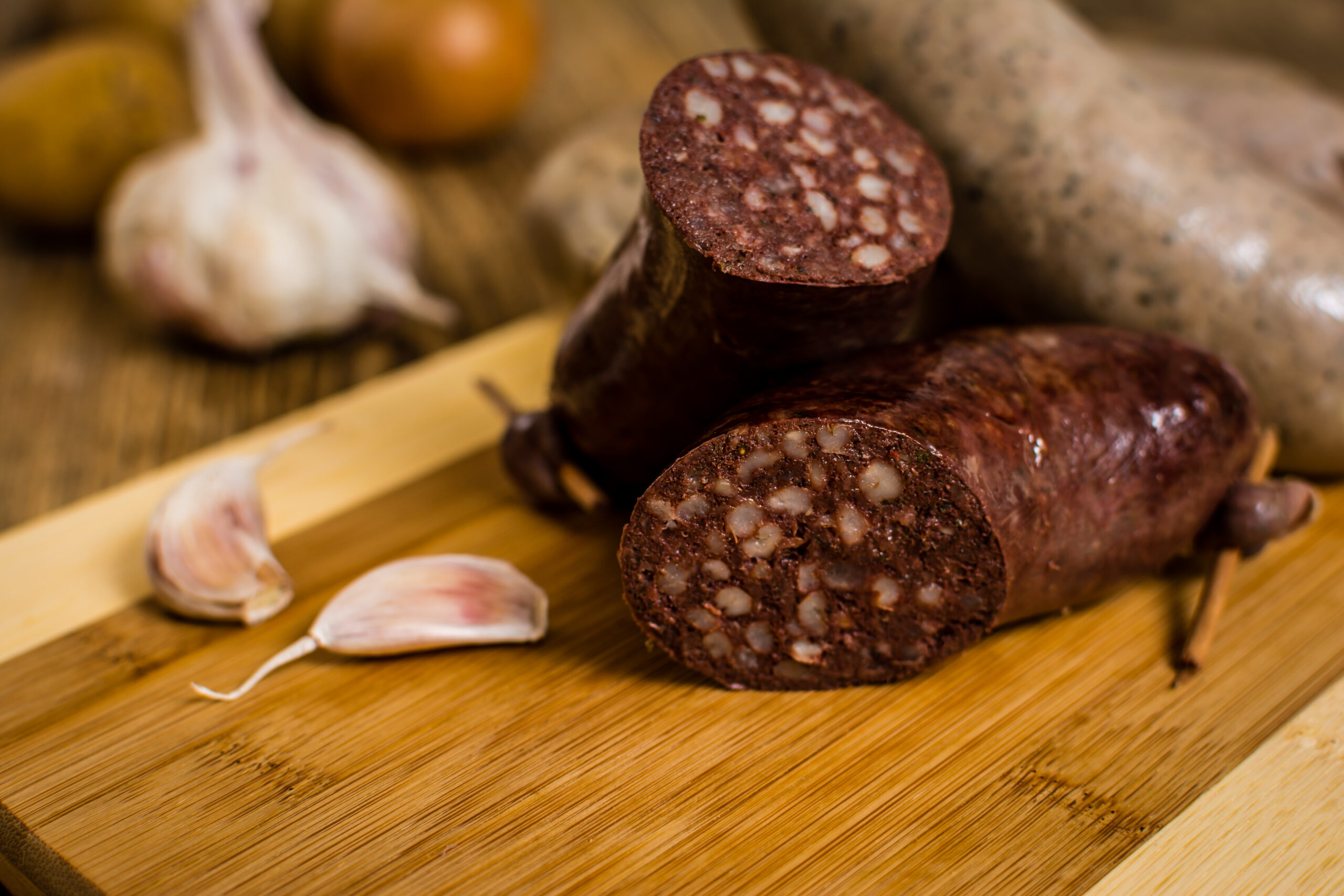
2. Morcela
Azorean blood sausage is spiced and often paired with vegetables or yams, balancing a concentrated savory flavor with mild local produce.
3. Linguiça com inhames
Smoked or seasoned sausage with yams is a hearty expression of Pico’s agricultural pantry. It may appear as a main dish or substantial shared plate.
4. Molha de carne
This rich meat preparation creates a deeply seasoned sauce traditionally soaked up with bread and served at festivals or community gatherings.
5. Caldo de peixe
Fish soup uses available local fish with onion, tomato, herbs or other aromatics. The species and exact preparation change with catch and cook.
6. Polvo guisado em vinho
Octopus stewed slowly with local wine becomes tender and intensely flavored, connecting seafood with the island’s wine tradition.
7. Shellfish
Lobster, deep-water crab and cavaco may appear when legally landed and seasonally available. Ask about the day’s supply instead of expecting a fixed menu.
Dining on the island
Restaurants on Pico: Current and Cautious Guidance
Cella Bar, Madalena
Official Azores tourism and local parish listings support this distinctive contemporary bar and restaurant. It is known for architecture, Pico wine, snacks and a sea-facing setting; confirm the current schedule and kitchen service.
O Ancoradouro, Madalena
A current official website and tourism listing describe local and seasonal ingredients, fish, meat and views toward Faial. Reservations are especially sensible for sunset dining.
O Montanha, São Roque
This rustic restaurant has been associated with dishes such as linguiça with yams and molha de carne. Its current operating details are uncertain, so confirm directly before traveling.
A Tasca O Petisca, Lajes
This name has been associated with a family-style setting for fish soup and torresmos. Confirm its current identity, address and operating status locally before making a special trip.
Adega Açoriana, São João
This name has been associated with seasonal Pico produce, seafood and cheese prepared with a modern approach. Confirm current operating status directly before including it in an itinerary.
Plan meals island-wide
Restaurant names, hours and menus change, especially outside summer. Reserve key meals, keep alternatives in more than one town and ask about current island specialties.
Dairy and celebration food
Pico Cheese, Sweets and Spirits
Fresh white cheese
Soft, mild queijo fresco is commonly served with bread, pepper sauce or as part of a simple starter.
São João cheese
Pico food tradition highlights a cow’s-milk cheese with a yellow rind, soft interior, intense aroma and pronounced flavor associated with São João.
Massa sovada
This soft, lightly sweet enriched bread is closely associated with Holy Spirit and other religious celebrations.
Rosquilhas and vésperas
Ring-shaped or festival pastries join bread and communal meals in parish traditions; names and recipes can vary.
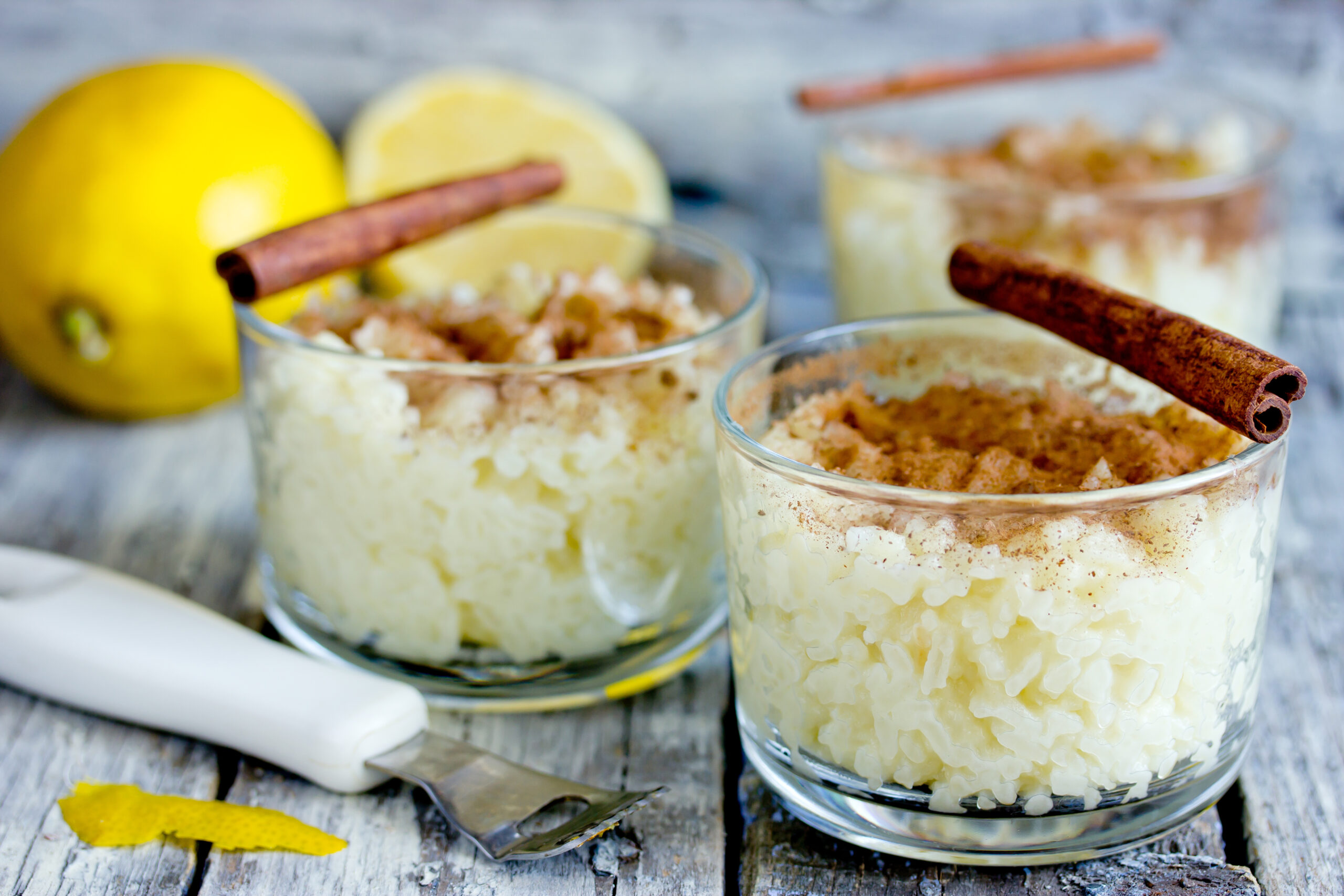
Arroz doce
Rice pudding scented according to household custom is a familiar celebration and restaurant dessert.
Carnival sweets
Filhoses, coscorões and sonhos bring fried dough, crisp pastry and sugar to Carnival tables.
Fruit brandies
Traditional distillation uses figs and other fruit. Ask producers about legal production, strength and serving size.
Angelica
This sweet fortified or liqueur-style drink is often served in small quantities after a meal or during a tasting.
Volcanic vineyards
Pico Wine: Verdelho and More
Pico’s vines grow in small, nearly soilless basalt plots protected by walls from salt and wind. Historic Verdelho included powerful wines associated with nineteenth-century prestige. Modern Pico wine is more varied: dry whites, fresh mineral styles, fortified or sweet traditions and red vinho de cheiro all belong to different historical and contemporary contexts.
Verdelho
A historic white grape and wine name central to Pico’s international reputation. Do not assume every modern Verdelho is sweet or reaches 15 to 17 percent alcohol; check the bottle and producer information.
Arinto dos Açores and Terrantez do Pico
These island-associated white varieties contribute to Pico’s modern dry-wine revival and demonstrate that the story extends beyond one grape.
Fresh, fruity wines
Lighter wines can pair naturally with fish, limpets, shellfish and warm-weather meals.
Vinho de cheiro
A fragrant red table tradition appears at festivals and family meals; its production and service context differ from protected-quality Pico wines.
Taste with context
Choose a producer, cooperative, museum or guided tasting that explains vineyard labor, protected landscape and grape varieties.
Drink responsibly
Arrange a driver or taxi for tastings and do not combine alcohol with the mountain climb, swimming, diving or exposed trails.

Orchard Island
Figs and Other Pico Fruit
Figs
Pico’s iconic figs have sweet flesh and a ruby-toned interior. They may be eaten fresh, dried, preserved or distilled when in season.
Apples and pears
Traditional orchards produce fruit for home use, markets, desserts and preserves. Availability varies through the year.
Peaches and plums
Warm sheltered plots support stone fruit, adding to the older Orchard Island identity.
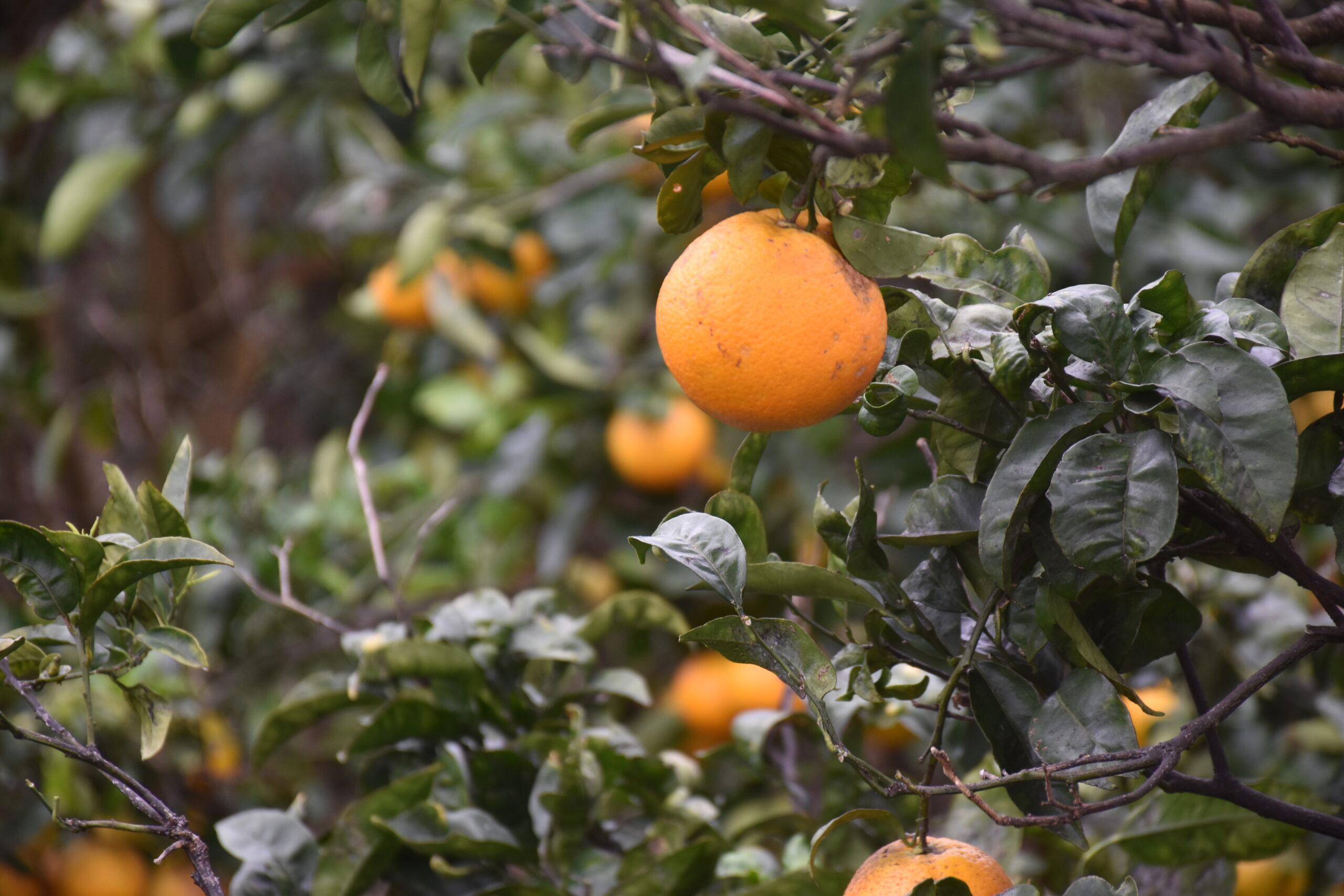
Oranges
Citrus grows in suitable coastal and protected locations and appears in fresh fruit, sweets or preserves.
Faial trade
Historically and today, some Pico produce crosses the channel to markets and kitchens in Horta.
Buy in season
Local shops, markets, producers and restaurant menus are the best guide to what is actually ripe and available.
Plan well
Practical Pico Dining Tips
Reserve summer dinners
Madalena, São Roque and Lajes can become busy, while rural kitchens may keep limited or changing hours.
Confirm uncertain names
Cella Bar and Ancoradouro have strong current support. Confirm every other named restaurant directly before making a special drive.
Ask about the catch
Fish and shellfish depend on weather, landings, season and legal supply. The best choice may not be printed on an old menu.
Plan around tastings
Book winery visits and arrange transport; formal visits are more dependable than assuming a cellar accepts walk-ins.
Mention dietary needs early
Traditional menus can be meat- and seafood-heavy. Contact restaurants in advance for vegetarian, allergy or gluten requirements.
Keep lunch flexible
Museums, ferries, climbs and long drives can collide with narrow lunch hours; carry water and a simple backup snack.
Questions travelers ask
Pico Food and Wine FAQ
What food is Pico known for?
Look for octopus stewed in wine, fish soup, torresmos, morcela, linguiça with yams, molha de carne, shellfish, cheese, festival sweets, figs and Pico wine.
Which Pico restaurants have strong current listings?
Cella Bar and O Ancoradouro in Madalena have strong current support. Always confirm hours, reservations and menu directly.
What wine should I try on Pico?
Ask for wines made from Verdelho, Arinto dos Açores or Terrantez do Pico and compare a modern dry style with any traditional fortified or sweet offering available.
Is Pico good for seafood?
Yes. Fish, octopus and shellfish are important, but selection follows catch, legal season, weather and restaurant supply.
Should I reserve restaurants?
Yes in peak season, for sunset tables and for rural or chef-led dining. Keep a second option because island hours can change.
Build a practical island stay
Plan Your Pico Vacation
Azores.com can coordinate lodging, transportation, mountain or marine activities and enough flexibility for Pico’s fast-changing Atlantic conditions.